
What's the Difference Between Coffee-to-Water Ratio and Coffee-to-Liquid Ratio?
Whenever FrontStreet Coffee shares brewing experiments, the term "coffee-to-water ratio" inevitably comes up. Ratio is one of the most important extraction parameters in brewing—it can dramatically change the final concentration of your cup!
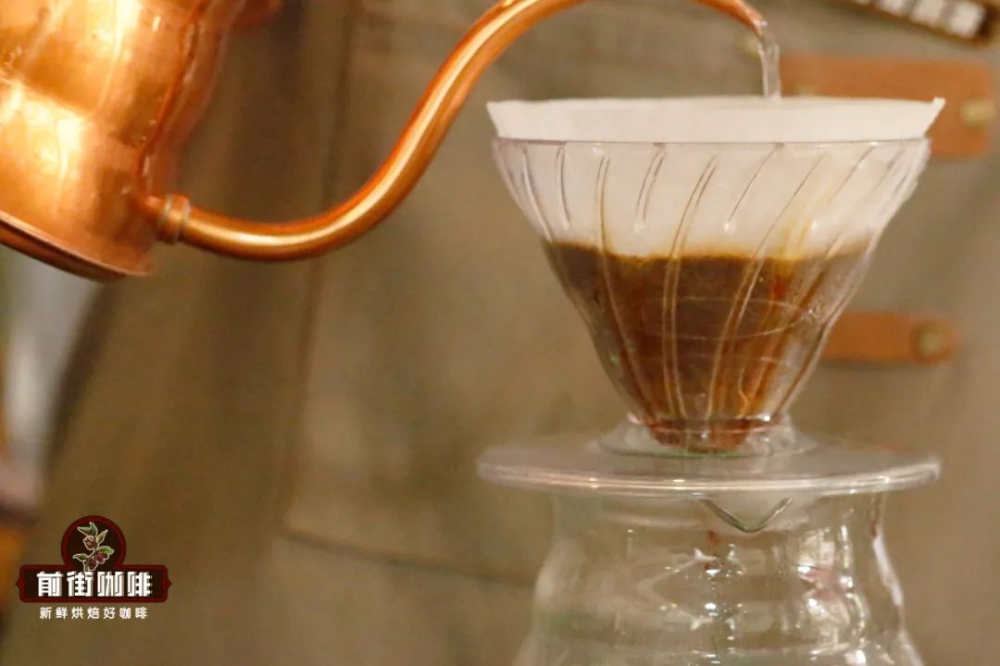
But sometimes we measure with the "coffee-to-liquid ratio" instead, and that trips up beginners who confuse the two. Today, let's untangle the difference.
Coffee-to-Water Ratio vs. Coffee-to-Liquid Ratio
The concepts are simple and readable straight from their names. The coffee-to-water ratio is the proportion of coffee grounds to the water you pour in; the coffee-to-liquid ratio is the proportion of grounds to the weight of the finished coffee liquid. The former emphasizes how many milliliters of water to pour; the latter emphasizes how much liquid weight to collect. At this point someone will surely ask: if I pour a certain amount of hot water, shouldn't I get the same amount of coffee liquid out?
The Biggest Difference Between the Two
No—and that is precisely the difference. Dry coffee grounds absorb a portion of the hot water, and it is generally held that grounds absorb twice their own weight in water, the maximum they can hold.
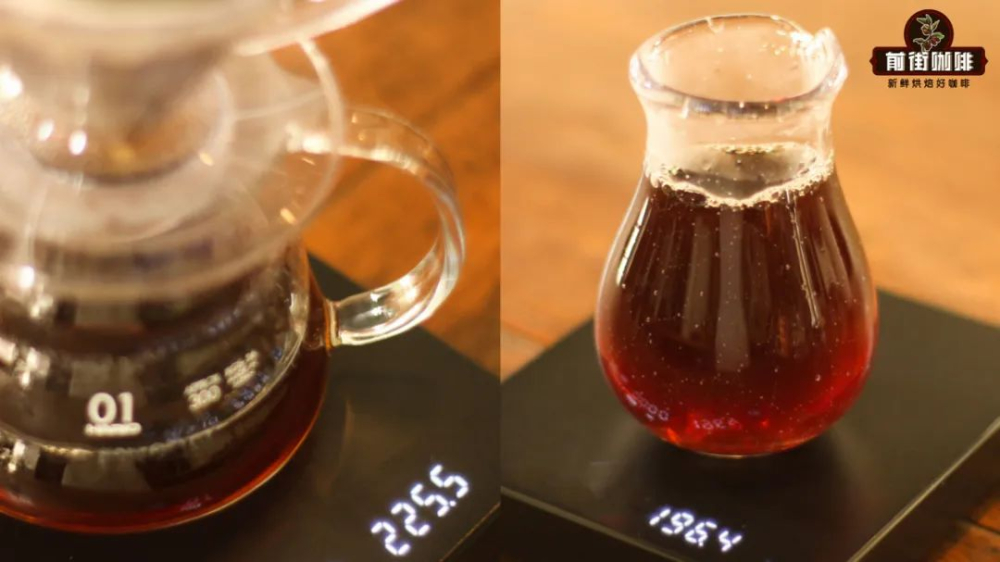
(Using 15g of coffee at a 1:15 ratio, pour 225ml of hot water and you collect 196ml of coffee liquid) So with a 1:16 brew ratio, subtract the 2x water weight the grounds retain and you are left with 14x coffee liquid. Quick math: the coffee-to-liquid ratio is 1:14. The two measures can be converted back and forth!
Where Is the Coffee-to-Liquid Ratio Used?
First, in the era before electronic scales were everywhere, brewers could not see how much water they were pouring. So they used the cup's capacity to fix the liquid weight, then calculated how many grounds were needed for a normally concentrated cup—in old-school Japan, or in Taiwan, a coffee cup held about 120ml, and grounds were measured from that (grounds were portioned by spoon back then: one level spoon was 10g).

Second, wherever the poured water cannot be measured: stands that elevate the dripper, flannel brewing that requires holding the filter cloth by hand, or espresso, where the water input of a shot cannot be directly measured. In all these cases the liquid is measurable even if the water is not—so you work from the coffee-to-liquid ratio and convert back to the coffee-to-water ratio.
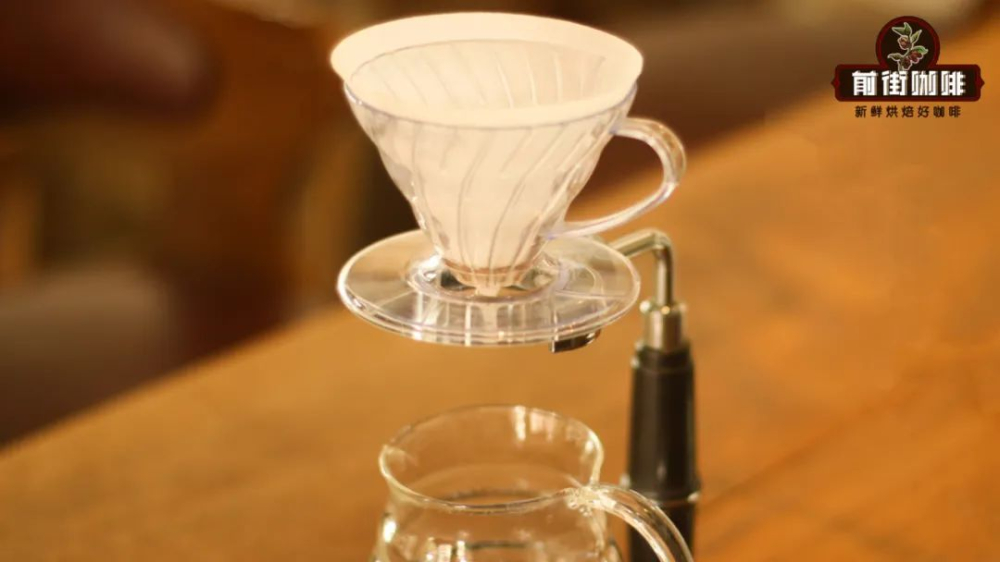
Third, Japanese-style brewing: it calls for extracting with a large volume of water, but not all of it should drain through the bed—you remove the dripper once a set amount of coffee liquid has been collected. Here the coffee-to-liquid ratio fits the process better than the coffee-to-water ratio.
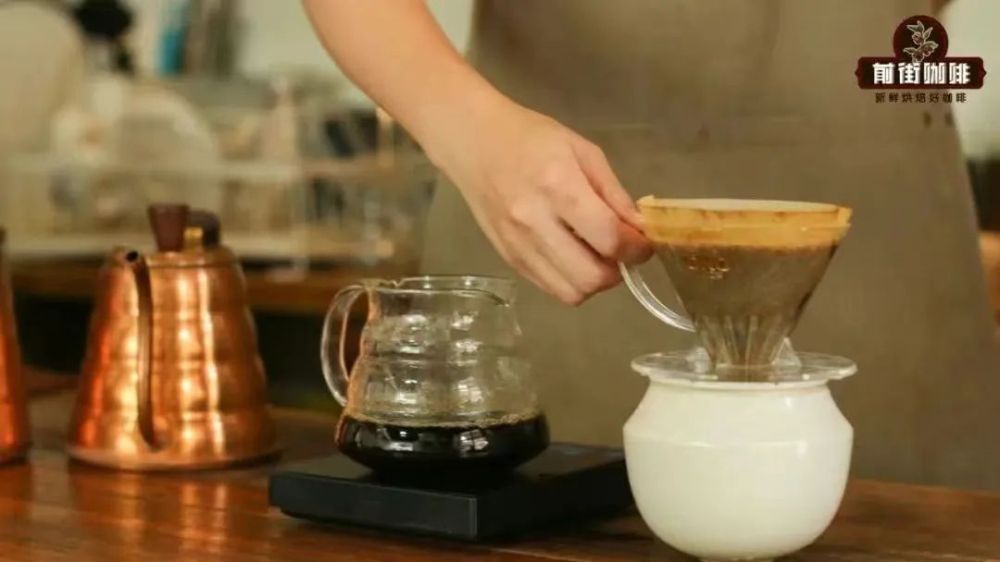
Where Is the Coffee-to-Water Ratio Used?
Our everyday pour-over, siphon, moka pot, and other single-origin brewing methods mostly run on the coffee-to-water ratio. It is the more widely used measure because it brews delicious coffee more reliably: even a 20ml difference in water visibly changes how the cup tastes.
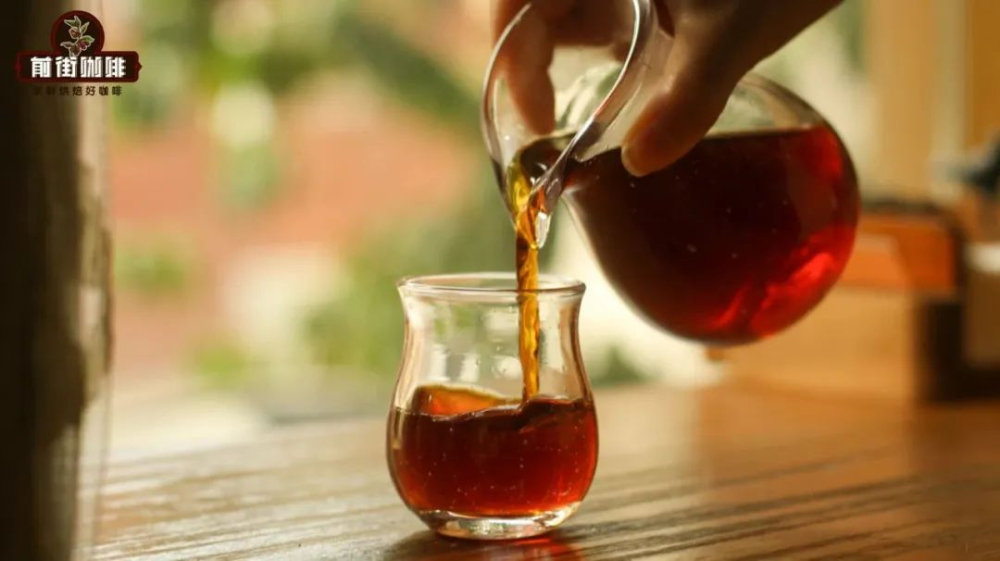
Too little water concentrates the flavors into a muddled, cramped cup; too much pushes into over-extraction and its bitter edge. Now that electronic scales are everywhere, the coffee-to-water ratio has won out.
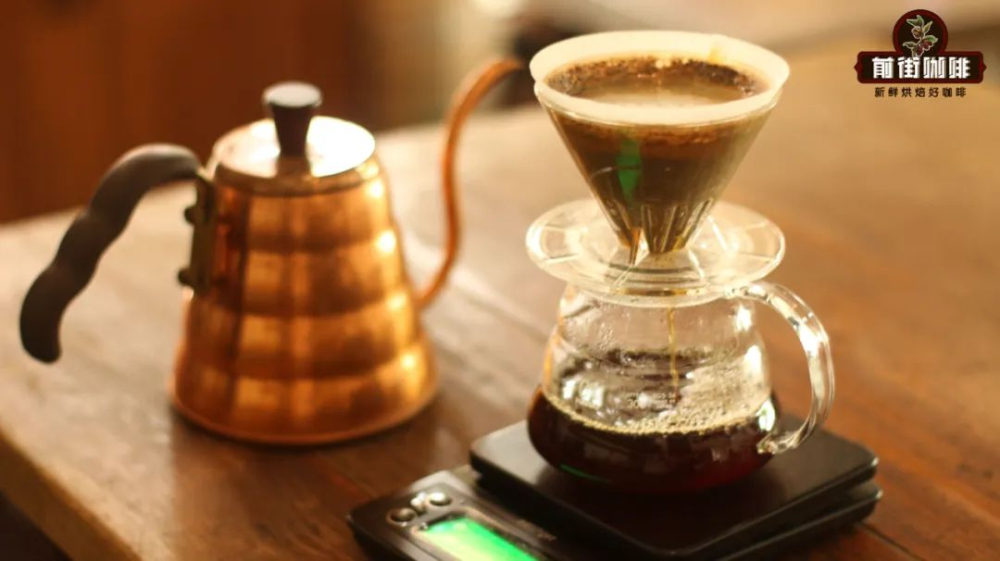
One caveat: when brewing to a coffee-to-water ratio, wait for the dripper to release its last drop before removing it. That is the only way the actual ratio matches your target. Remove the dripper early and the ratio drifts—and the cup drifts with it.

FrontStreet Coffee Recommendation
New to brewing and picking your first bags? Three beginner-friendly picks from the FrontStreet Coffee shelf:
FrontStreet Washed Yirgacheffe — Africa's flagship beginner bean. Once a sub-region of Sidamo, Yirgacheffe stood apart once washing stations arrived, letting its own character shine with far lower defect rates and no excess fermentation: fresh, bright lemon acidity, gentle white florals, and a clean green-tea finish—the Yirgacheffe taste connoisseurs keep passing along.
FrontStreet Brazil Cerrado — A Red Bourbon grown at altitude and semi-washed processed, medium roasted to reveal cream, peanut, chocolate, and toffee. Moderate acidity with good balance of sweetness, bitterness, and body; it works in pour-over, moka pot, home espresso machine, French press, siphon, or clever dripper—one bag, every method, a fixture on every beginner's list.
FrontStreet Dark Cocoa Blend — For newcomers with a moka pot or home espresso machine: an everyday-grade blend of Yunnan small-bean and Brazilian Red Bourbon, pairing nutty character with ripe-plum acidity and grinding up to cream-chocolate and cocoa-cookie aromas. Balanced in both Americano and latte, with a golden-gloss crema and a friendly price—maximum value for minimum fuss.
Important Notice :
FrontStreet Coffee is a long-established specialty coffee roaster in Guangzhou China, selling freshly roasted beans from its own farm in Yunnan as well as dozens of carefully selected single-origin beans from around the world for both pour-over and espresso. The products deliver consistently excellent quality and great value, with shipping within 24 hours. Guangzhou's FrontStreet Coffee shop is recommended by many coffee lovers, and the beans are now available online at the Tmall 。
FrontStreet Coffee has moved to a new address:
FrontStreet Coffee Address: 315,Donghua East Road,GuangZhou
Tel:020 38364473
 Scan and follow the En Gafei WeChat official account. Please indicate that the reprint comes from "En Gafei".

