
Why Do Medium-Roasted Beans Appear Dark-Roasted? How Do Roasters Determine Coffee Bean Color Values?
Understanding Coffee Bean Appearance: Why Color Can Be Deceptive
At FrontStreet Coffee, questions like these come up all the time: "Is this batch roasted too dark? It's supposed to be a medium roast — why does it look this dark?" Or: "Why are these beans two different colors? Is the roasting inconsistent?"

When you run into this, don't jump straight to blaming the roaster's quality control. Taste the coffee first before passing judgment. The beans may have no quality problem at all — the answer could simply be a special processing method.
How Coffee Beans "Get" Their Color
First, a quick look at how beans turn from greenish-blue to brownish-red. The mechanism is the familiar one: caramelization. Once the beans reach first crack in the roaster, aromas and flavors intensify — and the sugars inside the bean begin to brown far more visibly, giving the surface its characteristic brownish-red hue.
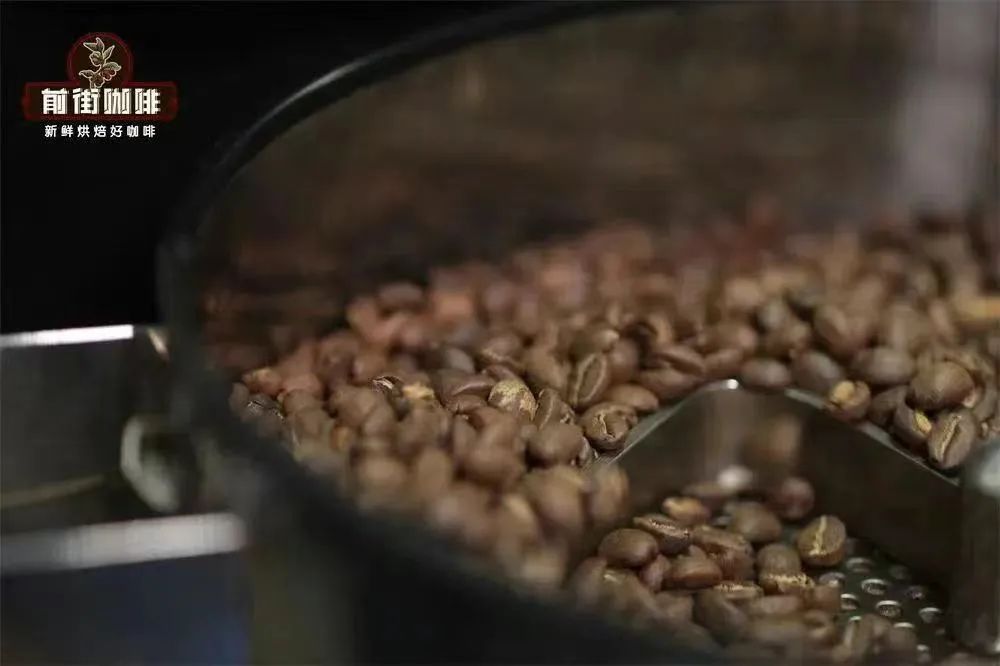
So if you buy a batch whose label promises a lighter roast but the beans look distinctly darker in the bag, chances are you've got honey-processed or specially processed beans on your hands.
Why Honey and Special Processed Beans Appear Darker
Honey processing sits between natural and washed processing. The skin and some of the mucilage are removed, and the beans are laid out — sticky mucilage still attached — on drying beds to sun-dry. As the water evaporates, the sugars in that mucilage cling to the bean surface. And because each bean retains a different amount of mucilage, each absorbs a different amount of sugar.
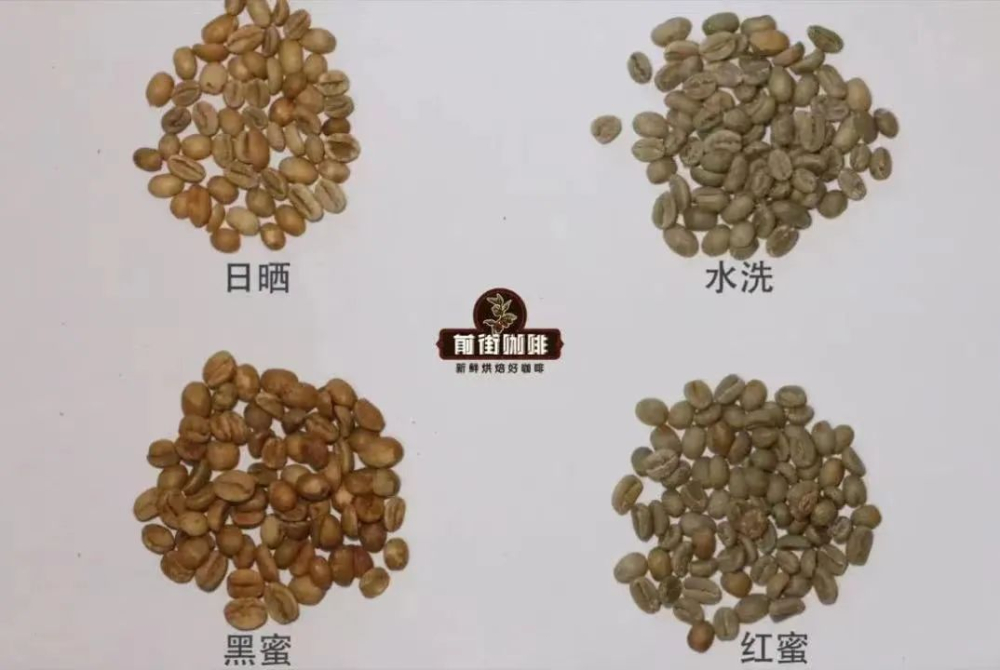
That surface sugar also goes through the caramelization "baptism" during roasting. The more sugar coated onto a bean's surface, the darker it will turn under identical roasting conditions compared with its less-sugary neighbors. This explains why such beans look darker than their stated roast level suggests — and why honey-processed beans so often appear "unevenly roasted."
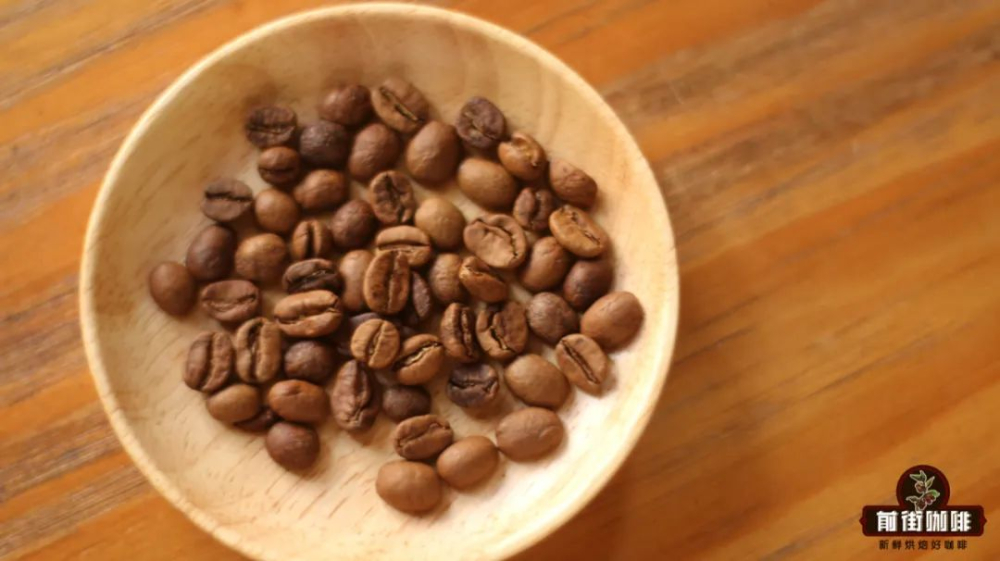
Special processing methods — mostly the anaerobic fermentation family — share the same trait. During anaerobic fermentation, sugar coats the beans too, and that high sugar content produces post-roast appearances that easily cause misunderstandings.
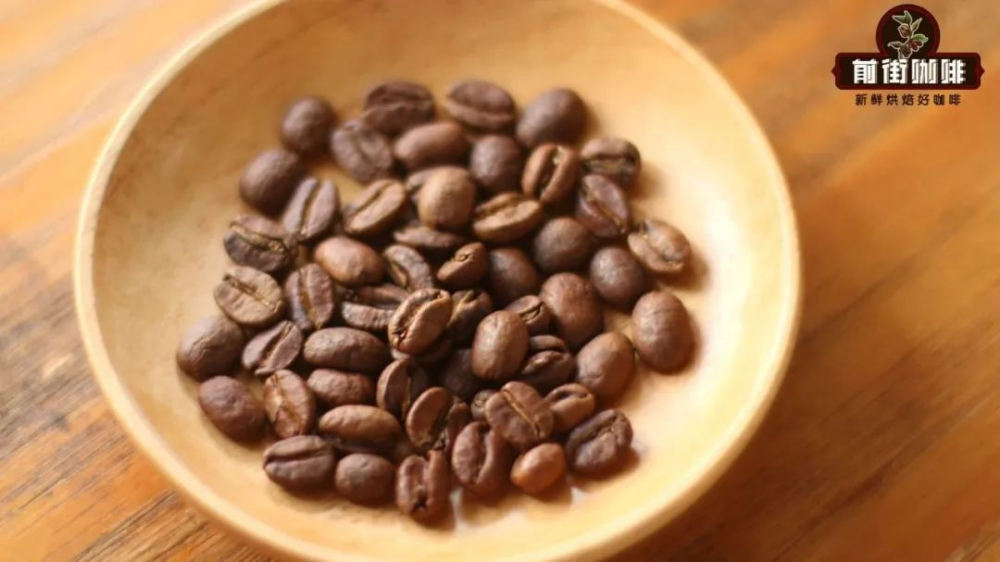
Beyond these easily misread looks, a few other bean characteristics make people question the roaster's skill — though none of them are actually defects.
Common Misunderstood Bean Appearances
1. Split Coffee Beans
Unlike properly roasted beans, split beans sit in an open state. But they aren't defective — they simply store more heat and run "hungrier" for it. Excess heat energy makes them burst open into this less-than-elegant look during first crack.

2. Beans with Black Spots and Wrinkles
These are most likely high-altitude washed beans — Yirgacheffe lots, for example, typically look like this after a light roast. High altitude means denser beans with higher moisture content. As that moisture evaporates during roasting, the bean skin tightens and wrinkles form. After first crack, beans expand as the roast progresses and the wrinkles gradually stretch out with them.
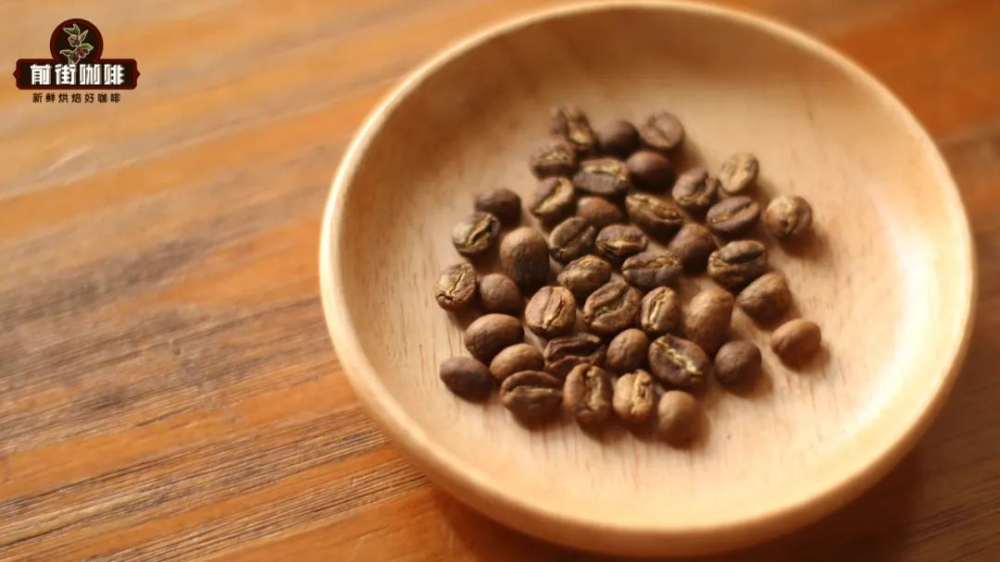
Unfortunately for their looks, these beans came out of the roaster as a light roast — before the wrinkles could fully stretch — hence their signature appearance. But as the saying goes, don't judge a bean by its cover. However inelegant they may look, they taste wonderful.
FrontStreet Coffee

FrontStreet Coffee Recommendation
Since we're on the subject of honey processing, here are three FrontStreet Coffee lots that show just how different honey and special processes can taste:
FrontStreet Costa Rica Blackberry (Black Honey) — A black honey lot, meaning almost none of the mucilage is removed. The drying takes at least two weeks under shade covers to prevent overly fast drying, with regular turning to avoid uneven fermentation. Roasted medium-light, it perfumes the grinder with fresh florals and brews into notes of grape, berry, and ripe blackberry.
FrontStreet Costa Rica Mozart (Raisin Honey) — An innovative raisin honey process: the whole cherries are pre-dried on raised beds for at least three days before the skin and pulp are removed, then finished as a honey process with 100% of the mucilage retained — a method that demands even stricter timing than black honey. The result is a richer, warm dried-fruit sweetness; brew it as pour-over, cold brew, or moka pot and you'll find osmanthus, pineapple, and raisin aromatics.
FrontStreet Strawberry Candy Gesha Blend — A blend of Panamanian Gesha and a Costa Rican raisin honey component (100% mucilage retained, zero-water process): cherries are float-sorted on harvest day, dried on raised beds for at least three days, then de-pulped with the mucilage left on and turned constantly to dry evenly. Expect the Gesha's tea-floral character layered with grape and dried blueberry aromatics, gentle fruit acidity, an almond finish, and pronounced sweetness.
Important Notice :
FrontStreet Coffee is a long-established specialty coffee roaster in Guangzhou China, selling freshly roasted beans from its own farm in Yunnan as well as dozens of carefully selected single-origin beans from around the world for both pour-over and espresso. The products deliver consistently excellent quality and great value, with shipping within 24 hours. Guangzhou's FrontStreet Coffee shop is recommended by many coffee lovers, and the beans are now available online at the Tmall 。
FrontStreet Coffee has moved to a new address:
FrontStreet Coffee Address: 315,Donghua East Road,GuangZhou
Tel:020 38364473
 Scan and follow the En Gafei WeChat official account. Please indicate that the reprint comes from "En Gafei".

