
What are Ethiopian Landrace Coffee Varieties? What's the Relationship Between Landrace and Heirloom Varieties?
Understanding Landrace Varieties in Ethiopian Coffee

When buying Ethiopian coffee beans, the word "Heirloom" shows up constantly, translated as "native variety" or "heirloom" and generally meaning a mixed harvest of coffee varieties. But over the past two or three years, another term, "Landrace," has begun appearing on the packaging of some Ethiopian beans. What exactly is a Landrace, and how does it relate to Heirloom? FrontStreet Coffee takes up the question here.
In Ethiopia, the garden cultivation system is the dominant planting model that most smallholder coffee farmers rely on for their livelihood. Heirloom native varieties come from the "unknown varieties" growing in their backyards. Coffee trees may have been left by a previous landowner, shared among neighbors, or grown from seed brought from another origin. Various coffee plants are intercropped with other cash crops on the land, harvested only when ripe, and then sold.
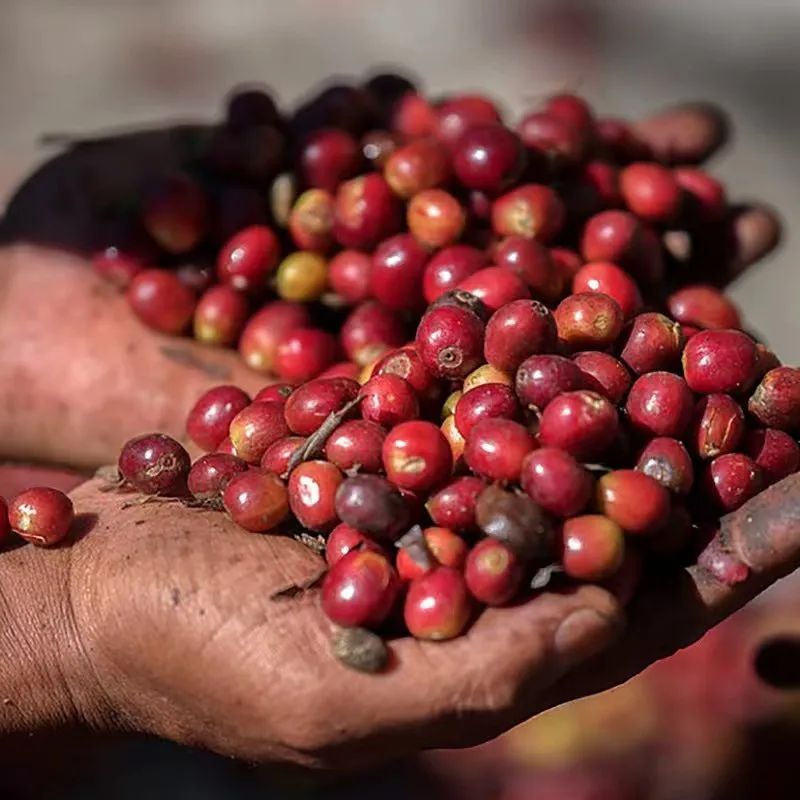
So Heirloom does not refer to one specific variety. It represents a blend of green beans from the origin - a batch combining the harvests of multiple smallholders over the same period, which may encompass dozens or even hundreds of undifferentiated varieties. Precisely because of the variation between varieties and the different ways they are mixed each time, these beans differ in particle size, dimensions and shape: some large, some small, some long, some round. Think of it as a blended batch. Popular lots FrontStreet Coffee regularly offers, such as Boku Cooperative, Red Cherry, Worka, Kaffa Forest, Konga and Kochere, all list "Heirloom" in the variety column.

FrontStreet Coffee: Kaffa Forest Coffee Beans
Country: Ethiopia
Region: Kaffa Forest
Altitude: 1800 meters
Variety: Heirloom
Grade: G1
Processing: Washed
Flavor: Lemon, sweet orange, peach, green tea, melon seed kernel, caramel
This Kaffa Forest in FrontStreet Coffee's selection comes from Ethiopia, named for growing in a vast cloud forest region, the Kafa Biosphere Reserve. The primary forests of the Kaffa Biosphere are recognized not only as the birthplace of coffee but also as a genetic treasury of the Arabica we know today. The "Gesha" in the Geisha origin story is in fact one of the regions of Kaffa, in the western area.
Here FrontStreet Coffee wants to stress a point. Because Kaffa Forest is the setting of the familiar Geisha origin story, and the Geisha variety takes its name from the Geisha Mountain area here, some merchants name this bean "Geisha" outright and market it as "Kaffa Forest Geisha." It is actually completely different from the Geisha variety we know.

Typically, the "Geisha" baristas mean is a coffee variety recorded as "T2772" from the Panama growing region. Its most distinctive feature is a large, slender shape - pointed at both ends, full in the middle, sides curling outward after roasting, always reminding FrontStreet Coffee of "sausage buns." Panama Geisha won countless admirers because, unlike the traditional rich coffee flavor people expect, it drinks more like a fresh floral and fruit tea, always carrying abundant aromas and complex fruit flavors that evoke a series of unusual scents. At different temperatures, one can sense delicate textures and sweet-sour fruit filling the whole mouth.
Compared with the Geisha variety, this Kaffa Forest that FrontStreet Coffee acquired emphasizes its origin more, so in the variety column FrontStreet Coffee labels it as the common Ethiopian native Heirloom. Given that the bean comes from Ethiopia's high-altitude forest region, rich in light floral and fruit aromas, and is washed, FrontStreet Coffee aims to present its clean, elegant character through light roasting.

The Evolution of Landrace Varieties
Back to our main topic. Among all the plants growing in the fields, some coffee trees show stronger cultivation advantages: they adapt to local soil, climate and environment, gradually stabilize in flavor, and also show disease resistance and high productivity, so farmers specially preserve them. After years of cultivation and hybridization they became "domesticated," and with farmers doing some selective breeding, the characteristics of individual plants became less unpredictable - stable and regular.
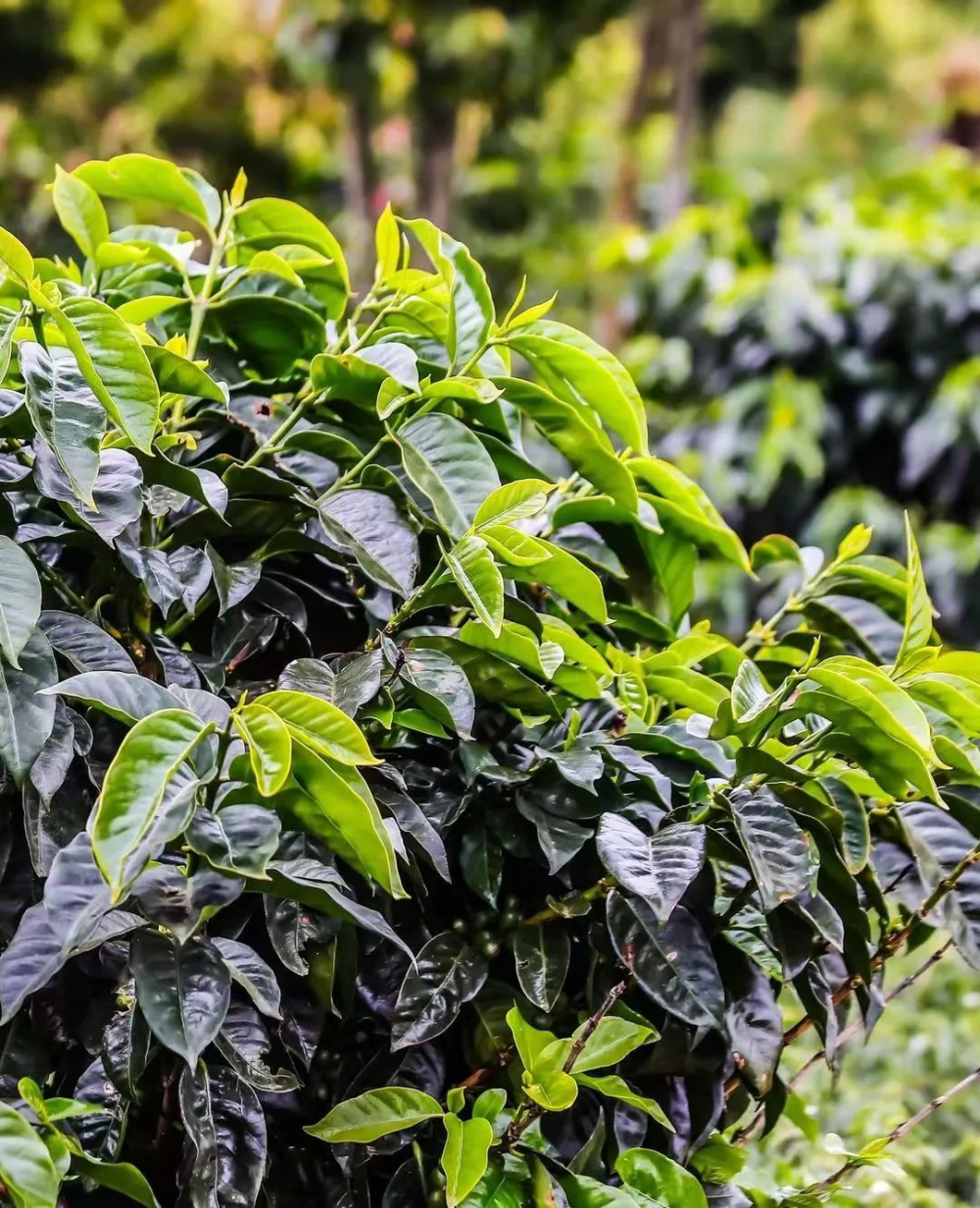
These describable coffee types gradually came to be recognized as "Landrace varieties" and were passed down through generations of coffee farmers. So Landrace refers to coffee plant types with historical origins, genetic diversity and clear characteristics that can adapt to the local terroir and work well with farmers' field management - in other words, ancient superior varieties.
If these ancient superior varieties originally existed in Ethiopia, why were they not distinguished before? From a botanical perspective, Landrace varieties cannot be called an independent variety, or even a subspecies, because their "uniformity" is not caused by plant genetics alone but is more influenced by local terroir - the result of time and natural selection.
The Rise of Landrace Recognition
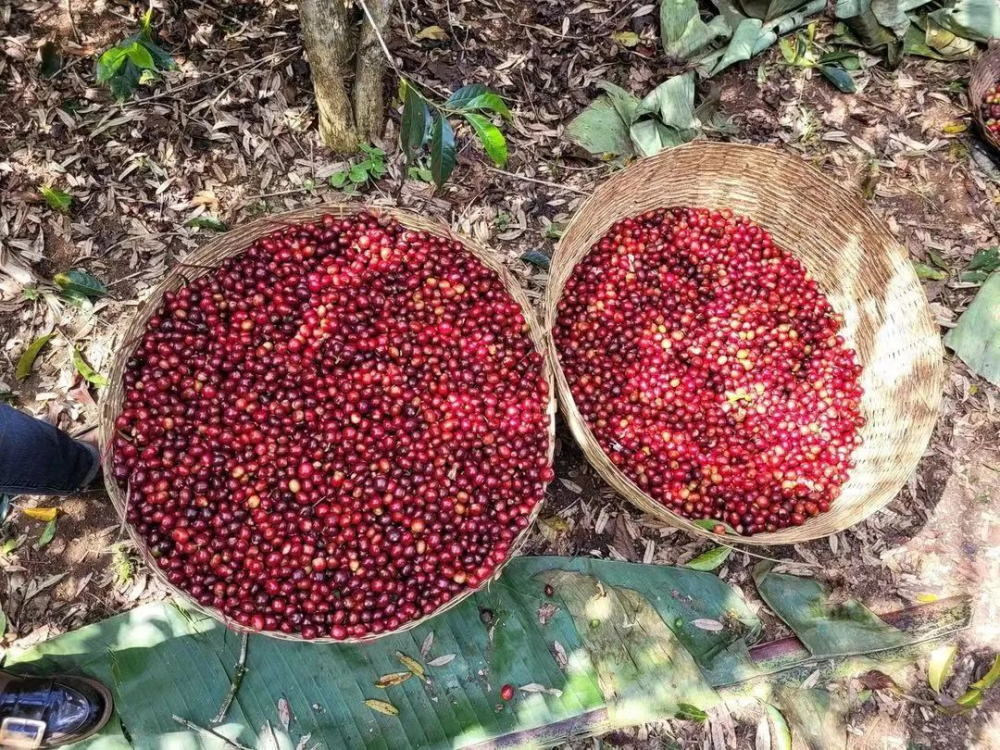
In recent years, through the efforts of Ethiopia's agricultural management institution JARC (Jimma Agricultural Research Center), many regional Landrace varieties previously lumped under "Heirloom" have been identified, and the number of farmers growing them has gradually increased. Because there was no official identification from public departments before, they were not specially announced to the public. Landrace varieties widely grown in southern Ethiopia include Kurume, Wolishao and Dega, while the western and southwestern regions cultivate Choche, Sardo Buna and Bedessa.
Even if farmers can distinguish the Landrace varieties they grow and tell clearly whether a given tree is Kurume or Choche, that detailed native-variety information may not survive after harvest. Many large processing plants run by major companies buy cherries from hundreds of local smallholders and mix them together for processing and sale, finally labeling the result "Heirloom" for export. So the Ethiopian Heirloom coffee we drank in the past was in fact a blend that included these Landrace varieties.
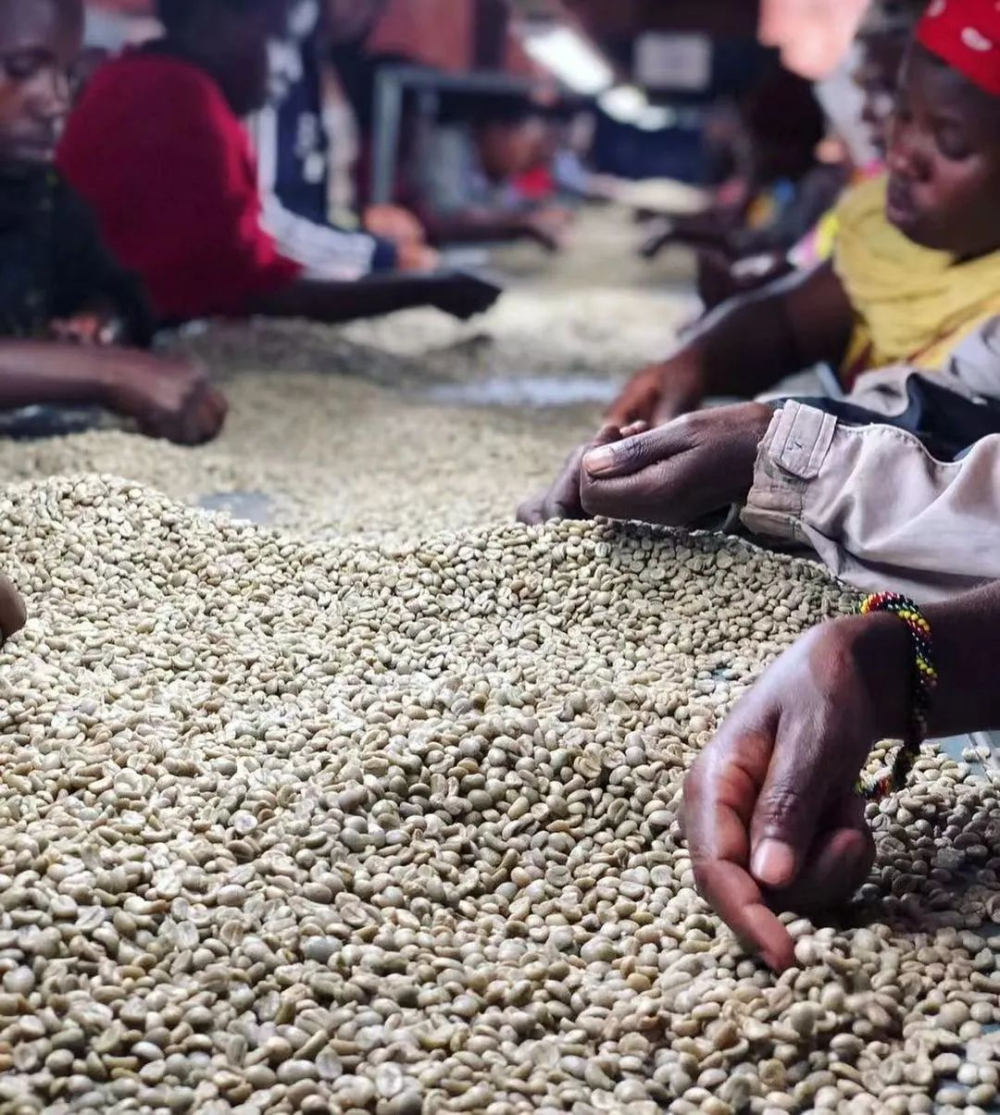
Nowadays, more and more international green bean suppliers, aiming to offer consumers pursuing "uniqueness" more choices, tend to buy local varieties that emphasize regional character. From a cultivation and production standpoint, these Landrace varieties show good adaptability in their region while ensuring a decent income, because they are no longer mixed with other unknown Heirloom varieties but can be harvested separately and made into single lots for sale. Naturally, both new and experienced farmers are more willing to grow them. As consumers, we have more and more Ethiopian beans belonging to Landrace varieties to choose from.
FrontStreet Coffee Recommendation
Ethiopia is a world-renowned specialty coffee origin and, as the birthplace of coffee, home to countless native varieties - a treasure chest for drinkers who want to follow a region's flavor faithfully.
To taste the classic Ethiopian profile, start with the entry-level FrontStreet Washed Yirgacheffe, offering clear jasmine and bright citrus acidity. Yirgacheffe is a small town in southern Ethiopia where spring-like weather, drifting mist and cool humidity let thousands of coffee trees thrive, producing that signature interweaving of floral and fruit acidity: a light, elegant, tea-like cup that drinks like a clean, refreshing lemon tea.
Ethiopian coffee mostly uses the garden cultivation model, with each smallholder delivering cherries to a village-based processing station and selling under the production team's name, which is why we see cooperatives of every size - FrontStreet Gedingding, FrontStreet Worka, FrontStreet Konga and others. Gedingding Cooperative sits in the Worka region at the southeastern edge of Yirgacheffe; it was originally part of the Worka Cooperative under the Yirgacheffe union YCFCU, and as demand for traceability grew, it became an independent "single region" in 2012 with about 300 farmer members. Because the pulp is removed before drying, FrontStreet Gedingding's inherent aromas come through more clearly, showing citrus and lemon and an elegant white floral character - bright and fine overall.
If you want a fruit-forward sun-dried cup, FrontStreet Sun-Dried Red Cherry is made from fully ripe cherries, sun-dried and screened in layers to guarantee a clean, fruit-sweet quality; its notes are honey peach, cocoa, honey and lemon. For a bolder natural, FrontStreet Sun-Dried Flower Queen comes from the Hambella region of Guji, Sidama, on a 200-hectare farm using traditional natural processing. To keep the cherries from molding or picking up earthy off-notes, workers spread ripe cherries on raised beds to dry for 21 days, turning them constantly, with farmers hand-sorting out defective and moldy beans every three to five days. Once the skin is dry and hard, a huller removes it; after the green beans are obtained, one final sorting follows. Because the fruit and skin stay on through drying, a medium-light roast yields light fermentation wine, floral, citrus and mango notes - a richer, more complex cup with honeyed sweetness, cocoa and a touch of spice, a thick body and a long finish.
Also in Sidama, FrontStreet Sidama Sun-Dried Hamasho comes from a washing station that has become a fixture on Ethiopian green bean competition lists, mainly growing the JARC (Jimma Agricultural Research Center) 74-series disease-resistant varieties, with 74158 producing smallish beans and prominent floral fruit. FrontStreet Hamasho 74158 has an enticing aroma of perfume lemon, strawberry and carambola, entering with clear strawberry, carambola and green grape sweetness before a light floral note rises. And unlike the backyard model, FrontStreet Kaffa Forest is known for wild coffee, with trees shade-grown between 1,400 and 2,100 meters, where an untouched ecosystem, microclimate, red soil and abundant rain make an excellent environment. Roasted medium-light, FrontStreet Kaffa Forest has an obvious white floral note when ground, bright lemon acidity and sweet orange and bergamot on the palate, with a whisper of melon and nut in the finish and a green-tea-like mouthfeel.
Important Notice :
FrontStreet Coffee is a long-established specialty coffee roaster in Guangzhou China, selling freshly roasted beans from its own farm in Yunnan as well as dozens of carefully selected single-origin beans from around the world for both pour-over and espresso. The products deliver consistently excellent quality and great value, with shipping within 24 hours. Guangzhou's FrontStreet Coffee shop is recommended by many coffee lovers, and the beans are now available online at the Tmall 。
FrontStreet Coffee has moved to a new address:
FrontStreet Coffee Address: 315,Donghua East Road,GuangZhou
Tel:020 38364473
 Scan and follow the En Gafei WeChat official account. Please indicate that the reprint comes from "En Gafei".

