
How to Judge Milk Foam Consistency Through Sound
A great latte needs milk foam that is fine, smooth, and highly fluid. When you practice latte art, what do you pay attention to? And have you ever listened to the sounds of the milk itself? The noises made during frothing are actually a surprisingly useful diagnostic tool.
The most common frothing failures are foam that's too thin, too thick, too coarse, or separated into layers. So how can the sounds of frothing tell us where things are going wrong?

First, understand where the sounds come from. The machine's steam wand emits high-temperature vapor; if it all went straight into the milk, the milk would simply heat up fast. When the steam tip sits half-submerged — half in the milk, half exposed to air — it injects air into the milk, and the milk proteins wrap around that air to form foam. Once the foam reaches the ideal thickness (adjust the frothing time for different drinks), you lift the pitcher so the steam tip is fully buried in the milk and enter the texturing phase, which refines the foam into something dense and silky. Stop when the temperature reaches 55-65°C.
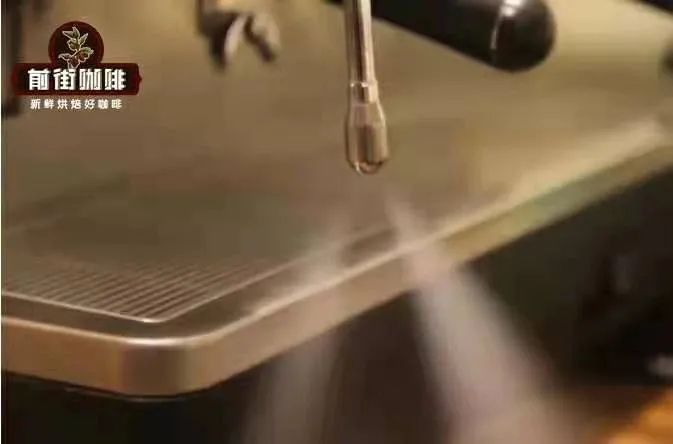
From this we can derive a rule: the amount of foam (its thickness) depends on how much air gets injected — and while air is being injected, the wand makes a paper-tearing "tsst tsst" sound. Those "tsst" sounds are your real-time gauge of how much air is going in.
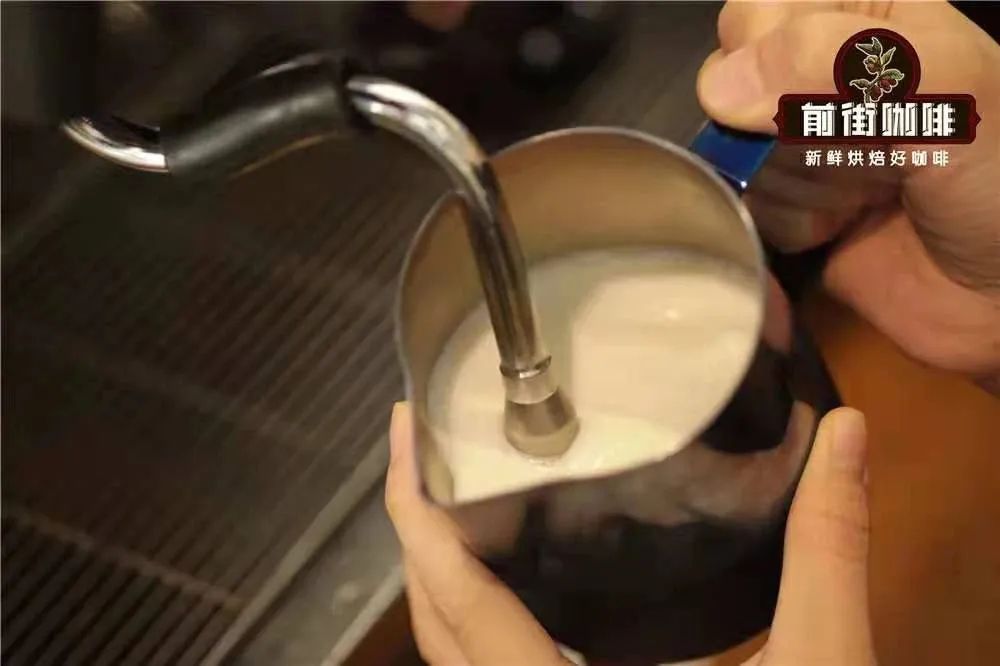
Experiment: How Sound Duration Affects the Foam
Using the same pitcher and the same amount of milk, we compared what happens when the "tsst" phase is shortened or lengthened.
Short "Tsst" Sound
Start frothing and let the milk swirl so the steam tip breaks the surface, producing the "tsst tsst" sound. Here the "tsst" lasted only about 0.5-1 second before the pitcher was lifted to bury the tip and begin texturing, accompanied by a continuous sharp, piercing whistle until the end. The result: foam so thin it was nearly nonexistent, highly fluid, with no visible change on the liquid surface — nearly impossible to pour latte art with, and a texture that feels too light.
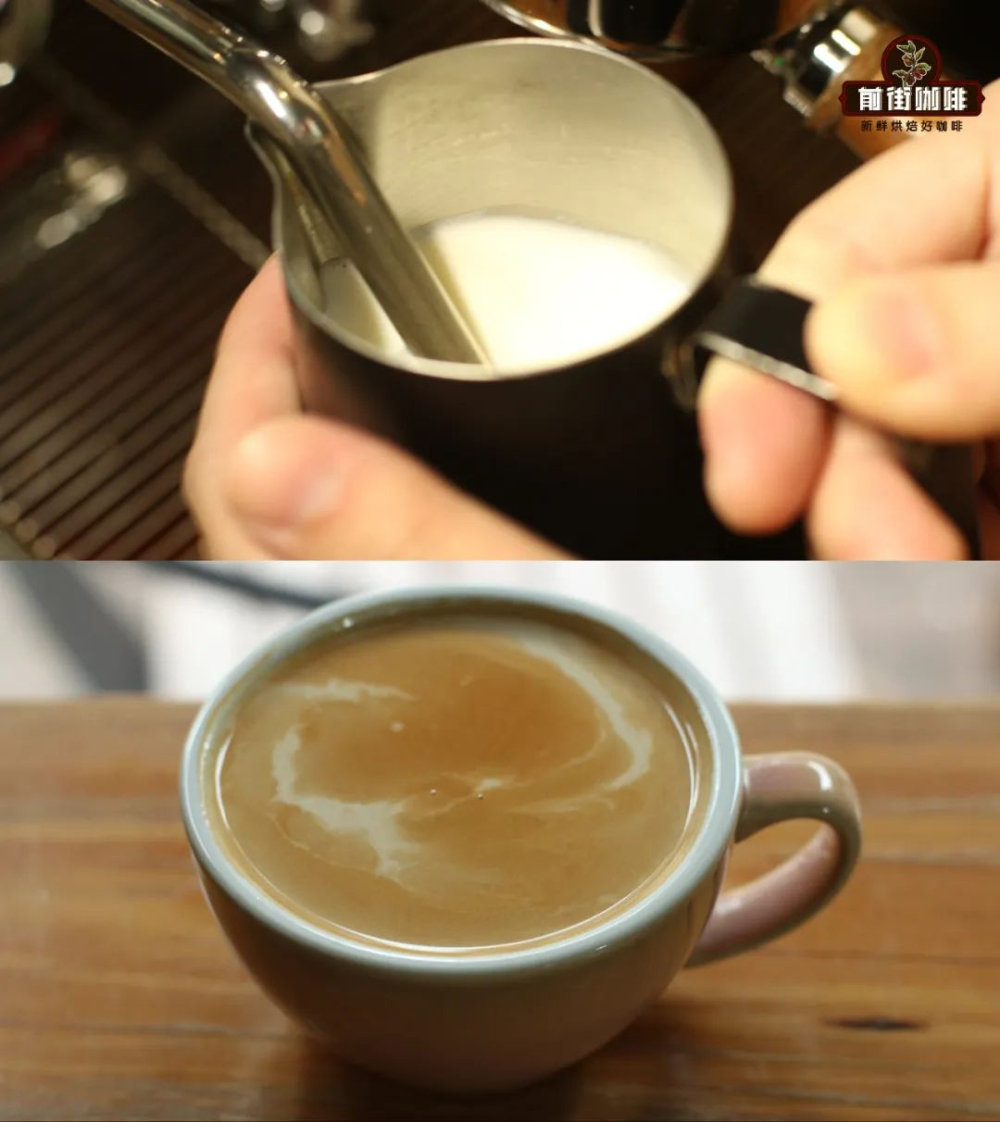
Long "Tsst" Sound
Again start frothing and let the tip break the surface. This time the "tsst" ran for about 7-8 seconds before the tip was buried for texturing, during which a heavy, thick air-intake sound persisted to the end. The verdict: far too much foam. It came out thick with poor fluidity and a relatively coarse texture — closer to cappuccino foam than latte foam — and it separates into layers easily.

Perfect Latte Frothing
For a latte, first find the right angle and position between the steam wand and the pitcher. Start frothing, let the surface swirl with half the tip exposed so air enters, and once the "tsst tsst" has lasted about 2 seconds, bury the tip (not too deep, and not right against the pitcher wall) to begin texturing. A steady, subtle air-intake sound should continue until the milk reaches 55-65°C. The result: fine, smooth, highly fluid foam — perfect for latte art, with just the right body.

Conclusion
In short: the longer the "tsst," the more air is injected and the thicker the foam; the shorter it is, the less air goes in and the thinner the foam. When no air is being injected at all, you'll hear that continuous sharp, piercing whistle instead.

Left: thin foam. Right: thick foam.
So: first find the proper angle between wand and pitcher; then use the presence or absence of the piercing whistle to confirm air is actually being injected, and use the length of the "tsst" to judge how thick the foam is getting. Listen for these cues whenever you practice — they're a huge help. And of course, nothing beats repetition.
- END -
FrontStreet Coffee Recommendation
Silky microfoam is only half of a great latte — the espresso base matters just as much, and FrontStreet Coffee has blends purpose-built for milk drinks. The FrontStreet Coffee Classic Espresso Blend is the first choice: designed specifically for espresso, its standout strength is crema, so even beginners on basic home machines can extract dense, silky foam. Built on the traditional Mandheling-Brazil formula, its mellow, rounded body anchors lattes, cappuccinos, and dirty coffee alike. If you want a latte full of golden crema, the FrontStreet Coffee Commercial Blend (and the Classic) contains a small proportion of Robusta, which supplies extra golden foam and instantly deepens the body and caramel aroma.
For nutty, chocolate-leaning milk coffees, choose the FrontStreet Coffee Signature Blend or Black Cocoa Blend: with Brazil beans in the lead role, they pour out layers of almond, walnut, and hazelnut-like nuttiness with a silky, lingering finish — the Signature pairs Brazil Cerrado with Colombia Huila for that classic espresso character, while the 100% Arabica Black Cocoa keeps quality high at a friendly price. And for a fruitier, more distinctive milk coffee, the FrontStreet Coffee Strawberry Candy — a popular fruit-toned espresso blend that recreates the sweetness of strawberry gummy candy — works beautifully for shops looking to stand out and for home drinkers tired of bitterness.

Important Notice :
FrontStreet Coffee is a long-established specialty coffee roaster in Guangzhou China, selling freshly roasted beans from its own farm in Yunnan as well as dozens of carefully selected single-origin beans from around the world for both pour-over and espresso. The products deliver consistently excellent quality and great value, with shipping within 24 hours. Guangzhou's FrontStreet Coffee shop is recommended by many coffee lovers, and the beans are now available online at the Tmall 。
FrontStreet Coffee has moved to a new address:
FrontStreet Coffee Address: 315,Donghua East Road,GuangZhou
Tel:020 38364473
 Scan and follow the En Gafei WeChat official account. Please indicate that the reprint comes from "En Gafei".

