
Why Does the Used Coffee Bed Split into Two Layers?
Understanding Pour-Over Coffee: The Importance of Circular Pouring
Previously, we covered why circular pouring matters in pour-over brewing: it raises extraction efficiency while keeping water from wandering, guiding it along a defined path for even extraction. When the spent coffee bed forms a "bowl shape" — the grounds on the walls sloping smoothly into the bed at the bottom — it means your flow control during the pour was close to ideal.
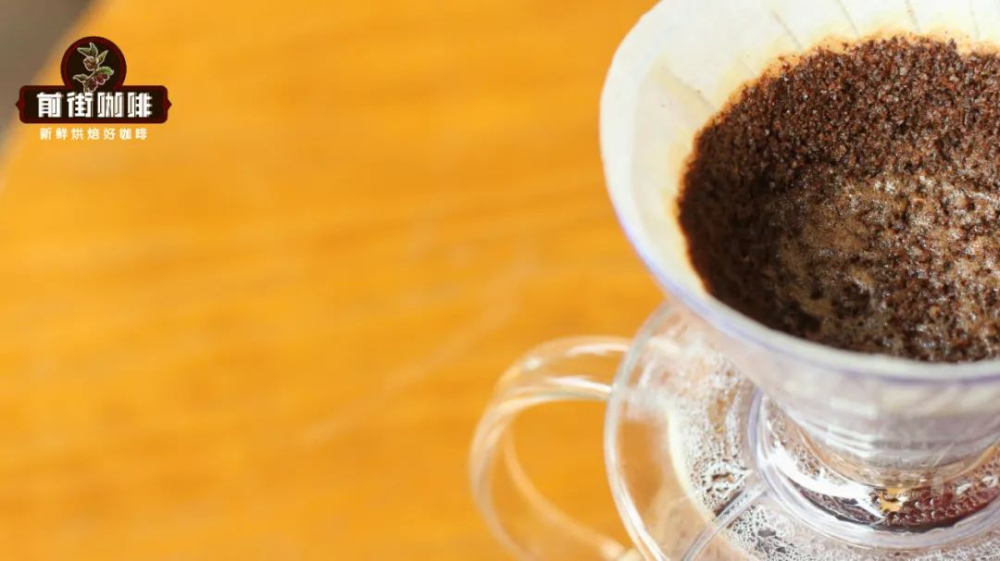
Common Issues with Coffee Ground Beds
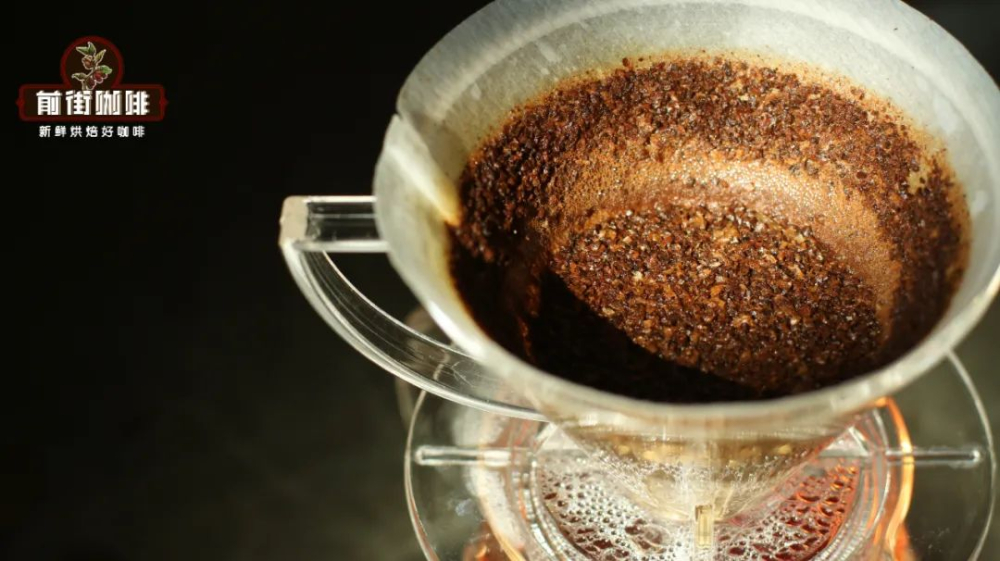
Lately, some beginner brewers have noticed that their coffee tastes off and that the spent grounds look nothing like the tutorials. They asked FrontStreet Coffee what was going wrong. One of these "coffee beds" looked like this: the wall of grounds clinging to the filter cup had clearly broken into two sections, with a thin ring in the middle that held only small bubbles and almost no particles. Some grounds had even been washed down to the bottom, much like the image below.
Understanding the Causes: Pouring Technique Issues
This kind of bed almost always traces back to pouring technique. The wall breaks in two mainly because the water flow is too forceful toward the end of the brew. Picture what happens: after the bloom, you pour the next segment of your target water into the cup, and the stirring action of the water column lifts the grounds wherever the liquid surface touches. As the level slowly drops, those suspended particles stick to the filter paper and build a wall of even thickness.

But once the level falls to about two-thirds of the cup's height, if you impatiently open up a big flow and swing wide circles for the final pour, that powerful column will punch through the wall you've already built. That band of grounds gets washed down, producing the broken look. And if you keep pouring over the broken section, hot water rushes straight through the paper and escapes along the ribs — classic channeling, and therefore uneven extraction. That's exactly why this brew tasted wrong.
Other Common Pouring Issues
Besides a split wall, overly wide circles cause another common problem. These beds look like this:
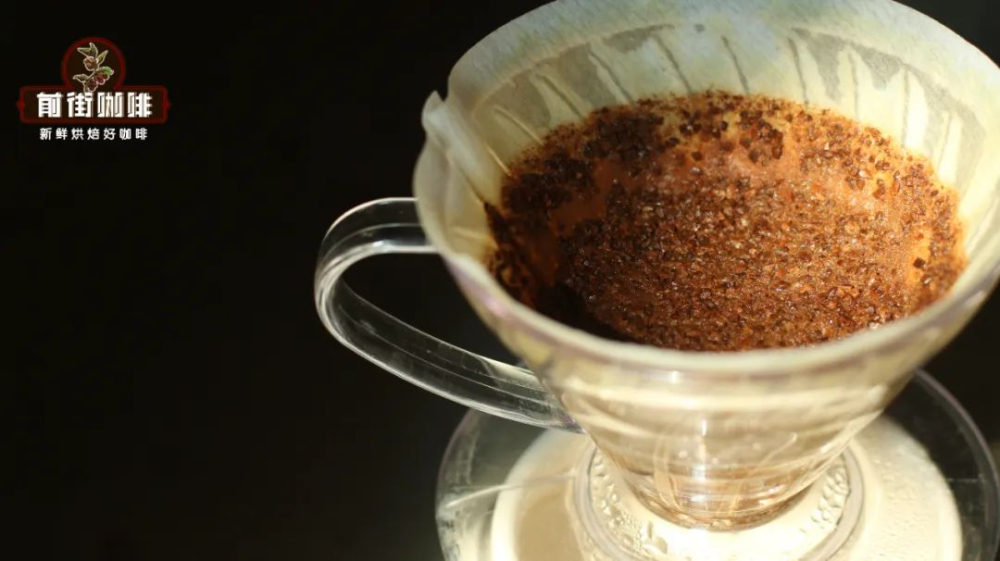
Here, the liquid level in the later stages completely submerges the wall you've built. Even though the water never tops the rim of the grounds, it overflows and drains straight along the ribs, resulting in under-extraction or a drop in strength. Meanwhile, the fines washed down to the bottom can clog the filter paper and cause pooling. The telltale signs: loose particles scattered on the very top of the bed, a total brew time that often stretches past 2 minutes 10 seconds, and a harsh, unpleasant bitterness in the cup.
FrontStreet Coffee's Recommended Techniques
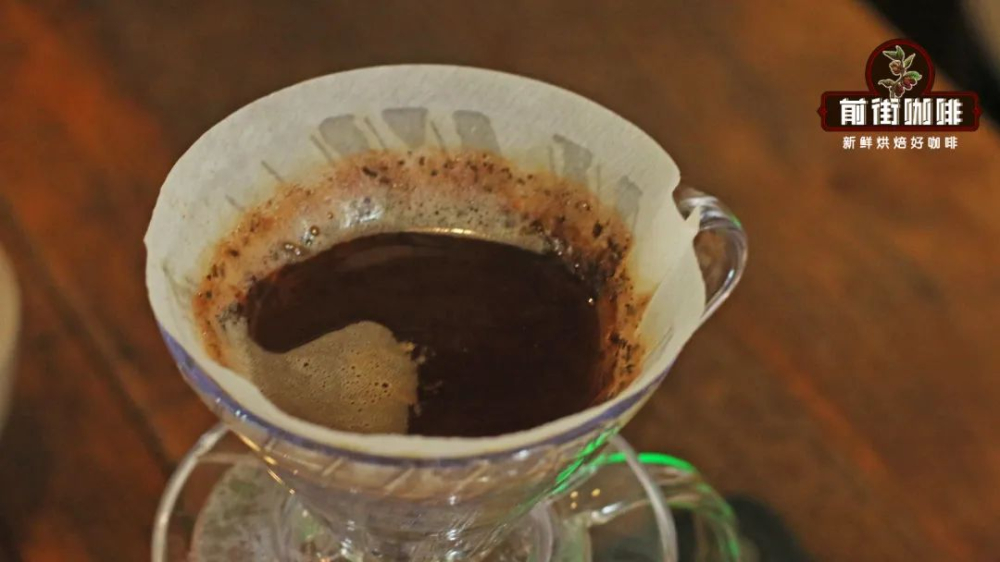
Most brewers run into both of these problems at some point. To improve the taste and sharpen your technique, FrontStreet Coffee suggests mastering flow control the steady way. The higher the pour, the stronger the column's penetration and the more aggressively it agitates the bed; the lower the column, the gentler the force and the less the grounds tumble. With that principle in hand, you can match flow rate and circle size to each stage of the brew.

Take the three-stage method FrontStreet Coffee uses most often. After the bloom, we start with a steady, vertical, generous flow, holding the spout 3-4cm above the liquid surface and circling evenly to rinse the bed. Beginning at the center and spiraling outward clockwise, we keep widening the circles until the scale reads 125 grams.
As the level rises, fewer grounds can adhere to the paper. Once the water drops to about half, switch to small concentric circles — roughly half the radius of the liquid surface — poured gently from a height of just 2cm. This way every particle in the cup gets equal attention, flavor compounds are released fully, and the wall you built earlier stays intact instead of collapsing into uneven extraction.
FrontStreet Coffee Recommendation
If you're dialing in your flow control on a V60, the beans you choose matter just as much as technique. FrontStreet Coffee suggests a few from our own roster that suit this high-clarity brewing style:
FrontStreet Coffee Yirgacheffe Guodingding (Ethiopia) — A light-roast washed classic and many coffee lovers' first step into specialty pour-over. Expect bright citrus and berry notes, distinct florals, and a green-tea-like sweet finish. Its gentle, fruity acidity — never harsh — makes it very forgiving for brewers still refining their technique.
FrontStreet Coffee Ethiopia Huakui (Hambela) — One of the most celebrated stars of the specialty market in recent years. Its tropical fruit character is striking: strawberry, passion fruit, jackfruit, even lychee. With pronounced sweetness, minimal bitterness, and a smooth, juice-like body, it shines in the V60's fast, aromatic extraction style.
FrontStreet Coffee Panama Esmeralda Red Label Geisha — The legend of the specialty world. Elegant jasmine florals layered over citrus, bergamot, and delicate black-tea notes, with a clean, transparent cup and a long, refined finish. It rewards careful pouring with exceptional clarity and complexity — the ultimate showcase for a well-executed brew.
FrontStreet Coffee

Important Notice :
FrontStreet Coffee is a long-established specialty coffee roaster in Guangzhou China, selling freshly roasted beans from its own farm in Yunnan as well as dozens of carefully selected single-origin beans from around the world for both pour-over and espresso. The products deliver consistently excellent quality and great value, with shipping within 24 hours. Guangzhou's FrontStreet Coffee shop is recommended by many coffee lovers, and the beans are now available online at the Tmall 。
FrontStreet Coffee has moved to a new address:
FrontStreet Coffee Address: 315,Donghua East Road,GuangZhou
Tel:020 38364473
 Scan and follow the En Gafei WeChat official account. Please indicate that the reprint comes from "En Gafei".

