
Can Single-Origin Pour-Over Coffee Beans Be Used for Espresso? What is SOE and How to Make It?
Using Single-Origin Coffee Beans for Espresso: A Comprehensive Guide
A group of coffee enthusiasts likes to load pour-over single-origin beans into an espresso machine to broaden the flavor of espresso. The idea is entirely workable — after all, that is exactly what SOE (Single Origin Espresso) is. It just tends to be a little more expensive.
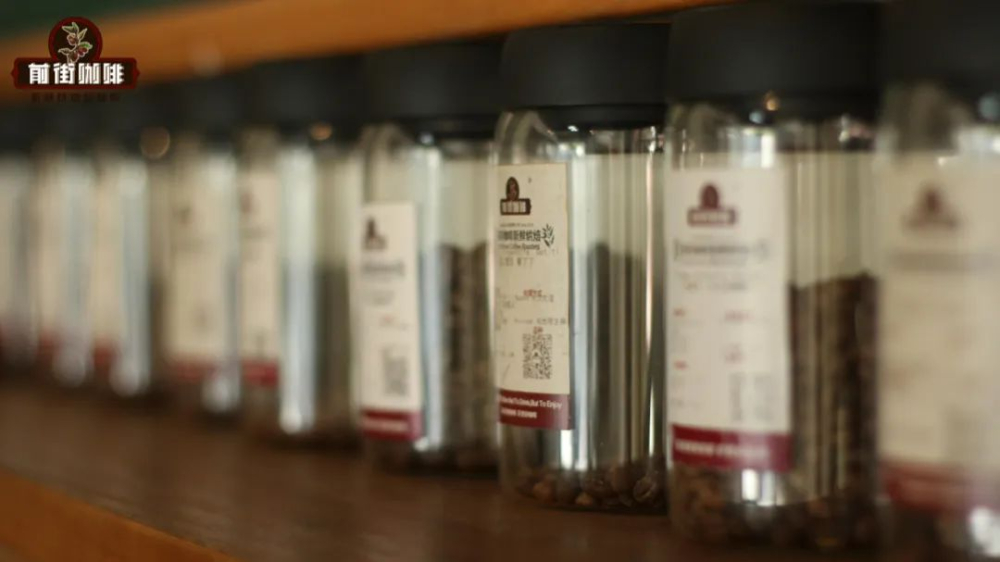
What many people overlook, though, is how difficult pour-over single-origin beans are to extract. From a 227 g bag you might get only one enjoyable cup. Except for beans like Mandheling that sit close to an espresso dark roast, most conventional single-origin roasting levels fall within the medium-light range. Beans at that level not only demand careful grind-size adjustment; the taste of the espresso itself is a hard obstacle to clear. The result is often just one drinkable cup from an entire bag, and sometimes none at all. So how can you pull properly flavored espresso while using as few pour-over single-origin beans as possible?
How to Make Espresso with Single-Origin Coffee Beans
Even dark roast beans taste sharp and acidic when under-extracted, let alone medium-light beans with abundant acidity. After pressurized extraction in an espresso machine, the acidic compounds in the beans are concentrated into one small cup, making it intensely acidic. If you are a beginner, it is hard to tell whether that is the bean's inherent flavor or sharp acidity from under-extraction.
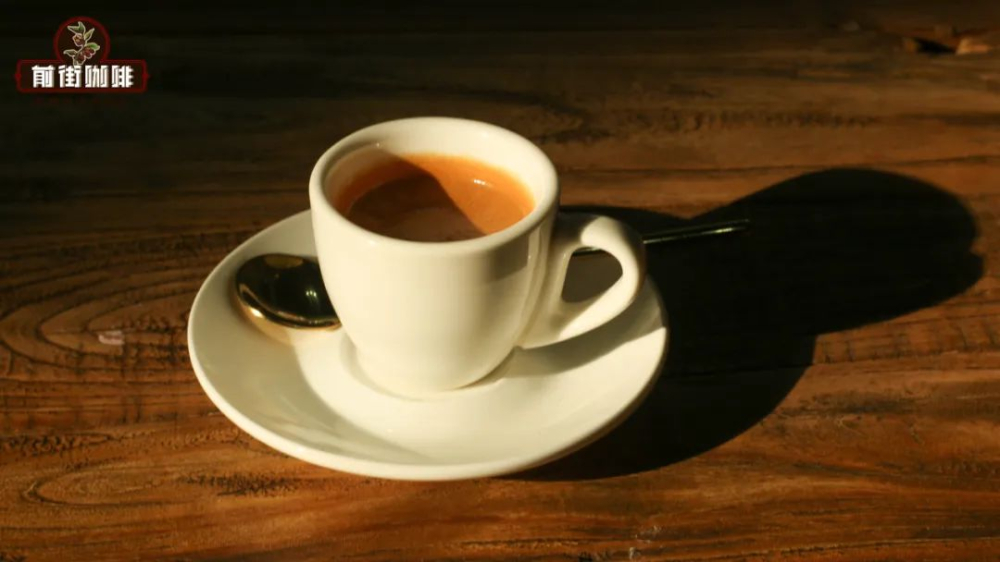
So start by bringing the extraction parameters back inside espresso principles. The principle of espresso extraction applies to every roast level: a coffee-to-liquid ratio of 1:2, with a time between 25 and 35 seconds. When the values land in this range, under-extraction is rare, which greatly increases your margin for error. From there, make small flavor adjustments around these parameters and you will quickly reach the espresso you want.
1. Adjusting Grind Size
When you switch from medium-dark beans to medium-light beans, the first big challenge is grinding. Apply your dark-roast espresso grind setting to light-medium single-origin beans and you will see the coffee liquid pour down like a fountain, hitting the target volume in about 10 seconds.
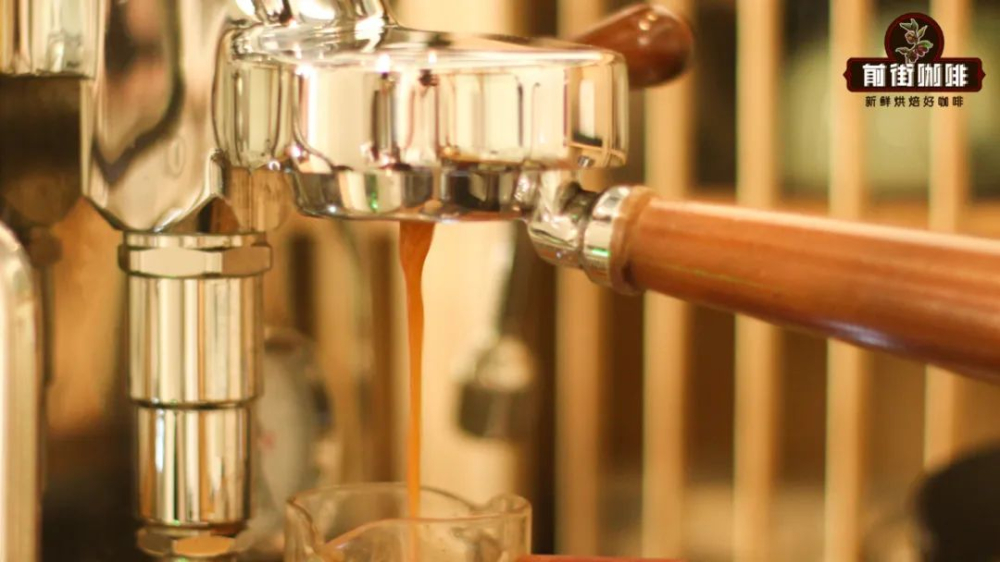
The reason is that single-origin beans are lighter roasted and harder in texture, so the gas expansion caused by hot water is not as high as with dark roast beans. Resistance naturally drops and water passes through the gaps quickly — which, as you can imagine, inevitably leads to under-extraction. So the first step is to adjust the grind. To give light roast beans sufficient extraction, the setting needs to go finer, so hot water penetrates more slowly and the target extraction rate is reached.

For example, FrontStreet Coffee uses the Galileo Q18 grinder. When switching from the medium-dark Warm Sun Blend to medium-light beans, two notches finer does the job (switching from a dark roast to medium-light takes at least four notches). Then fine-tune against the target extraction time, one notch at a time, until you land within the desired range.
2. Adjusting Dose
Without changing the grind and at the same dose, the puck of medium-light beans is smaller than that of dark roast beans. Adjust the grind finer and the medium-light puck shrinks even more. The reduced volume leaves a larger gap between the puck and the shower screen. During extraction that excessive gap increases the impact of the water, and in severe cases causes channeling. A too-thin puck also shortens the time water needs to pass through, raising the flow rate.
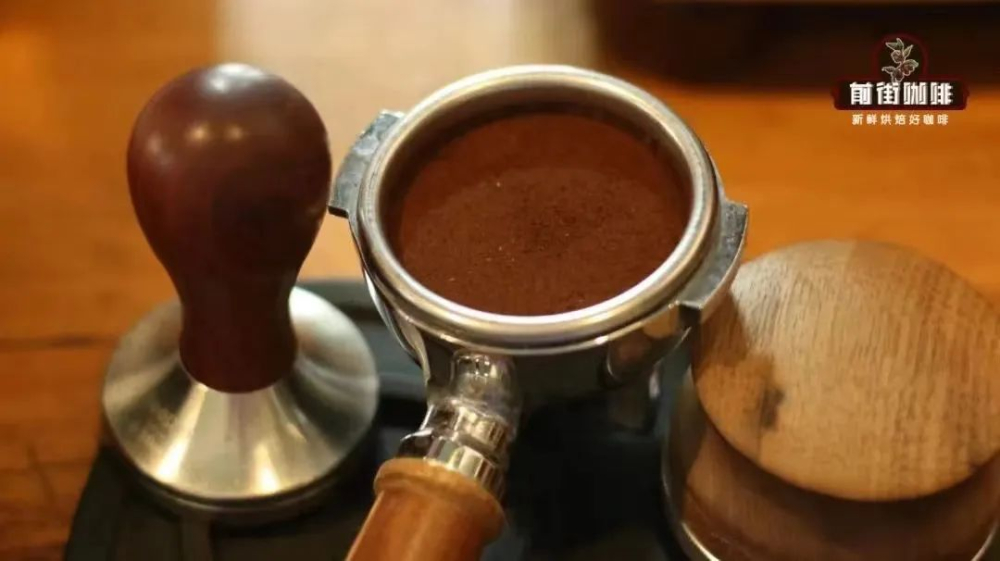
So increase the dose appropriately. Because medium-light beans are ground into smaller particles, you can use a dose above the portafilter's nominal capacity. For instance, a puck that reaches the portafilter's ridge line when tamped would be 20 g for a dark roast, while medium-light beans need a 21 g dose to reach that same ridge line.
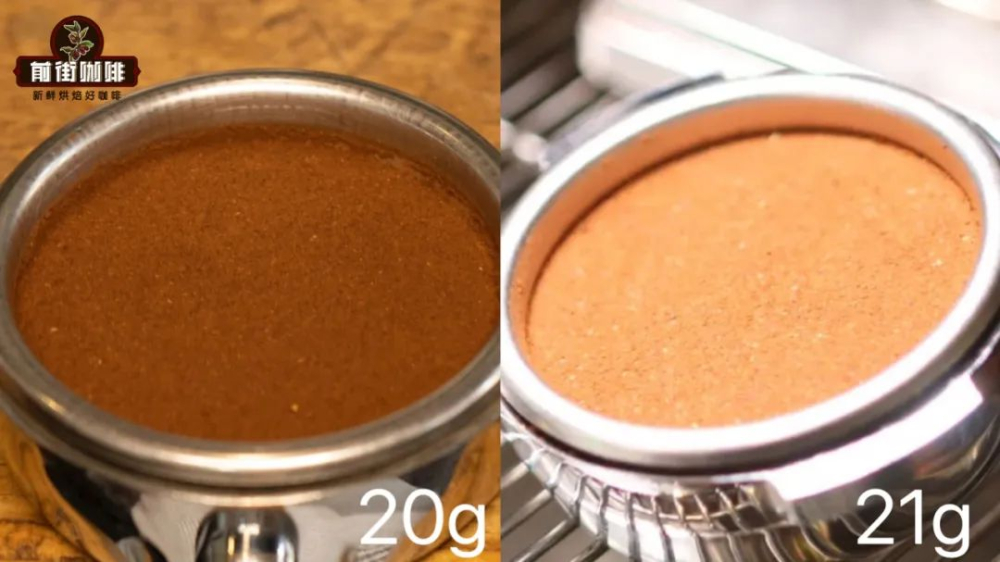
Once these adjustments are made and all values meet the extraction template but the espresso still shows negative flavors — sharp acidity, bitterness and so on — make minor adjustments to dose, liquid weight or pressure to reach the best drinking experience. (If you are only experimenting, you can ignore this part.)
What About Using Pour-Over Coffee Beans for Espresso?
As noted at the start, medium-light beans contain more acidity, so the extracted espresso has very rich acidic flavors and a relatively thin crema. They are, however, very suitable for Americanos: the acidity is bright and full-bodied and refreshing, with high sweetness in the middle and late stages. With light roast beans that have rich floral aromas, the Americano gains even more complex layers.
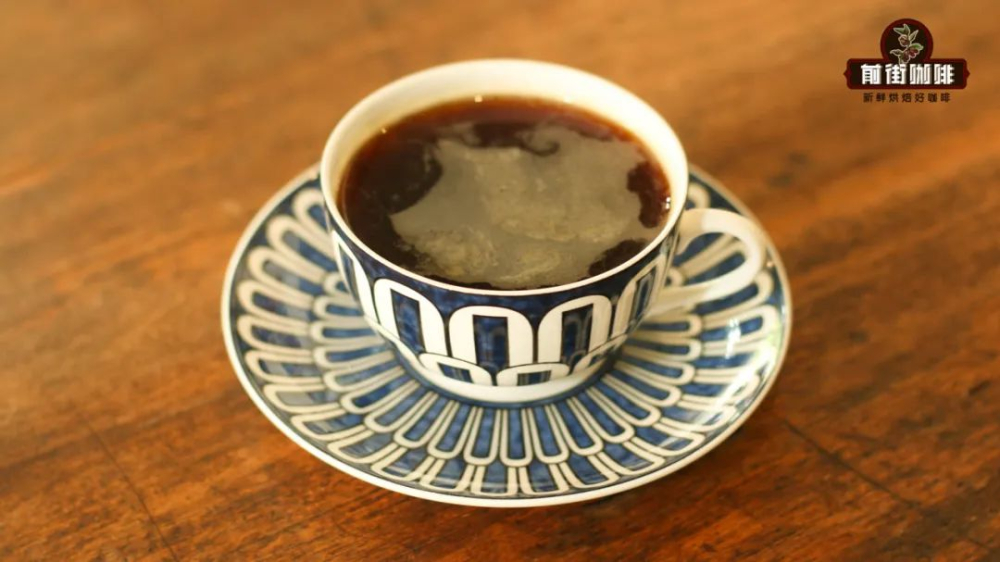
They are not, though, very suitable for milk-based drinks. Medium-light coffee is mainly about fresh flavors like acidity and florals, which will either be masked by the milk — which may actually suit people who drink less coffee — or clash with it, since acidity does not pair well with milk and can create an odd taste.
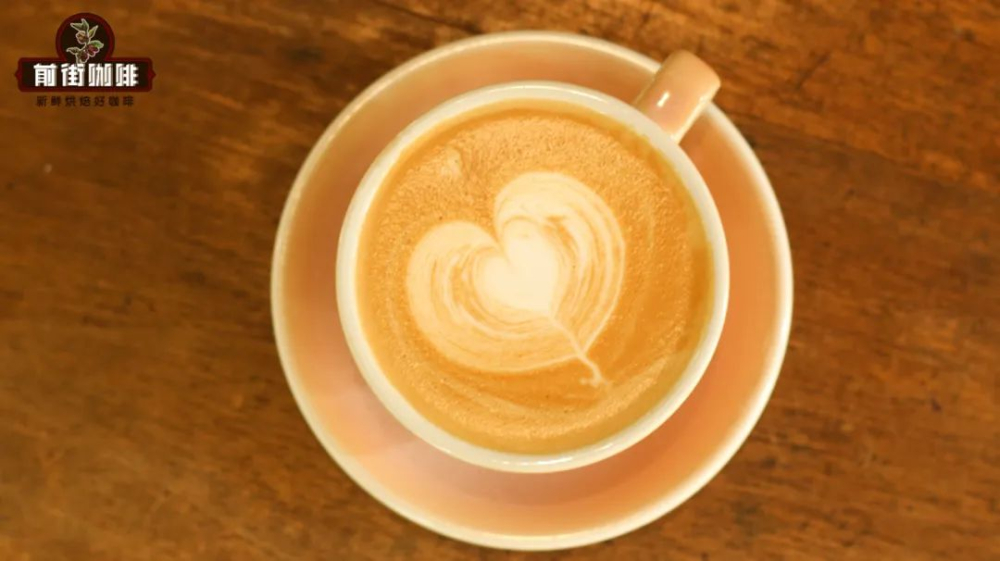
If you are a fan of milk-based drinks, then, we recommend anaerobic pour-over beans, because their flavors are more defined and prominent and will not be so easily masked by milk.

Conclusion
In short, using pour-over beans to make espresso can be a very good experience — it is essentially SOE. FrontStreet Coffee suggests keeping a record of all the data from each attempt, so next time you want to brew espresso with similar beans you can apply that template directly and fine-tune it.
FrontStreet Coffee Recommendation
As the article notes, the beans closest to an espresso-friendly dark roast are the classic Mandheling. FrontStreet Mandheling comes from Sumatra, Indonesia, and is usually roasted medium-dark to soften the acidity and play up its rich, full-bodied character. FrontStreet Lintong Mandheling and FrontStreet PWN Golden Mandheling come from the Lintong and Aceh regions of Sumatra respectively, both medium-dark roasts intended to show black chocolate and caramel while keeping Mandheling's wild, herbal aroma — a character that grows out of its environment and its processing.
For the highest grade of wet-hulled coffee, FrontStreet PWN Golden Mandheling is the first choice. PWN mainly buys high-quality Mandheling green beans and then sorts them, turning out specialty-grade lots; Golden Mandheling is its flagship. The beans are even and plump, large and translucent, with a low defect rate. After medium-dark roasting they carry a rich roasted aroma, and the brewed black coffee has a clean taste and a full, rounded body — ideal for anyone who dislikes acidic coffee. The wet-hulled process itself, unique to Sumatra, creates that heavy body with distinctive earthy and herbal notes; it developed because Sumatra's rainy season overlaps with the harvest, making washed and sun-dried processing impractical for ordinary farmers.
To brew Golden Mandheling by pour-over, use water at 87-88°C, 15 g of coffee, a 1:15 ratio, a coarse-sugar grind, and a three-stage pour, which best expresses the rounded body and the caramel sweetness. Bloom with 30 ml of water, then pour to 100 ml to lift the golden foam and the coffee bed, then finish with a gentle 95 ml centered pour to raise the sweetness and bring out chocolate and nuts.
If you want to use Mandheling on an espresso machine, FrontStreet Classic Blend is a favorite. It builds on the creamy nut flavor of Brazilian coffee with medium-dark Mandheling, making butter, roasted chestnut and caramel especially prominent. The Mandheling lifts the body of the whole cup and lends sandalwood, herbal and spice notes, while a small amount of Robusta boosts the richness of the crema — making latte art, or a layered Dirty, effortless.
Important Notice :
FrontStreet Coffee is a long-established specialty coffee roaster in Guangzhou China, selling freshly roasted beans from its own farm in Yunnan as well as dozens of carefully selected single-origin beans from around the world for both pour-over and espresso. The products deliver consistently excellent quality and great value, with shipping within 24 hours. Guangzhou's FrontStreet Coffee shop is recommended by many coffee lovers, and the beans are now available online at the Tmall 。
FrontStreet Coffee has moved to a new address:
FrontStreet Coffee Address: 315,Donghua East Road,GuangZhou
Tel:020 38364473
 Scan and follow the En Gafei WeChat official account. Please indicate that the reprint comes from "En Gafei".

