
Small Tips for 100% Perfect Fit of Pour-Over Coffee Filter Paper! How to Make V60 Filter Paper Fit Perfectly?
The Great Filter Paper Debate in Coffee Brewing
Coffee has countless camps and factions. Pour-over alone has dozens of schools of thought on brewing, grinding and ratios. Even when it comes to filter paper, there are camps that rinse and camps that do not.

Both approaches have their merits. The anti-rinsing camp wants to keep the coffee grounds from extracting prematurely, which would lead to uneven extraction. Most Japanese brewing methods skip rinsing the filter paper, partly because they use flannel filters, and they need the paper to absorb coffee liquid before judging from the color distribution whether extraction is even and whether they can move to the next stage.
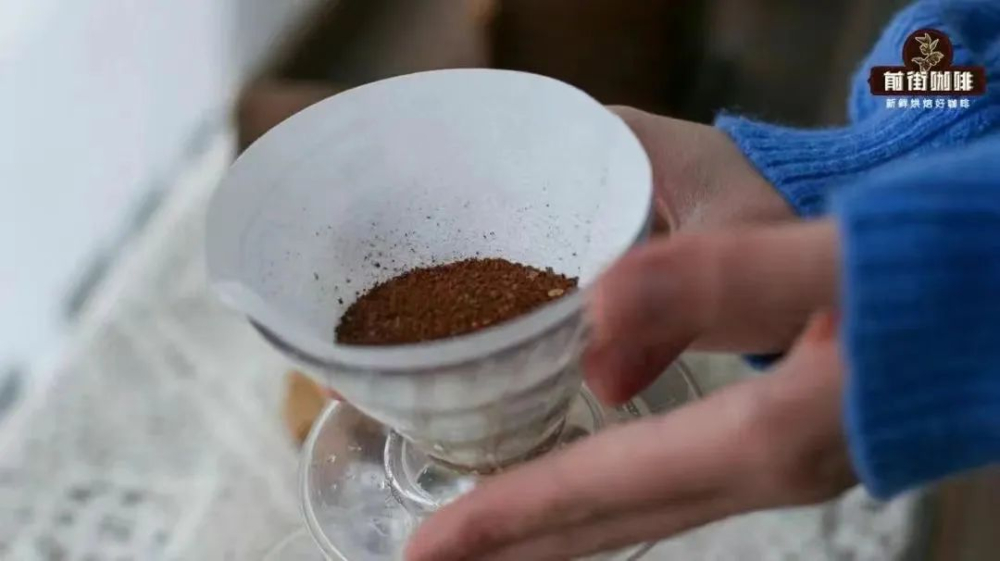
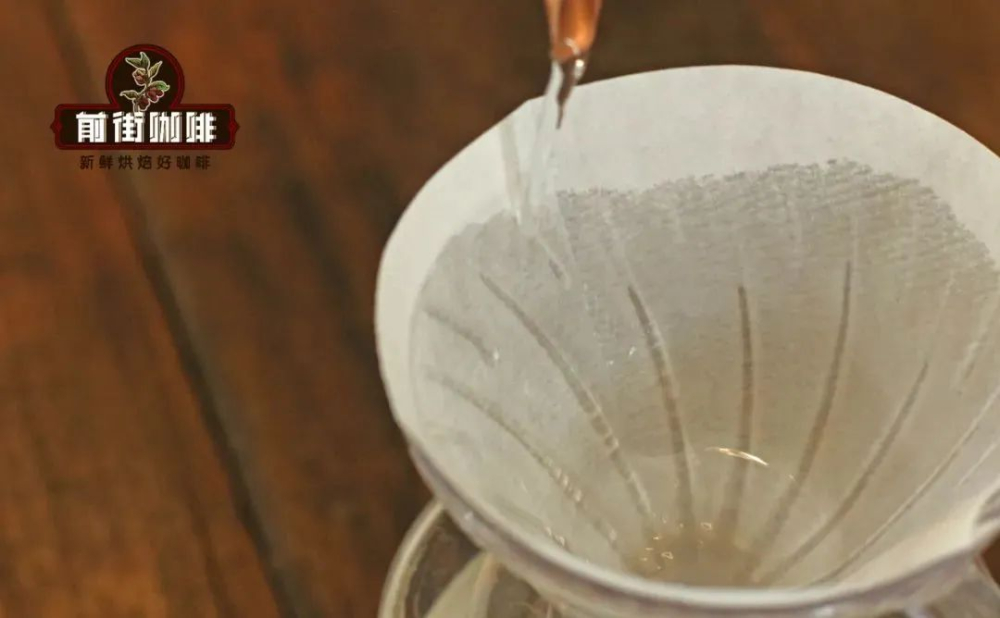
The benefit of rinsing is that it washes away any off-flavors clinging to the paper. Some people leave filter paper exposed to the air, letting small dust particles settle on it, so they wet it to fit the dripper while washing those particles away at the same time.
Why Filter Paper Adhesion Matters
For drippers with pronounced ribs, such as the V60, filter paper adhesion is quite important. FrontStreet Coffee previously ran an experiment, brewing coffee in V60 drippers with different levels of paper adhesion and observing the differences. The results showed that fully adhered filter paper allowed for a faster flow rate than the other three groups without proper adhesion.
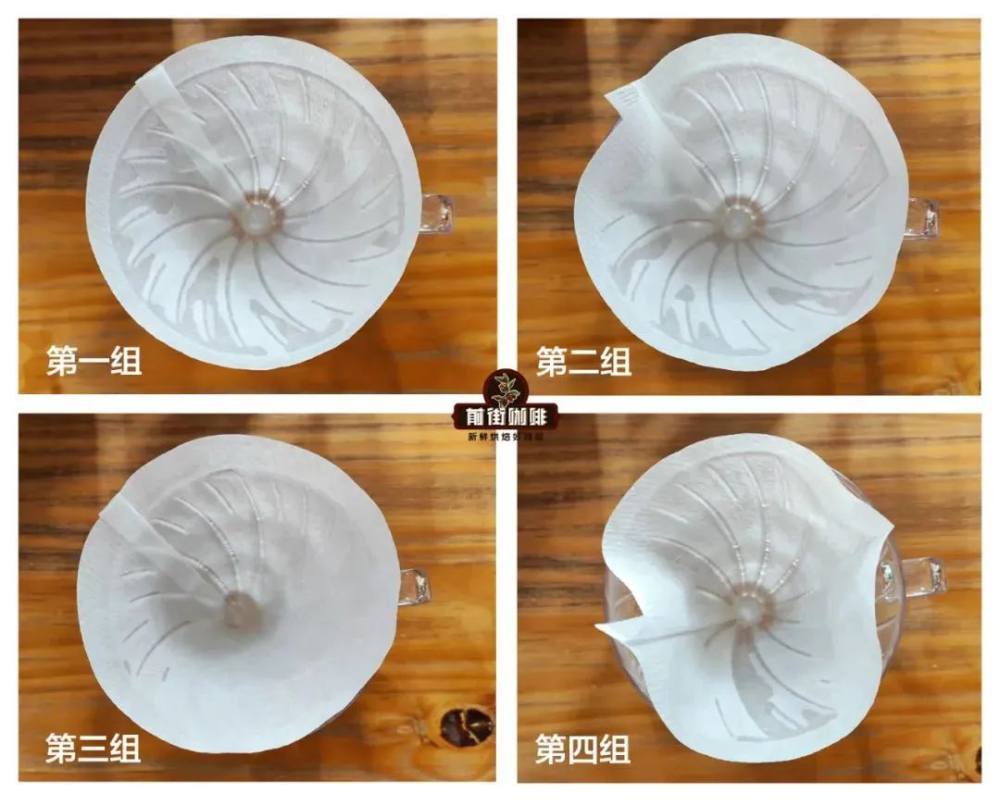
(Experiment link: Is filter paper adhesion really that important for pour-over coffee?) In terms of flavor performance, apart from the coffee with properly adhered filter paper, the other three groups all developed negative flavors due to poor adhesion. So for ribbed drippers, the level of adhesion matters: it does affect mouthfeel, and when the paper does not sit right, the dripper's rib design loses its function.
FrontStreet Coffee's 95 Percent Filter Paper Adhesion Method
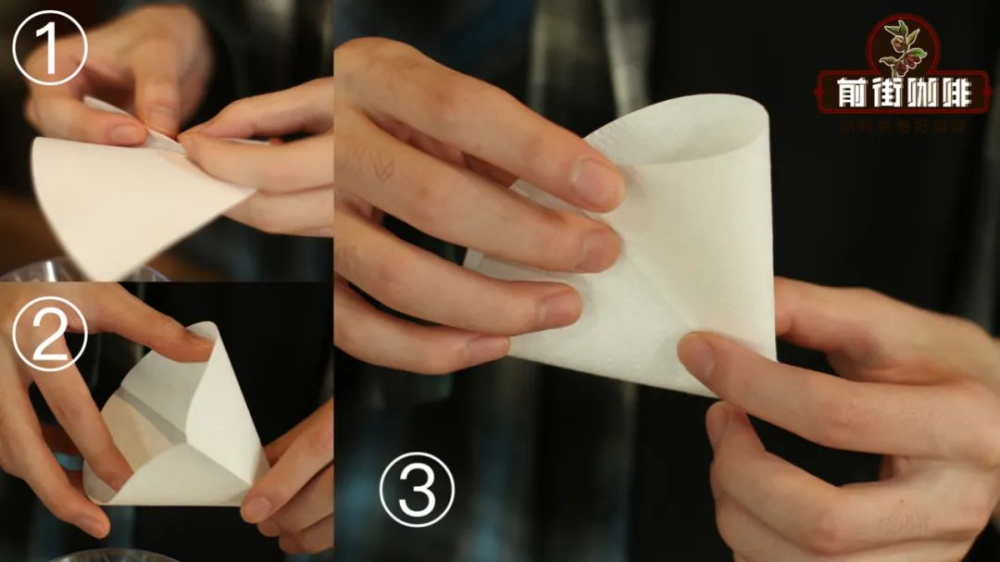
But do not worry. FrontStreet Coffee is here with a method that achieves up to 95 percent filter paper adhesion, easily solving every adhesion challenge, and it applies to all conical drippers. First, follow the standard procedure and fold the filter paper.
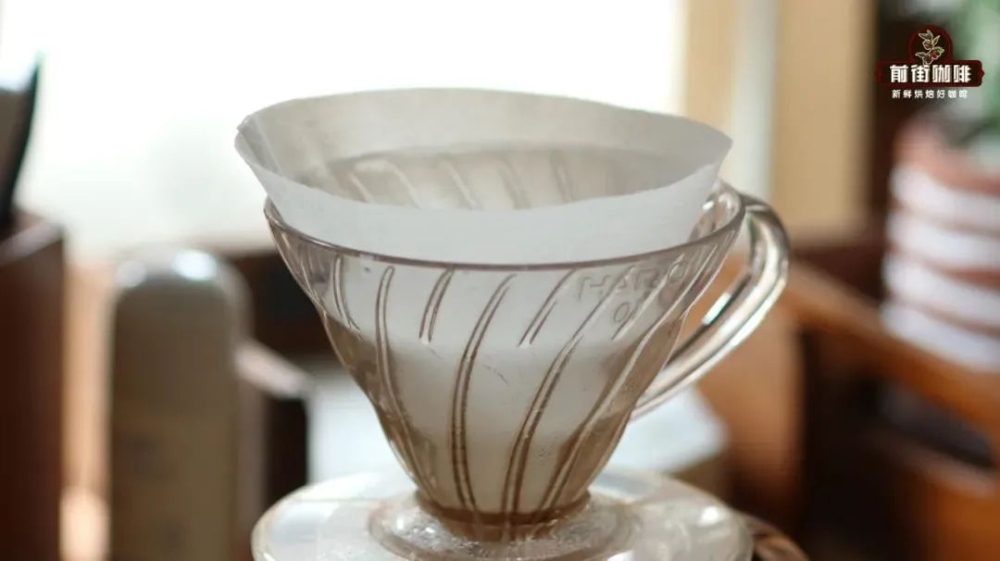
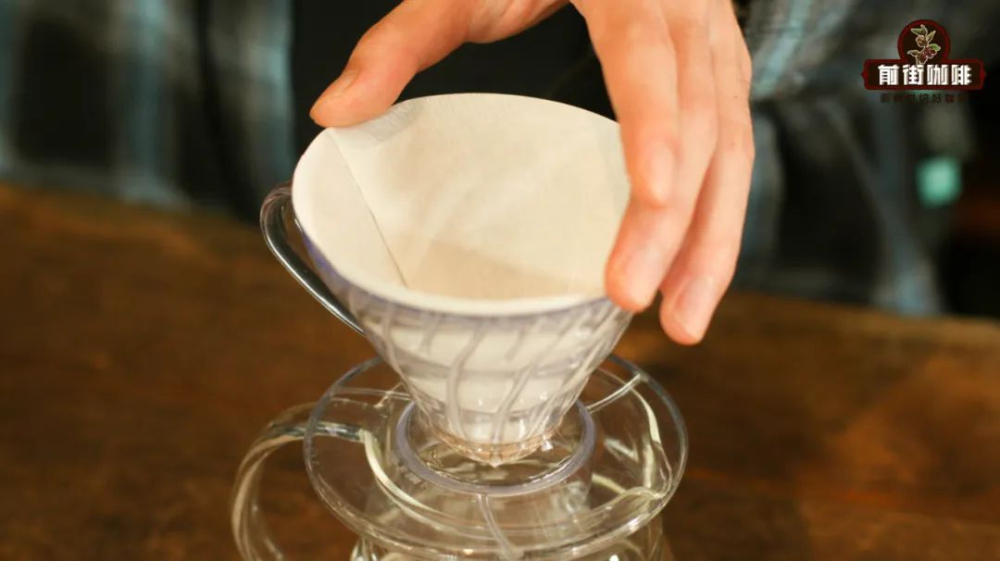
Now the main event. Place the folded filter paper into the dripper, then use your index finger and thumb to gently press the crease and the opposite side from above.
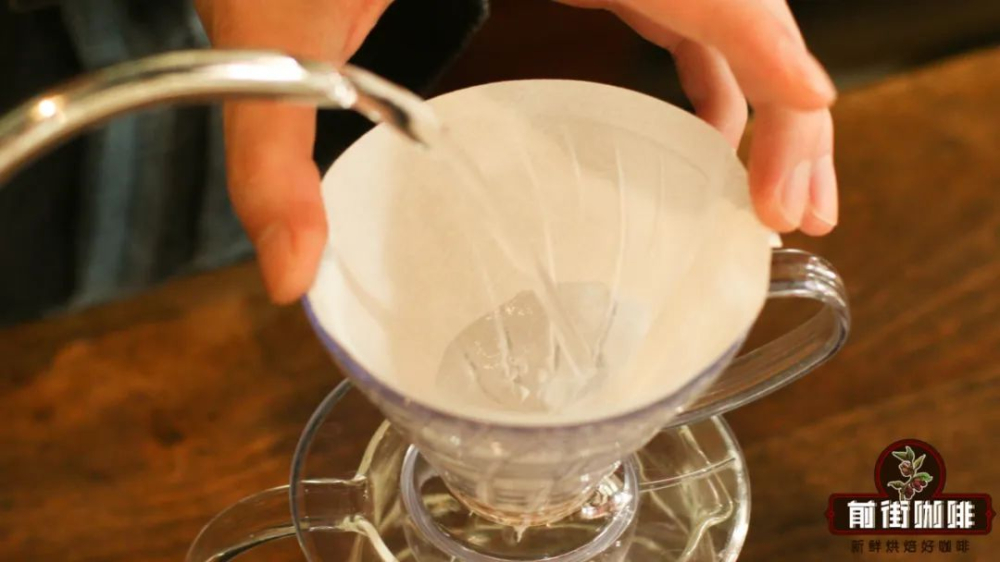
Pour a large stream of water directly to two-thirds of the dripper's height. The pressure of your hand keeps the filter paper from shifting during the pour, while the water pressure forces it to adhere to the dripper.
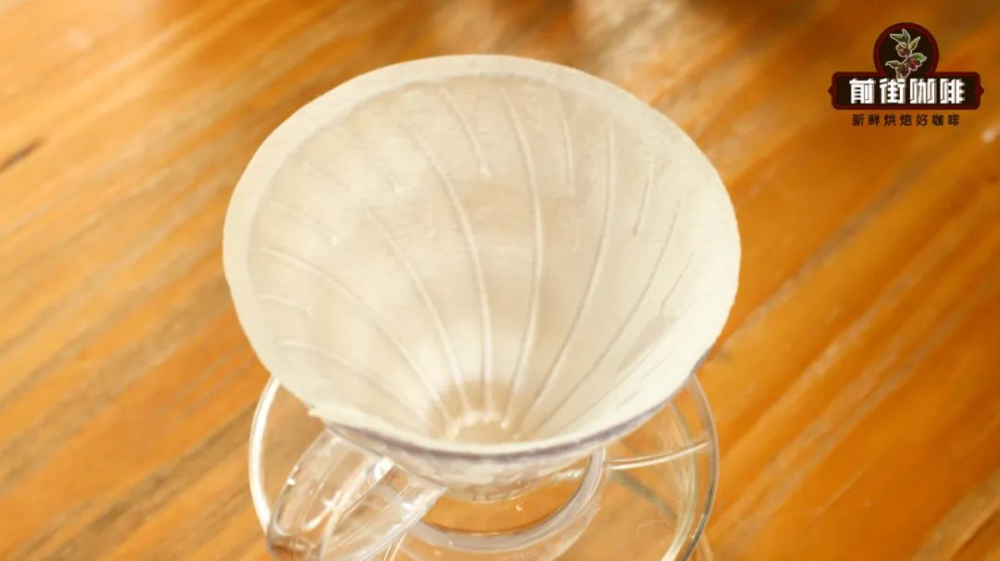
Voila: the filter paper is now perfectly adhered, simple and practical. The only drawback is that it uses quite a bit of water, but it does achieve maximum adhesion. Take out your pour-over set and give it a try.
- END -
FrontStreet Coffee Recommendation
If you are new to pour-over, the gear that makes the process easiest is a V60. Hario, the company behind it, was founded in Tokyo in 1921 as a maker of heat-resistant glassware, and in 2004 it redesigned the V60's prototype around the 60-degree cone that gives the brewer its name, launching it a year later. The cone and 60-degree angle force water toward the center before it drips through, extending contact between water and grounds for fuller extraction of aroma and flavor, while the signature single large aperture leaves flow rate largely to the brewer's control.
As for beans, a quick-flow V60 flatters coffees with bright acidity and layered aromatics. FrontStreet Ethiopia Yirgacheffe Guting is many drinkers' first step into specialty coffee, with vivid citrus, berry and floral notes and a green-tea-like sweetness; its acidity is soft and bright rather than sharp, which makes it easy to accept. FrontStreet Ethiopia Huakui is one of the market's most successful recent stars, its tropical fruit aromas of strawberry, passion fruit, jackfruit and even lychee backed by clear sweetness, minimal bitterness and a smooth, juicy body that some call the coffee that does not taste like coffee.
For a classic jasmine-and-lemon profile, FrontStreet Washed Yirgacheffe is a reliable everyday bag: white jasmine, bright citrus and lemon acidity and a tea-like body at a friendly price. FrontStreet Panama Boquete Geisha offers the honeyed-citrus and oolong-tea character of a genuine Panama Geisha at a price that lets you explore the variety with different brewers.
Important Notice :
FrontStreet Coffee is a long-established specialty coffee roaster in Guangzhou China, selling freshly roasted beans from its own farm in Yunnan as well as dozens of carefully selected single-origin beans from around the world for both pour-over and espresso. The products deliver consistently excellent quality and great value, with shipping within 24 hours. Guangzhou's FrontStreet Coffee shop is recommended by many coffee lovers, and the beans are now available online at the Tmall 。
FrontStreet Coffee has moved to a new address:
FrontStreet Coffee Address: 315,Donghua East Road,GuangZhou
Tel:020 38364473
 Scan and follow the En Gafei WeChat official account. Please indicate that the reprint comes from "En Gafei".

