
Why Can't You Taste the Flavors on the Coffee Bag? How to Appreciate Pour-Over Coffee Flavors?
Understanding Coffee Flavor Notes
The colorful flavor descriptions printed on coffee bags always hook beginners, who excitedly order a cup expecting exactly what the label promises. Then comes the first sip, and something doesn't quite add up.

The bag says citrus and pineapple, so why do you only taste sourness? Are those flavor notes a scam? Not really — you simply haven't yet learned how to identify them. And the simplest way to learn is, quite literally, to drink more coffee.
"Drink more" is FrontStreet Coffee's standard answer when friends ask how to quickly train their palate. Only through repetition do you build a mental library of coffee's flavor characteristics. As your tasting experience accumulates, distinguishing flavors becomes second nature.
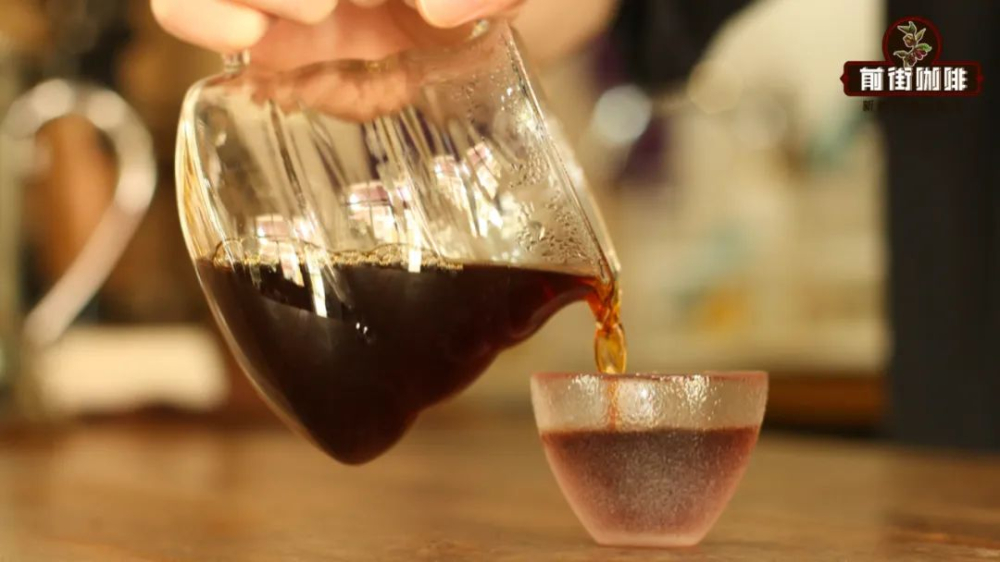
Even if you take a professional sensory course, you still need to keep tasting afterward to fill out your flavor library and sharpen quick recognition. Courses mainly organize knowledge and calibrate your senses — in the end, it always comes back to drinking more coffee. That said, many people drink plenty of coffee and still can't identify flavors, because they've missed the point of "drinking more." It doesn't mean chugging cup after cup. It means analyzing every sip, paying attention to what you actually perceive. Only then can you understand how different sensations combine into a flavor. Here's how FrontStreet Coffee suggests beginners use the act of "drinking coffee" to learn flavor identification.

1. Identify the Attributes of Taste
Flavor identification takes long-term practice, so if you're a beginner trying to name specific flavors in your very first cup, you're setting yourself up for disappointment. You could drink ten cups and still come up empty. So set aside the end goal for now and work step by step: start by training yourself to describe the character of what you're tasting.
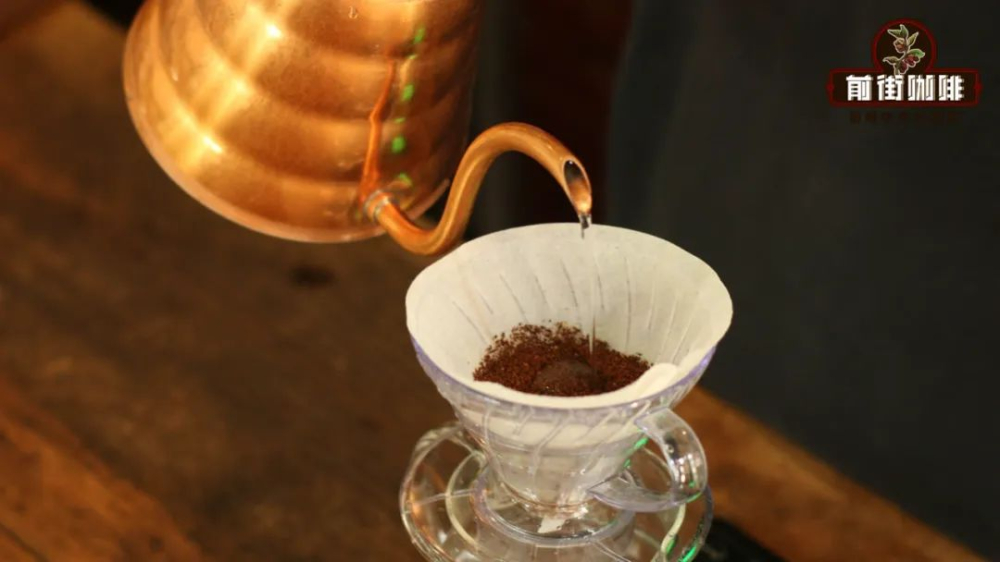
Taste refers to what your taste buds perceive: sour, sweet, bitter, salty, and umami. The "character" of taste is the state those sensations take. Ethiopian beans are a good example — their acidity is usually prominent, but it changes with cultivation, processing, roasting, and brewing. It might be the bright, fruity sweet-tartness of ripe fruit, a gentle mild acidity, the vinegary edge of over-fermentation, or the sharp bite of under-extraction. Those are all different characters of sourness.

Mandheling works the other way. Coffee brewed from Mandheling carries a distinct bitterness, and its character varies too — it can be punchy, pleasant, harsh, astringent, faintly sweet, or leave a sweet aftertaste. Each time you drink, try to name the character of what you taste. Once you can do that reliably, you're ready for the next step: combining sensations into flavors.
2. Understanding Flavor
Why separate taste out first? Because what we call "flavor" is really taste plus aroma, and aroma supplies most of what we perceive as flavor. People describe coffee flavors using foods mainly because we can smell those same aromas in the cup; it also helps someone who has never tried a particular bean get a rough idea of its profile. Our flavor descriptions for coffee are, in essence, borrowed from the food aromas of everyday life.
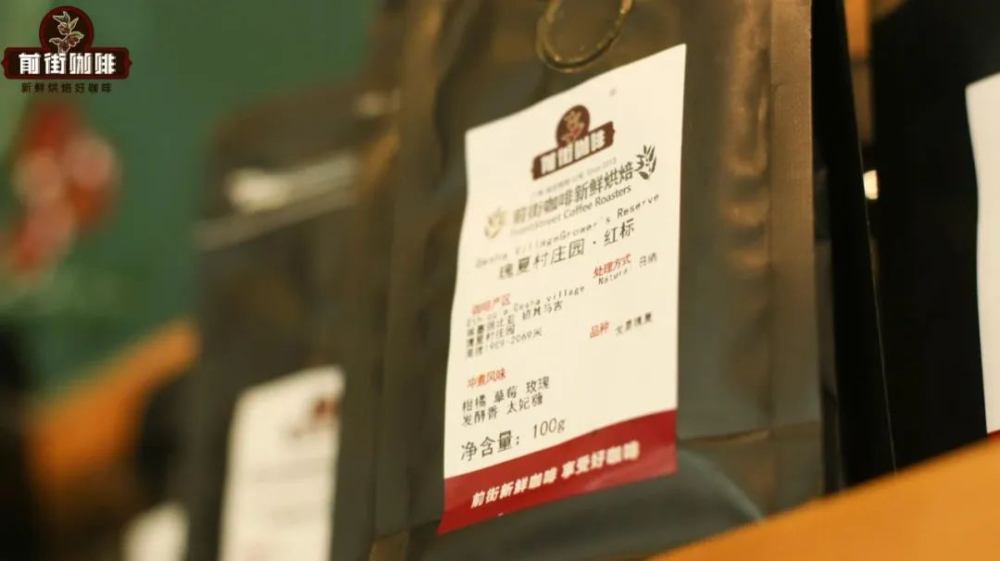
Take citrus, the note that shows up on nearly every Ethiopian coffee bag. Break it down: on the taste side, there's a rounded, sweet-tart quality similar to citrus; on the aroma side, there's the fragrant character of citrus peel. Together, they form "citrus flavor." The same logic applies to that pineapple note — a full, sweet-tart body combined with pineapple-like aromatics creates the impression of pineapple. Follow this line of thinking as you drink, and you'll unlock far more in every cup.
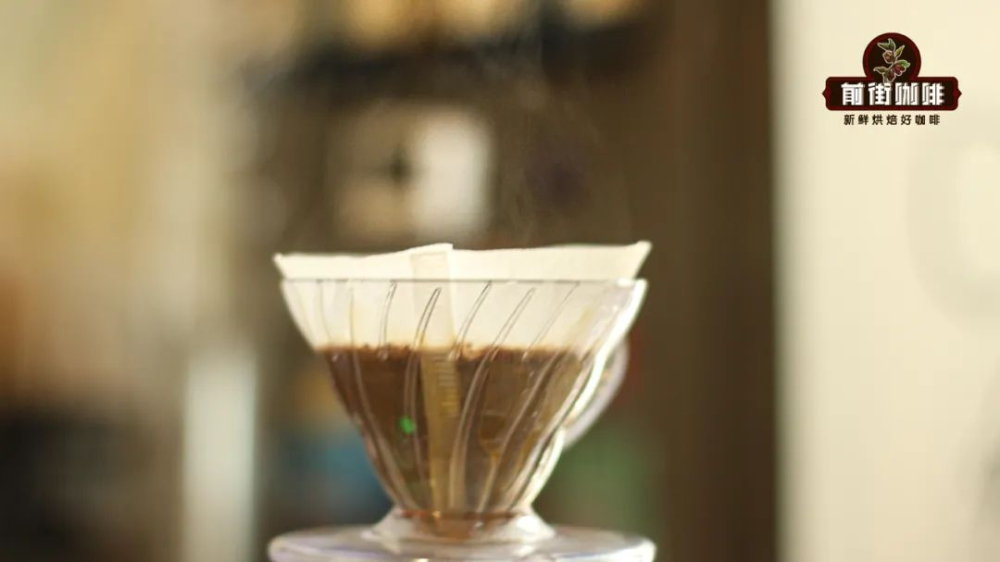
If you want to go deeper into sensory tasting, move on to "Understanding the Flavor Wheel is the First Step to Entering the World of Sensory Perception." The flavor wheel helps calibrate flavor vocabulary and will let you pick out even more in the cup.

FrontStreet Coffee Recommendation
Training your palate starts with beans whose flavors are vivid and easy to recognize. For pour-over, a V60 dripper is the classic choice — its 60-degree cone and single large opening produce a fast, expressive extraction that highlights florals and lively acidity. FrontStreet Coffee's Yirgacheffe Chelbesa (Guodingding) from Ethiopia is a washed G1 lot with clean notes of white florals, citrus, orange, and green tea — a perfect training bean for learning to read citrus character. For something fruitier, the natural-processed FrontStreet Huakui bursts with strawberry cream, mango, jackfruit, and blueberry.
And if you want the ultimate aromatic benchmark, FrontStreet Coffee's Panama Esmeralda Red-Label Geisha offers jasmine florals with citrus, bergamot, and a black-tea-like finish — a cup that makes flavor identification almost effortless.
Important Notice :
FrontStreet Coffee is a long-established specialty coffee roaster in Guangzhou China, selling freshly roasted beans from its own farm in Yunnan as well as dozens of carefully selected single-origin beans from around the world for both pour-over and espresso. The products deliver consistently excellent quality and great value, with shipping within 24 hours. Guangzhou's FrontStreet Coffee shop is recommended by many coffee lovers, and the beans are now available online at the Tmall 。
FrontStreet Coffee has moved to a new address:
FrontStreet Coffee Address: 315,Donghua East Road,GuangZhou
Tel:020 38364473
 Scan and follow the En Gafei WeChat official account. Please indicate that the reprint comes from "En Gafei".

