
How to Make Rich and Long-lasting Crema Like Espresso with a Moka Pot?
Many of FrontStreet Coffee's friends are devoted espresso drinkers. Compared with the light, refreshing character of pour-over single origins, they crave something deep and rich — which is why a coffee machine has long sat on their shopping lists. But semi-automatic machines are prohibitively expensive, and after some research, many of them land on the budget-friendly "alternative coffee machine": the moka pot!
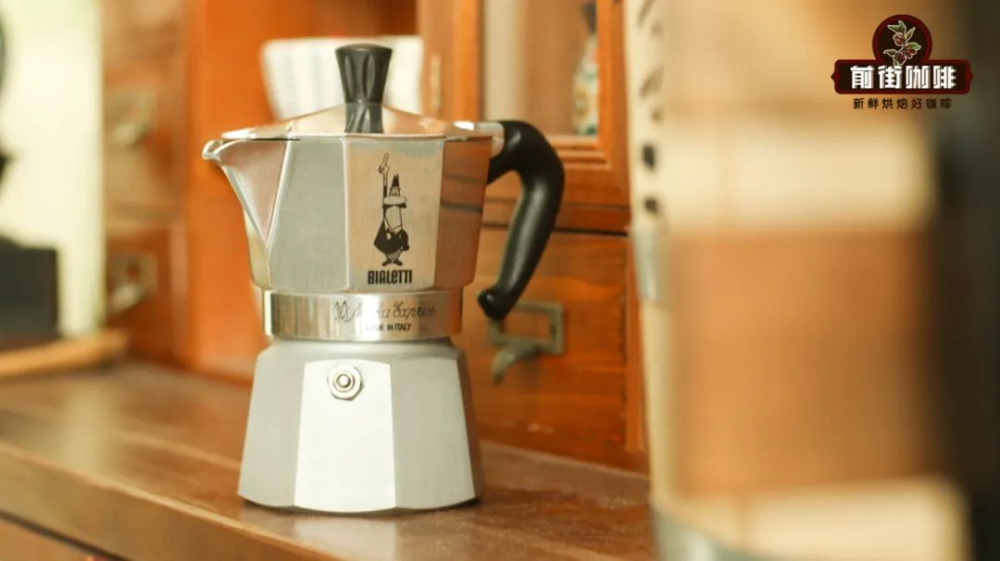
The moka pot is excellent in almost every way — affordable, and it brews genuinely tasty coffee. But early moka pots are single-valve designs, and their biggest weakness is crema: thin crema that fades fast. Crema matters a great deal to anyone who prizes mouthfeel or makes milk drinks. A coffee with crema is far richer than one without, and good crema also means prettier latte art and a silkier milk beverage. So, without swapping the pot, is there a way to get rich crema anyway?
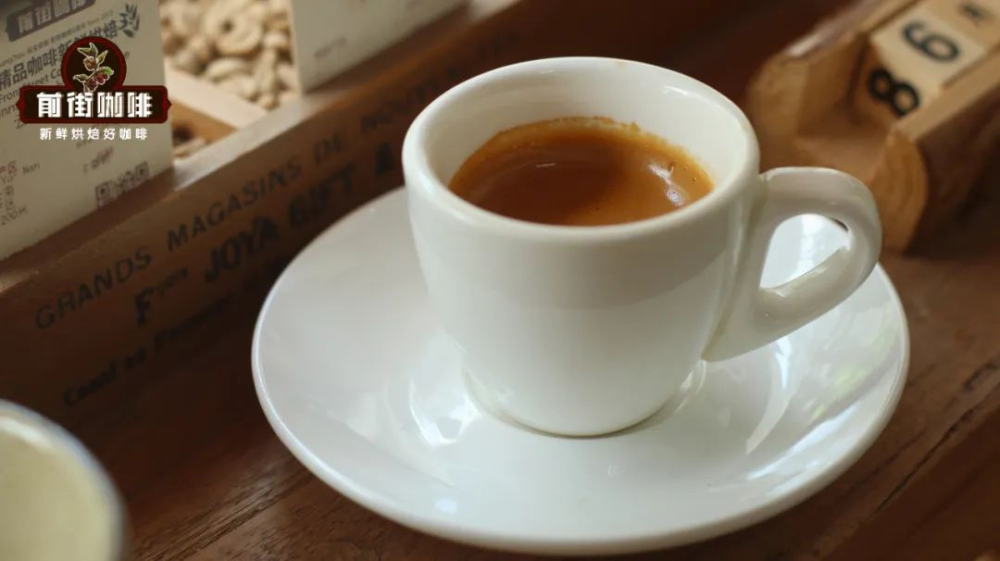
Why Moka Pot Crema is Thin
An espresso machine forces water through the coffee at 9 bars or more, and the extracted liquid carries hot water's released carbon dioxide along with insoluble compounds — together forming espresso's thick, hazelnut-brown crema. But no matter how hard you push a single-valve moka pot, it will never reach 9 bars, let alone exceed them. Under that lower pressure, its crema is thin and quick to dissipate. Still, with a few details handled well, you can coax out plenty of crema.
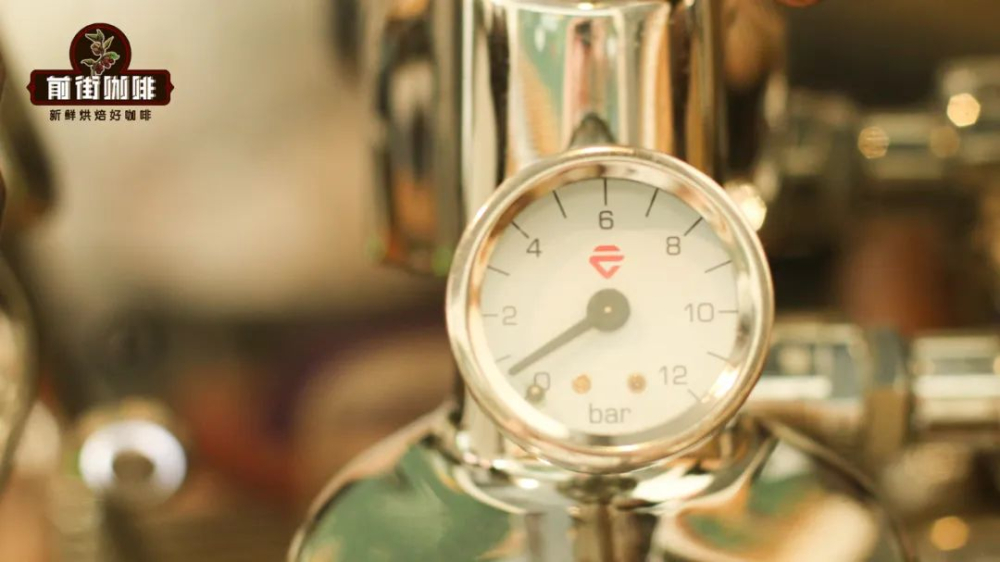
(Image shows a coffee machine's pressure gauge)
How to Extract Rich Crema with a Single-Valve Moka Pot
1. Bean Selection
Fresh dark-roasted beans are the natural first choice. Dark roasting makes the bean structure more porous, so hot water penetrates more easily and releases the carbon dioxide trapped inside along with the brew.
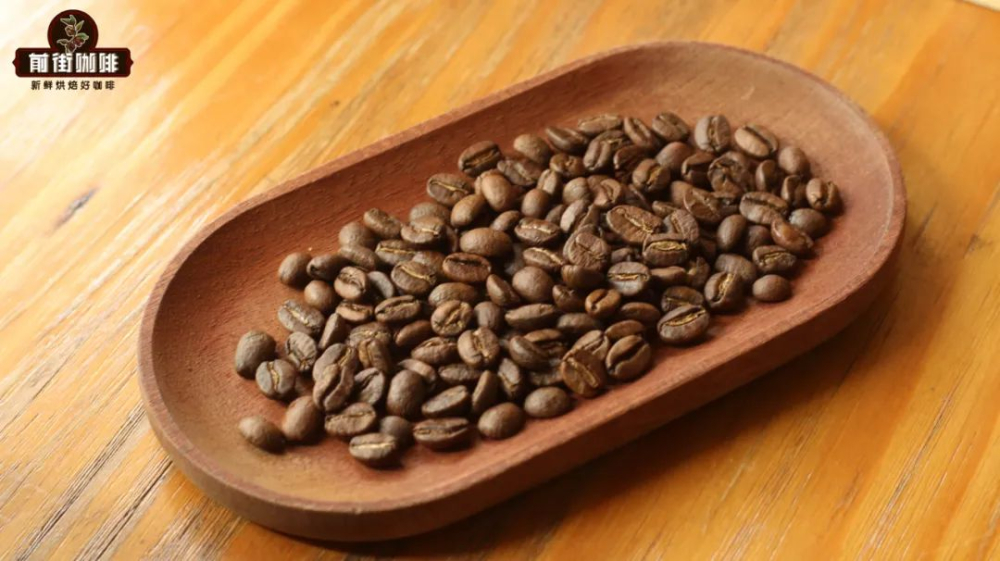
One caveat: "fresh" doesn't mean beans straight out of the roaster. At that stage the CO2 content is too high, which blocks the extraction of aromatics and hurts the cup. Here, "fresh beans" means beans that have properly degassed and are still within their optimal flavor window. Fresh beans hold the most carbon dioxide, and paired with the porous structure of a dark roast, that makes abundant crema much easier to achieve.
2. Grind Size
Beyond bean freshness, you also need to manage the extraction pressure of the pot. It may lack an espresso machine's 9 bars, but it isn't pressure-free — the pressure is simply lower. Two techniques control it, and they work best in combination. The first is grind size: the moka pot grind sits finer than pour-over but slightly coarser than espresso.
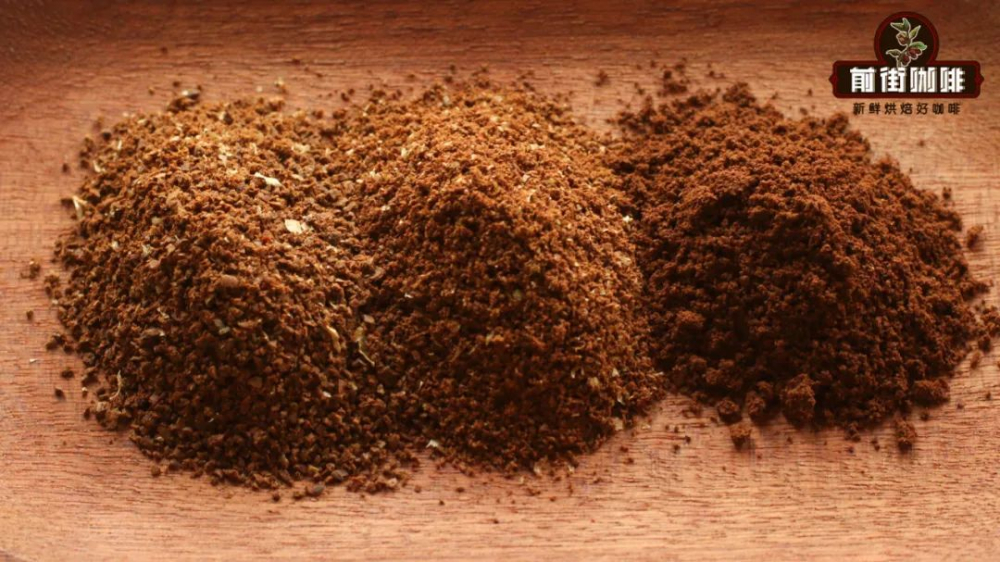
(Image left: pour-over grind, middle: moka pot grind, right: espresso grind)
Use a pour-over grind and the hot water will gush straight through with no resistance. Use espresso grind and it's too fine — the coffee won't rise at all, because the moka pot lacks the pressure to push through that much resistance, and the trapped pressure can even create a safety hazard. If you notice the coffee hasn't started rising after a long while, switch off the heat immediately for your own safety. Whether you grind with a manual or electric grinder, set it slightly coarser than espresso for moka pot use.
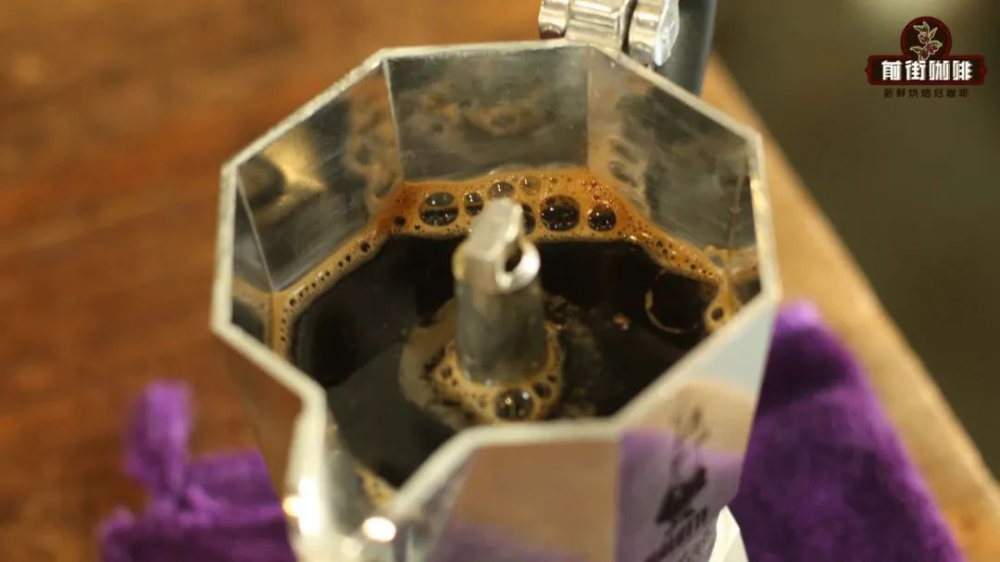
(Moka pot coffee made using pour-over grind size)
Beans selected and ground, the next step is loading the coffee — which is the second pressure-control technique.
3. Coffee Filling
Dose according to the size of your pot. FrontStreet Coffee is using a three-cup moka pot here, which takes roughly 19g of ground coffee.
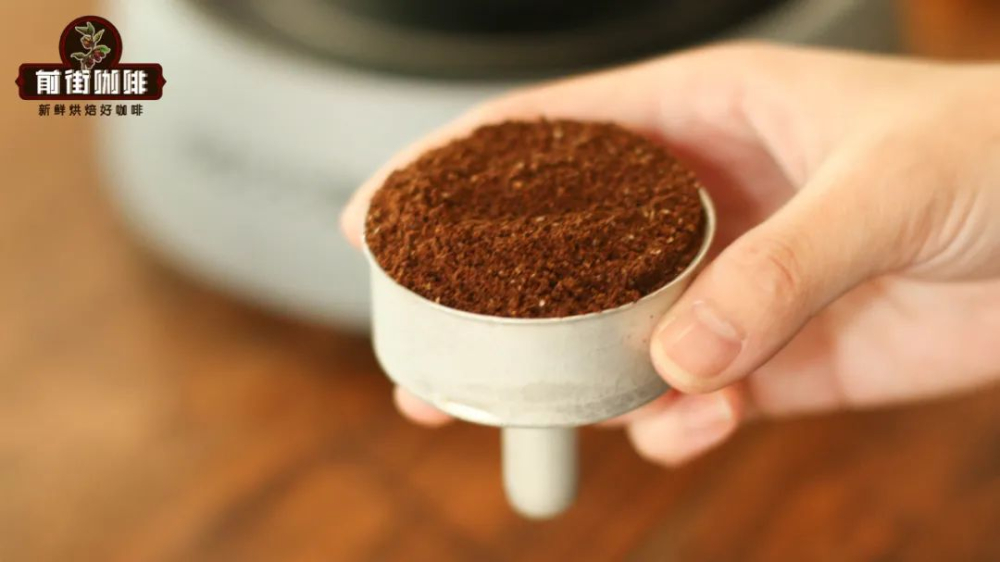
You'll notice the coffee bed rises slightly above the rim. Many people would press it down by hand at this point — but hold on. First level it off, then tap the sides gently and shake left and right so the grounds settle evenly in the lower layer. This reduces gaps and effectively prevents channeling.
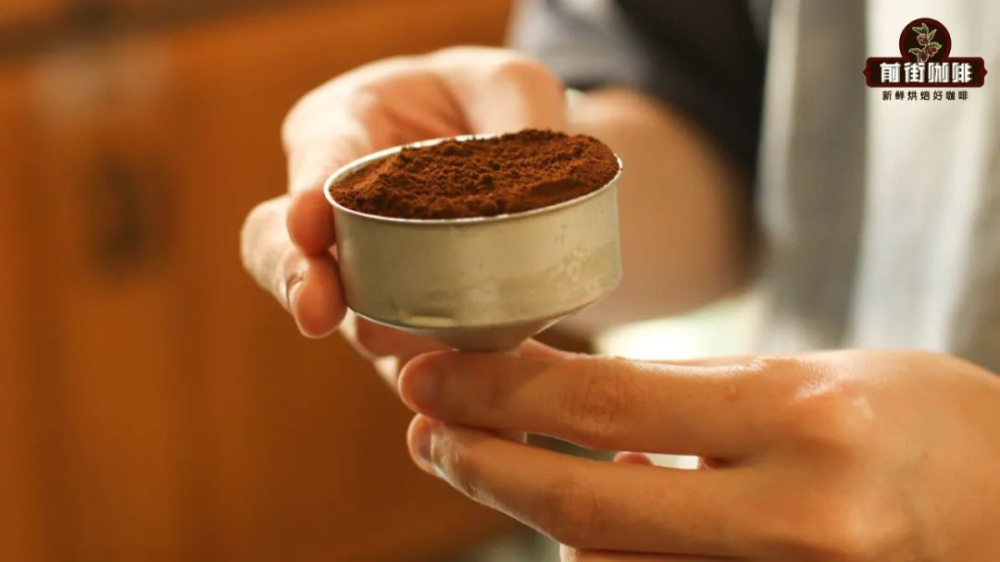
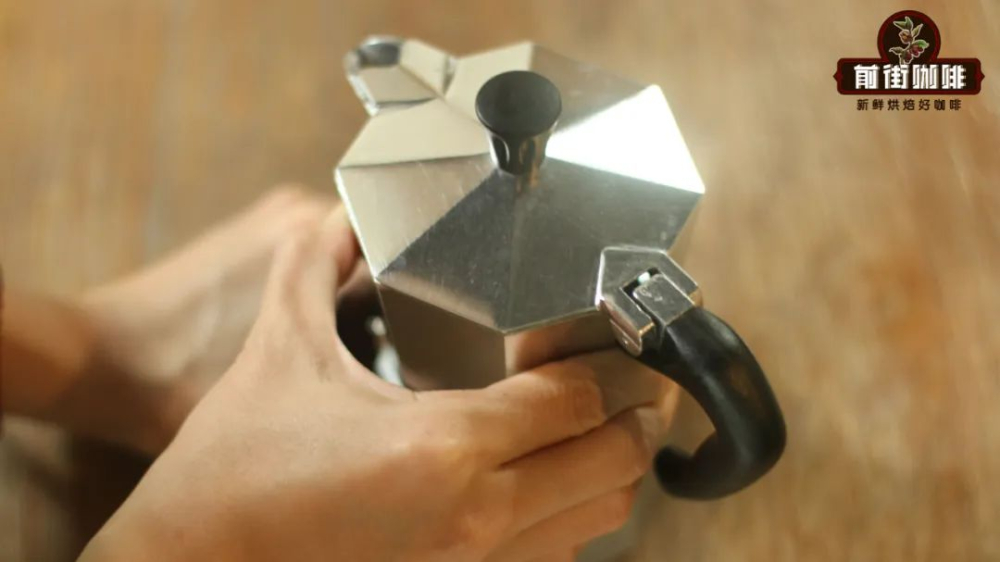
Then, depending on your grind size, decide whether to tamp. With a slightly coarser grind, you can press down gently with your fingers while leveling — added resistance helps crema form. With a slightly finer grind, skip the pressing; the resistance is already sufficient. Attach the filter basket and upper pot, pour 110ml of hot water into the lower chamber, and start brewing.
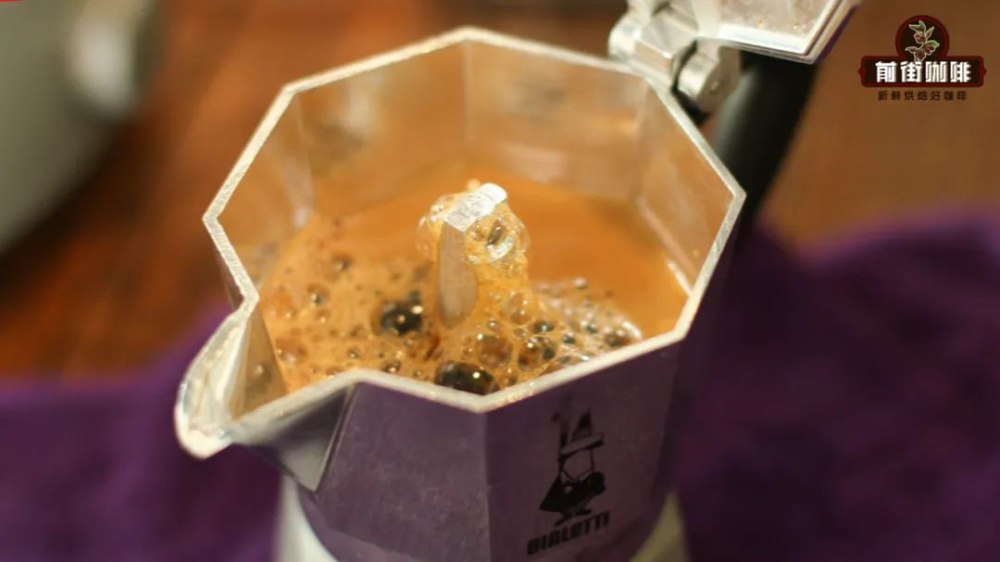
Once the crema has spread across the silver surface at the bottom of the upper pot, take the pot off the heat.
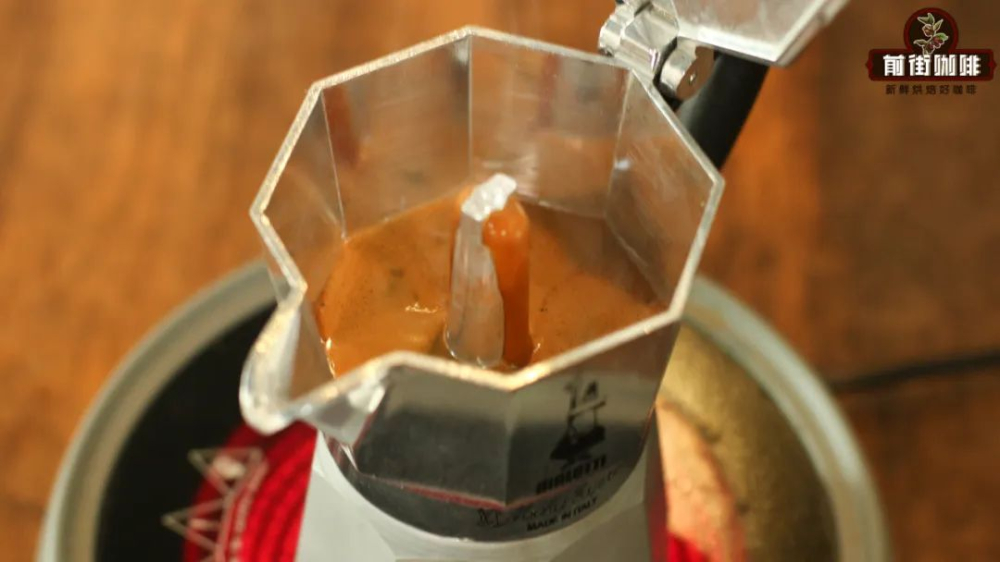
The residual heat is enough to finish extracting the remaining liquid.
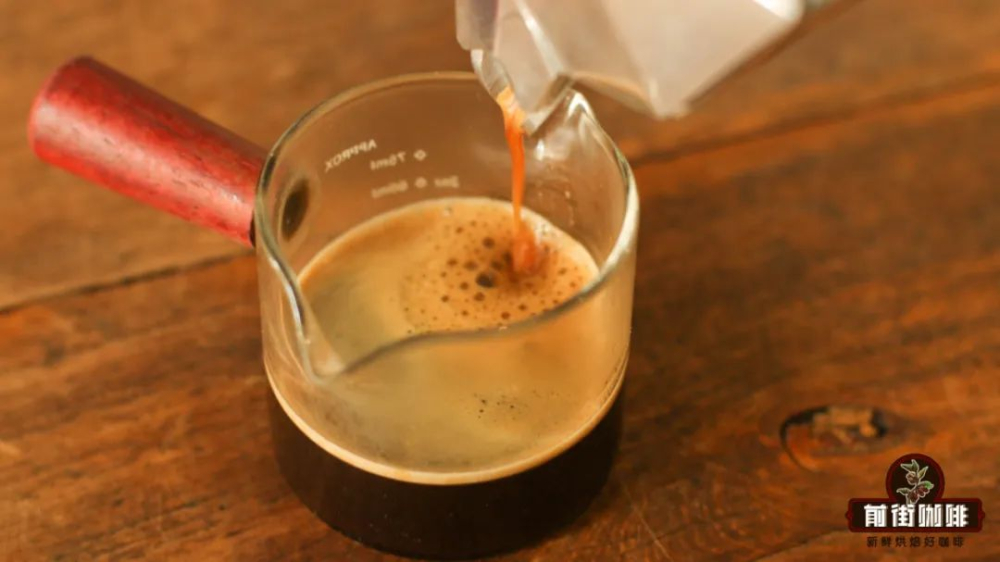
And there you have it — a cup of moka pot coffee with rich, lingering crema! If your pot is a double-valve model, the crema will be even more abundant. Don't wait — brew whatever coffee you like and enjoy.
- END -
FrontStreet Coffee

FrontStreet Coffee Recommendation
Crema starts with the beans, and dark-roasted, fresh blends are the moka pot's best friends. Three FrontStreet Coffee picks:
FrontStreet Classic Blend — Designed specifically for espresso and moka pot brewing, this traditional Manda (Mandheling × Brazil) blend's standout strength is its exceptional crema. Even a beginner with a non-professional home machine can pull dense, silky crema — the essential base for lattes, cappuccinos, and Dirty espresso. Round, mellow, and comforting, it suits veterans and newcomers alike.
FrontStreet Brazil Queen Estate — A single origin that loves the moka pot: low acidity, balanced body, rich nut and cocoa aromas with clear caramel sweetness, smooth and never astringent. Equally good as pour-over or espresso, it's a versatile daily bean.
FrontStreet Dark Cocoa Blend — 100% Arabica with ample crema and a mellow, chocolatey cup at a friendly price. For beginners and budget-conscious café owners alike, it balances quality and value without compromise.
Important Notice :
FrontStreet Coffee is a long-established specialty coffee roaster in Guangzhou China, selling freshly roasted beans from its own farm in Yunnan as well as dozens of carefully selected single-origin beans from around the world for both pour-over and espresso. The products deliver consistently excellent quality and great value, with shipping within 24 hours. Guangzhou's FrontStreet Coffee shop is recommended by many coffee lovers, and the beans are now available online at the Tmall 。
FrontStreet Coffee has moved to a new address:
FrontStreet Coffee Address: 315,Donghua East Road,GuangZhou
Tel:020 38364473
 Scan and follow the En Gafei WeChat official account. Please indicate that the reprint comes from "En Gafei".

