
How to Make Better Homemade Pour-Over Milk Coffee?
The Art of Hand-Poured Milk Coffee
Reading that title, you might picture something like this: warm fresh milk streaming from the spout of a gooseneck kettle, mixing with coffee grounds to release their flavors, then the aromatic milk-coffee liquid slowly filtering through paper... finally yielding a "hand-poured hot milk coffee."

No, no, no. Nobody wants to scrub dried milk out of a pour-over kettle, nor wait through a long, anxious filtration only to end up with mediocre coffee-flavored milk. FrontStreet Coffee suggests dropping that idea right away!
Back to the real topic. Some customers have told FrontStreet Coffee that they prefer milk coffee to black coffee, and since all they own at home is pour-over gear, they simply stir a little fresh milk into their brewed coffee to make a homemade "latte." But time and again the result disappoints — either the milk overpowers everything, or the coffee drowns out the milk's natural sweetness. So they asked us how to make hand-poured milk coffee taste better.
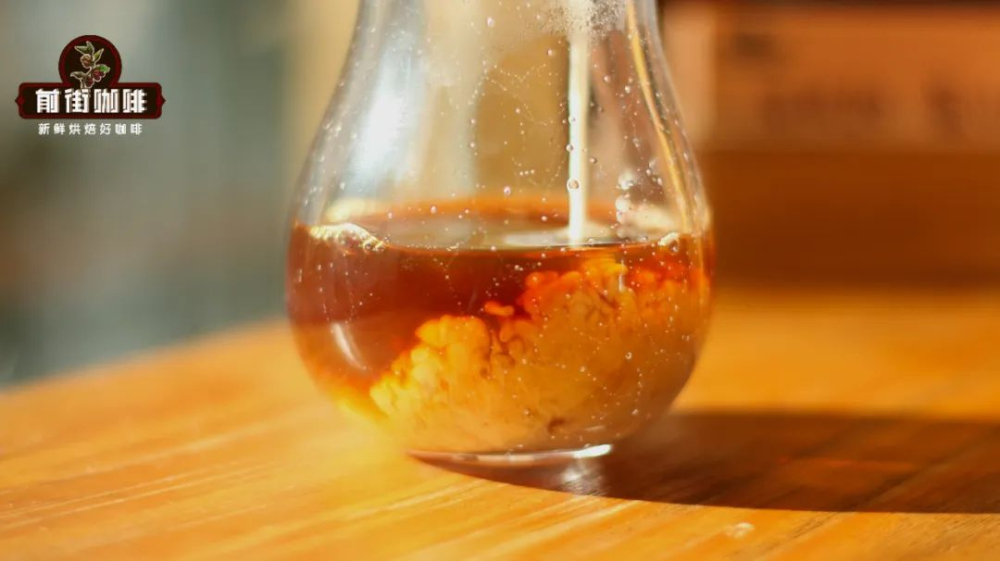
How to Choose Coffee Beans?
Compared with the espresso base in a typical latte, pour-over coffee is far lighter. FrontStreet Coffee has measured espresso at roughly 9% concentration, while pour-over coffee sits around 1.3%. Pour-over also usually features single-origin beans, chosen to highlight their own flavor character. Add milk to black coffee that dilute, and the milk — which should be a supporting player — steals the show, burying the coffee's flavor and wasting the beans. So choosing the right coffee is the crucial first step.
Following FrontStreet Coffee's standing rule for homemade milk coffee: medium to dark roasts are the most reliable way to make coffee and milk a golden pairing. If your beans don't state a roast level, look for flavor notes like chocolate, caramel, nuts, hazelnut, peanut, cream, or cocoa. From FrontStreet Coffee's own list, Queen's Estate (Brazil), Mandheling, and Paradise Bird are all excellent choices for hand-poured milk coffee.

Coarse or Fine Grind? What Water Temperature?
Because medium-dark roasts spend longer in the heat, their internal structure is more porous, so they absorb water and release flavor more readily. Grind them too fine and the cup drifts toward bitter, charred territory. FrontStreet Coffee recommends a #20 sieve with a 75% pass rate. Our shop's EK43s is set at 10.5; at home, aim for a consistency close to raw sugar.
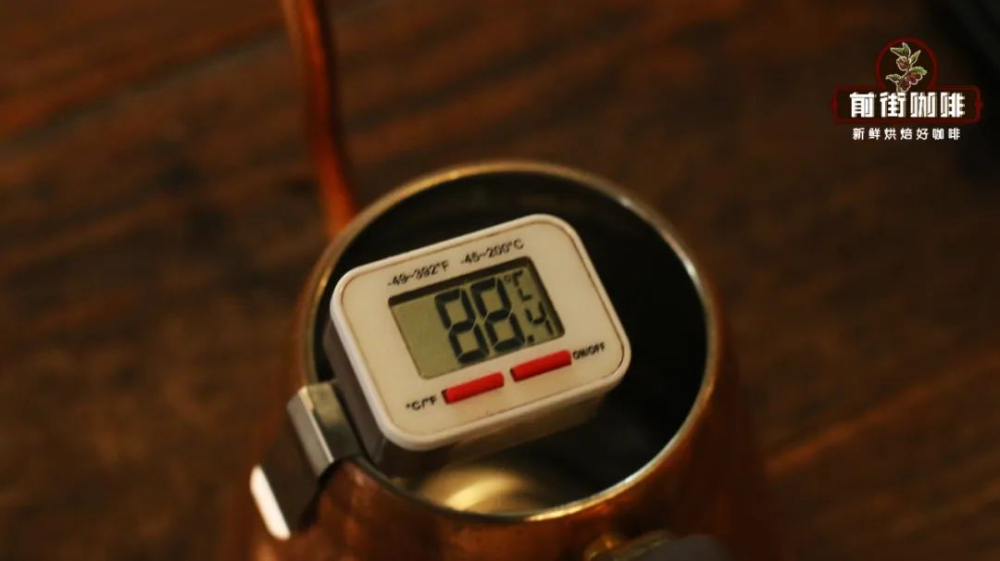
For water temperature, FrontStreet Coffee brews with water measured at 88-90°C in the kettle. Many people pull bitter, scorched flavors from dark roasts simply because their water is too hot. That said, water that's too cool leaves the coffee flat and lifeless.
Should the Coffee-to-Water Ratio Change? How Much Milk to Add?
To keep the milk from steamrolling the coffee, the black coffee "base" needs to be stronger, and the milk proportion can't be too large — otherwise you'll end up with coffee-flavored milk.
To get a rich base while still capturing the coffee's main aromatics, lower the coffee-to-water ratio somewhat. Based on FrontStreet Coffee's brewing experience, a ratio between 1:9 and 1:11 works well. For reference, with 15g of grounds brewing one to two servings, choose 1:10 — meaning 150g of hot water.

As for how much milk to add, it's similar to the latte guidance FrontStreet Coffee has shared before — it comes down to how prominent you want the coffee to be. After testing the beans above, we found that extracting about 130ml of coffee at a 1:10 ratio and adding 80-100ml of milk strikes a good balance between the two flavors.
Which Milk Is Better? Should It Be Preheated?
On milk choice, FrontStreet Coffee prefers whole milk: it pairs better with the aromatics of medium-dark roasts and gives the drink a richer, fuller body.
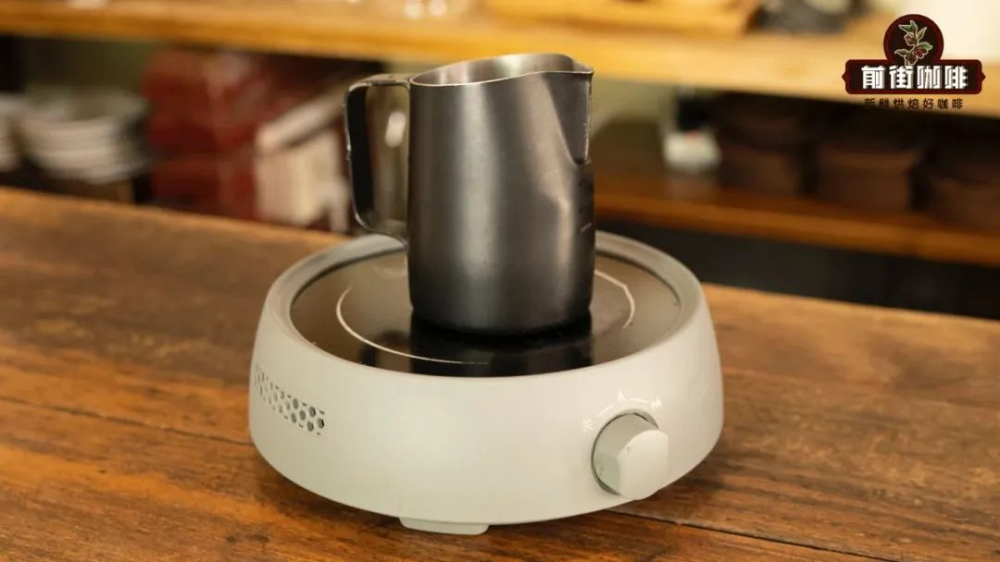
Anyone who has practiced latte art knows that steamed milk for hot milk drinks is typically kept between 55-65°C. Once milk proteins are heated past 70°C they denature and break down, the foam collapses, and the coffee's sweetness and aroma become hard to perceive. So when making hand-poured milk coffee at home, preheat the milk to 60-70°C and have it ready.
END
FrontStreet Coffee Recommendation
Looking for beans that carry a milk coffee beautifully? These three from FrontStreet Coffee's shelf are tried-and-true companions for medium-dark roasts:
FrontStreet Coffee Brazil Fazenda Rainha (Queen's Estate) — Low acidity, beautifully balanced, with rich nut and cocoa aromas and a clear caramel sweetness. Smooth on the palate with a warm, lingering finish — equally at home in pour-over, espresso, or moka pot. A benchmark everyday bean with outstanding crema and value.
FrontStreet Coffee PWN Indonesia Golden Mandheling — Deep-roasted with very low acidity and a long, velvety body. Layers of herbs and dark chocolate with a faint earthy undertone. Perfect for drinkers who love bold, full-bodied cups and dislike acidity.
FrontStreet Coffee Papua New Guinea Paradise Bird — From the Paradise Bird Estate in PNG's Sigri region, grown at 1600-1800m on volcanic soil, this Typica-based AA-grade bean is triple-washed for a clean, sweet cup. Its Blue Mountain-like profile earns it the nickname "Little Blue Mountain" — a superb pick when you want low acidity with elegance.
FrontStreet Coffee

Important Notice :
FrontStreet Coffee is a long-established specialty coffee roaster in Guangzhou China, selling freshly roasted beans from its own farm in Yunnan as well as dozens of carefully selected single-origin beans from around the world for both pour-over and espresso. The products deliver consistently excellent quality and great value, with shipping within 24 hours. Guangzhou's FrontStreet Coffee shop is recommended by many coffee lovers, and the beans are now available online at the Tmall 。
FrontStreet Coffee has moved to a new address:
FrontStreet Coffee Address: 315,Donghua East Road,GuangZhou
Tel:020 38364473
 Scan and follow the En Gafei WeChat official account. Please indicate that the reprint comes from "En Gafei".

