
How to Create a Unicorn Pattern in Latte Art? Master a Small Trick to Improve Your Latte Art!
The Home Latte Art Bottleneck
Friends who steam milk at home usually share the same ambition: nailing a difficult combination pattern for their milk coffee—something like the unicorn.
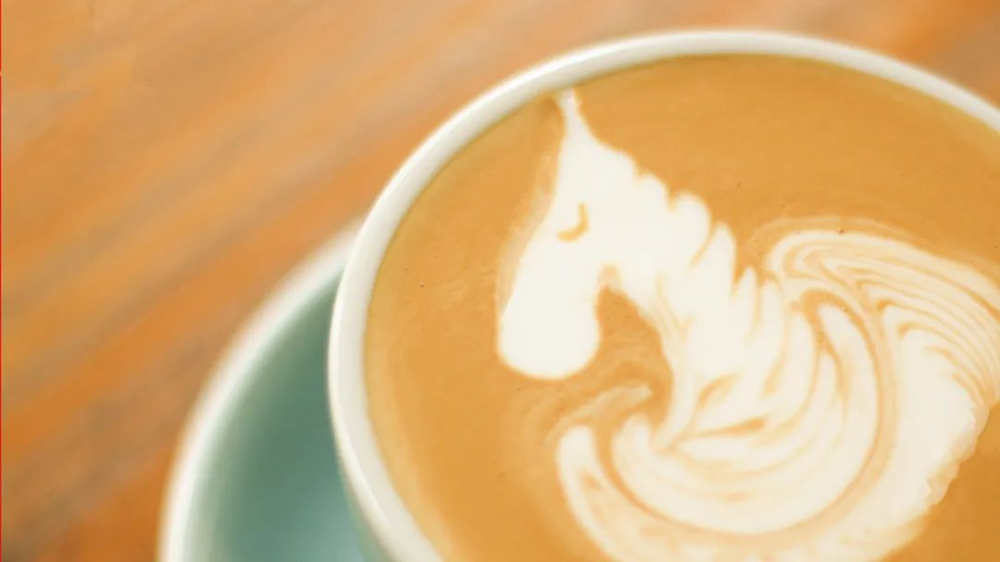
The trouble is that home machines often have weaker steam power, which produces thicker, coarser milk foam. Coarse foam tends to break up (atomize) while pouring, or sits too stiff to draw proper patterns. It's a bottleneck that's genuinely hard to overcome with the hardware you have!
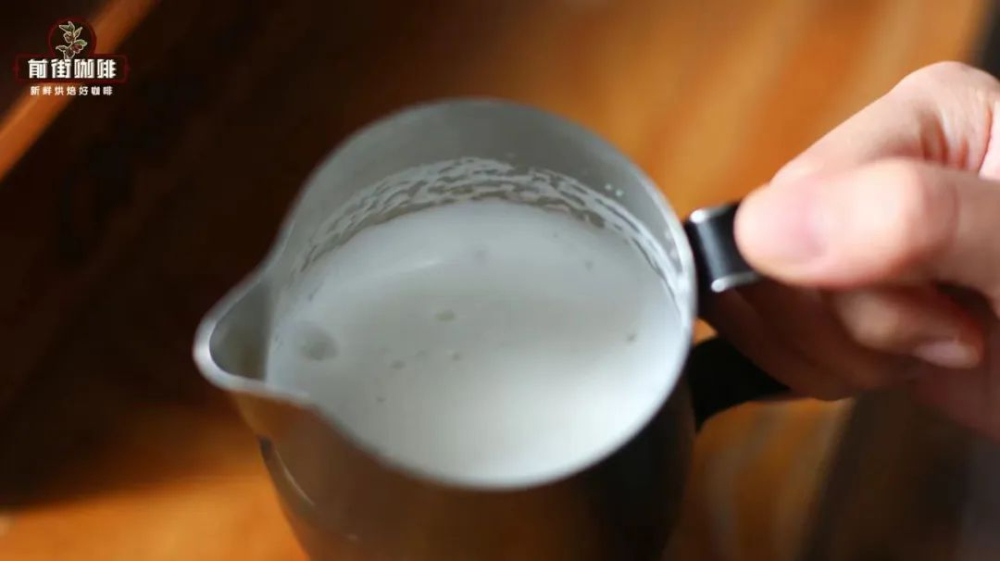
A Simple Trick to Rescue Coarse Milk Foam
Here's a small technique that can transform foam that's already been frothed too coarse.
The "Pitcher Transfer" Technique
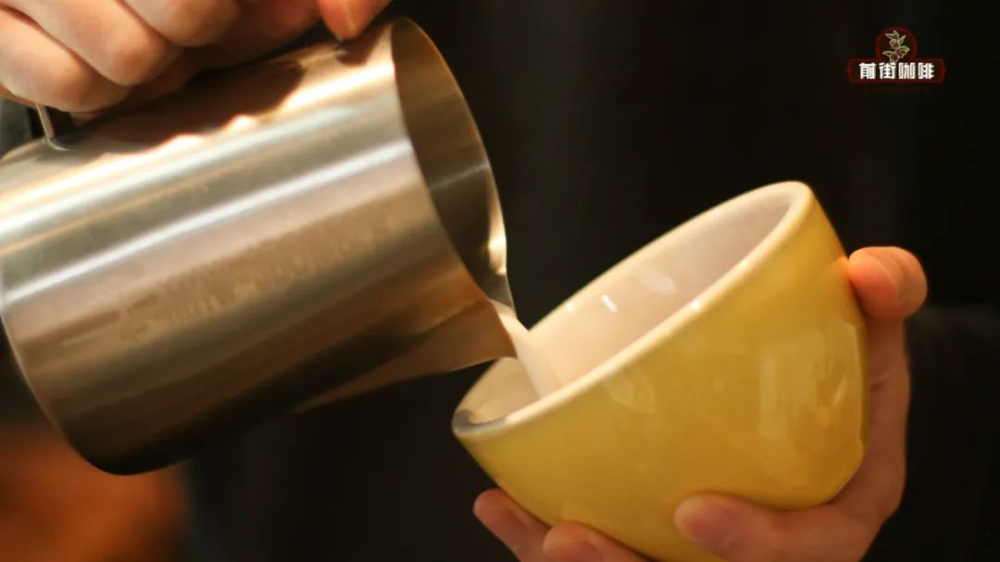
Watch coffee-shop baristas, popular latte art videos, or big competitions and you'll spot it over and over: the barista pours the freshly frothed milk from the original pitcher into a second pitcher before starting to pour the pattern.
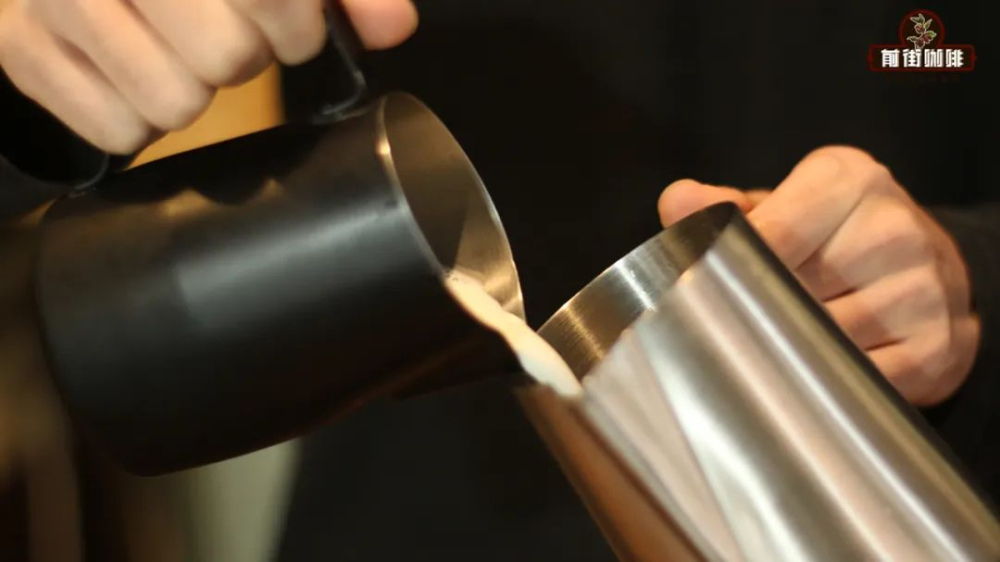
This move is called a "pitcher transfer." Why bother re-pitching already-frothed milk instead of pouring straight from the original pitcher? Two reasons:
1. It cuts down the coarse foam, improving the fusion between foam and milk as well as the milk's fluidity. Transferring knocks out some of the larger bubbles, so what remains blends into the milk more evenly as you pour—and well-fused foam is what makes delicate patterns possible!
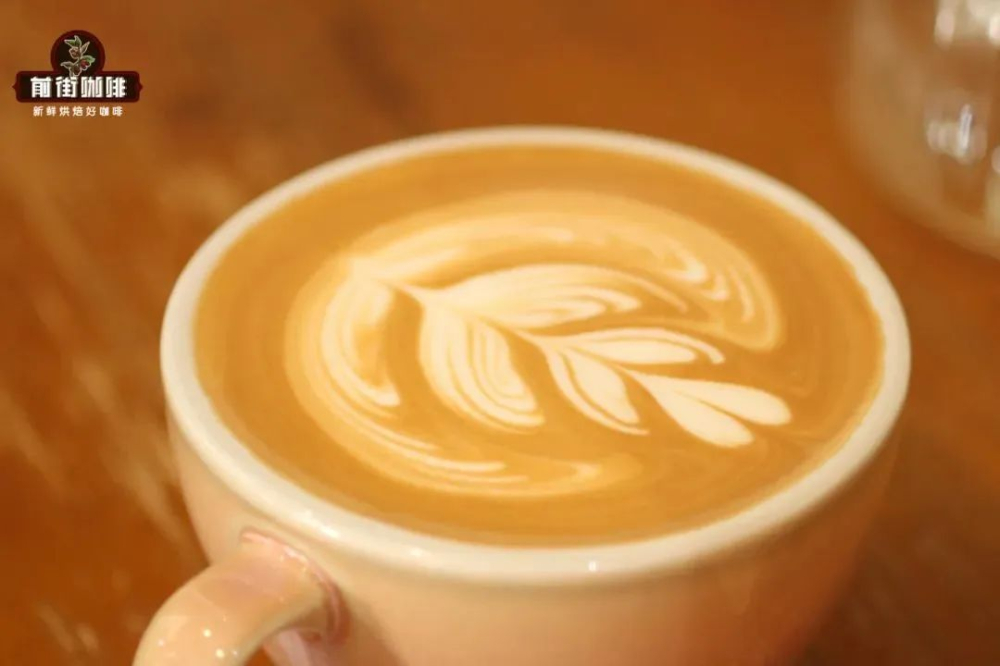
In daily practice, if your foam came out too thick—because of weak steam or simple carelessness—a transfer can rescue it.
2. It cuts down wasted milk when working with large pitchers! Complex combination patterns require you to start fusing at a relatively low liquid level, which means the surface you're pouring into sits lower than usual. A small pitcher can't tilt far enough to get close to that surface, so fine patterns become impossible—you need a large-capacity pitcher that can tilt steeply and hug the liquid surface.
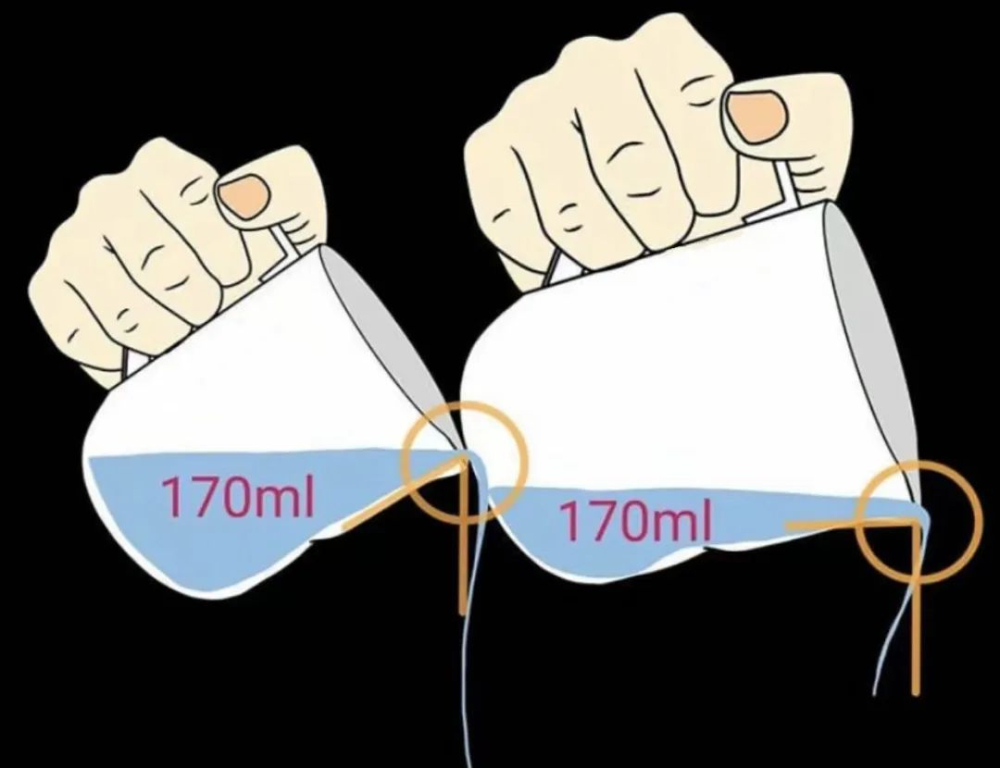
But if you froth directly in a large pitcher, you need more milk than usual just to reach the frothing height—and after the pattern is done, hardly anyone drinks the surplus. It usually gets dumped straight down the drain.
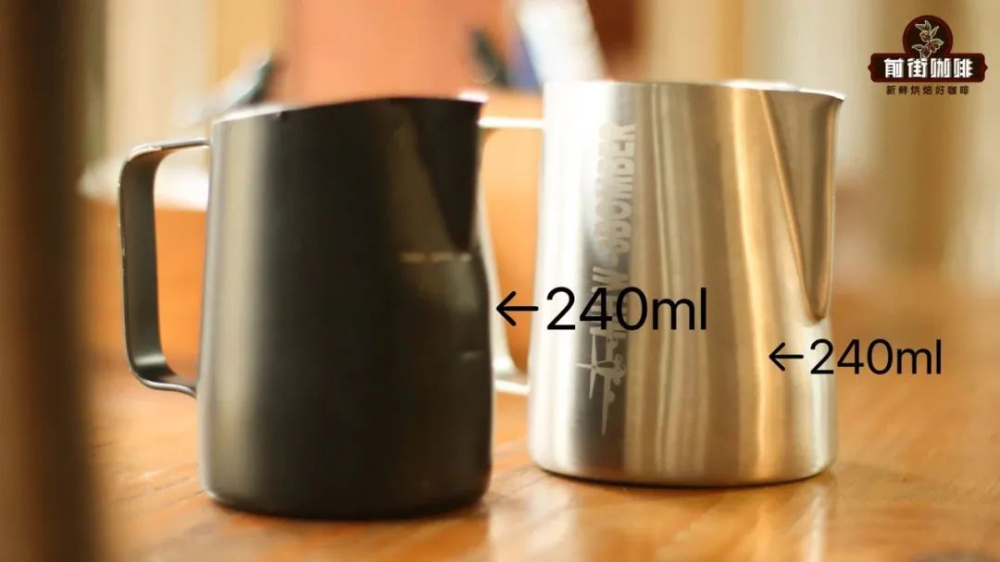
What's more, many patterns need milk foam for the finishing decoration, which puts an even tighter cap on how much milk you should use. So baristas froth a small amount in a small pitcher, then transfer it into the large pitcher for the actual pour!
Transfer vs. No Transfer: Does It Really Matter?
Let's run a direct comparison. FrontStreet Coffee frothed 500ml of milk, poured out half, and made two lattes—one with transferred foam, one without—to see what difference it actually makes.
First, prep two latte art pitchers and pull double espresso shots into the latte cups.
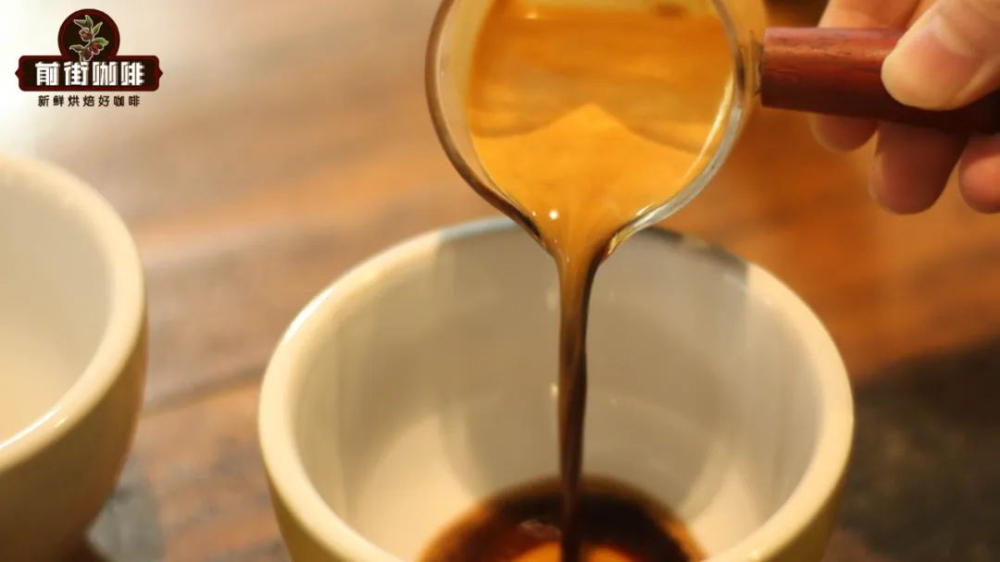
(The espresso: 20g dose, 30 seconds, 38g liquid weight.)
Froth the milk to 60°C, then perform the pitcher transfer!
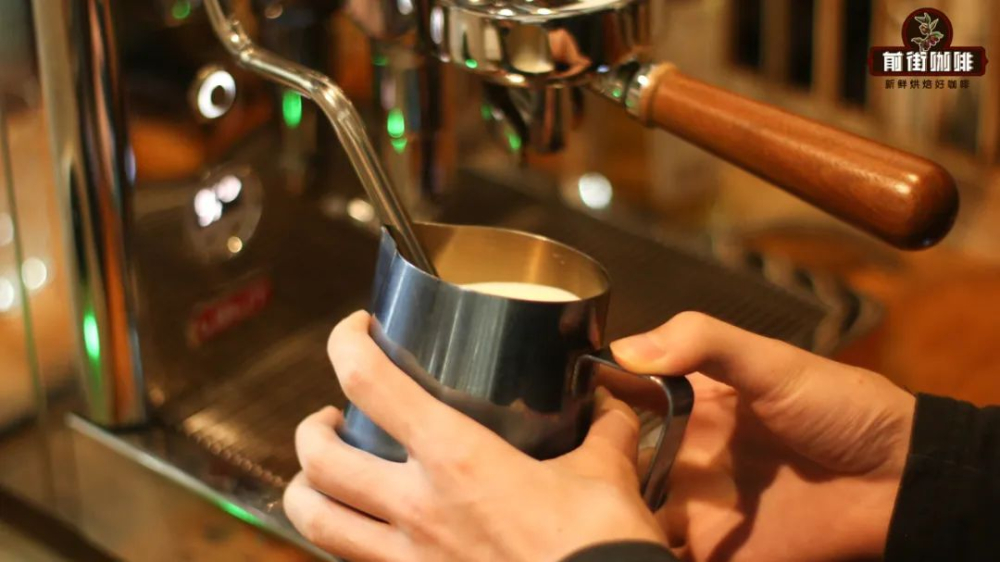
Then pour immediately.
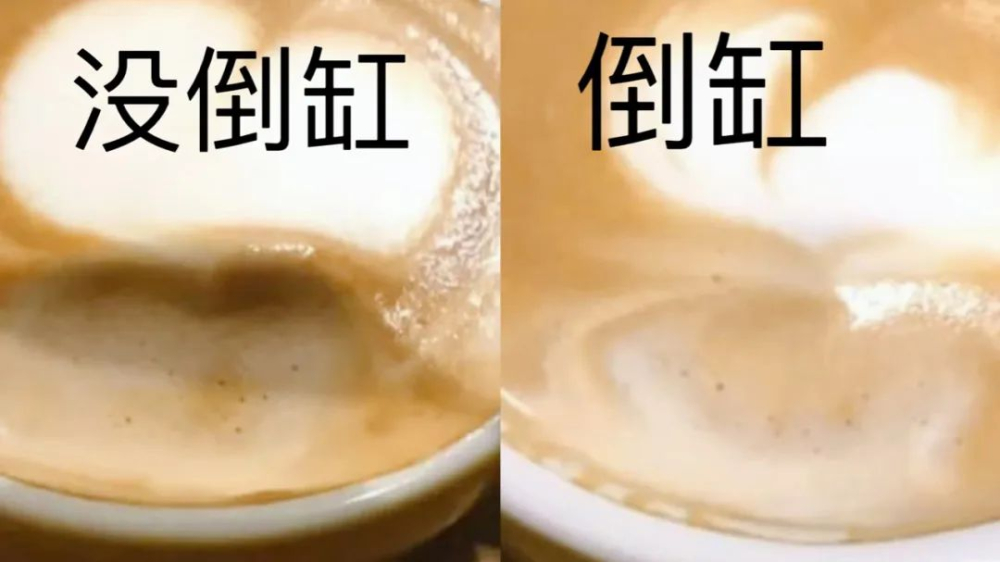
You can see the non-transferred latte still has some tiny bubbles on the surface!
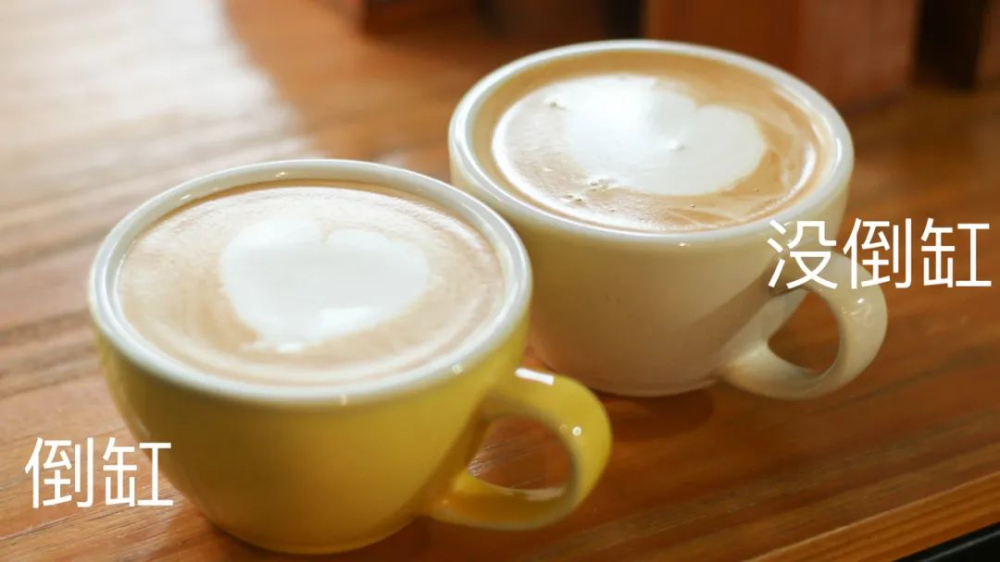
(This one was poured by a friend of FrontStreet Coffee—not a showcase of our skill!) After stirring, the thickness difference becomes even more obvious, and the transferred, well-blended latte also drinks noticeably smoother.
In short: pouring with transferred milk foam doesn't just improve your latte art—it improves the drinking experience too.
Limits of the Technique
Pitcher transfer isn't a free pass, though: you can't do it repeatedly. Too many transfers easily introduce large bubbles, and the foam breaks down faster each time. One or two transfers is plenty.
FrontStreet Coffee
FrontStreet Coffee Recommendation
Good latte art practice starts with beans that pull a stable, crema-rich shot:
FrontStreet Classic Blend — a medium-dark espresso recipe combining beans from three origins, inspired by the old-school "Mandelhing + Brazil" Mamba formula, with a touch of robusta for aroma and crema. Butter, toasted toast and caramel biscuit notes, a solid body, fine crema, and very stable extraction—our top pick for beginners practicing at home.
FrontStreet Signature Blend — also medium-dark, built on the classic pairing of washed Colombian and pulped-natural Brazilian beans. Nuts, dark chocolate and caramel in the shot, with smooth cream, almond and cocoa aromas in any milk drink. Crema on par with café output—more than enough for serious latte art practice.
Important Notice :
FrontStreet Coffee is a long-established specialty coffee roaster in Guangzhou China, selling freshly roasted beans from its own farm in Yunnan as well as dozens of carefully selected single-origin beans from around the world for both pour-over and espresso. The products deliver consistently excellent quality and great value, with shipping within 24 hours. Guangzhou's FrontStreet Coffee shop is recommended by many coffee lovers, and the beans are now available online at the Tmall 。
FrontStreet Coffee has moved to a new address:
FrontStreet Coffee Address: 315,Donghua East Road,GuangZhou
Tel:020 38364473
 Scan and follow the En Gafei WeChat official account. Please indicate that the reprint comes from "En Gafei".

