
What is High Concentration, Low Extraction in Coffee Brewing? How to Extract Non-Bitter Coffee?
Understanding "High Concentration, Low Extraction" in Coffee Brewing
You've probably seen the phrase "high concentration, low extraction" in FrontStreet Coffee's articles or other brewing guides. But search for an explanation and you're buried under a wall of impenetrable data — like a hero stepping out of the novice village, ready to level up, only to run straight into the final boss. Utterly bewildering!

So today, FrontStreet Coffee will translate the jargon into plain language and untangle what "high concentration, low extraction" actually means.
What is High Concentration, Low Extraction?
It's not a fixed brewing method or a set of parameters — it's both an extraction philosophy and an extraction outcome. You may not know the term, but you've almost certainly used techniques built around the idea, because there are many. The most common: using a large dose of coffee grounds to produce a small amount of liquid.
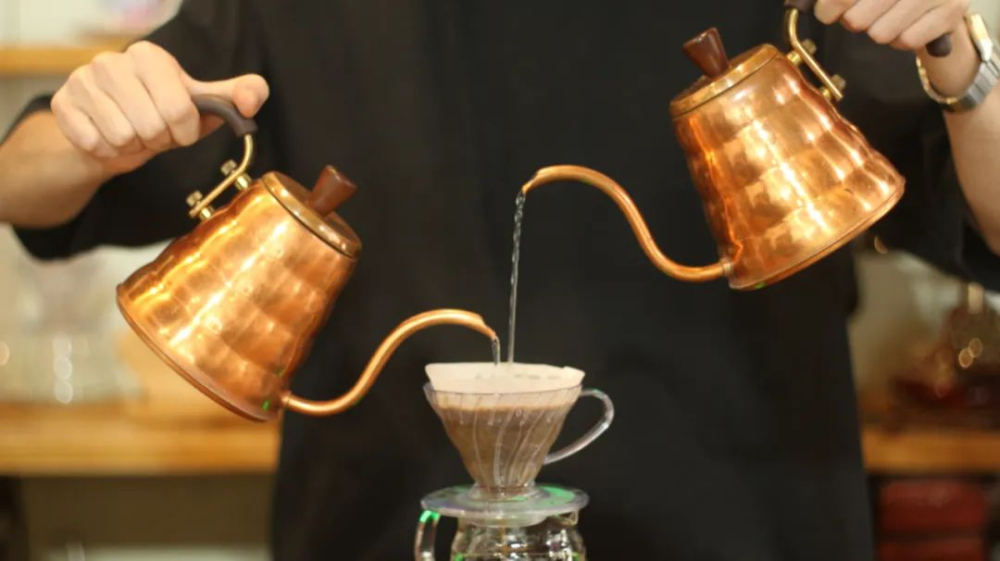
Some of you are already thinking of Japanese-style brewing, right? The volcano pour that builds a Mount Fuji-shaped coffee bed, or the Matsuya style with its "lid" of pre-infusion — exactly. Both use generous doses of coffee and then extract with an extremely low water-to-coffee ratio. The finished cup isn't large, but every drop is astonishingly rich.

The Science Behind Concentration and Extraction
Understanding the concept requires two terms: "concentration" and "extraction yield" — the two main factors governing coffee flavor.
Take the well-known Golden Cup Extraction Chart, created by American coffee authorities after extensive research into American palates. Their findings: coffee with an extraction yield between 18%–22% and a concentration between 1.15%–1.35% is what most Americans consider delicious — and that's the preference of most of us too. So what do these terms actually mean?

Concentration
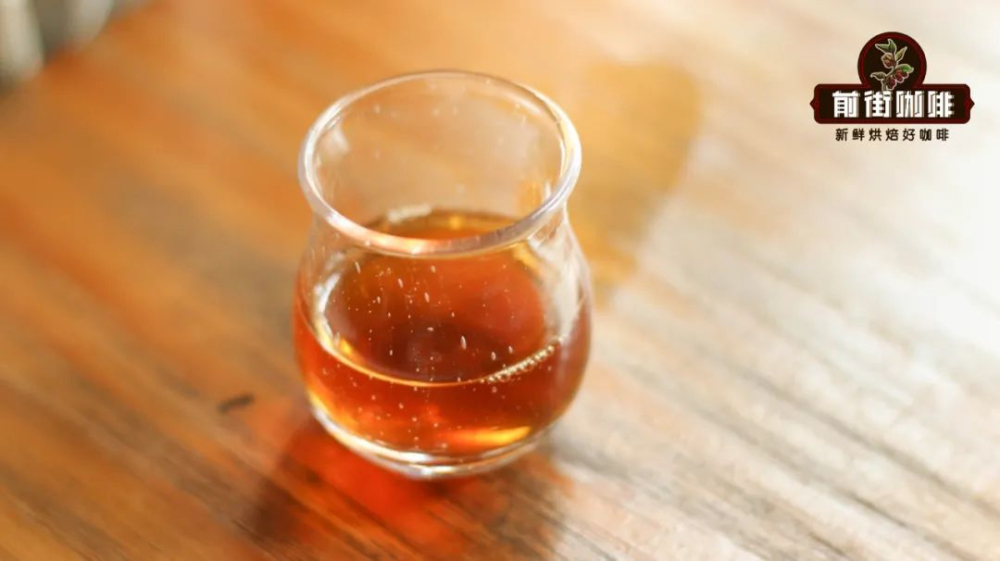
Concentration is the easy one. Think of sugar water: too much sugar and it's cloying; too little and it's just water with a hint of sweetness. Coffee works the same way. Too concentrated, and the flavors become so intense the cup feels thick and muddy, individual notes impossible to pick apart. Too dilute, and it's coffee-flavored water. Only within a reasonable range do you get a coffee with distinct flavors and real body.
Extraction Yield
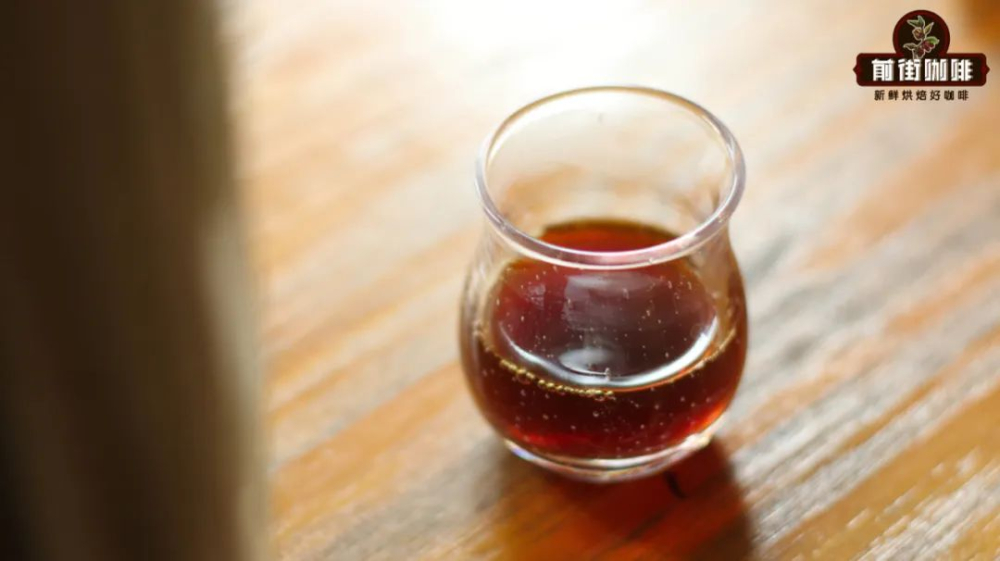
Extraction yield governs overall flavor balance. Above the Golden Cup ceiling of 22%, the coffee turns strongly bitter and burnt — the classic over-extraction. Below the floor of 18%, you get the sharp acidity and hay-like flavors of under-extraction. Only within the right range does coffee taste balanced.
Practical Applications and Problem-Solving
Building on Golden Cup principles, people have designed countless classic recipes (FrontStreet Coffee's standard pour-over: 15g of coffee, 225ml of water at 92°C, a fine-sugar grind, and three-stage pouring) to land the final cup inside the delicious zone. But some beans resist normal extraction — dark roasts, anaerobic naturals, and aged coffees among them. Their structure is loose and porous, so conventional brewing over-extracts them into bitterness. The fix: adjust parameters to lower extraction yield (water temperature and grind size are the two levers).
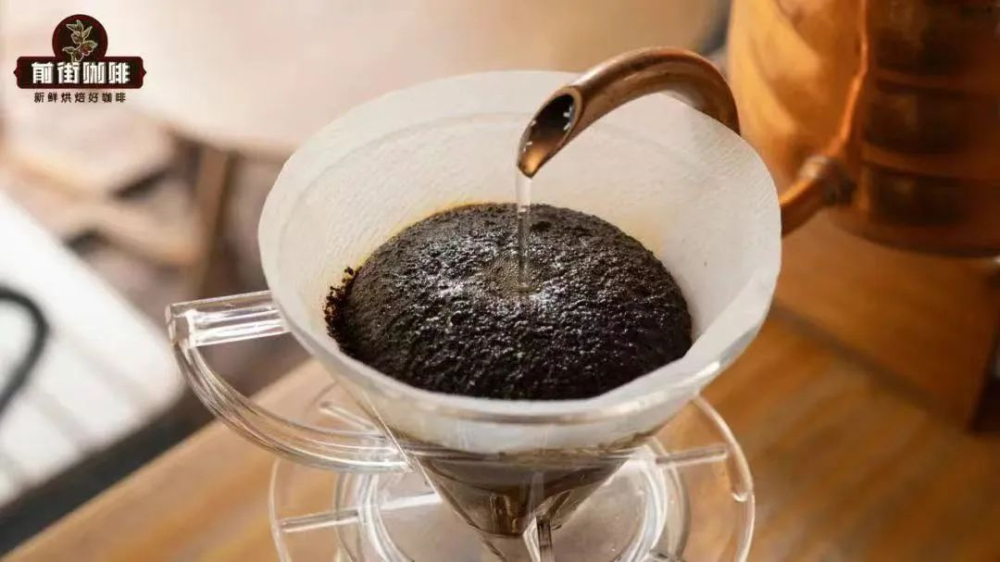
There's a catch, though. If you only cut extraction and change nothing else, concentration falls with it, and you end up with coffee-flavored water — clearly unacceptable. So you must raise concentration while lowering extraction: more coffee, less water. High concentration, low extraction — that's the whole trick, and it's a wonderfully forgiving way to brew.
Brewing Methods Using High Concentration, Low Extraction
There are many. Simply tightening your usual water-to-coffee ratio is itself a high-concentration, low-extraction approach — not to mention distinctive styles like Matsuya, which deliberately produce an extremely concentrated brew and then dilute it with bypass water.
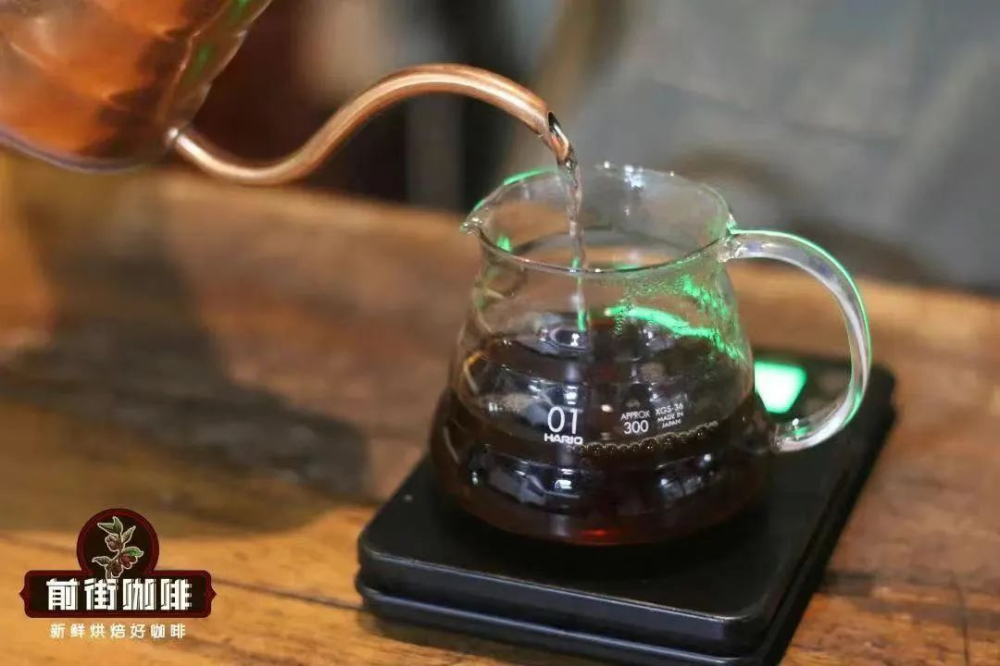
But you can't have it all. Low extraction captures mainly the early-to-middle stage of the brew and rarely the late stage, which naturally shortens the coffee's finish. So choose your beans wisely.
FrontStreet Coffee Recommendation
Since high-concentration, low-extraction brewing flatters sweet, clean-tasting beans and punishes those needing a long finish, forgiving entry-level beans are the smart pick. FrontStreet Coffee's washed Guodingding from the Yirgacheffe cooperative brings jasmine, lemon, and berry notes that shine even at tighter ratios, while the natural-processed Flower Queen from Sidamo adds jackfruit, melon, and honey sweetness with almost no bitterness. Brazil is another natural fit — soft bean structure, gentle acidity, and quick sweetness: the Cerrado Red Bourbon yields cream, peanut, and cocoa in an unassuming daily-drinker cup, and the Queen Estate Yellow Bourbon adds sugarcane sweetness that stands up beautifully to bypass dilution.
If you want to try the technique on espresso-style intensity instead, FrontStreet's Bohquete Washed Geisha from Panama offers the classic orange-blossom honey sweetness and floral lift at an entry-level price — proof that this forgiving approach and premium flavor can absolutely coexist.

Important Notice :
FrontStreet Coffee is a long-established specialty coffee roaster in Guangzhou China, selling freshly roasted beans from its own farm in Yunnan as well as dozens of carefully selected single-origin beans from around the world for both pour-over and espresso. The products deliver consistently excellent quality and great value, with shipping within 24 hours. Guangzhou's FrontStreet Coffee shop is recommended by many coffee lovers, and the beans are now available online at the Tmall 。
FrontStreet Coffee has moved to a new address:
FrontStreet Coffee Address: 315,Donghua East Road,GuangZhou
Tel:020 38364473
 Scan and follow the En Gafei WeChat official account. Please indicate that the reprint comes from "En Gafei".

