
What is a Paragon Ice Ball? Does Using Paragon Ice Balls for Pour-Over Coffee Extraction Taste Better?
The Paragon Ice Ball: A Game-Changer in Coffee Brewing?
Remember Boram Um, this year's WBC champion? Right — today's star isn't him, but the Paragon ice ball he used during the competition!
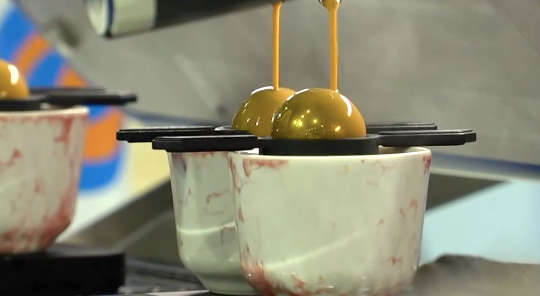
The ice ball made its championship debut at last year's WBC with its inventor Sasa Sestic, and helped carry him to second place. According to Sasa, brewing with the ice ball yields a cup with 40% more aroma than conventional brewing. That 40% consists of volatile aromatic compounds that normally dissipate and evaporate during a regular brew. The ice ball rapidly chills the extract as it leaves the hot coffee bed, essentially freezing those compounds in place before they can escape. Once they join the finished cup, the flavor reads noticeably fuller and richer.
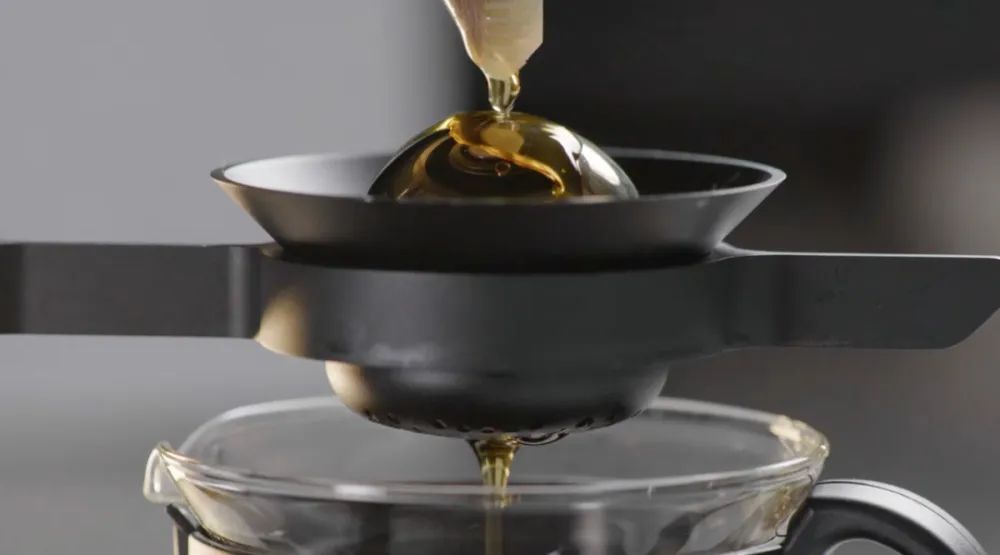
When this theory hit the scene, coffee enthusiasts everywhere were intrigued. Setting price aside for a moment, everyone wanted to know whether it truly worked as advertised — and shopping links were being hunted down within the hour.
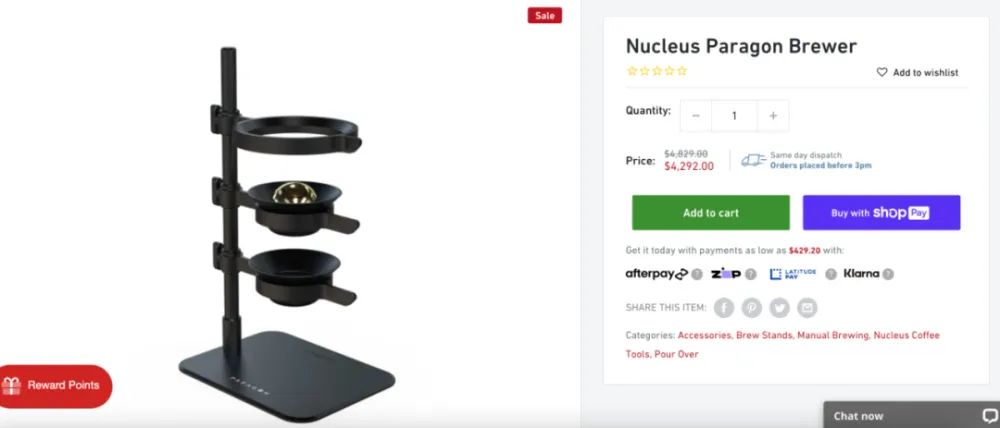
Wait! We can't set price aside! The price absolutely cannot be ignored! At the end of 2022, this brewing system was listed at a staggering $4,292. Four figures — in US dollars! Who could possibly ignore that? Fortunately, the official retail price turned out to be far lower. Still not exactly cheap, but within reach for enthusiasts with slightly deeper pockets. In fact, a couple of days ago, while FrontStreet Coffee was writing about how to make a hot Dirty, we borrowed two ice balls that didn't need returning! So today, let's find out whether the ice ball really is as magical as rumored!

Experimental Comparison
We ran two comparative brews: one conventional, one with the ice ball. The beans: Panama Boquete Geisha, chosen for its pronounced white jasmine florals plus citrus and a honeyed texture — the perfect contestant for this experiment. Ratio: 1:15, with 15g of coffee and 225ml of hot water. Water temperature: 92°C for both the conventional brew and the full ice ball brew (Sasa uses 93°C). Grind: Ek43 at setting 10, giving a 70% pass-through rate on a #20 sieve. Brewer: the same Origami dripper for both. First, a conventional pot of Boquete Geisha for the baseline:
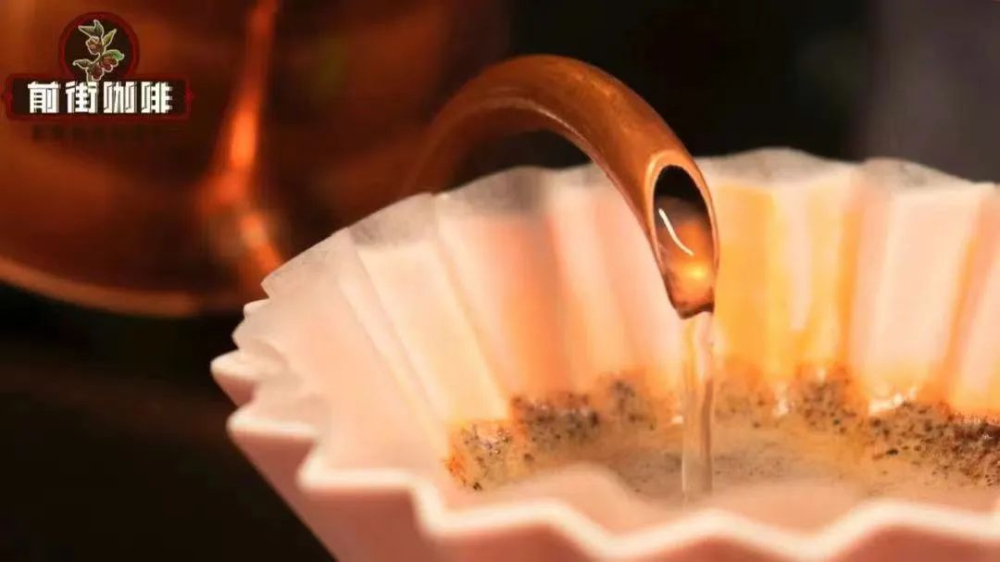
The extracted coffee came off the brew at 70°C: soft jasmine florals, fairly bright citrus acidity, and a creamy honeyed aftertaste — genuinely delightful. Next, the ice ball brew. One important detail: the ice ball should sit as close to the filter paper as possible without touching it, since contact can interfere with the extraction.
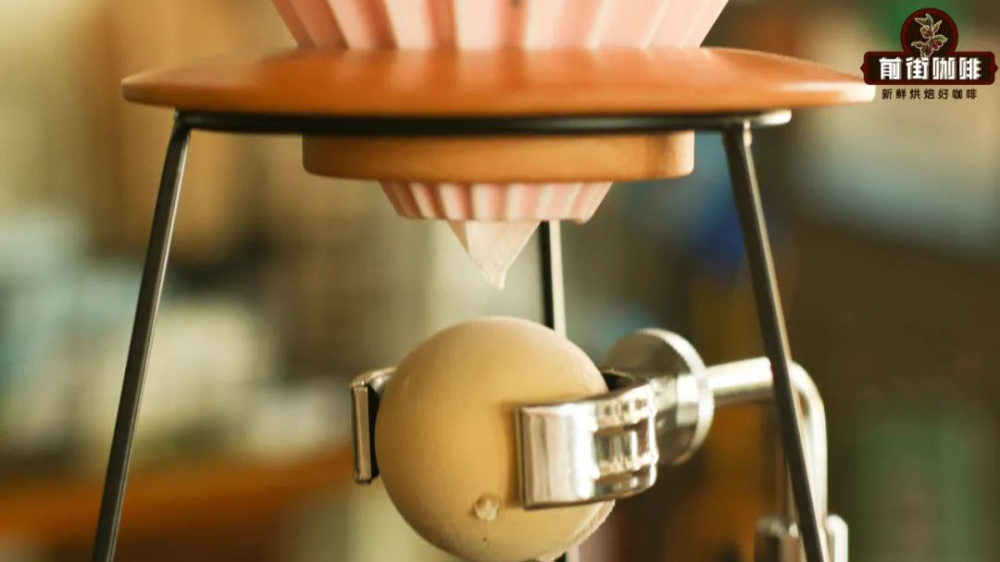
Using the same three-pour method, the ice ball brew finished at 57°C. At that lower temperature it's instantly more approachable, and the jasmine was indeed more pronounced, with similar citrus character. Thanks to the cooler serving temperature, the acidity came across rounder.
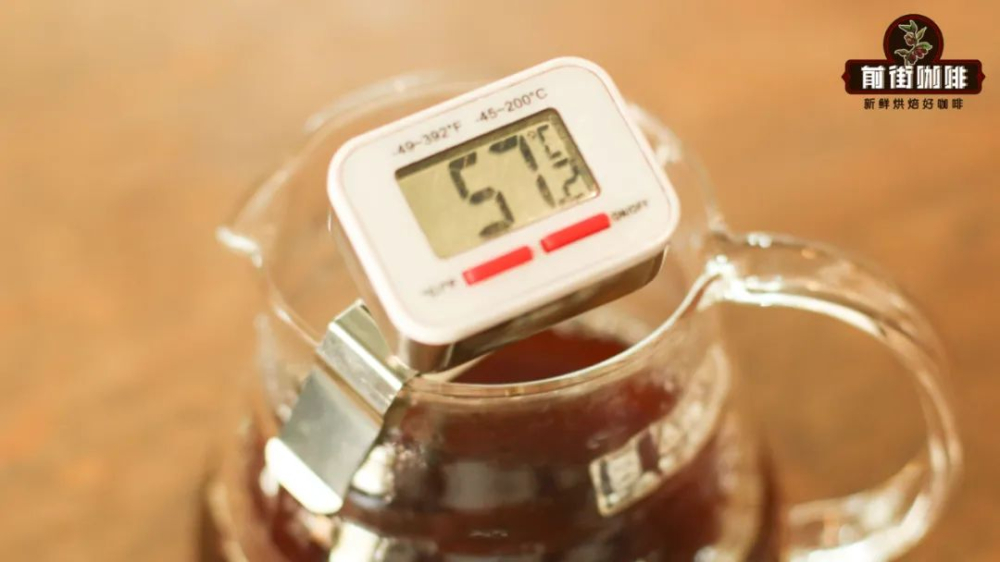
But with such a significant temperature gap between the two cups, the differences we tasted might simply be caused by temperature. So we switched to slurping — the technique used in cupping. A sharp slurp instantly atomizes the coffee, breaking one pool of liquid into countless tiny droplets. The total volume stays the same, but the surface area explodes.

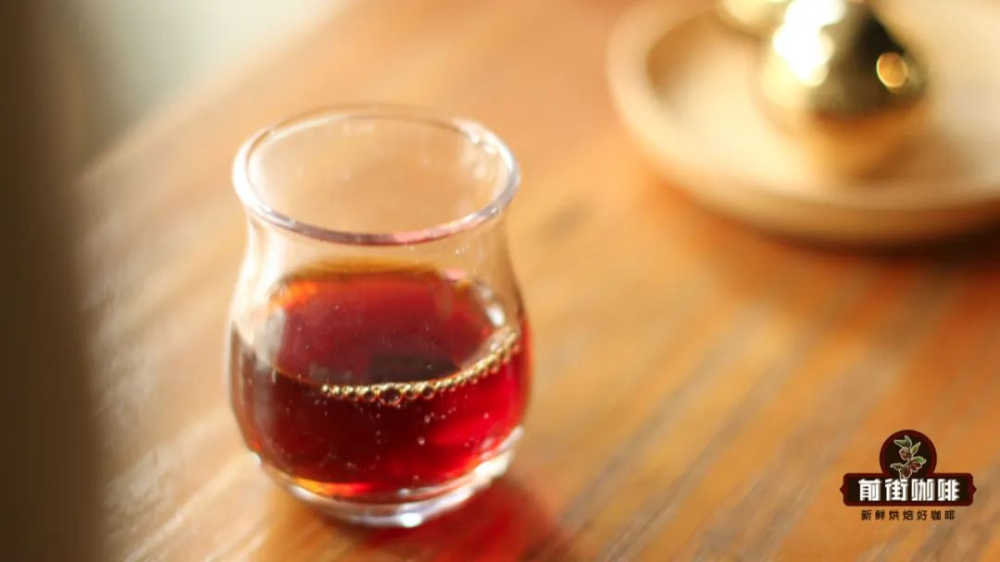
That lets the aromatic compounds reach our taste buds and olfactory nerves far more effectively, revealing the coffee's most original flavors and neutralizing the temperature bias between the cups. *Slurp, slurp, slurp!* After several slurps of each, the verdict was... no particularly significant difference. Those earlier gaps were, indeed, mostly temperature.
Conclusion: Is the Ice Ball Worth It?
Hot coffee makes distinct flavors harder to read; as it cools, the prominent notes emerge and the acidity rounds out — but along the way it sheds some of its aromatics. So overall, the ice ball's real function is to drop the temperature right after extraction, removing the perceptual wall that heat creates. For anyone brewing at home mainly to satisfy a caffeine craving, it's hardly a necessity. But if curiosity wins and you want to taste your coffee in finer detail, buying an ice ball to experiment with is still worthwhile. As for the stand... that depends on your wallet!
FrontStreet Coffee Recommendation
Because the Paragon ice ball works by preserving delicate volatile aromatics, it pays off most with light-roast, floral-forward beans — exactly the style FrontStreet Coffee loves to brew. Our Yirgacheffe Guodingding, with its citrus, berry, and jasmine-tea character, is a natural first candidate; the Ethiopia Huakui pushes the fruit further with strawberry, passion fruit, jackfruit, and lychee over a juicy, low-bitterness body.
For the full "ice ball showcase," brew the Panama Esmeralda Red Label Geisha: jasmine, bergamot, and black tea in a transparent, long-finishing cup — the same florals we loved in the Boquete Geisha, elevated. And if you'd rather keep things simple and budget-friendly, the Kenya Cherry Tomato delivers bright, juice-like acidity that stands up beautifully to a chilled brew.

Important Notice :
FrontStreet Coffee is a long-established specialty coffee roaster in Guangzhou China, selling freshly roasted beans from its own farm in Yunnan as well as dozens of carefully selected single-origin beans from around the world for both pour-over and espresso. The products deliver consistently excellent quality and great value, with shipping within 24 hours. Guangzhou's FrontStreet Coffee shop is recommended by many coffee lovers, and the beans are now available online at the Tmall 。
FrontStreet Coffee has moved to a new address:
FrontStreet Coffee Address: 315,Donghua East Road,GuangZhou
Tel:020 38364473
 Scan and follow the En Gafei WeChat official account. Please indicate that the reprint comes from "En Gafei".

