Panama Hartmann Estate Single-Origin Bean Differences, Distinctions, and Awards
Think of cream and you probably recall that dreamy, rich texture — desserts made with cream trigger a genuine dopamine rush. Which raises a tempting question: can a coffee built on cream deliver the same pleasure as a cream cake or a cream puff?

There happens to be a classic that uses generous amounts of cream as its core ingredient: Con Panna, better known as Vienna Coffee!
The Origin of Vienna Coffee
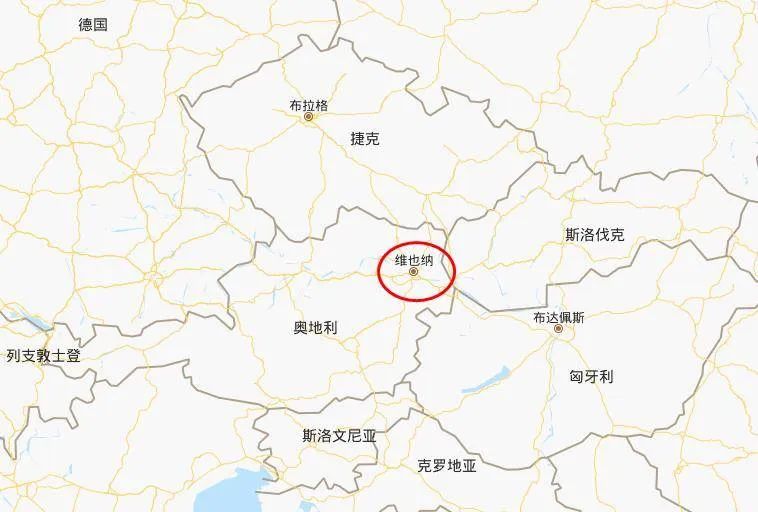
Like the Spanish latte, "Vienna Coffee" isn't a name you'll find on menus in Vienna itself. Locals call it something else entirely: Fiaker Coffee. Vienna is the capital of Austria, a country that only emerged after the Austro-Hungarian Empire was dissolved following World War I — and Vienna Coffee was born in Vienna back in the imperial era, before Austria was an independent nation.
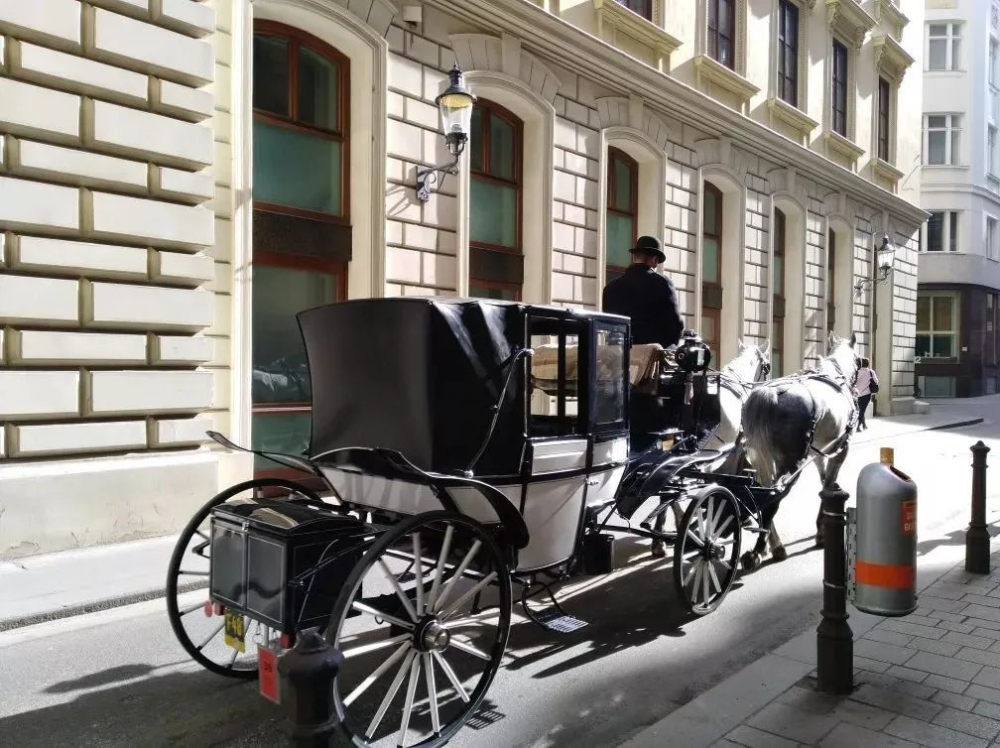
In those days, some people drove horse carriages around the city to earn a living, even on freezing winter nights. Ein Spanner, a Viennese carriage driver, was one of them. Vienna's winter nights are bitterly cold, and he needed a drink that would keep him alert, fill his stomach, and supply enough calories to sustain a long night of driving.
His solution was to pair coffee with cream and sugar — a steady source of calories and a jolt of caffeine to keep the carriage rolling. Remember, this was long before the third wave of coffee put bean quality first: coffee was inevitably poor, and since the espresso machine hadn't been invented yet, the most common way to make it was simply to grind the beans and boil them in a pot.
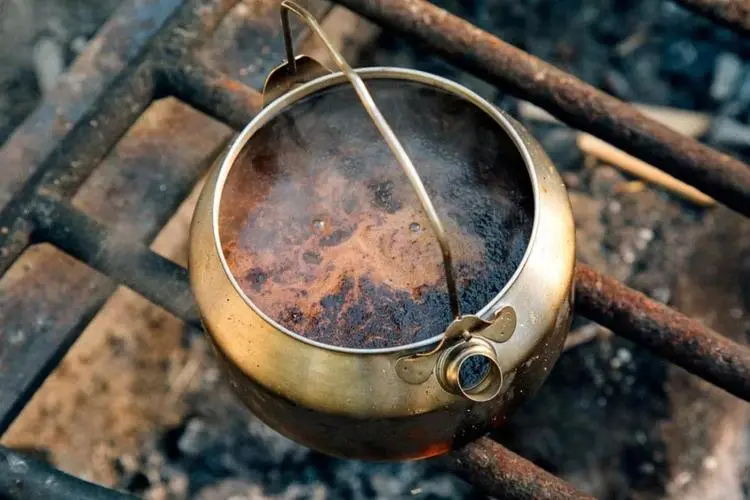
Low-quality beans pushed to an extremely high extraction rate made coffee with a very strong effect (because it was brutally bitter!). The cream was there partly for calories and partly to soften that bitterness. But as he drank, the cream layer shrank — and once it was gone, the naked coffee turned bitter again. So he hit on a clever fix: a layer of white sugar at the bottom of the cup, so the drink stayed drinkable even after the cream ran out. A coffee invented to solve a carriage driver's problems naturally took the name of his trade: Fiaker Coffee. Order a "Fiaker" at a Viennese cafe and you'll understand why "Vienna Coffee" never appears on the menu.
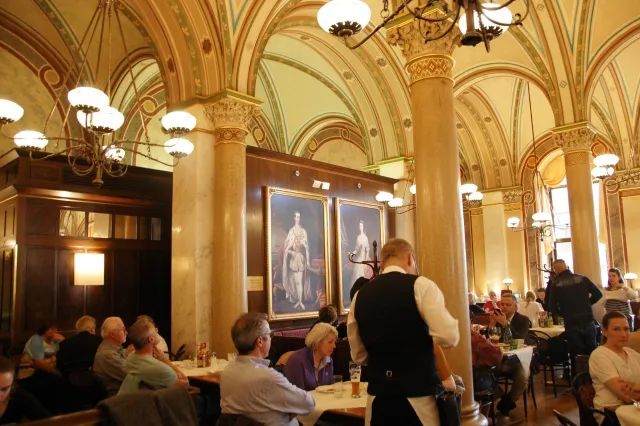
How to Make Vienna Coffee
In short, the original version was strong black coffee over a sugar base, crowned with cream. Years of evolution have produced the now more popular "latte + cream" style. Today, let's make both the past and present versions.
Besides your usual espresso kit, you'll need: whipped heavy cream!
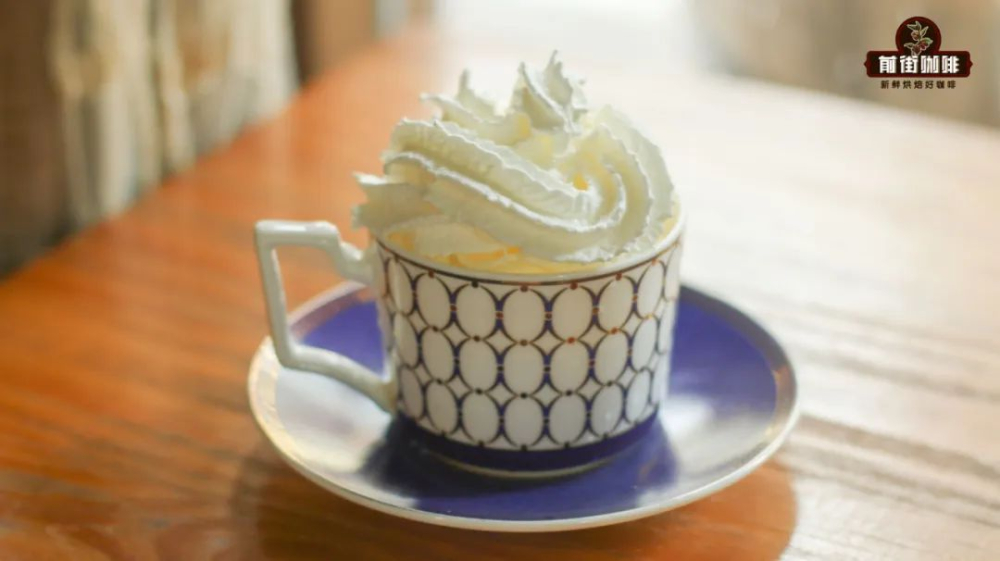
The Original "Vienna Coffee"
Pour 10g of white sugar into a tall glass. Extract 40ml of espresso from 20g of coffee in thirty seconds, mix it evenly with 80ml of 60°C hot water, and pour into the glass. Finish with a generous topping of cream.
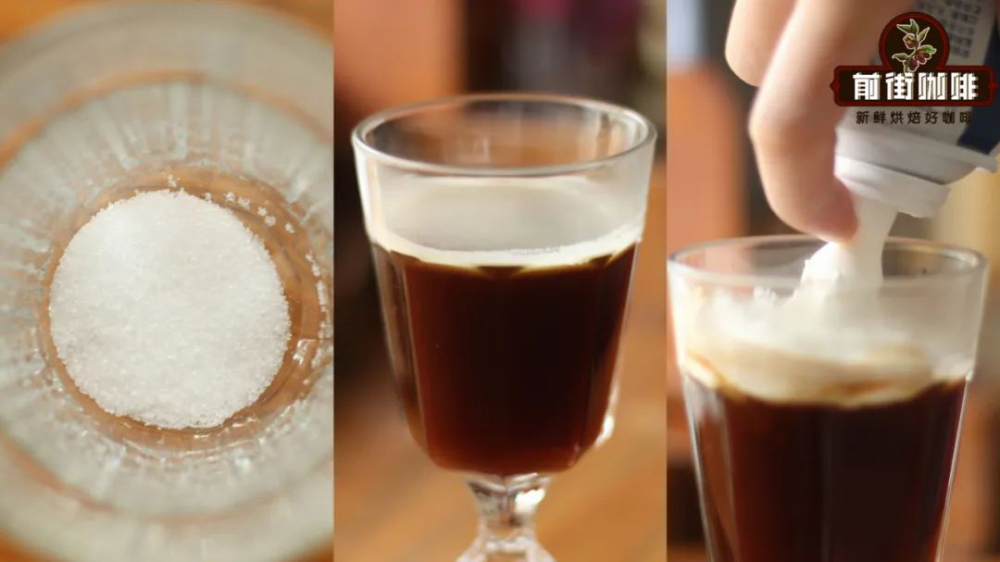
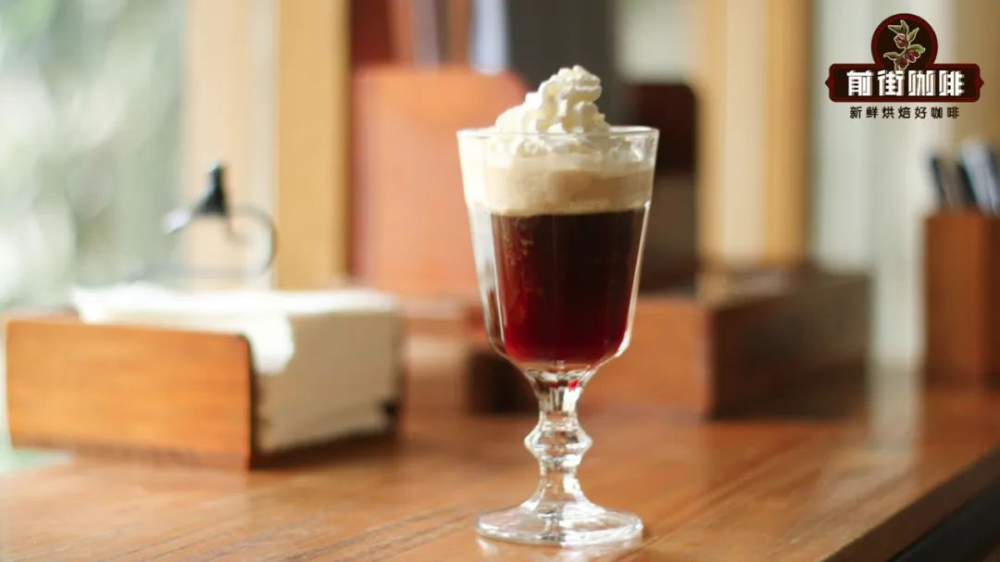
Done! (Dust the top with chocolate powder or caramel bits if you like.)
The Modern "Vienna Coffee"
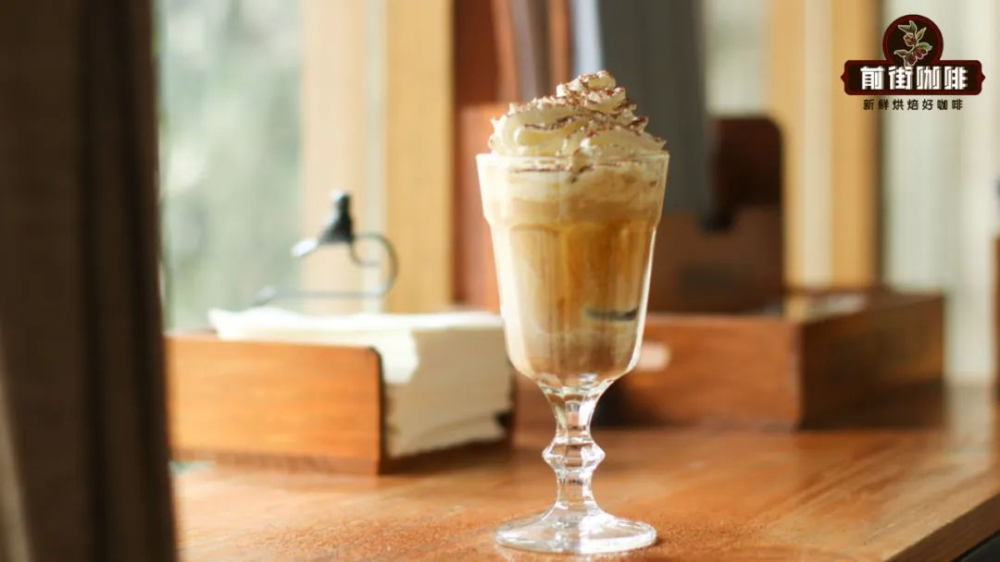
Put 60g of ice cubes in a glass, pour in 120ml of fresh milk, and add flavored syrup in place of the sugar (plain sugar won't dissolve over ice). Then pour over 40ml of freshly extracted espresso!
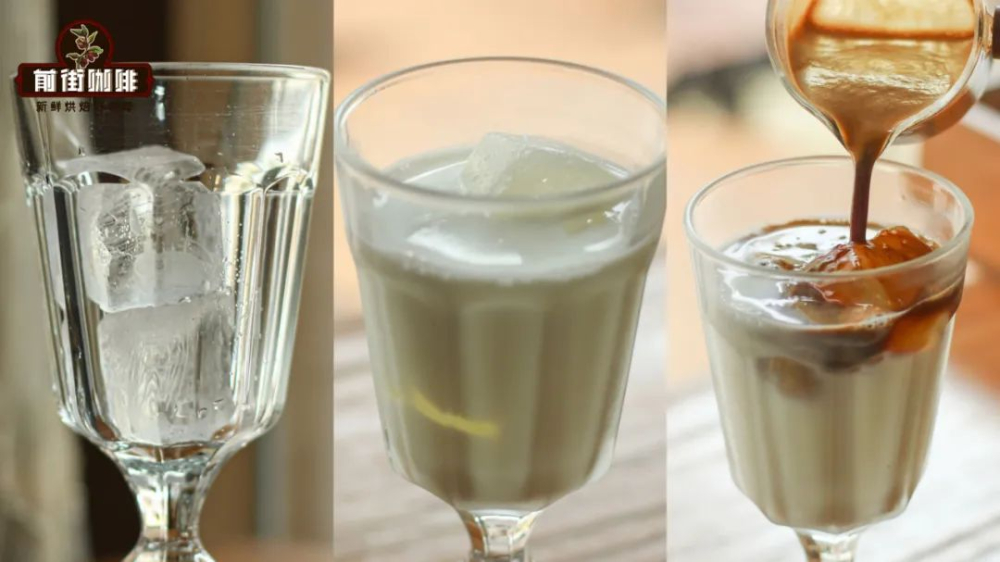
Squeeze a generous amount of cream (to taste) in the center until the glass is full! (Chocolate powder or caramel bits on top, as before.)
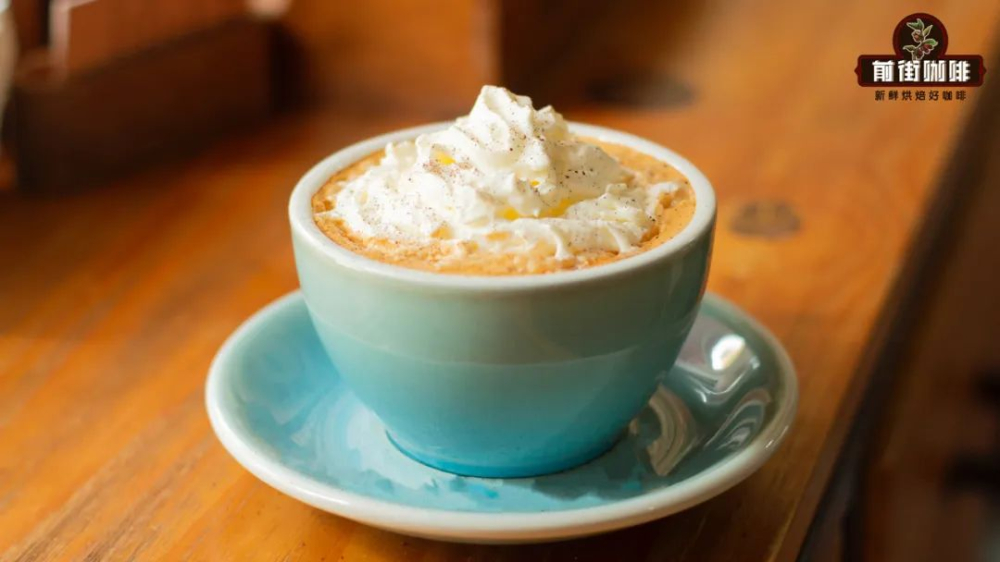
The hot version is even easier. Build a hot latte without latte art from 40ml of espresso, 10ml of flavored syrup, and 160ml of milk, then crown it with as much cream as you like.
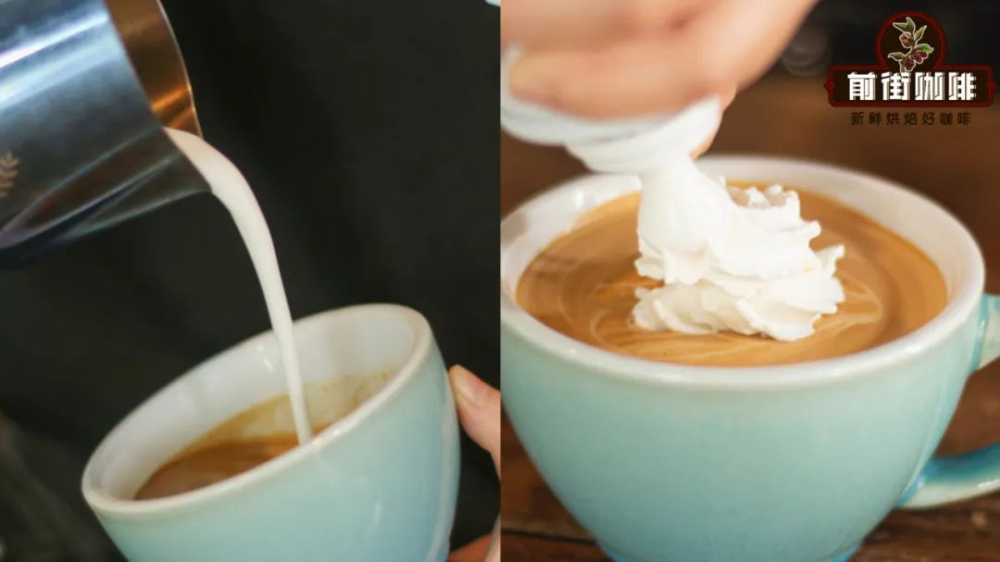
Done! Sip it straight and you get the full, rich texture of the cream; stir it and the flavor turns into something else entirely. It's easy to make, so give it a go at home if you can.

FrontStreet Coffee Recommendation
A cream-topped drink needs a coffee with enough character to stand up to it — and few origins reward that search like Panama. FrontStreet Coffee's Boquete Washed Geisha, grown at 1600 meters on the fertile volcanic slopes of Boquete, delivers the jasmine fragrance, green tea, honey, citrus, and orange notes that make Geisha legendary — a wonderful estate-level entry into Panama's flagship variety.
For a more affordable taste of that heritage, FrontStreet Coffee's Panama Flower Butterfly (Hua Hudie) carries half Geisha lineage — a blend of Geisha, Caturra, and Catuai grown around the Baru volcano, combining Geisha's jasmine aroma with citrus acidity and a solid body, at home in both pour-over and cold brew. And for the top of the line, FrontStreet Coffee's Esmeralda Red Label Geisha — harvested from a single plot above 1700 meters and cupping at 91+ with refined orange-blossom honey notes — is the pinnacle experience.
Important Notice :
FrontStreet Coffee is a long-established specialty coffee roaster in Guangzhou China, selling freshly roasted beans from its own farm in Yunnan as well as dozens of carefully selected single-origin beans from around the world for both pour-over and espresso. The products deliver consistently excellent quality and great value, with shipping within 24 hours. Guangzhou's FrontStreet Coffee shop is recommended by many coffee lovers, and the beans are now available online at the Tmall 。
FrontStreet Coffee has moved to a new address:
FrontStreet Coffee Address: 315,Donghua East Road,GuangZhou
Tel:020 38364473
 Scan and follow the En Gafei WeChat official account. Please indicate that the reprint comes from "En Gafei".