
What Grade is Geisha Coffee? Understanding Panama Geisha Coffee Brands and Essential Estates

Warming the cup and pot is a habit most tea drinkers share. They believe the step cleans and sanitizes the vessel while raising its temperature, and also helps the aroma come out when the tea is brewed.
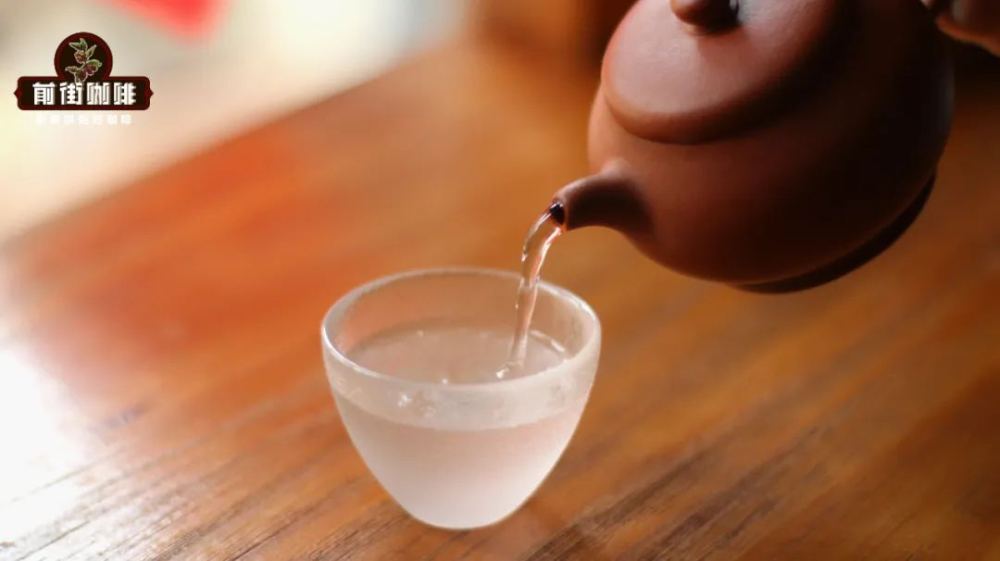
In coffee, cup warming is a similarly subtle action that many enthusiasts treat as default practice. They believe it affects the overall flavor and mouthfeel of the coffee. Others consider it optional, thinking it makes little difference either way. So is cup warming truly necessary for coffee?
Espresso Coffee
For espresso-based drinks such as espresso, hot latte, flat white, and cappuccino, these conventional beverages are best enjoyed hot, when they are aromatic and offer a rich, delicate mouthfeel. Once cooled, the aroma fades noticeably and the mouthfeel turns dull and coarse. Once completely cold, they become unpleasant, far worse than they were at medium to high temperatures. For espresso coffee, then, working with room temperature and dialing in the optimal serving temperature is crucial.

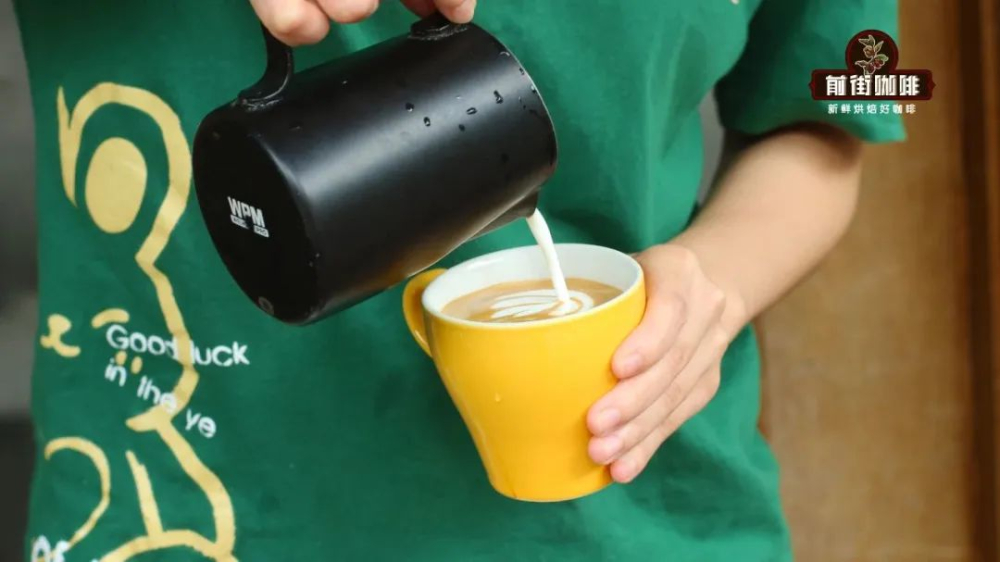
Take the popular hot latte: baristas typically keep the milk between 55 and 65°C during preparation. After it meets the espresso, the finished drink settles around 50 to 60°C — the range in which milk coffee tastes best and latte art holds longest.
Because cups for hot milk coffee usually have thick ceramic walls and conduct heat well, a room-temperature cup will absorb some of the coffee's heat, dropping the temperature further and making the lactose taste less sweet. And if it is the season for long sleeves, meaning a lower room temperature, the coffee cools faster and the foam breaks down sooner, both at once.
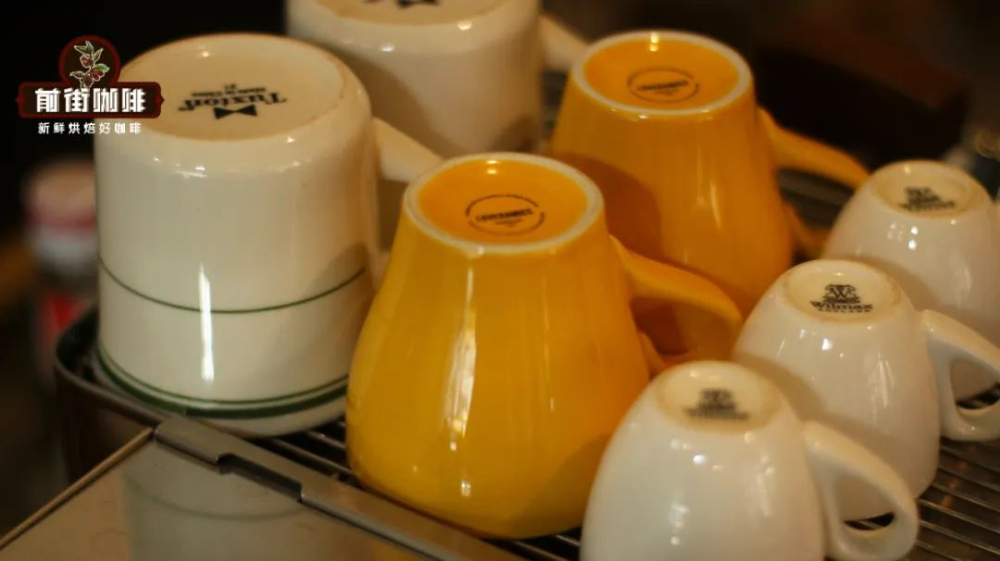
That is why many cafés stack their spare cups on top of the espresso machine, using heat from the boiler to warm and hold them. Especially in autumn and winter, baristas serve dine-in drinks straight from those preheated cups.
If, however, you are still in short sleeves and the room is above 25°C, cups preheated on the machine can become scalding. Using them for a hot milk coffee makes the cup awkward to hold while pouring latte art and also spoils the tasting experience through the overly hot rim. In that case, rather than risk a burn, FrontStreet Coffee suggests simply rinsing the inside of the cup with hot water, which still minimizes heat loss from the coffee.
Pour-Over Coffee
Pour-over is different. Here we care about how the coffee expresses itself at high, medium, and low temperatures, and whether to warm the cup depends on the shape and size of the vessel you serve it in.
The high-temperature range for pour-over is roughly 50 to 70°C. Above 70°C it is actually too hot for the mouth, making flavors hard to pick out. Most people struggle to tell subtle differences between coffees at high temperature. With fruit-acid-toned beans, for instance, the distinctions are hard to catch while hot, though you can immediately tell the coffee belongs to the fruit-acid category.
The medium range, generally around 35 to 50°C, is where delicate flavors show best. At this temperature many subtle notes become detectable, and it is also the range in which we are most sensitive to sweet and sour tastes. The low range runs from about 35°C down to room temperature, where negative flavors are more likely to surface.
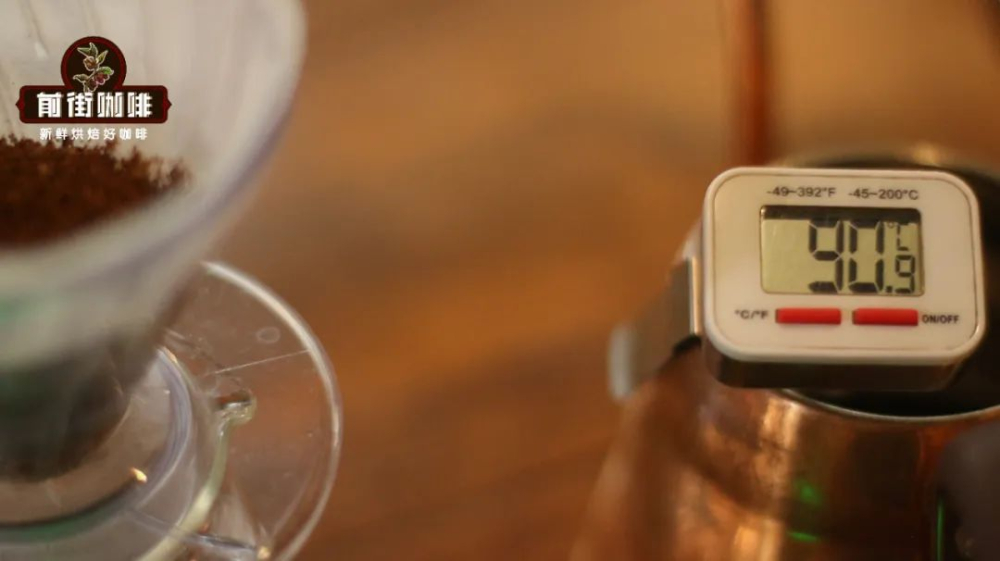
For example, when FrontStreet Coffee brews with 90°C water and preheats the sharing pot at the same water temperature, the coffee sits around 70 to 75°C once the drip is complete. Pouring that slightly hot coffee into a room-temperature small cup cools it down appropriately — preventing burns while bringing the drinking temperature into the range where flavor perception is most sensitive.
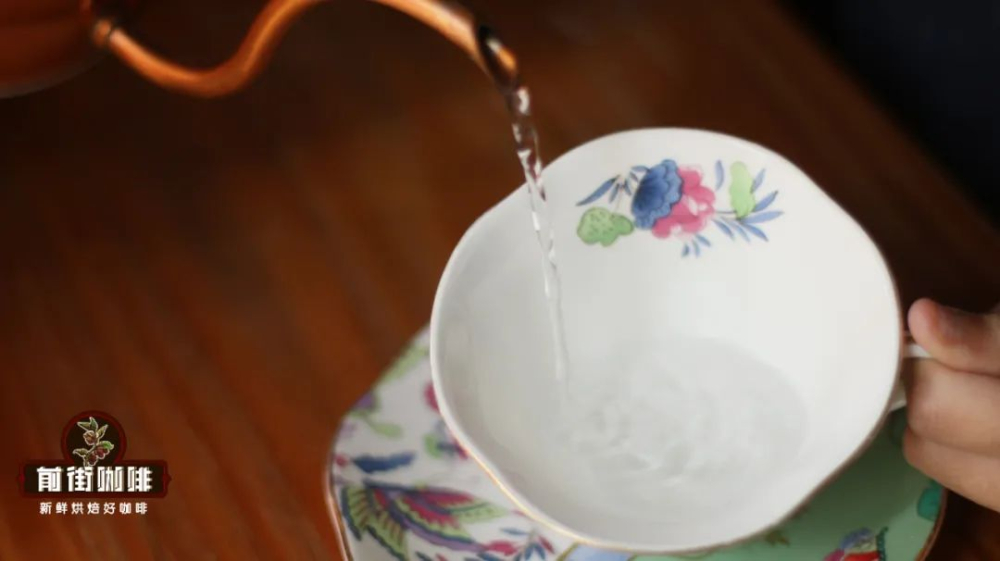
But if you pour into a wide-mouthed, large-capacity cup, heat escapes faster than it would in the sharing pot. In that case, follow the Cantonese habit of "rinsing the bowls" with boiling water before a meal — it helps hold the coffee's temperature.
Conclusion
In short, cup warming is not an essential step in coffee preparation, but to improve the drinking experience we can decide whether and how to warm our cups based on the actual circumstances.

FrontStreet Coffee Recommendation
The more delicate a coffee is, the more it rewards getting the serving temperature right — and few coffees are more delicate than Geisha. FrontStreet Panama Boquete Geisha is an accessible entry into the varietal, and served in a properly warmed cup its classic orange-blossom honey, oolong-tea body, and fine fruit acidity come through cleanly instead of flattening out as the cup cools.
If you want to explore Geisha further, FrontStreet Genlana Geisha, grown in Ethiopia's Yirgacheffe area around the Genlana processing station, is roasted medium-light and shows bright citrus acidity, elegant ginger-lily florals, and ripe-fruit sweetness. Its fine, silky texture and signature Geisha finish are exactly the kind of detail that a warm cup preserves and a cold one erases.
Important Notice :
FrontStreet Coffee is a long-established specialty coffee roaster in Guangzhou China, selling freshly roasted beans from its own farm in Yunnan as well as dozens of carefully selected single-origin beans from around the world for both pour-over and espresso. The products deliver consistently excellent quality and great value, with shipping within 24 hours. Guangzhou's FrontStreet Coffee shop is recommended by many coffee lovers, and the beans are now available online at the Tmall 。
FrontStreet Coffee has moved to a new address:
FrontStreet Coffee Address: 315,Donghua East Road,GuangZhou
Tel:020 38364473
 Scan and follow the En Gafei WeChat official account. Please indicate that the reprint comes from "En Gafei".

