As the Temperature Drops, How Can We Ensure Pour-Over Coffee Brewing Isn't Affected?
Today, Guangdong province has finally cooled down after the typhoon washed through, and it truly feels like autumn at last. But did you know that this drop in temperature also makes brewing a little harder? If you are not careful, it can quietly change the final flavor of your coffee. So as the cold season approaches, what extra details should we keep in mind when brewing?

1. Increase the Brewing Water Temperature
The water temperature we pour when brewing is actually not the same as the temperature set inside the kettle. What does that mean? Say we set the brewing temperature to 92°C; that is the temperature inside the kettle. But as the water leaves the spout it starts to cool, because it meets the air outside the kettle. By the time it lands on the coffee grounds it has dropped to around 87°C.
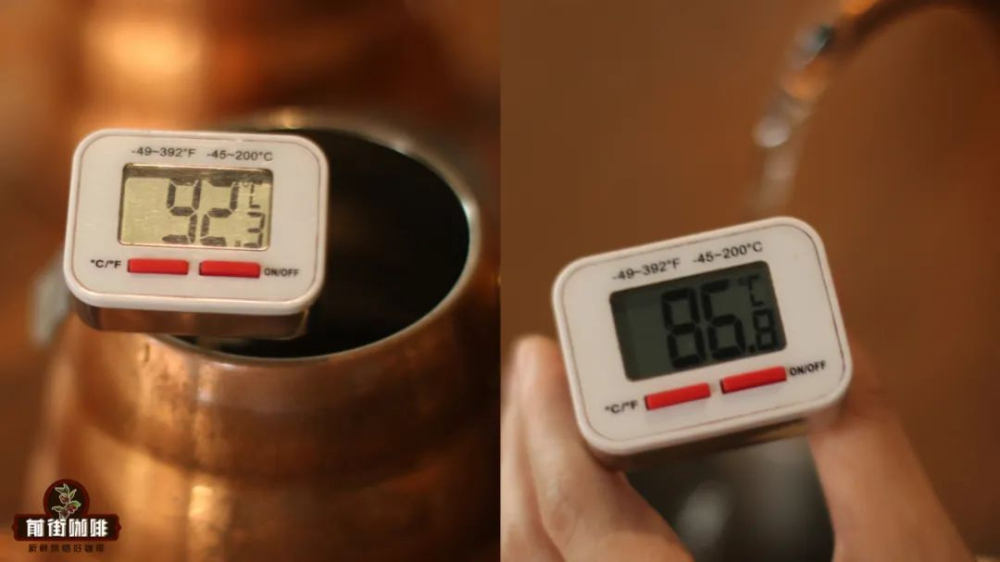
With the recent sharp drop in temperature, though, the air the hot water passes through is naturally colder, so the poured water loses even more heat before it reaches the bed. If we keep brewing with our original setting, the water that arrives at the grounds will be cooler than before, and the coffee will come out without the fullness and richness it once had.
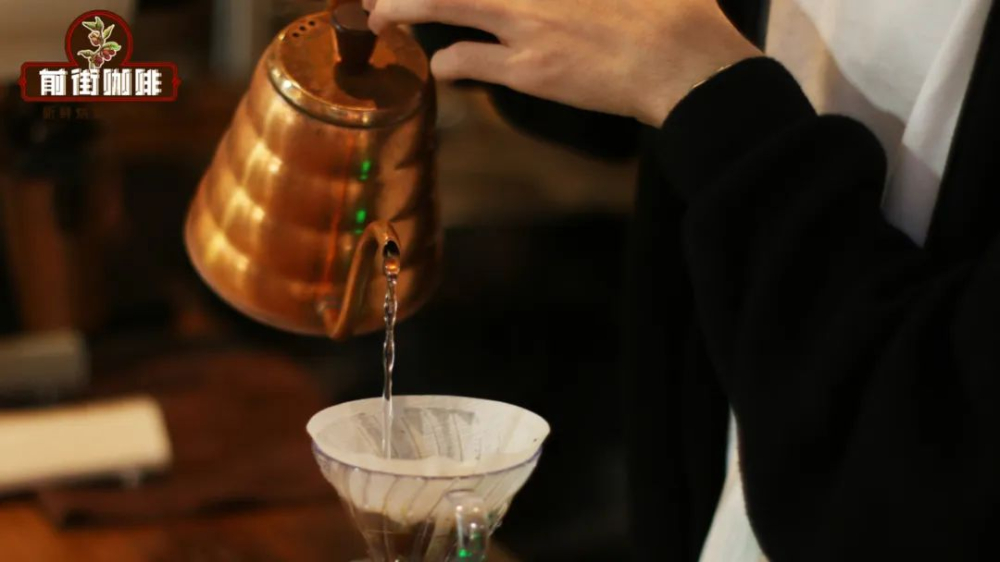
To avoid under-extraction in colder weather, we can raise our usual water temperature by 1-2°C, or lower the pour height so the stream has less contact with cold air, making sure the water that reaches the grounds still has the strength to extract properly.
2. Preheat the Coffee Equipment
In an article FrontStreet Coffee wrote two days ago, titled "Should You Use Hot Water for Wetting Filter Paper?", we touched on preheating the dripper. In fact it is not only the dripper; the vessel that holds the coffee also retains heat differently once it has been preheated.
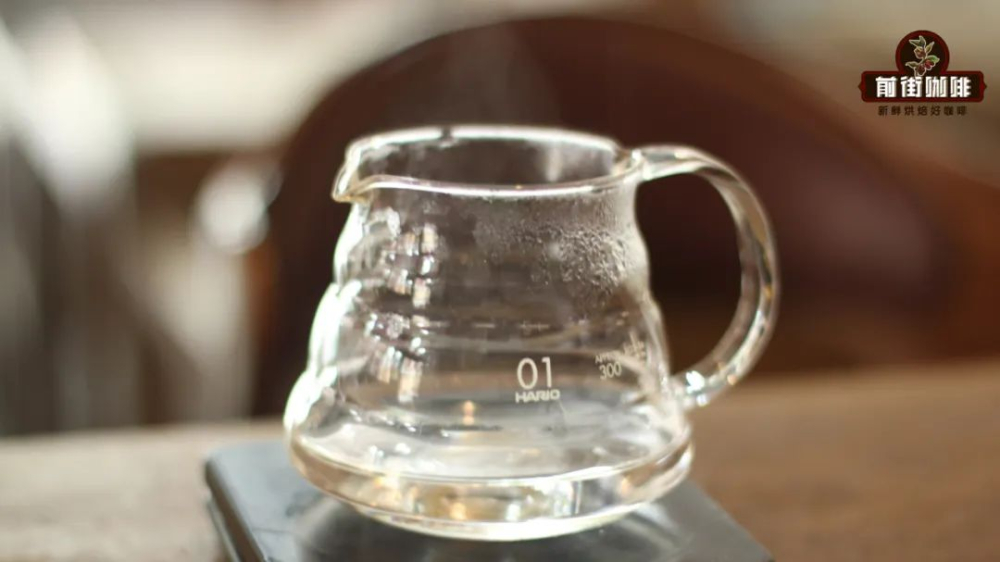
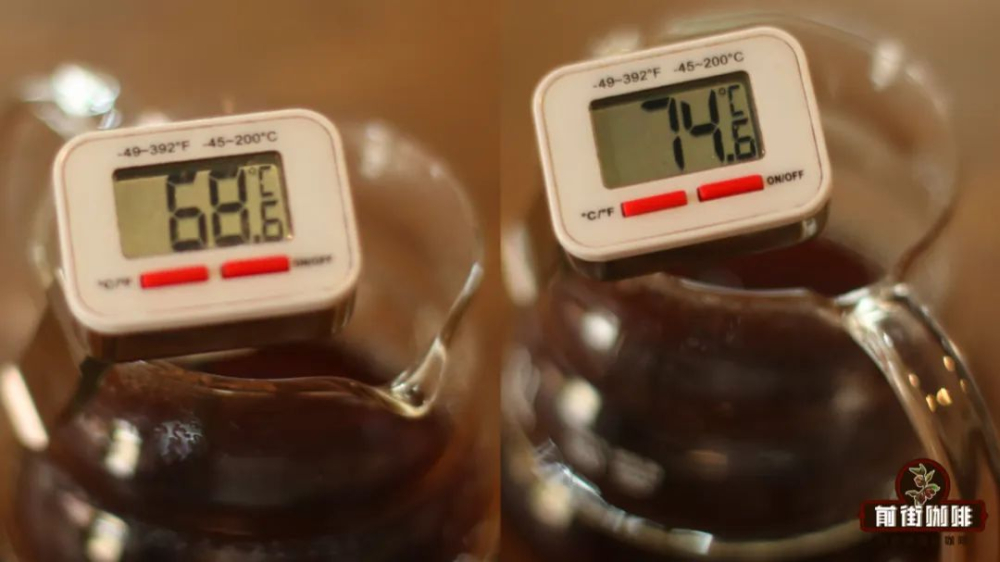
Take the server, for example. Without preheating, the coffee that falls into the pot after brewing sits at around 69°C, because the room-temperature server absorbs a certain amount of heat from the liquid. After preheating, the coffee in the pot stays around 75°C, which noticeably extends how long the temperature holds and slows the rate of heat loss.
3. Dealing with Static Electricity in the Grounds
When temperatures are lower, friction and collisions between objects build up static more easily, and coffee grounds are no exception. Finer grinds are especially prone to it. Static causes two problems: one is clumping, and the other is retention in the grinder, meaning 15g of beans might yield less than 15g of grounds because some stick to the machine.

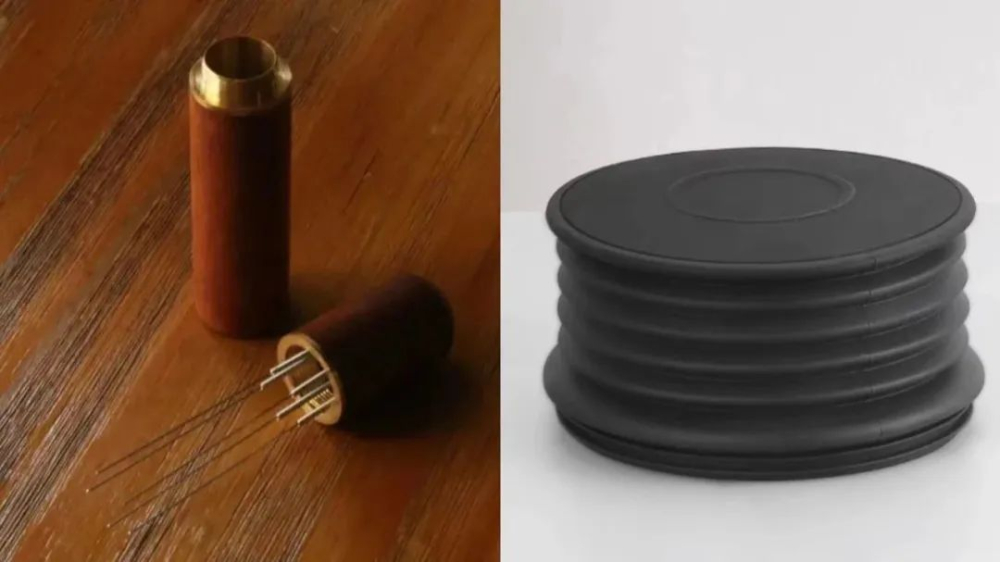
Many grinders have an anti-static device at the exit, but it does not do much. This is where distribution needles and an air blower earn their keep. Before extraction, use distribution needles, or another needle-like tool, to break up clumped grounds so extraction is more even and the flavor of the finished cup does not swing wildly. An air blower, meanwhile, clears out the grounds clinging to the grinder's exit, so your beans yield the same weight of grounds every time.
Beyond these details, if you use a kettle without temperature control, it helps to pour more hot water than you need so the water inside cools more slowly. If you use a temperature-controlled kettle, you can set it back on the base during the pauses for blooming and draining to hold the temperature, keeping your coffee properly extracted for as long as possible.
- END -
FrontStreet Coffee
No. 10, Bao'an Qianjie, Yandun Road, Dongshankou, Yuexiu District, Guangzhou, Guangdong Province

FrontStreet Coffee Recommendation
When the air turns cold, a coffee with a little more body and sweetness brews more reliably, and a few FrontStreet single origins fit that brief perfectly. FrontStreet Jamaica Blue Mountain No.1 is the balanced classic: it has neither the aggressive fruit acidity of some African coffees nor the heavy bitterness of a dark roast, instead sitting evenly among acidity, sweetness, bitterness, and aroma, with cream, caramel, chocolate, nut, and honey notes, a soft rounded entry, and a clean, lingering finish. It is often called the specialty coffee that most people find easiest to love.
FrontStreet Papua New Guinea Bird of Paradise, from the Sigri region, grows Typica on volcanic soil at 1,600-1,800 meters, is graded AA, and is processed with a triple washed fermentation, giving a clean, pure cup with a pronounced sweetness and very low defect rate; its texture is so close to Blue Mountain that drinkers nickname it "little Blue Mountain." FrontStreet Yunnan 2013 Sun-dried Typica leans cleaner still, with citrus and caramel woven together and, thanks to a medium-dark roast, a touch of nut, chocolate, and brown sugar over a medium acidity. It is a fine way to taste the terroir of Yunnan without losing the warmth the season calls for.
Important Notice :
FrontStreet Coffee is a long-established specialty coffee roaster in Guangzhou China, selling freshly roasted beans from its own farm in Yunnan as well as dozens of carefully selected single-origin beans from around the world for both pour-over and espresso. The products deliver consistently excellent quality and great value, with shipping within 24 hours. Guangzhou's FrontStreet Coffee shop is recommended by many coffee lovers, and the beans are now available online at the Tmall 。
FrontStreet Coffee has moved to a new address:
FrontStreet Coffee Address: 315,Donghua East Road,GuangZhou
Tel:020 38364473
 Scan and follow the En Gafei WeChat official account. Please indicate that the reprint comes from "En Gafei".