Panama Hacienda La Esmeralda Growing Areas Detailed Guide - Classification System for Esmeralda Auction Red and Green Label Geisha
Hacienda La Esmeralda's Division System and Geisha Classification
Anyone familiar with Geisha beans knows that Hacienda La Esmeralda has long maintained an exclusive and relatively mature grading system. Since the 2022 harvest, El Velo farm has officially joined commercial production. The Peterson family has not only set out "new concepts" for the grades of both major Geisha lines, but the Green Label now also carries information about the harvest plot.
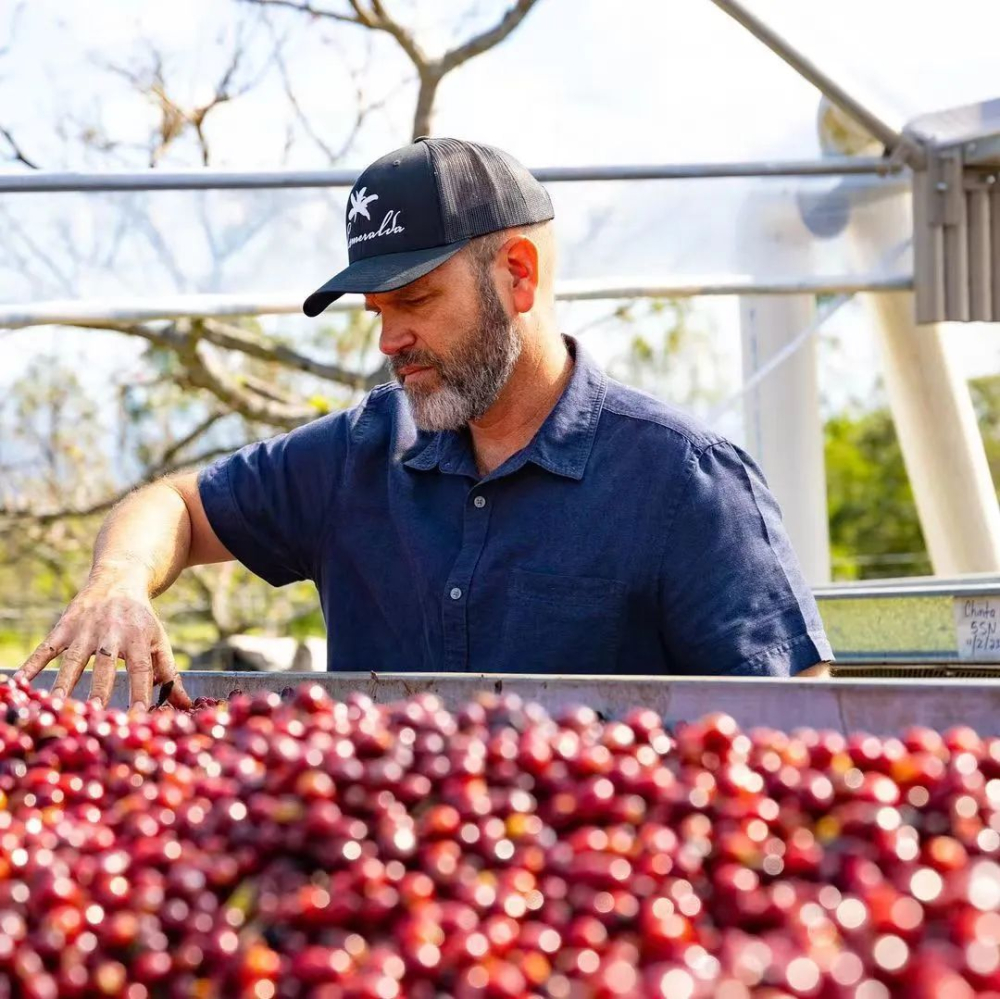
In this article, let us look at Hacienda La Esmeralda's plot divisions and its detailed Geisha grading system from a fresh angle.
Hacienda La Esmeralda Plot Division
Hacienda La Esmeralda comprises four main coffee-growing areas, and three major plots cultivate the Geisha variety: Jaramillo, Canas Verdes, and El Velo. Each plot is further subdivided into smaller parcels.
As the earliest estate purchased by the Peterson family, Jaramillo is the birthplace of Geisha, with coffee plants averaging more than 15 years of age. The terrain here is relatively low, with a maximum average elevation of only 1700 meters, but the steep slopes make harvesting difficult.
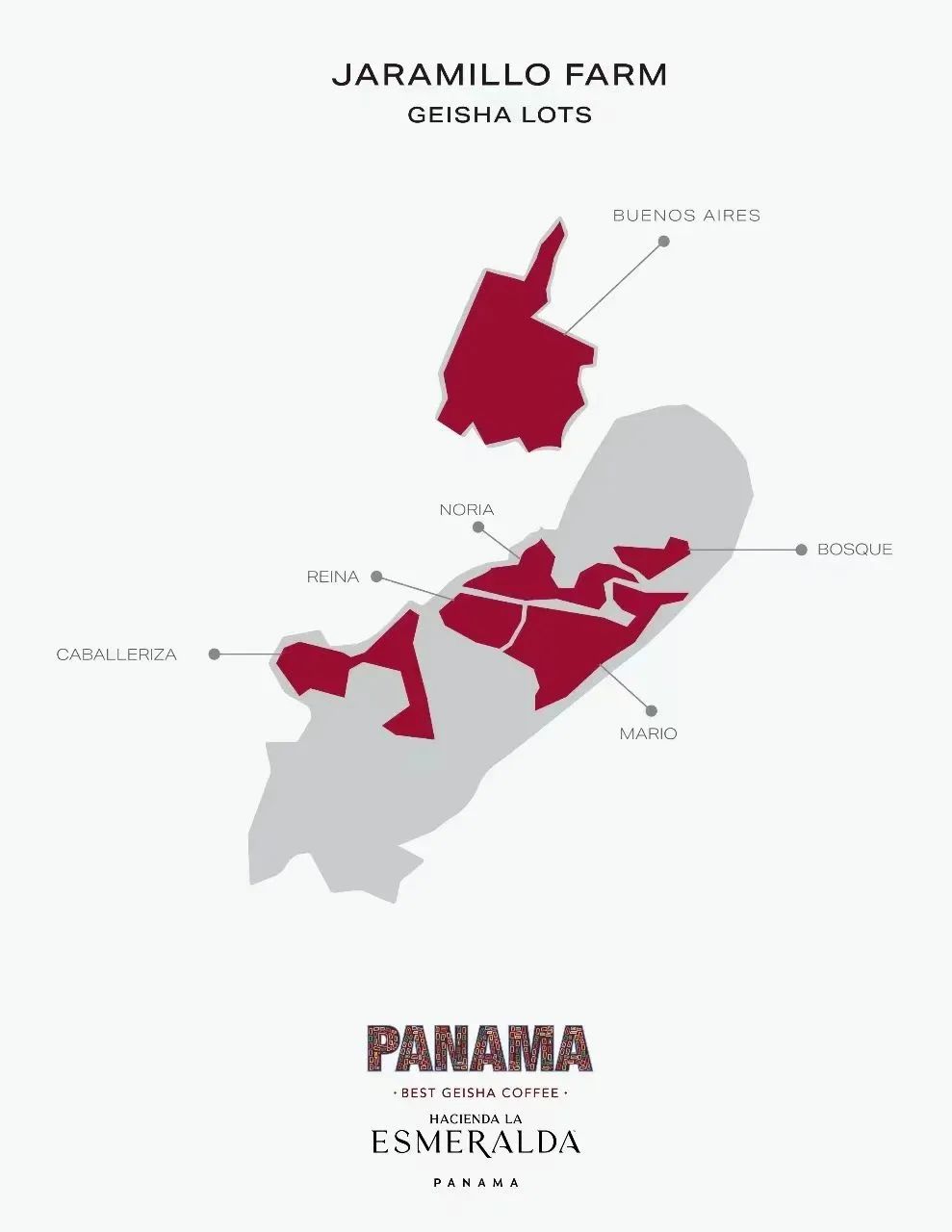
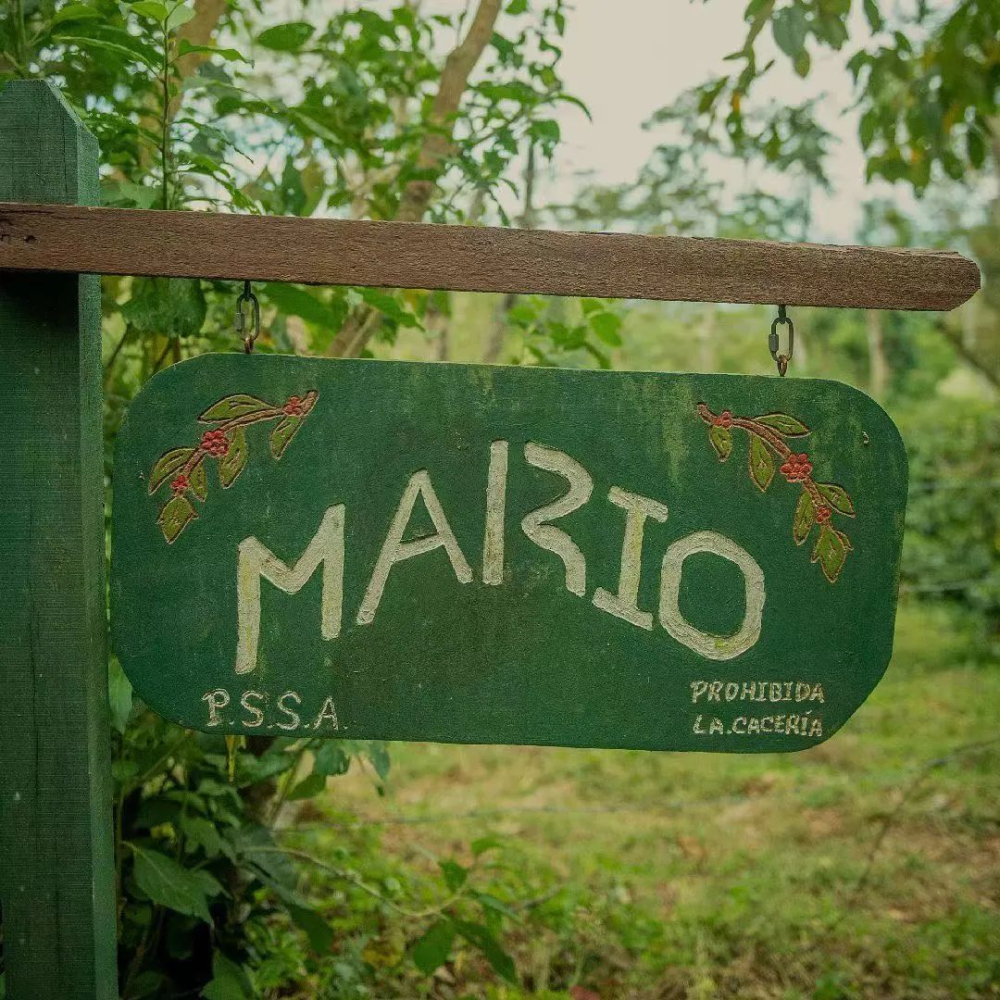
Jaramillo takes its name from the Jaramillo mountain range east of Boquete. Annual rainfall is 4000ml, average daytime temperatures are between 19-25°C, and average nighttime temperatures between 11-15°C. The humid, cool air combined with dense shade allows the bright floral aromas of Geisha to express themselves perfectly. Today the entire Jaramillo area is divided into 6 parcels for Red Label production: Mario, Noria, Reina, Bosque, Buenos Aires, and the newly added Caballeriza from last year, as well as Manantial, which has not yet been released to market.
In China, Canas Verdes estate is typically transliterated as "Kannasiweisi," while in Spanish the name means "green reeds" or "green fields." Half of Canas Verdes was acquired together with Jaramillo in 1967. After Geisha rose to fame in 2004, the Peterson family gradually began buying the surrounding small planting areas. Because the entire planting area lies on the eastern slopes of the Baru volcano, it spans a significant range of elevation, from 1500 to 2050 meters.
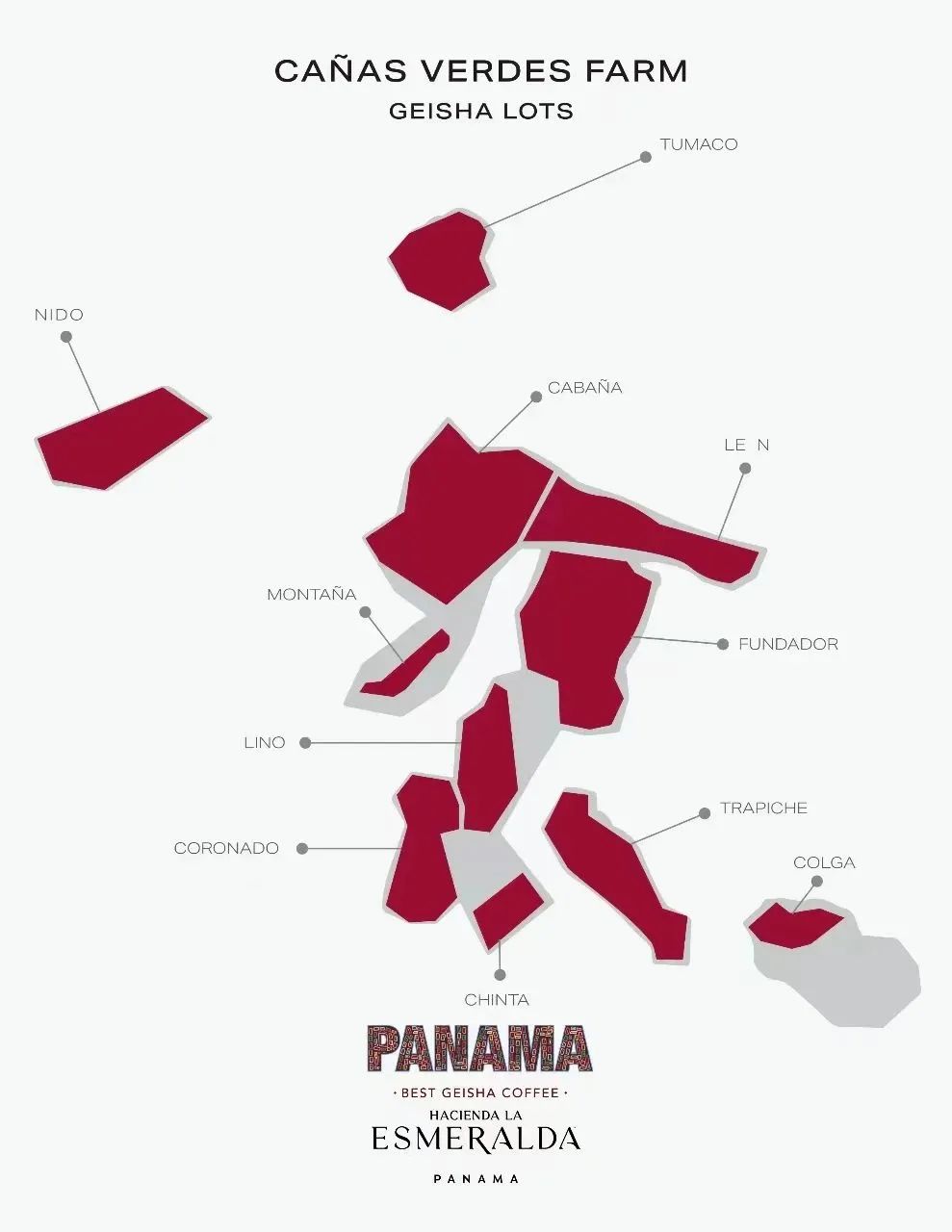
Canas Verdes receives an annual rainfall of 3500ml, with average daytime temperatures between 16-23°C and average nighttime temperatures between 10-15°C. Its highly complex terrain, volcanic soil, and pronounced day-night temperature difference give Geisha its aromatic character.
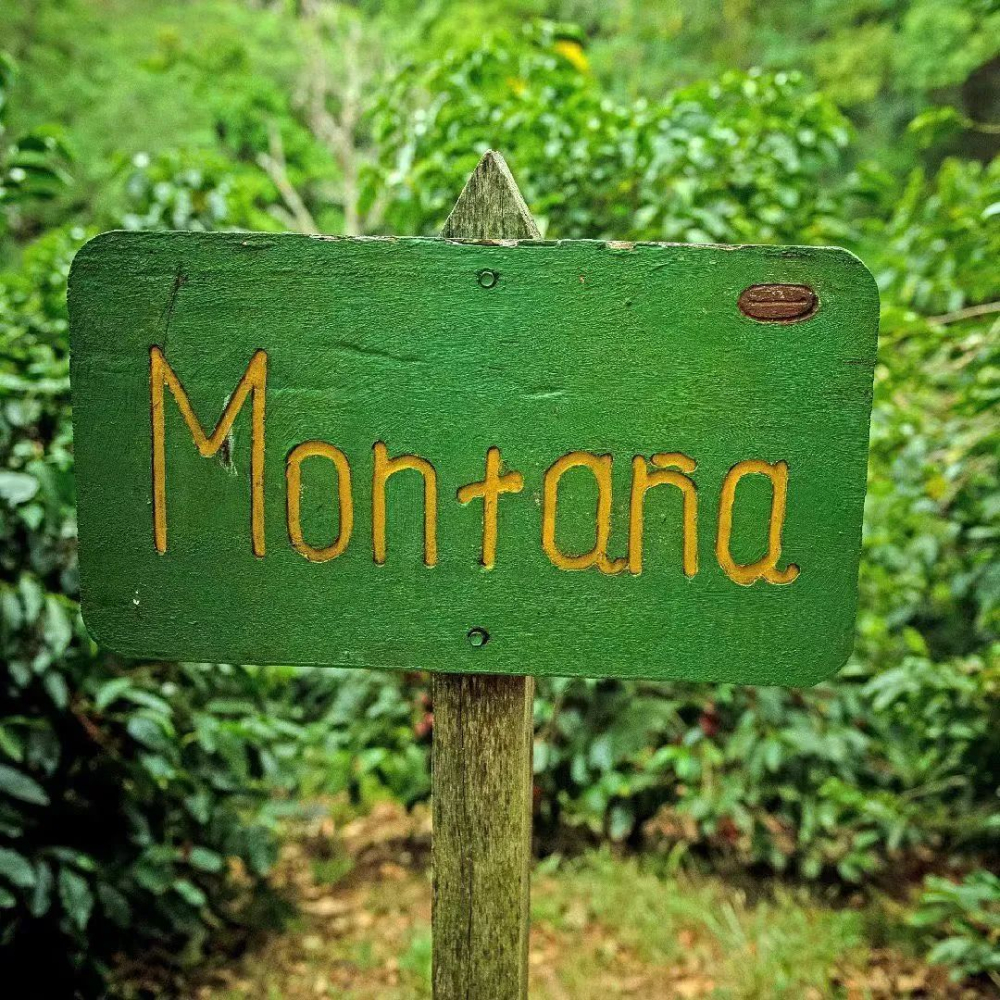
Currently, 11 small parcels in Canas Verdes grow Geisha: Lino, Coronado, Fundador, Leon, Montana, Trapiche, Jacinta, Cabana, Tumaco, as well as Nido and Colga.
El Velo is the newest farm purchased by Hacienda La Esmeralda, in 2012. It is the highest-altitude plot on the estate and the only area that has undergone detailed leveling. Besides producing Geisha as its main crop, El Velo also cultivates more than 400 coffee varieties purchased from CATIE, including Laurina, Pacamara, Mocha, and SL28, for long-term development and exploration.

Compared with the other two plantations, El Velo climbs from 1650-1900 meters along the mountain, with an average annual rainfall of 4000ml, average daytime temperatures between 16-25°C, and average nighttime temperatures between 11-16°C.
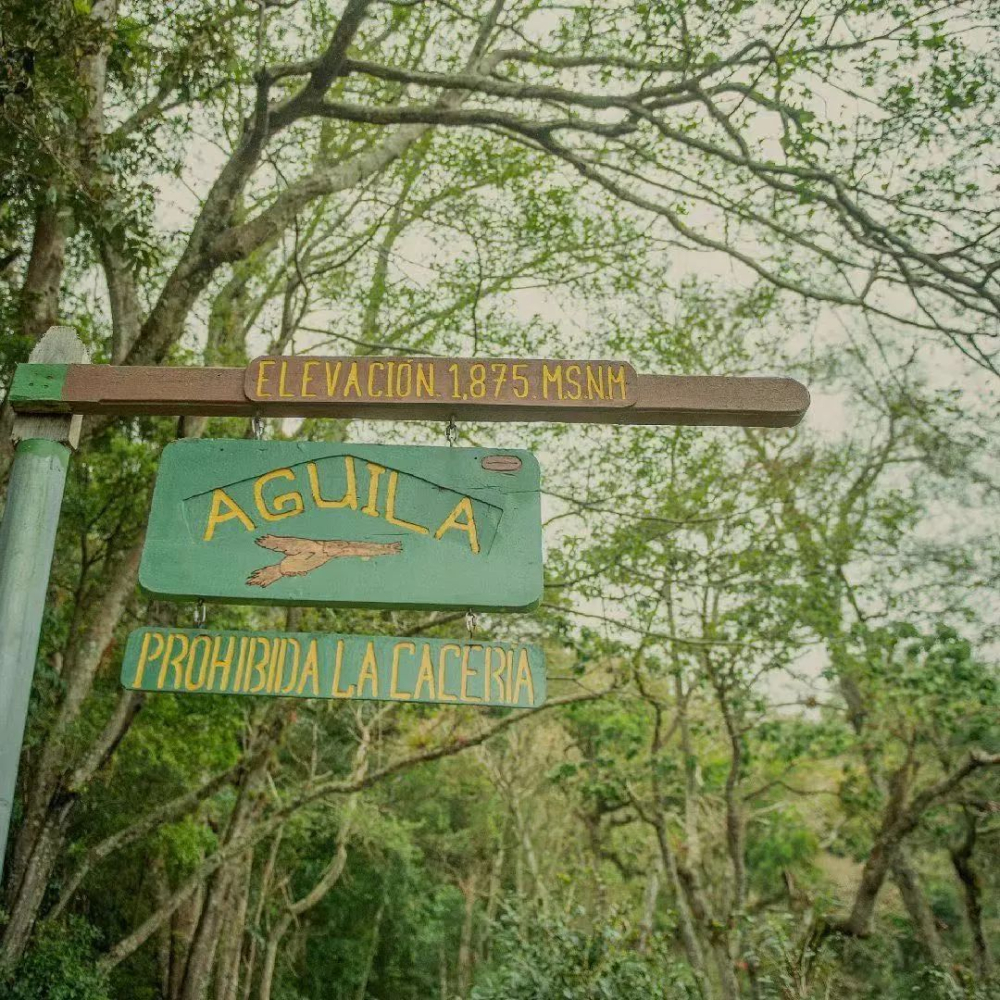
The entire area covers 50.25 hectares of coffee planting land, with 37.9 hectares dedicated to Geisha, divided into 7 detailed parcels: Guabo, Porton, Durazno, Mural, Higo, Buena Vista, and Aguila.
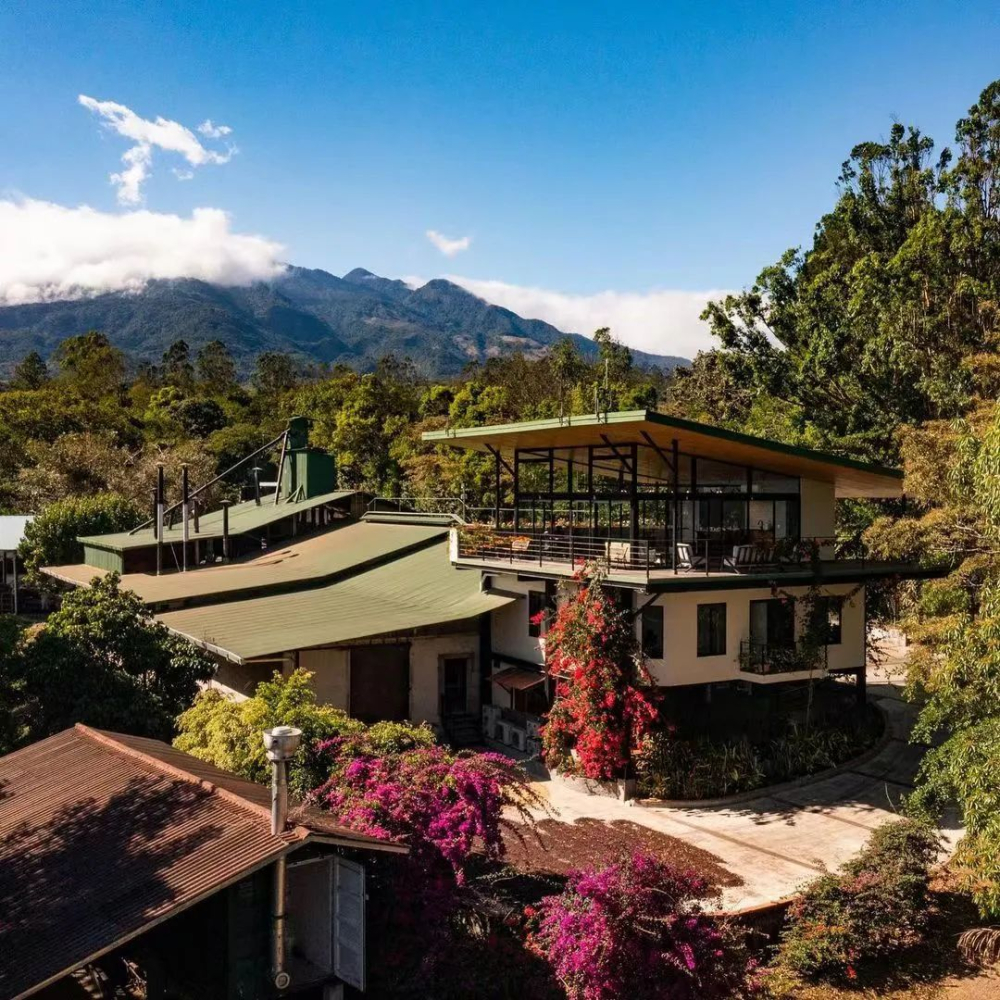
As for the lowest-altitude Palmira farm, it mainly grows Catuai, with roughly 30 hectares under cultivation. It was the earliest farm the Peterson family purchased. It not only serves as Esmeralda's internal office area but also houses the processing plant for all green beans.
Hacienda La Esmeralda's Two Major Geisha Grades
Under the management of the Peterson siblings, Hacienda La Esmeralda's Geisha green beans are divided into three major brands for the global market: Esmeralda Auction, Esmeralda Special, and Private Collection. Esmeralda Auction represents the estate's top-tier lots, carefully selected by Rachel and Daniel for the global auction. There are only two purchase channels: the Best of Panama green coffee competition and the estate's own independent auction.

Esmeralda Special
Esmeralda Special, commonly known as Red Label, represents the premium Geisha from Hacienda La Esmeralda outside the auction lots. It is grown at elevations between 1600-1800 meters, with cupping scores no lower than 91 points. Each micro-lot carries extremely detailed traceability, including plot, elevation, day-night temperature difference, latitude and longitude, tree age, harvest time, number of harvests, processing method, total yield, and more.
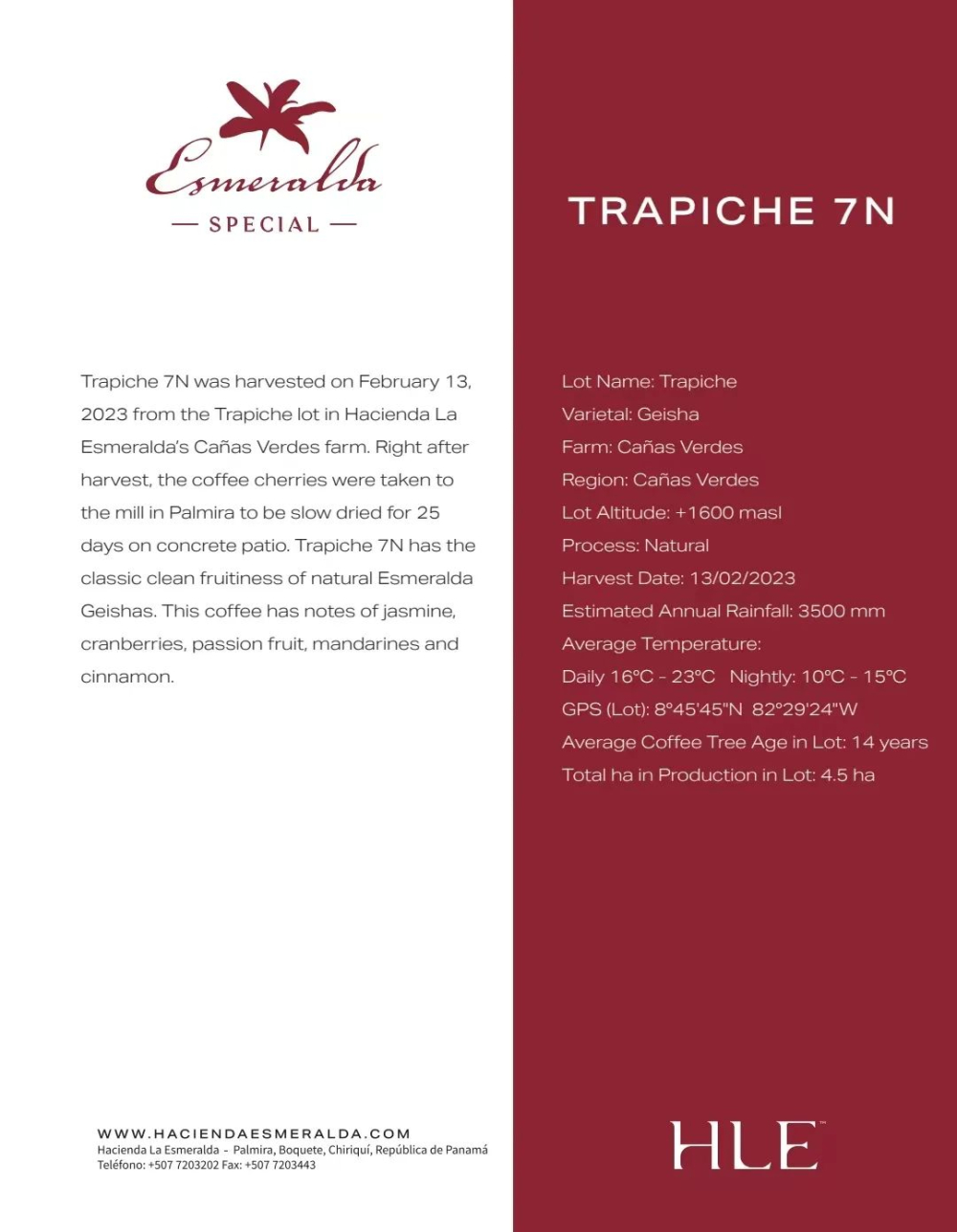
For example, the latest Esmeralda Red Label lot acquired by FrontStreet Coffee is selected from the Trapiche parcel of Canas Verdes estate, grown above 1600 meters, with a total Red Label yield of 4.5 hectares from this parcel. The cherries were harvested on February 13th of this year, representing the 7th harvest from the parcel, and processed using the natural method. The green beans underwent 25 days of slow natural drying, giving the coffee rich aromas of jasmine, cranberry, passion fruit, citrus, and cinnamon.
Private Collection
Private Collection, commonly known as Green Label, represents Geisha lots of excellent quality that do not enter the auction. Green Label is a blend of Geisha from different parcels within the two main estates, at elevations between 1600-1800 meters. With its classic citrus and honey notes, it has become the preferred choice for many budget-conscious Geisha fans. Since 2022, Hacienda La Esmeralda has also begun marking this grade with information about its major growing plots, specifying whether the coffee comes from Jaramillo, Canas Verdes, or El Velo.

According to information published on Hacienda La Esmeralda's official website, Green Label Geisha from different plots shows distinctive primary flavor profiles shaped by terroir. Green Label from Jaramillo carries intense jasmine and rose aromas; Green Label from Canas Verdes offers richer tropical fruit flavors; and Green Label from El Velo presents notes of lemongrass and florals.

FrontStreet Coffee Recommendation
To taste Geisha at the top level, FrontStreet Panama Esmeralda Red Label Gesha is the benchmark. Its official name is Esmeralda Special, and it is grown between 1600-1800 meters, with each lot cupping above 90 points and carrying its own number. Every lot comes from a single parcel, such as the Jaramillo parcel, so buyers can choose the batch that matches the subtle flavors they prefer most.
For a friendlier price, FrontStreet Panama Esmeralda Green Label Gesha, officially Private Collection, is blended from several parcels rather than tied to one, expressing the signature high-altitude Esmeralda Geisha character. It is not graded by parcel, which makes it considerably more affordable while still delivering the estate's classic citrus and honey profile.
If you simply want an introduction to the "Geisha flavor," FrontStreet Panama Boquete Gesha is the natural entry point. This entry-level Geisha, grown at around 1600 meters in the Boquete region on fertile volcanic ash soil, offers the classic Panamanian orange-blossom honey character, an oolong tea-like body, and delicate fruit acidity with clear layering.
Important Notice :
FrontStreet Coffee is a long-established specialty coffee roaster in Guangzhou China, selling freshly roasted beans from its own farm in Yunnan as well as dozens of carefully selected single-origin beans from around the world for both pour-over and espresso. The products deliver consistently excellent quality and great value, with shipping within 24 hours. Guangzhou's FrontStreet Coffee shop is recommended by many coffee lovers, and the beans are now available online at the Tmall 。
FrontStreet Coffee has moved to a new address:
FrontStreet Coffee Address: 315,Donghua East Road,GuangZhou
Tel:020 38364473
 Scan and follow the En Gafei WeChat official account. Please indicate that the reprint comes from "En Gafei".