Should You Use Hot Water or Room Temperature Water to Wet Your Filter Paper?
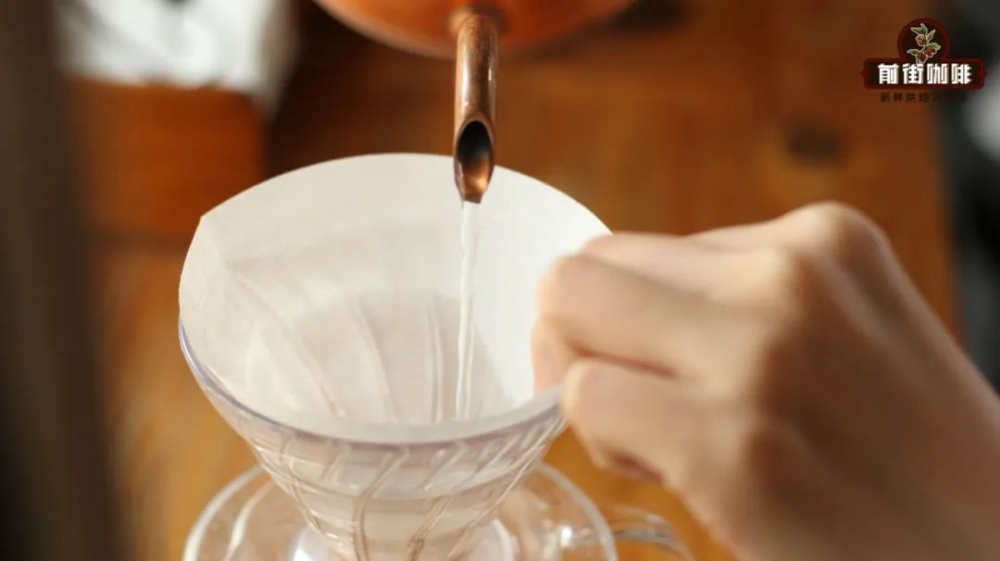
Most coffee enthusiasts wet their filter paper before brewing. The habit mainly ensures the paper sits snugly against the dripper, so hot water can't bypass the coffee bed and slip straight into the server. It also cuts down the coffee liquid the paper absorbs during blooming, and takes care of the now-rarely-mentioned issue of any papery taste.
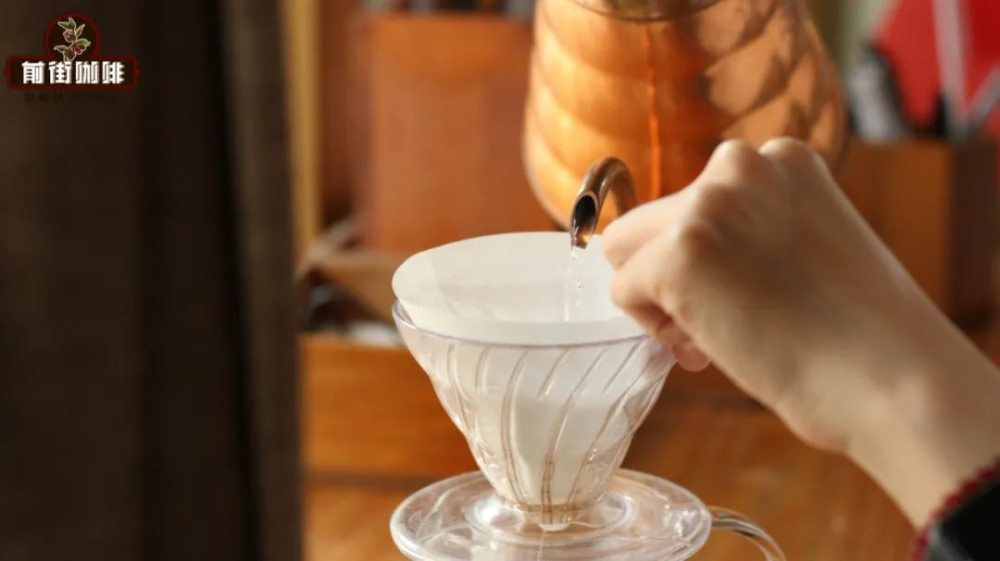
For those who routinely rinse their filter paper, one question keeps coming up: should you use hot water or room temperature water?

The question arises because many brewing devices genuinely do change coffee when heated. A heated espresso machine portafilter pulls shots with richer aromas, and preheated cups or servers slow the coffee's cooling. But logically, if rinsing the paper with hot water changed the flavor, the change wouldn't come from the paper itself — it would come from the dripper the paper clings to.
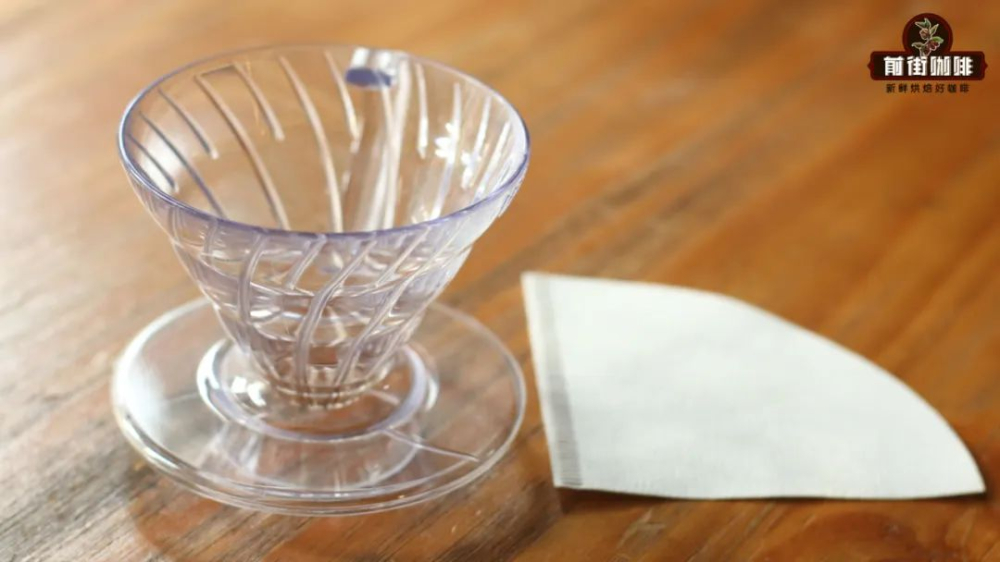
Water temperature only affects the filter paper in terms of removing taste; it's the "dripper" that drives any flavor change through temperature differences, with the paper merely acting as the medium connecting the two. So today, let's run some experiments to see what actually changes when filter paper is rinsed with water at different temperatures!
Experimental Comparison by FrontStreet Coffee
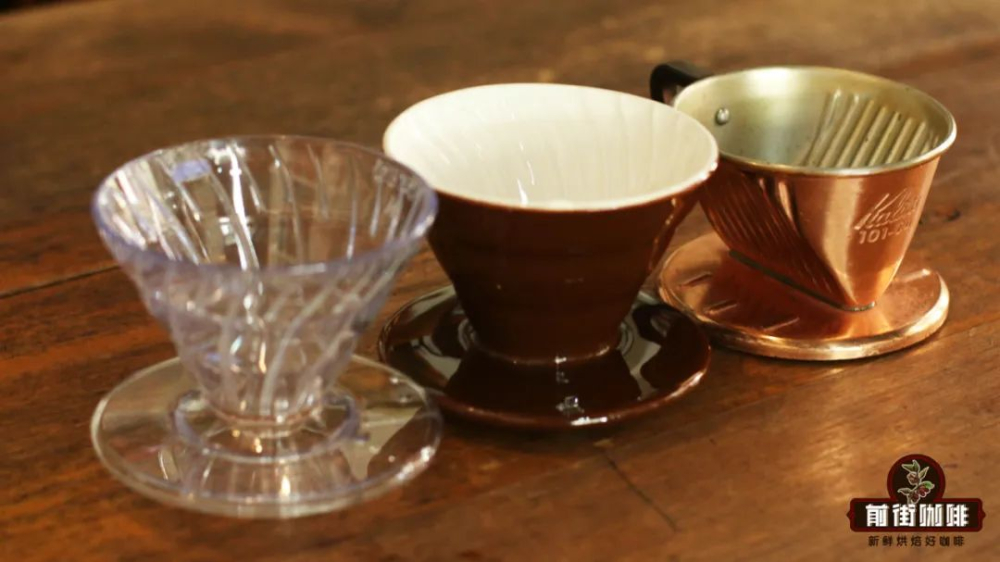
FrontStreet Coffee ran the experiment with drippers made of three different materials: resin, ceramic, and copper. In each group, the filter paper was rinsed with either room temperature water or hot water above 90°C, and we compared the resulting coffee.
Brewing Parameters
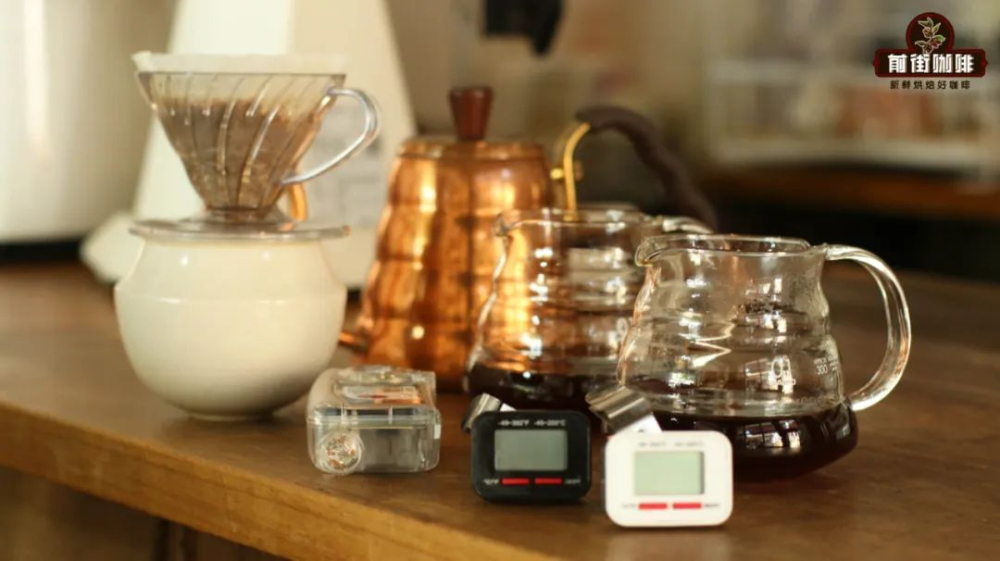
The experiment used a light-medium roast Ethiopian Santa Vani coffee bean: 15g of coffee, a 1:15 coffee-to-water ratio (225ml of water), water temperature of 92°C, grind at EK43 setting 10, and a three-pour brewing method.
1. Resin Dripper
Room temperature group: coffee liquid temperature 65°C, strength 14.9%.
Hot water group: coffee liquid temperature 67°C, strength 14.7%.
2. Ceramic Dripper

Room temperature group: coffee liquid temperature 66°C, strength 14%.
Hot water group: coffee liquid temperature 71°C, strength 14.4%.
3. Copper Dripper
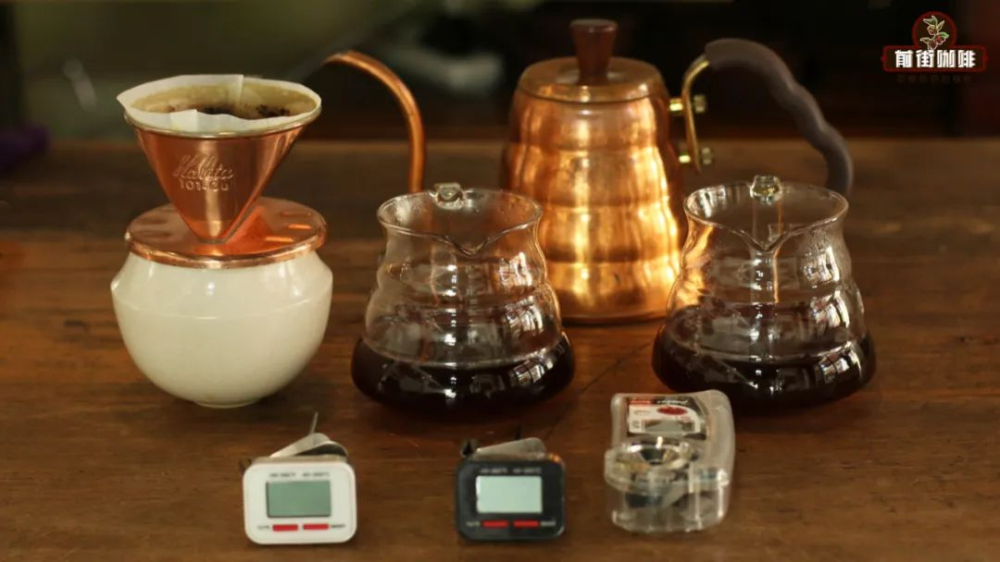
Room temperature group: coffee liquid temperature 66°C, strength 14.3%.
Hot water group: coffee liquid temperature 70°C, strength 14.5%.
Flavor Evaluation
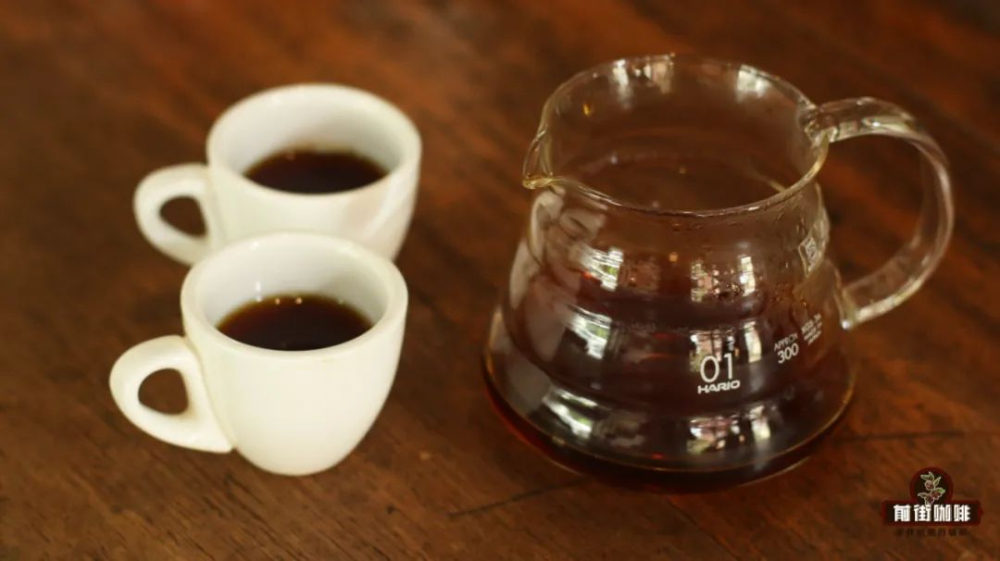
Flavor-wise, all the groups were remarkably consistent: pineapple, mango, and citrus. But the coffee brewed with room temperature water tasted sweeter, while the coffee brewed with hot water showed livelier acidity.
Why the Difference?
When you rinse the filter paper with hot water, the dripper absorbs the heat and warms up, as noted above. During the brew, that preheated dripper not only avoids stealing heat from the blooming water but also raises the extraction rate somewhat.
Acidic compounds extract first. Push the extraction harder early on, and acidity naturally becomes more pronounced — which explains why the hot water group read as noticeably more acidic.
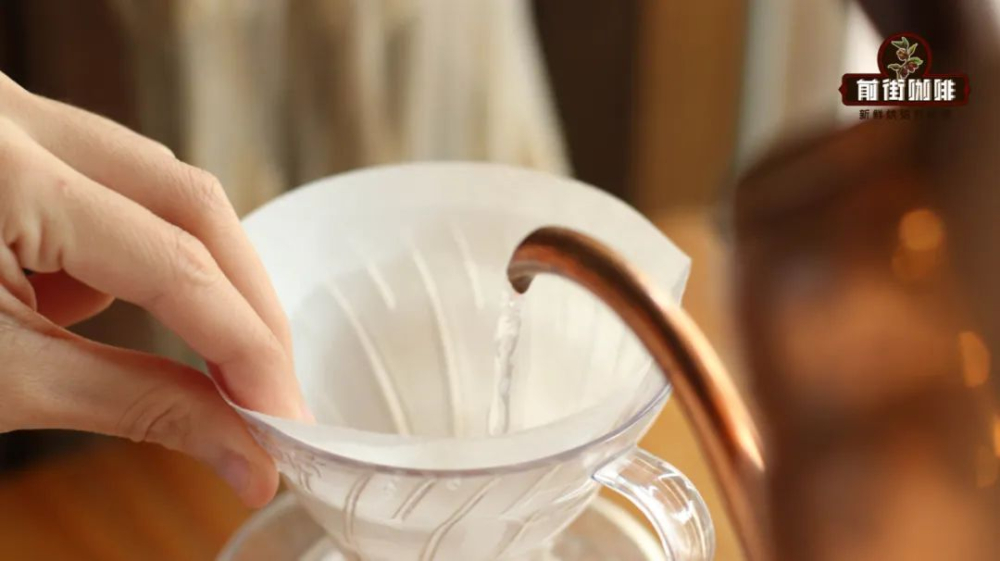
The room temperature group did the opposite. Without hot water on the paper, both the dripper and the server stayed at room temperature. During blooming, the cool dripper absorbed some heat from the water, lowering extraction intensity slightly — so the acidity came through more gently.
As the temperature gradually climbed, both sweet and acidic compounds kept extracting in step. Because the whole process stayed balanced, the cup carried both pleasant acidity and sweetness — which made it seem comparatively sweeter than the hot water group.
In short, the temperature of the water you rinse your filter paper with does affect extraction to some degree. FrontStreet Coffee won't dictate which one to pick — go by your own taste. The effect may be subtle, but applied flexibly it can help you steer your brew toward the flavor you want.
FrontStreet Coffee Recommendation
A dial-in experiment like this calls for dependable beans. For espresso lovers, FrontStreet Coffee's Signature Blend pairs Brazil Cerrado with washed Colombia Huila for that classic, familiar Italian-style flavor — nuts, dark chocolate, caramel, and a balanced acidity that suits everything from straight espresso to Americanos.
If you chase maximal crema, the FrontStreet Classic Blend — a traditional Mamba-style recipe with a touch of Robusta — delivers thick, golden, hazelnut-colored crema and a rich, wild body, forgiving enough for beginners on any home machine. And for a fruity single-origin espresso, the FrontStreet Natural Huakui SOE brings cream, cocoa, berries, delicate florals, and black tea notes from Ethiopia's Hambella highlands.
Important Notice :
FrontStreet Coffee is a long-established specialty coffee roaster in Guangzhou China, selling freshly roasted beans from its own farm in Yunnan as well as dozens of carefully selected single-origin beans from around the world for both pour-over and espresso. The products deliver consistently excellent quality and great value, with shipping within 24 hours. Guangzhou's FrontStreet Coffee shop is recommended by many coffee lovers, and the beans are now available online at the Tmall 。
FrontStreet Coffee has moved to a new address:
FrontStreet Coffee Address: 315,Donghua East Road,GuangZhou
Tel:020 38364473
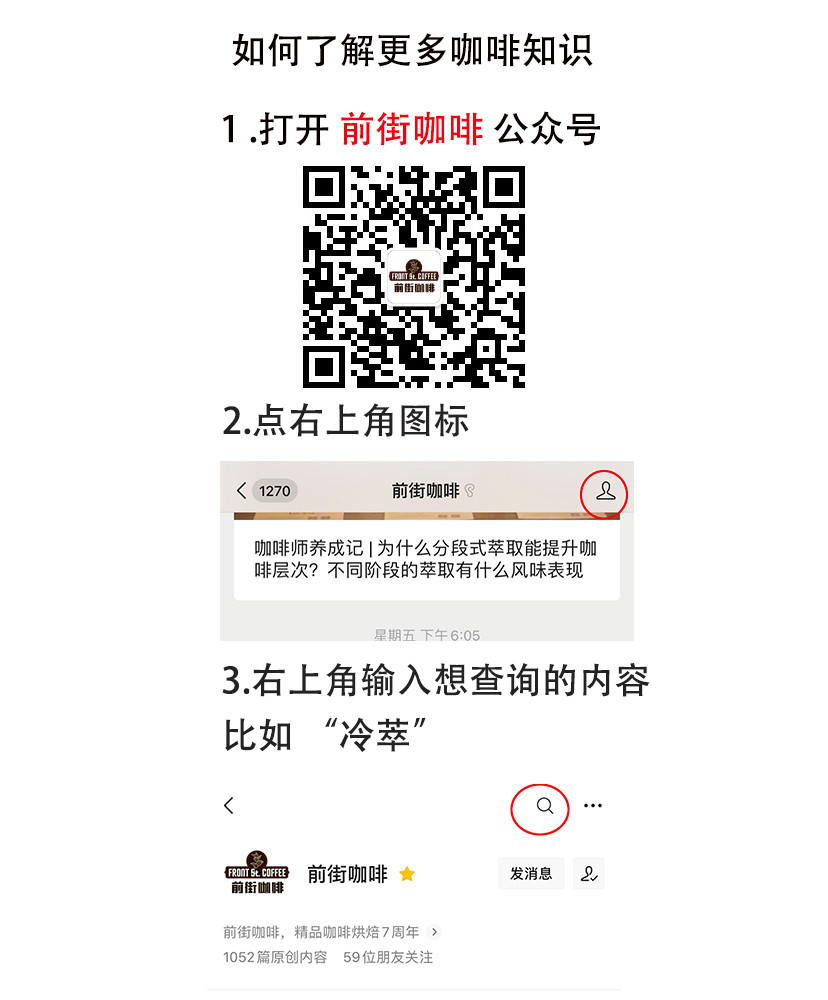
 Scan and follow the En Gafei WeChat official account. Please indicate that the reprint comes from "En Gafei".