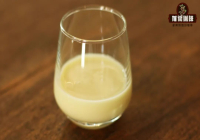
True "Blooming" – How to Brew with Matsuya-Style Pour Over?
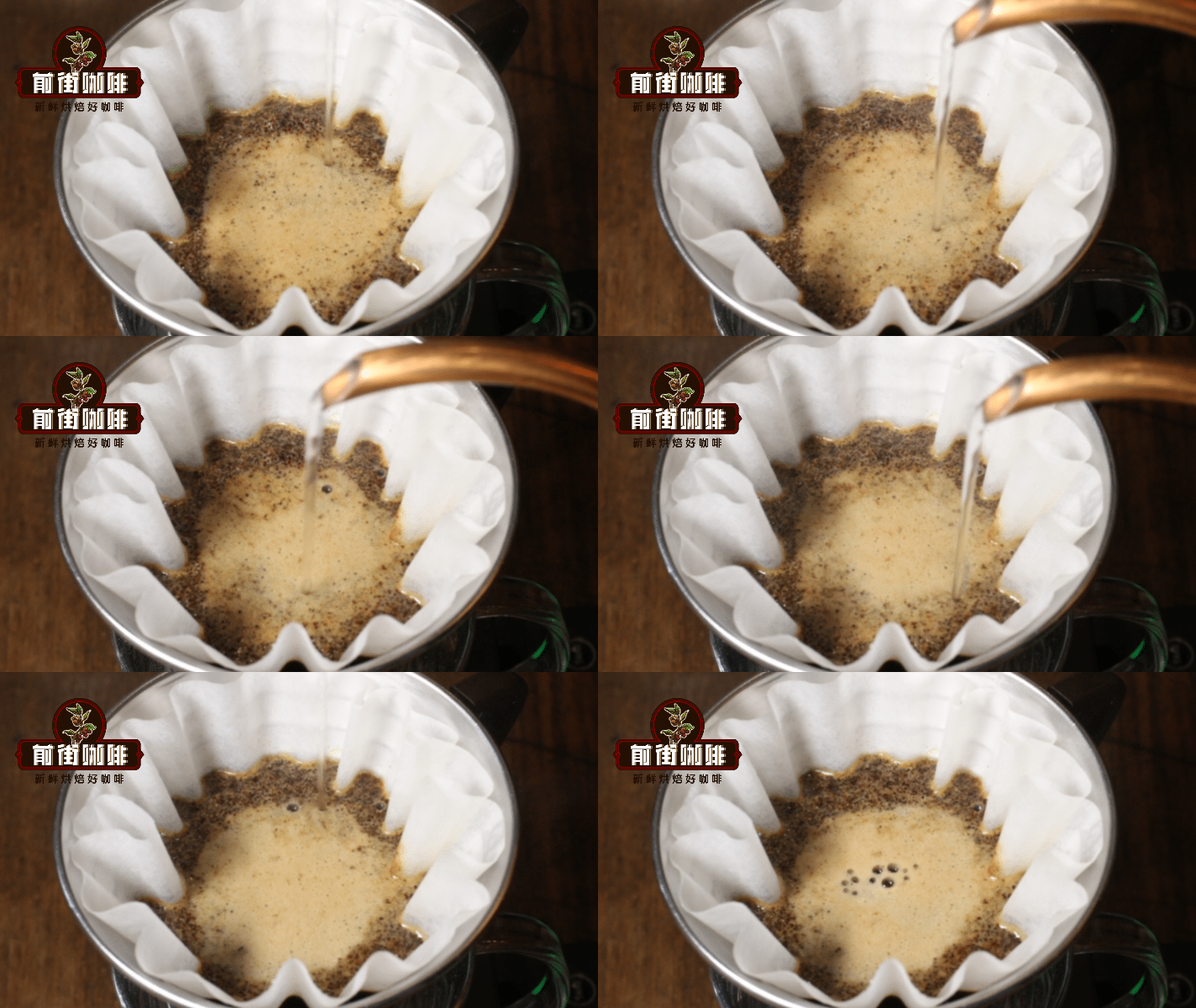
What is "False Bloom"
What is "True Bloom"
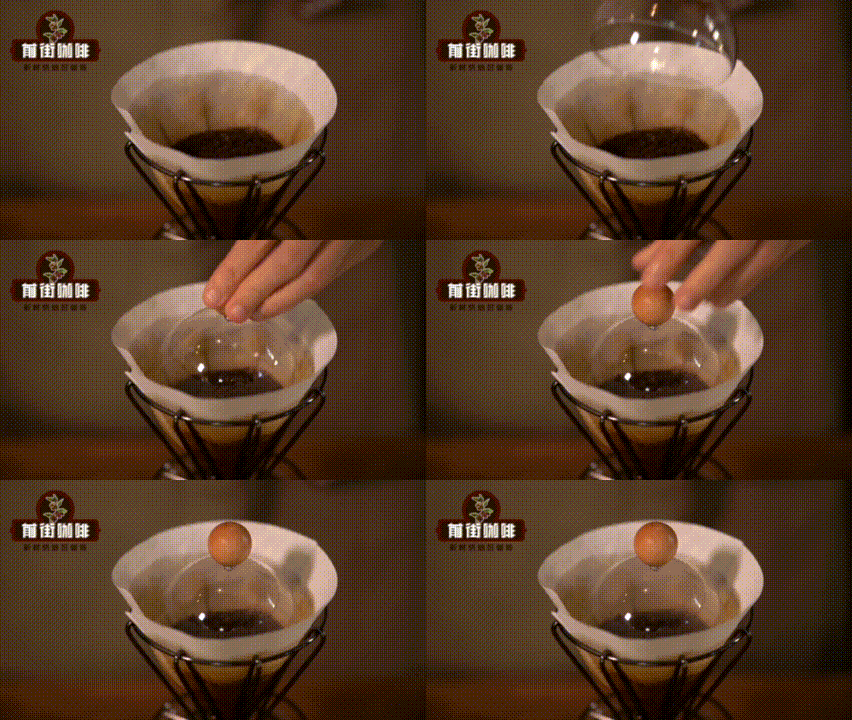
That's right! Both are called "bloom," but how can you "bloom" without a lid~ Just kidding, just kidding! The so-called "true bloom" below actually comes from Japan's "Matsuya-style brewing"!
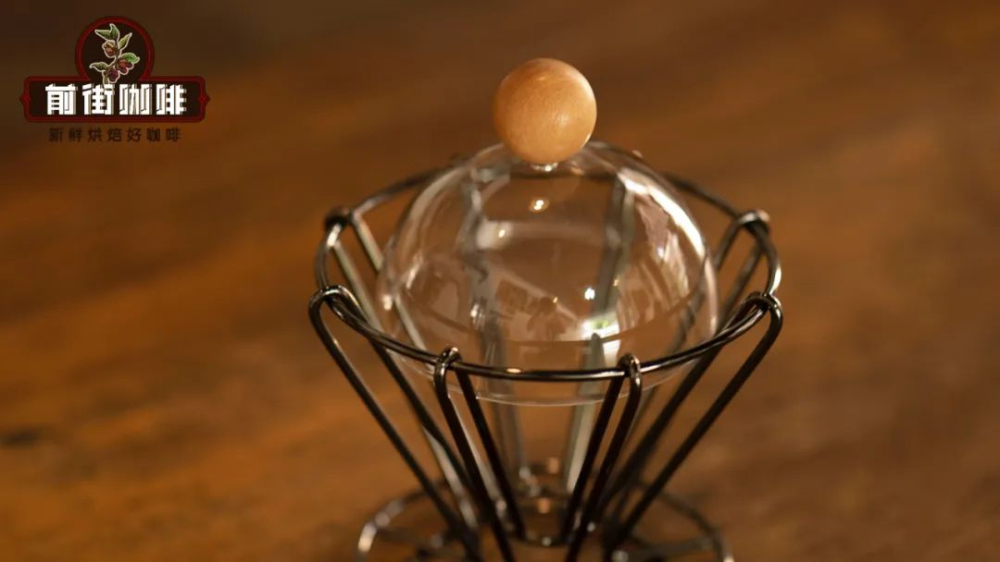
What is Matsuya-style brewing?
Mr. Matsui Yoshiyoshi of Japan invented this lidded "true bloom" method—known as "Matsuya-style brewing"—in 1962. It counts as a classic of Japanese brewing tradition, but anyone seeing it for the first time is in for a profound shock! Three striking elements grab the attention immediately: "blooming with a lid," "extremely high pouring," and "super-concentrated coffee that gets diluted afterwards"!
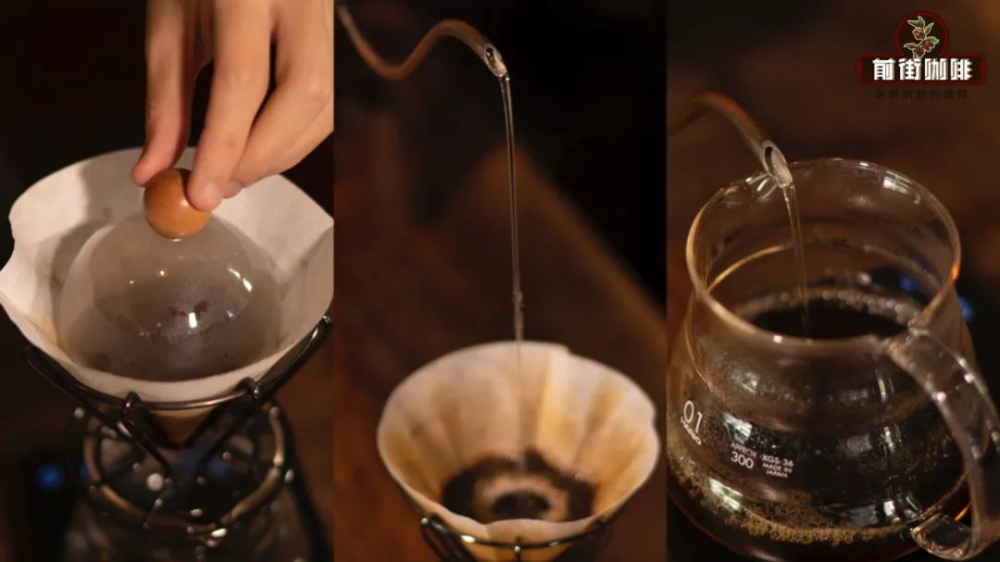
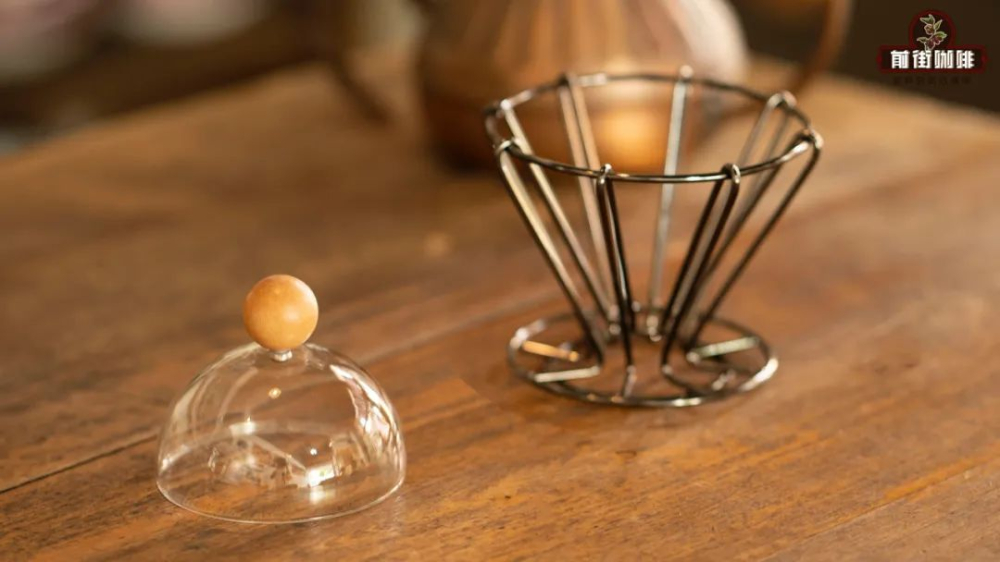
The filter holder used in Matsuya-style brewing is a metal frame with no ribs to guide flow, because its purpose is wonderfully simple: to hold the filter paper in place—nothing more. Because of that, slightly stiffer filter paper suits it better.
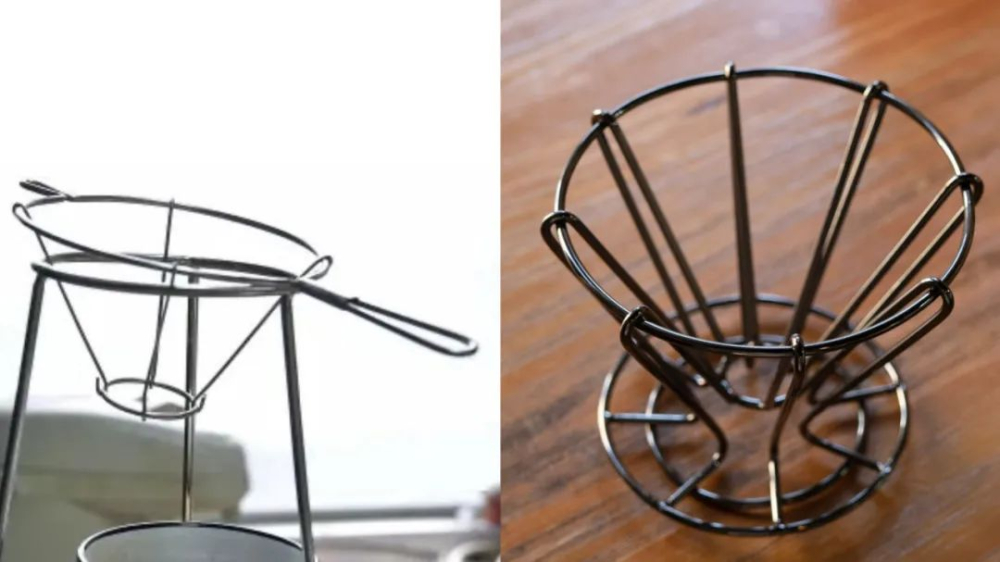
(Left is a standard Matsuya-style holder; right is the holder FrontStreet Coffee used for this brew.) Why bloom under a lid? It comes down to wanting the coffee grounds to behave the same way at every point in time. The reasoning goes: freshly roasted beans and beans a week old degas differently. Those differences carry into the brew, producing varying degrees of extraction and noticeably different flavors—maddeningly inconsistent!
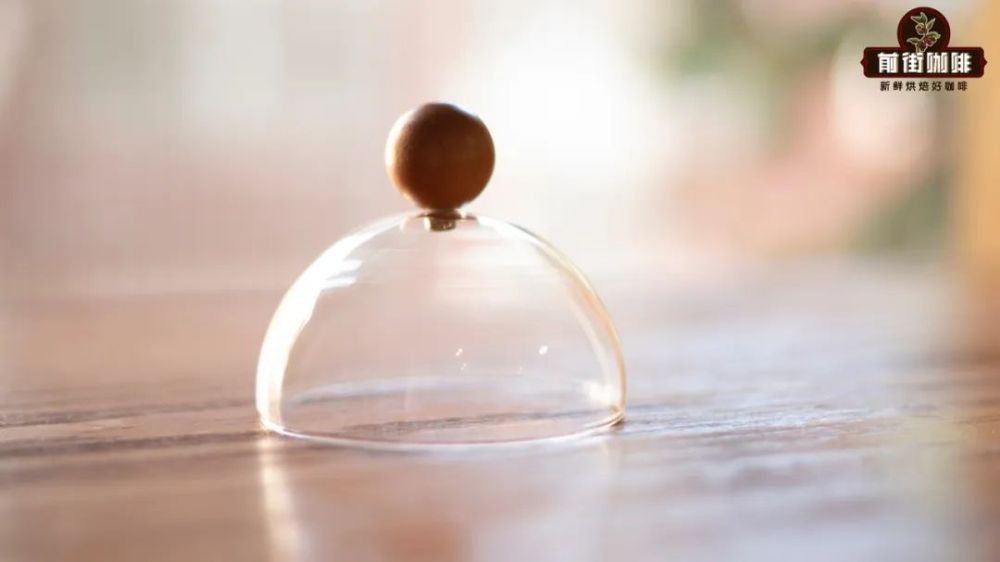
So the solution was to exhaust all the gas at once! With a full degassing during the bloom, today's beans and beans a week from now release their gas equally in that stage, and the subsequent pours can't drift out of balance due to differing degassing—yielding a consistent flavor every time. "Stability" is the core concept of this method. But it created a new problem: brewing at high temperature after complete degassing invites over-extraction! To counter that, the beans are ground noticeably coarser; combined with high-temperature brewing, over-extraction becomes far less likely.
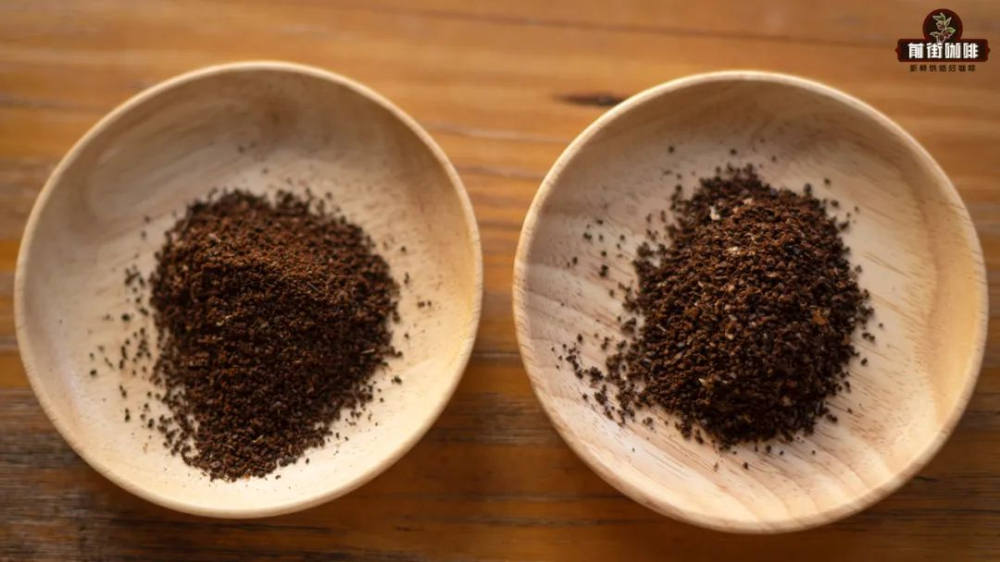
(Left is regular Golden Mandheling grind; right is the coarse grind used for Matsuya-style.) Ideas are always beautiful, but reality bites! Even so, excessive heat still easily pulls out undesirable compounds, so ultimately the water temperature had to come down. At the time, though, no thermometers were at hand to measure it—so clever minds found another way! Pouring boiling water into the brewing kettle immediately drops it by 5°C to 95°C, and then raising the pouring height delivers plenty of agitation. Voilà—two problems solved at once. The best of both worlds!
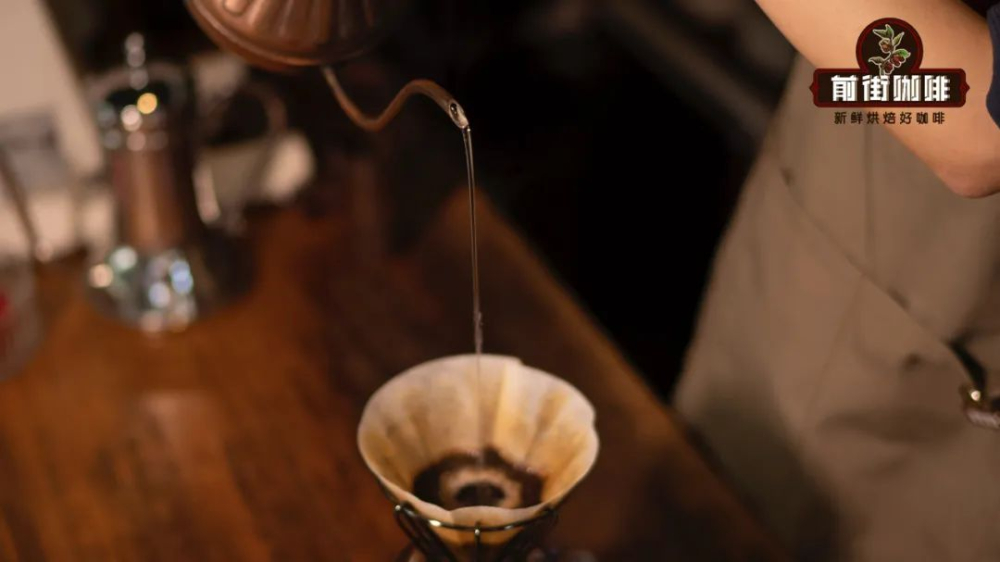
Apply this whole chain of logic to brewing and you'll find flavor compounds extract remarkably easily! So the coffee-to-water ratio was dropped to a very low 1:5. But as most people know, excessive concentration muddles flavor—the taste becomes chaotic and hard to read. This is where "by-pass" enters: add water at a 1:10 ratio (or any amount that suits your taste) to dilute the "concentrate" back to normal strength! And that completes the invention story of Matsuya-style brewing. Now let's move to the practical demonstration and see exactly how it's done!
Matsuya-style brewing demonstration
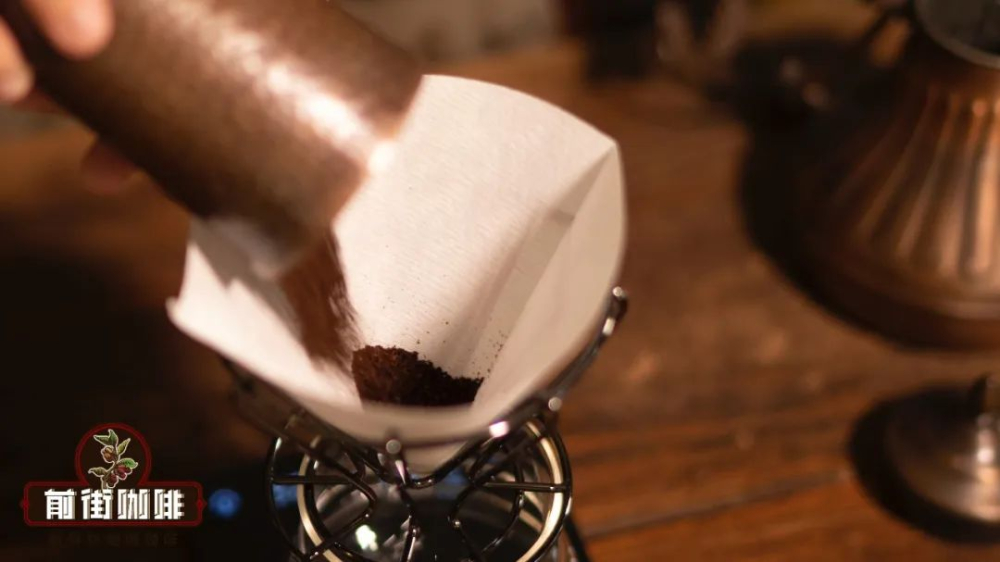
This demonstration uses dark roasted Sumatra Golden Mandheling. The grind passes a #20 sieve at a 50% rate (FrontStreet Coffee uses an EK grinder setting of 12). Water temperature is 95°C, coffee-to-water ratio 1:5, with 20g of beans—meaning 100ml of water—but you'll need 300ml of hot water on hand, because the by-pass step will draw on it. First! Place the folded filter paper into the holder and add the coarsely ground coffee.
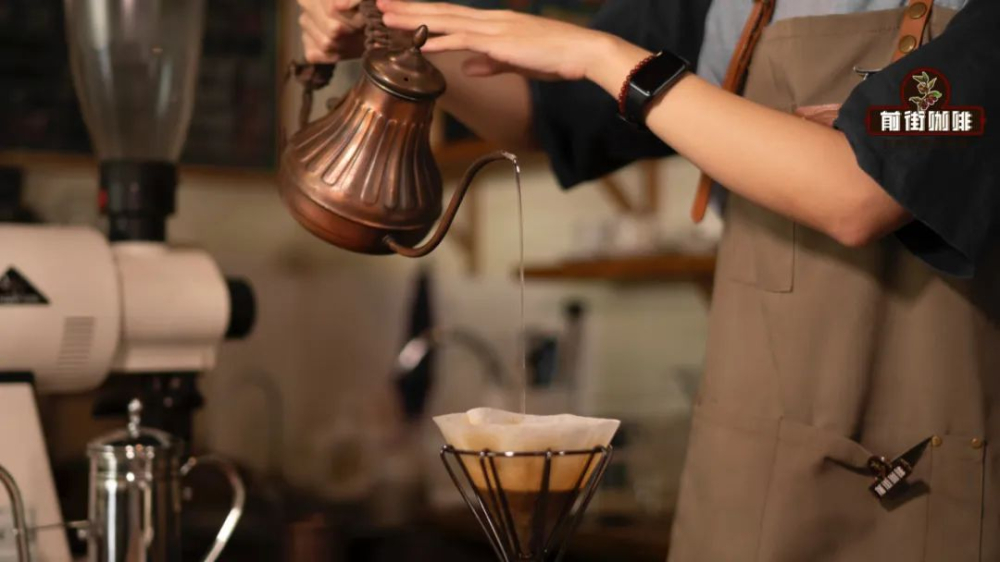
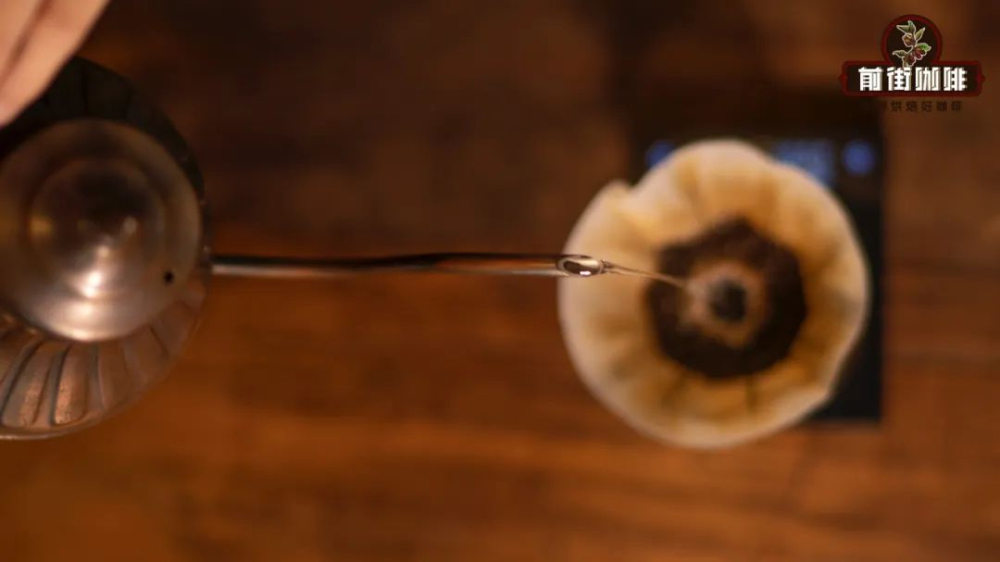
Pour 40ml of hot water from 25cm above the filter, spiraling from the center outward.
Cover with the lid and bloom for three minutes.
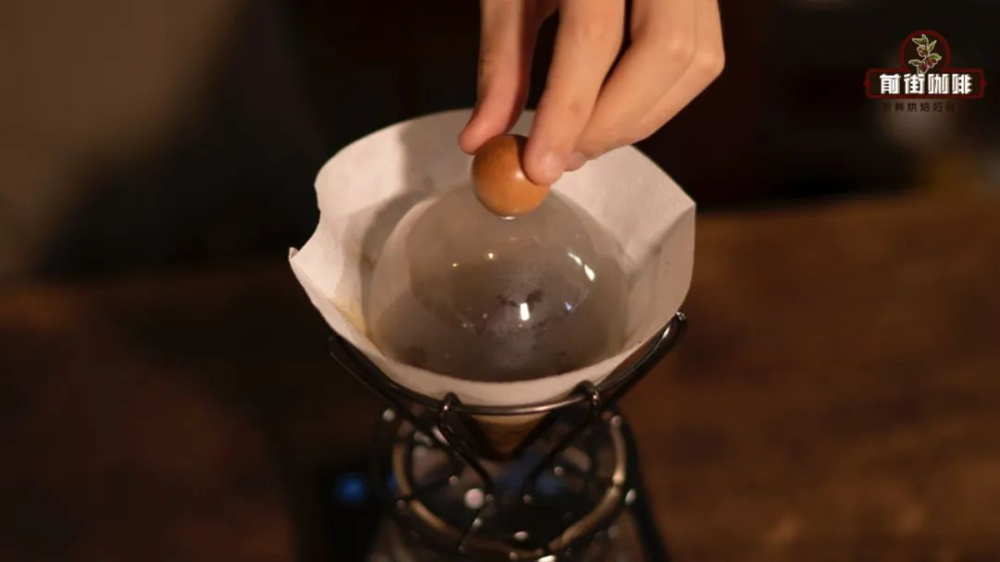
After the bloom, remove the lid and pour the remaining water (60ml) from the same height.
Once dripping is complete, remove the filter holder and proceed to the "by-pass" step, adding an appropriate amount of water. FrontStreet Coffee added 180ml of hot water. (But if you prefer higher concentration, it's recommended to cut the by-pass water to around 150ml.)
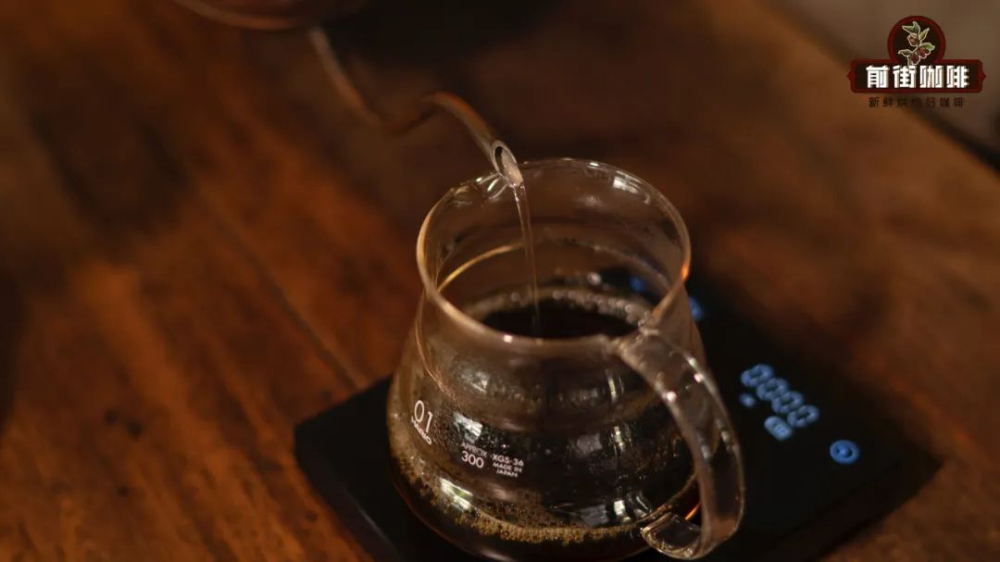
And there you have it—it's done!
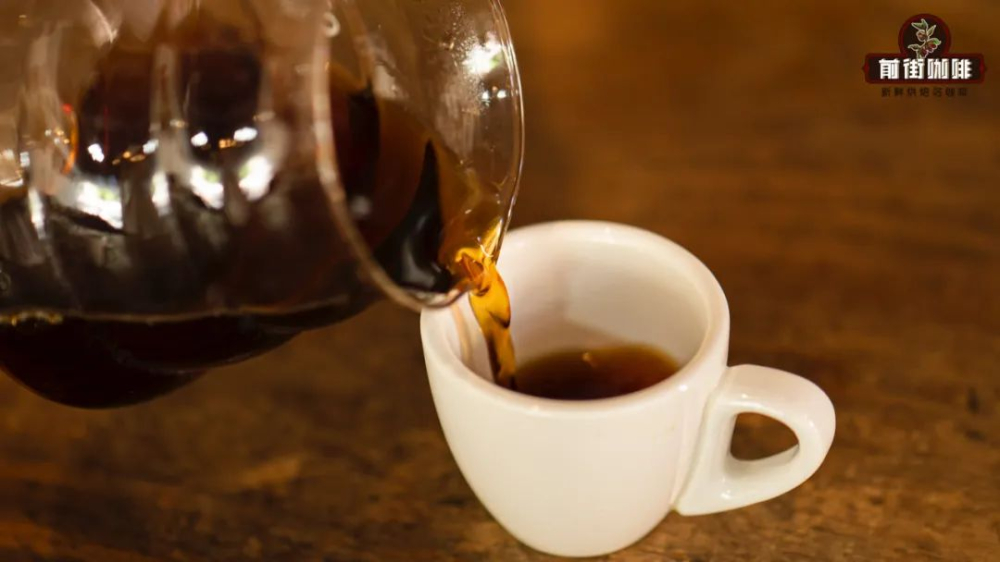
Tasting notes
Although the color looks slightly light, there is absolutely no sense of under-extraction. The concentration is just right; the nutty and chocolate flavors of Golden Mandheling come through clearly, along with a distinct dark-roast aftertaste. All in all, a brewing method well worth experiencing!
- END -
FrontStreet Coffee
No. 10, Bao'an Qianjie, Yandun Road, Dongshankou, Yuexiu District, Guangzhou, Guangdong Province
FrontStreet Coffee Recommendation
FrontStreet Yirgacheffe Godingding (Pour-Over for V60)
The V60's 60° cone and single large opening make it ideal for expressive light roasts, and few beans suit it better than the FrontStreet Yirgacheffe Godingding—many coffee lovers' first stop into specialty coffee. It carries vivid citrus, berry, and floral notes with a green-tea-like sweet finish; its acidity is soft and bright, like fruit itself rather than anything sharp. For V60 pour-over at home, it's an easy, welcoming choice.
FrontStreet Ethiopia Huakui
Another natural fit for the V60's fast extraction is the FrontStreet Ethiopia Huakui, one of the most successful stars of the specialty market in recent years. Its tropical fruit aromatics are striking—strawberry, passion fruit, jackfruit, even lychee—with obvious sweetness and barely any bitterness, smooth and full of juice. Many drinkers call it "the coffee that least resembles coffee," and it's a wonderful way to show off the V60's bright, layered fruit profile.
FrontStreet PWN Indonesia Golden Mandheling
If you lean toward the richer side, the dark-roasted FrontStreet PWN Indonesia Golden Mandheling delivers: low acidity, a mellow and lingering body, herbal and dark chocolate aromas with a faint earthy note. Golden Mandheling remains a first pick for anyone who loves a full-bodied cup without sourness—equally at home in a V60 or an espresso machine.
Important Notice :
FrontStreet Coffee is a long-established specialty coffee roaster in Guangzhou China, selling freshly roasted beans from its own farm in Yunnan as well as dozens of carefully selected single-origin beans from around the world for both pour-over and espresso. The products deliver consistently excellent quality and great value, with shipping within 24 hours. Guangzhou's FrontStreet Coffee shop is recommended by many coffee lovers, and the beans are now available online at the Tmall 。
FrontStreet Coffee has moved to a new address:
FrontStreet Coffee Address: 315,Donghua East Road,GuangZhou
Tel:020 38364473
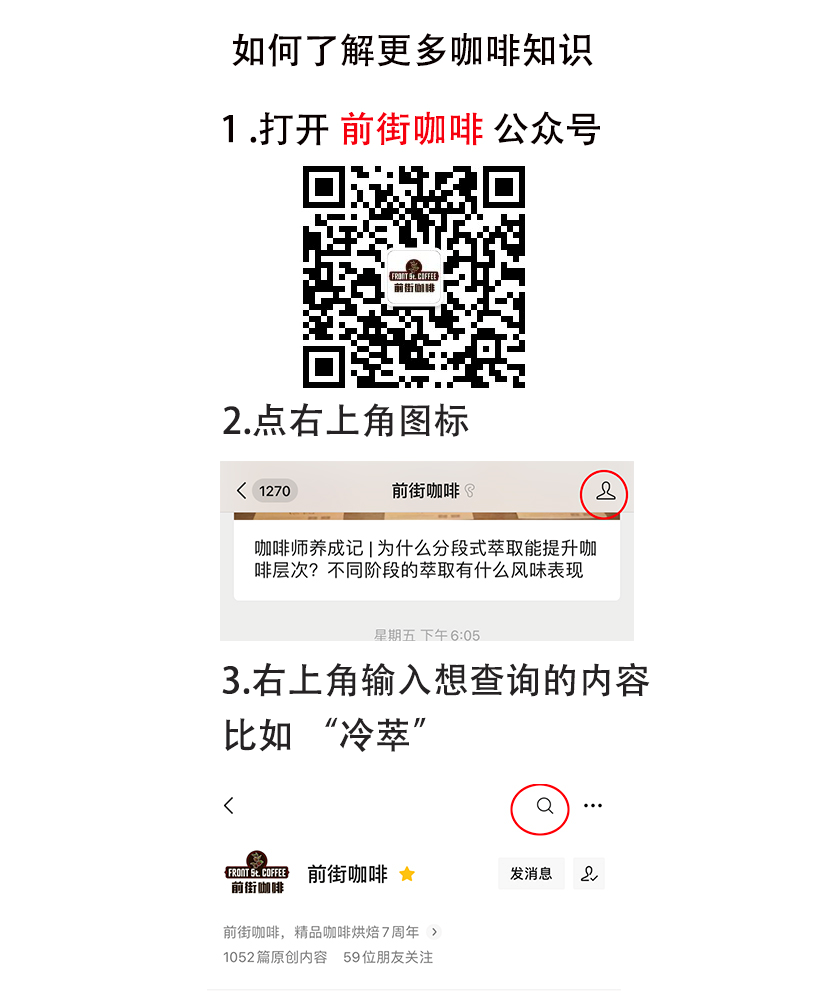
 Scan and follow the En Gafei WeChat official account. Please indicate that the reprint comes from "En Gafei".