How to Make Spanish Latte and Its Characteristics, Origin of Spanish Latte and Its Relationship with Vietnamese Drip Coffee
What Is Condensed Milk?
Eisbock milk is a milk product made by using purification processes to isolate the key components of milk — protein, fat, and lactose. Its texture is richer and sweeter than regular milk. But today's protagonist isn't it; it's a dairy product built on a similar idea: condensed milk, essentially milk's "concentrated version."
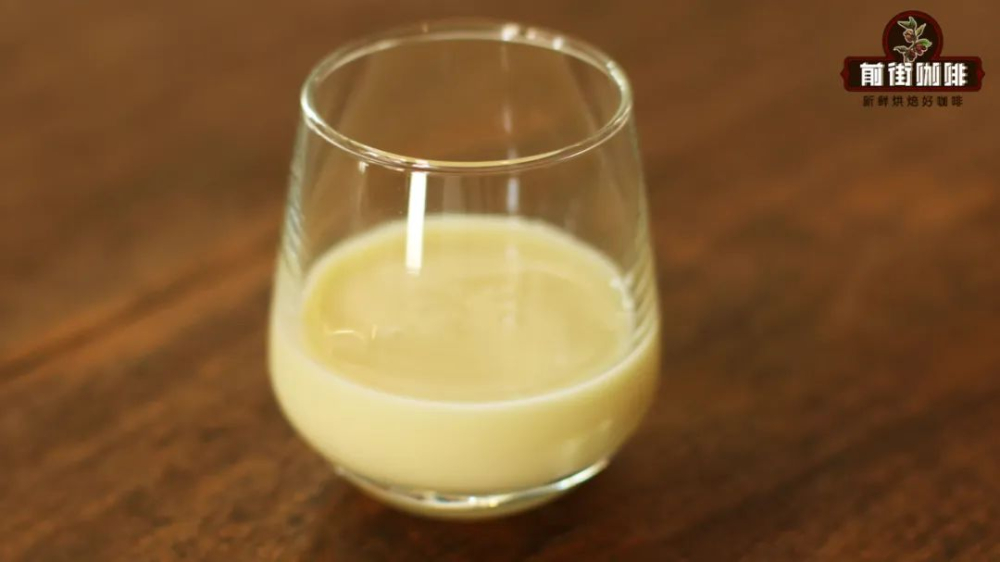
Making condensed milk roughly means removing water from fresh milk until only 25%-40% of the original volume remains — an extremely thick "milk concentrate." And because the lactose is concentrated too, even a small spoonful delivers a huge hit of sweetness (though most condensed milk is that sweet because extra sugar is added). And that's exactly right — today we're talking about a coffee built primarily on condensed milk: the Spanish Latte!

The Popularity of the Spanish Latte
%Arabica first ignited the Spanish latte trend in China. This condensed-milk coffee became an instant hit on launch and quickly turned into the chain's signature drink.
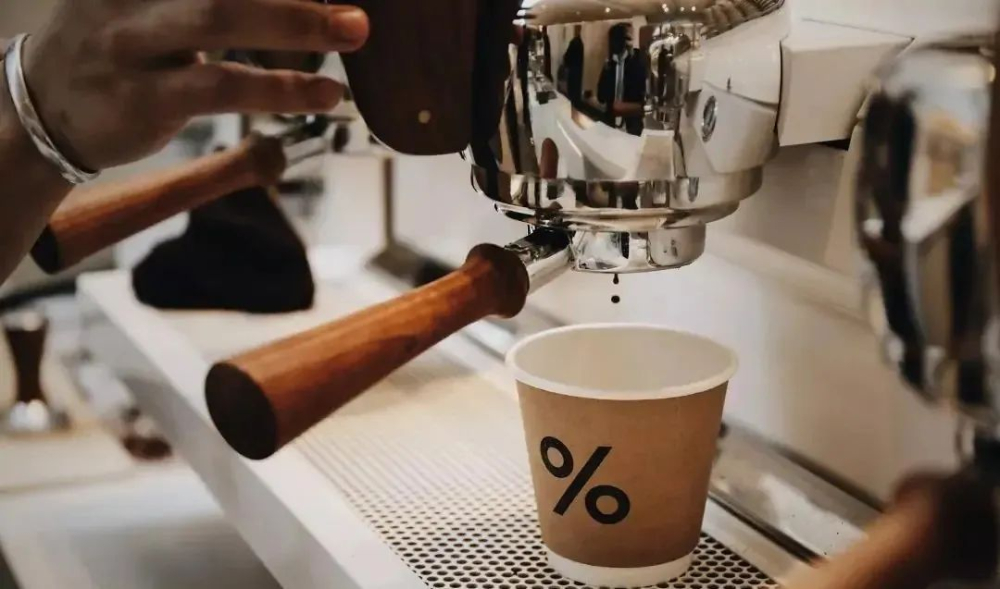
A Mysterious Origin
Yet the origin of the Spanish latte remains mysterious to this day — you'll hardly ever find "Spanish Latte" on cafe menus in Spain itself. What you will always find is Cafe Bombon ("candy coffee"), a high-concentration coffee made from nothing but espresso and condensed milk. Meanwhile, thousands of kilometers away in Saudi Arabia, Spanish latte appears on most cafe menus!
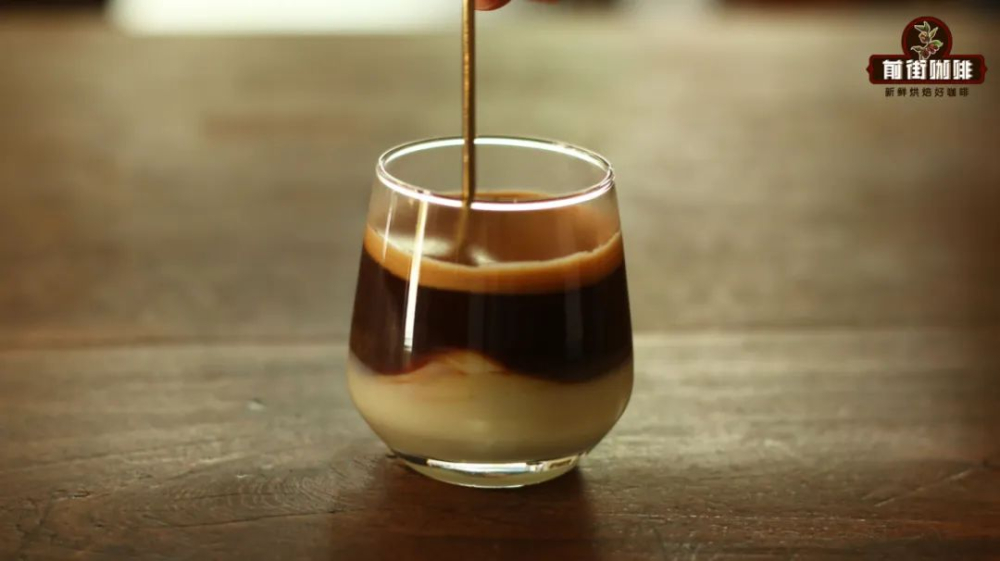
There's a good reason it caught on in Arab countries: it simply suits people living in year-round heat. Faced with bitter black coffee, they prefer sweeter milk coffee — and compared with an ordinary sweetened latte, the addition of condensed milk feels more natural and comforting. Even served iced, its texture impresses, with the richness of condensed milk winning people over completely. These factors explain why the Spanish latte is so beloved in the Arab world.
Some also say the Spanish latte evolved from Vietnamese drip coffee. The theory isn't baseless. First, apart from the word "Spanish," the drink shows no other distinctly Spanish traits. Second, like other European countries, Spain is a major coffee consumer that grows no coffee of its own — and one-third of Spain's total coffee imports come from Vietnam every year! It naturally makes you wonder about a connection.
The True Evolution: From Cafe Bombon to Spanish Latte
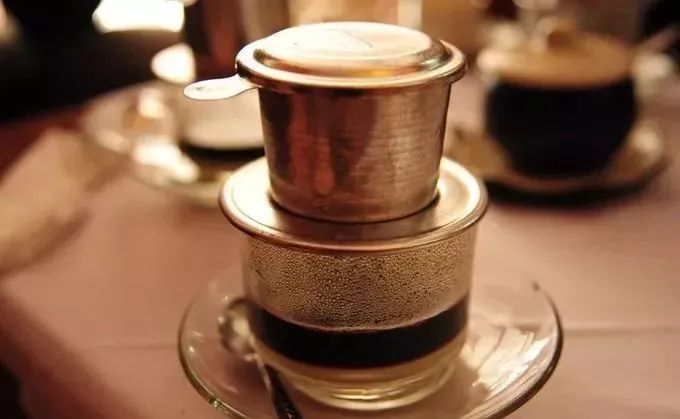
In reality, the Spanish latte evolved from Cafe Bombon. So more precisely, it's Spain's Cafe Bombon that descends from Vietnamese drip coffee. Vietnam grows plenty of coffee, but most of it is Robusta — rich in crema, yet so bitter it needs sugar to balance it. Condensed milk was the perfect solution, and thus the one-of-a-kind Vietnamese drip coffee was born.

The method: pour condensed milk into a cup, set a drip brewer loaded with grounds on top, pour in hot water, cover, and wait for the coffee to drip through before stirring and drinking. Cafe Bombon differs slightly: Spain uses higher-quality Arabica beans, extracted under pressure with an espresso machine, then combines the coffee and condensed milk in a 1:1 ratio into a beautifully layered Cafe Bombon.

Stirred before drinking, the texture is incredibly rich and smooth — you can't taste any coffee bitterness at all. In essence it isn't so different from Vietnamese drip coffee: both use condensed milk to balance the coffee's bitterness, just with different beans and extraction methods. But not everyone can handle Bombon's intense sweetness, so the Spanish latte was developed, using milk as a buffer to soften the condensed milk's richness. Thanks to the condensed milk, the whole latte gains extra layers — the two complement each other perfectly. Finally, FrontStreet Coffee shares a rather special Spanish latte recipe!

An Alternative Spanish Latte Recipe
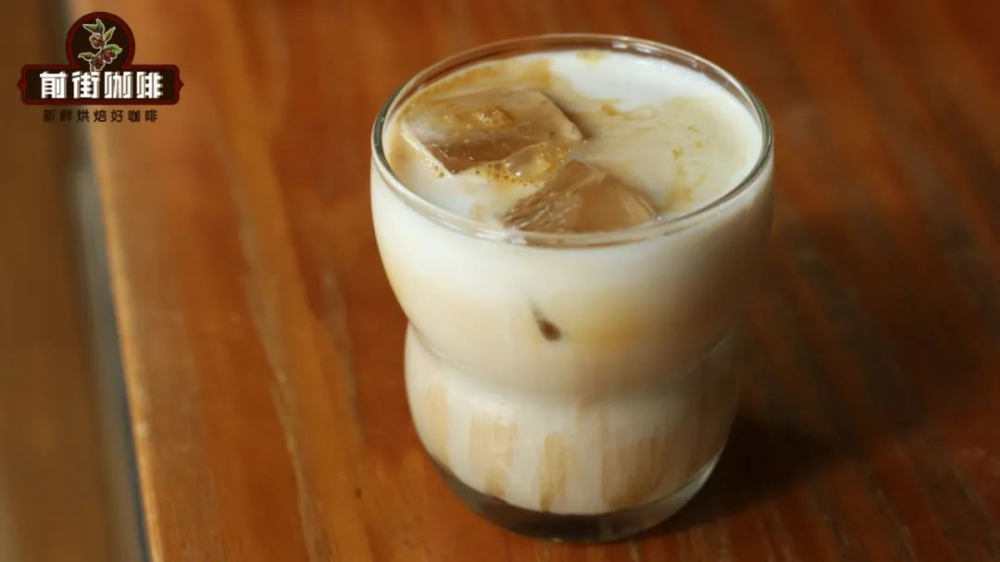
First, make a regular Spanish latte. Prepare a 400ml glass and add 80g of ice cubes.
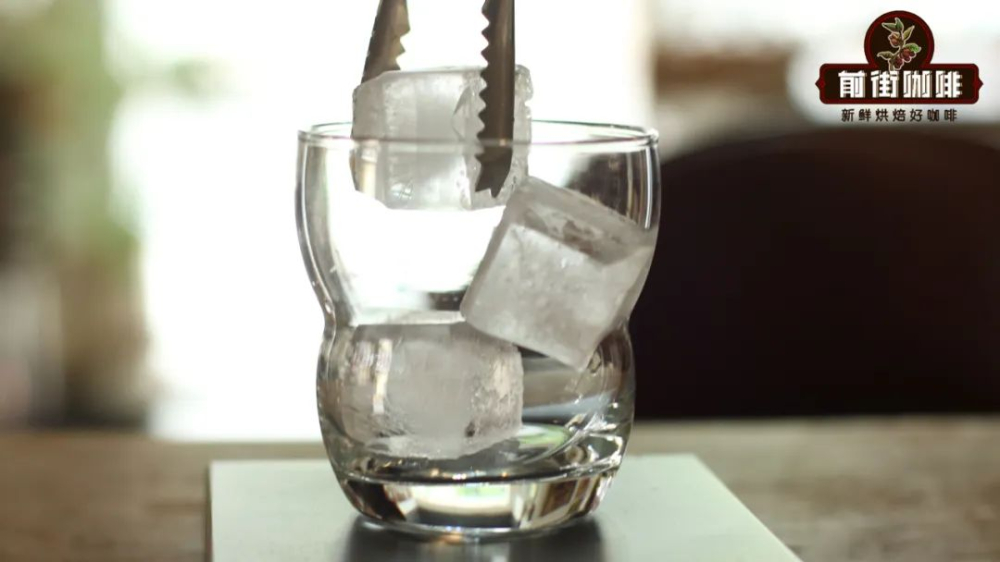
Pour in 150ml of milk, then extract a shot of espresso. (FrontStreet Coffee uses 19g of coffee to extract 38ml of espresso.)

Add 25ml of condensed milk to the espresso and stir well.
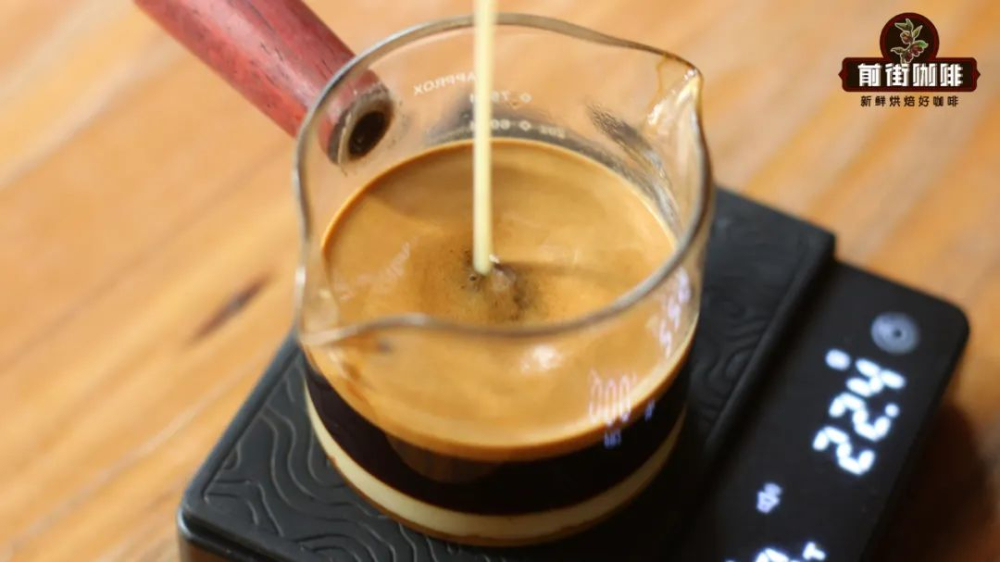
Pour this mixture into the glass and you have a regular Spanish latte — but today we're doing something a little different. Add a tiny pinch of a common seasoning — salt — mix it into the espresso, then pour everything into the glass. Done!
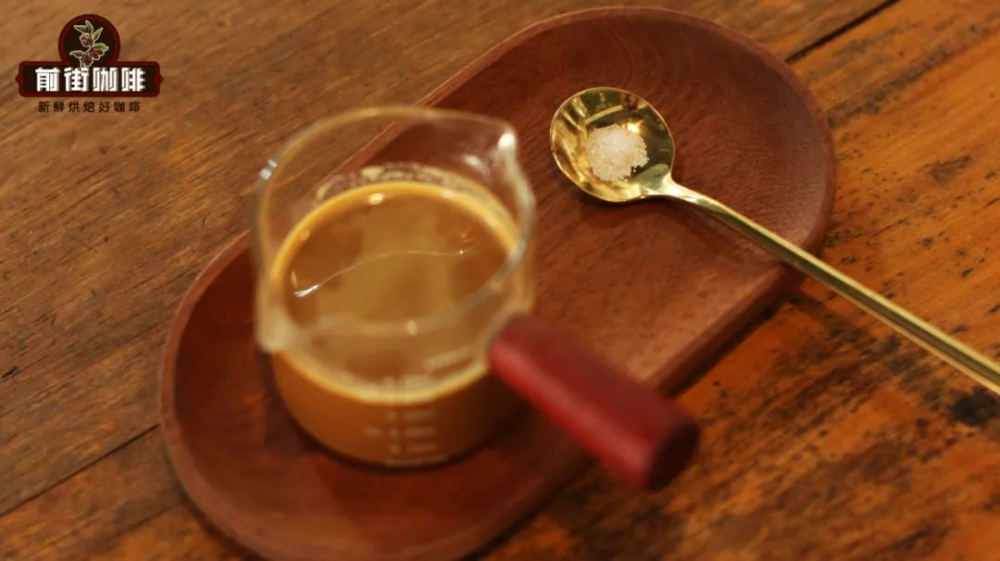
A small amount of salt lifts the entire latte and makes the flavor richer. Since everyone's palate differs, FrontStreet Coffee suggests starting with 0.1g of salt and adjusting gradually until it suits your taste. (Spreading condensed milk on the inner wall of the glass before you start creates a much better visual effect, too!)

- END -
FrontStreet Coffee Recommendation
A condensed-milk coffee like this lives or dies on its espresso base, so pick beans that stand up to sweetness. The FrontStreet Coffee Classic Espresso Blend is the first choice: built on the traditional Mandheling-Brazil formula with a small proportion of Robusta for extra golden crema, it extracts thick and stable — even beginners on basic home machines can pull a rich, mellow shot that shines through milk and condensed milk alike. Most Italian-style blends are roasted medium-dark, which gives milk drinks that dense nut-and-chocolate, strongly-coffee character this recipe loves.
If you'd rather taste nuts than roast, the FrontStreet Coffee Signature Blend (Brazil Cerrado paired with Colombia Huila) delivers almond, walnut, and hazelnut nuance with a silky finish, while the 100% Arabica FrontStreet Coffee Black Cocoa Blend keeps the body full and the price friendly — ideal for frequent home pouring. And for something different, the FrontStreet Coffee Strawberry Candy, a fruit-toned blend that recreates strawberry gummy sweetness, makes a playful, one-of-a-kind milk coffee that surprises just like that pinch of salt does.

Important Notice :
FrontStreet Coffee is a long-established specialty coffee roaster in Guangzhou China, selling freshly roasted beans from its own farm in Yunnan as well as dozens of carefully selected single-origin beans from around the world for both pour-over and espresso. The products deliver consistently excellent quality and great value, with shipping within 24 hours. Guangzhou's FrontStreet Coffee shop is recommended by many coffee lovers, and the beans are now available online at the Tmall 。
FrontStreet Coffee has moved to a new address:
FrontStreet Coffee Address: 315,Donghua East Road,GuangZhou
Tel:020 38364473
 Scan and follow the En Gafei WeChat official account. Please indicate that the reprint comes from "En Gafei".