
What Does It Mean to 'Rehydrate' Brewed Coffee?
When you watch someone add water to an already-brewed cup of coffee, you will often hear the word "bypass." At first glance the term seems to have nothing to do with brewing, but it comes up naturally as soon as the conversation turns to pour-over.
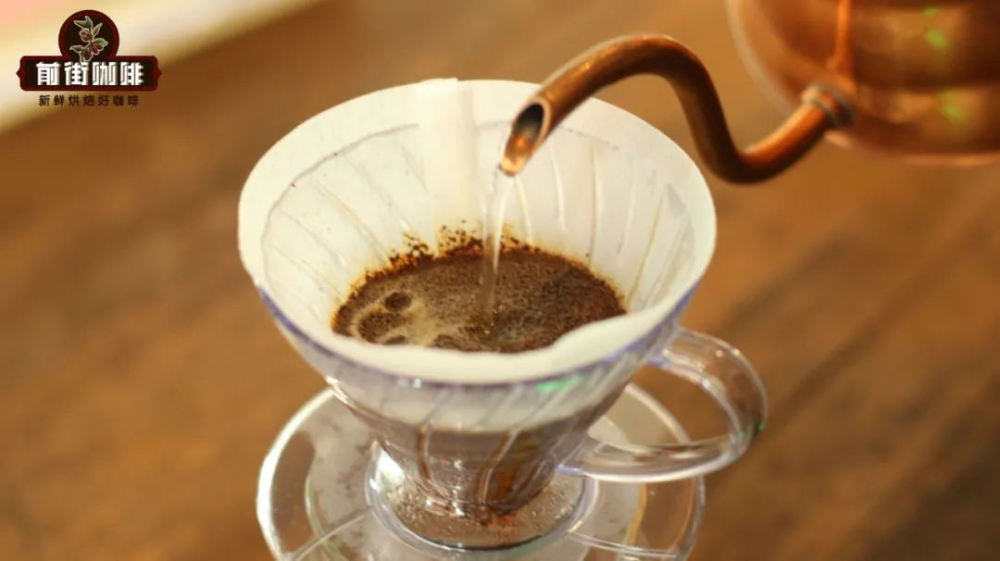
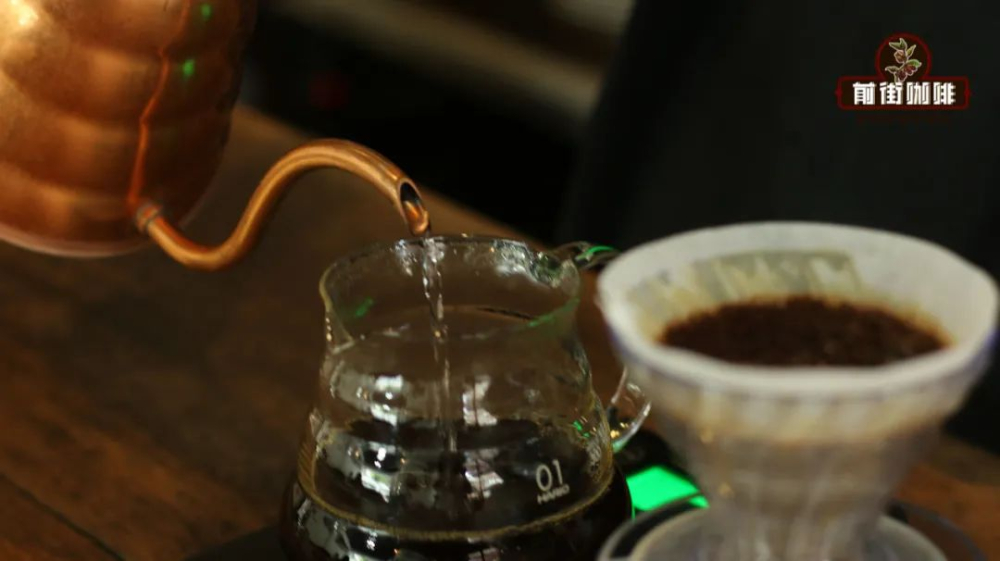
In a pour-over brew, hot water passes through the coffee bed and dissolves the aromatic compounds that end up in the cup. That is the conventional, intended route, and we can call it the main path. Bypass describes what happens when water skips the coffee grounds entirely and falls straight to the bottom to mix with the brewed coffee, extracting nothing along the way.
What is the point of bypass?
FrontStreet Coffee often points out that when a coffee is too concentrated and its flavors are packed too tightly, the cup can taste muddled and be hard to read. Pouring water directly into that high-strength brew dilutes it and gives the flavors room to open up, which is how you end up with greater clarity and a more layered experience.

A worked example
FrontStreet Coffee brewed a pot of Boundary Line Sidra using 20g of grounds and 300ml of hot water, a 1:15 coffee-to-water ratio. Because the brew went wrong, however, the cup showed nothing but sharp sourness; the other flavors were present but impossible to pick out.
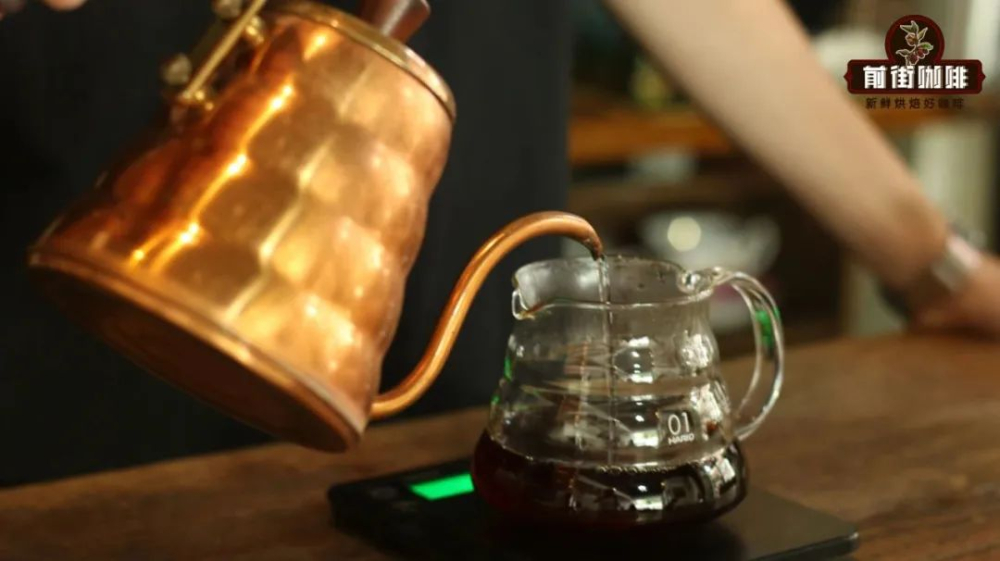
We then added roughly 20ml of 80°C water straight to the coffee. Tasting it again, the grape, passion fruit and citrus notes were suddenly unmistakable, fully released and clearly expressed, and the cup felt cleaner and more transparent. A few points are worth keeping in mind. The first is water temperature. Because the brewed coffee has already cooled, a 92°C kettle no longer matches the liquid, which by then sits at about 80°C, so it is roughly 80°C water that you want for diluting rather than the original 92°C. The second is volume: do not add too much, or the coffee turns watery and the experience suffers.

Other situations that call for bypass
1. Making iced coffee
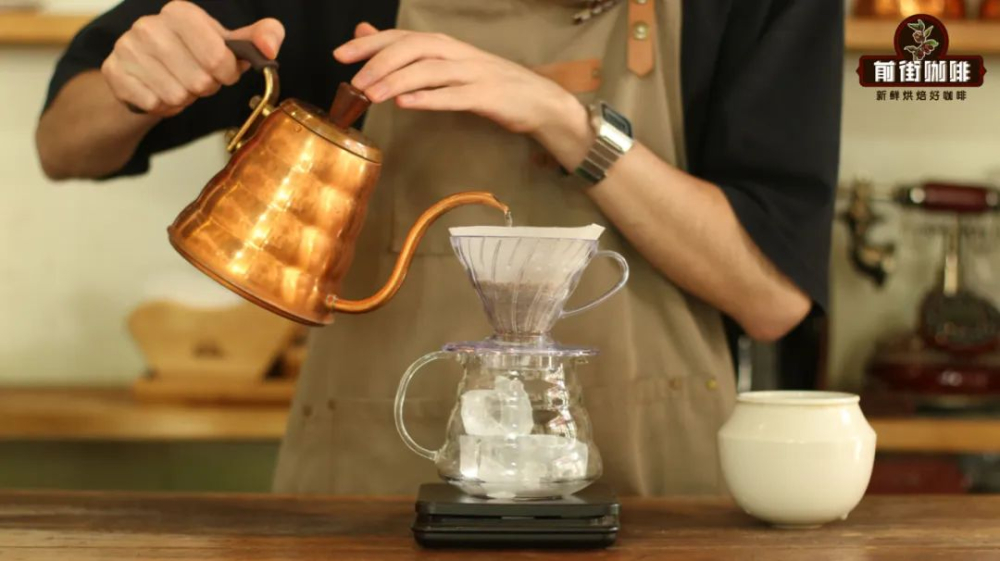
Making iced coffee is really a form of bypass. Adding ice cubes to a concentrated cold brew or iced drip coffee, for example, dilutes it so the flavors open up. Iced pour-over works the same way: part of the recipe's water is replaced by ice, which both chills and dilutes the hot, concentrated coffee that drips onto it.
2. Rescuing a brew that is about to fail
Light roasts are dense, and hot water struggles to penetrate them, which is why we grind finer to increase the surface area of the grounds in contact with water. Finer grinding, though, produces more fines, and fines clog the filter, lengthening the time the grounds stay submerged. Contact that lasts too long pulls out negative flavors.
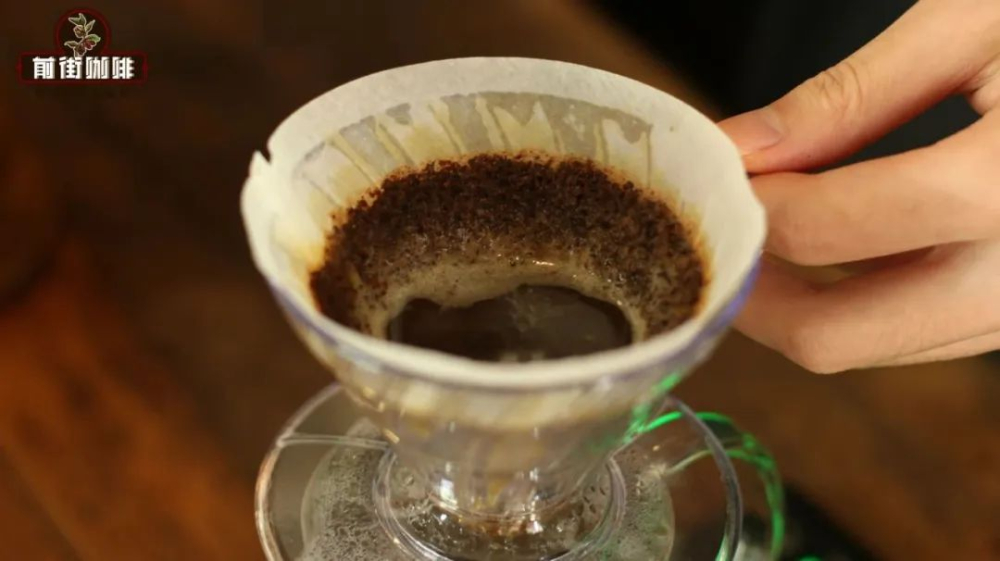
When that happens, you can cut off the tail: stop collecting the last of the liquid that takes forever to drip through, then taste. Judging by the concentration you perceive, plan a small addition of hot water to bring the cup to the right strength, and you bid farewell to a failed result.
3. Deliberately engineered extraction
In large competitions you often see contestants load a bigger dose to pull a very concentrated shot packed with the good stuff, meaning the sweet and sour compounds from the front of the extraction, and then dilute it with bypass water. That lowers the concentration while preserving the original extraction yield, which is much like the iced-coffee case above.
When bypass cannot help
If the coffee is already over-extracted and tastes clearly bitter and astringent, bypass cannot reverse the outcome.

Bypass is, at heart, dilution. Applied to an over-extracted cup, it can only make a bitter coffee less bitter, and over-extracted coffee is thin to begin with. Add water and you go from over-extracted coffee to "coffee-flavored water." Under-extracted coffee is even further beyond saving.

FrontStreet Coffee Recommendation
If you want a pour-over that rewards a little bypass tinkering, start with FrontStreet Ethiopia Huakui. This sun-dried bean is known for its vivid tropical-fruit aromatics, with strawberry, passion fruit, jackfruit and even lychee, plus a low bitterness and smooth, juicy body that make it a forgiving choice for anyone learning to dial in a V60.
For a more classic profile, FrontStreet Yirgacheffe Gududu brings citrus, berry and floral notes with a green-tea sweetness that stays bright and clean, while FrontStreet Panama Emerald Estate Red Label Geisha shows the elegant jasmine, citrus and bergamot character that made Geisha famous. Both are gentle on the palate and easy to enjoy hot or over ice.
Important Notice :
FrontStreet Coffee is a long-established specialty coffee roaster in Guangzhou China, selling freshly roasted beans from its own farm in Yunnan as well as dozens of carefully selected single-origin beans from around the world for both pour-over and espresso. The products deliver consistently excellent quality and great value, with shipping within 24 hours. Guangzhou's FrontStreet Coffee shop is recommended by many coffee lovers, and the beans are now available online at the Tmall 。
FrontStreet Coffee has moved to a new address:
FrontStreet Coffee Address: 315,Donghua East Road,GuangZhou
Tel:020 38364473
 Scan and follow the En Gafei WeChat official account. Please indicate that the reprint comes from "En Gafei".

