
Have You Heard That Adding Salt to Coffee Makes It Taste Better?
There's a saying: coffee with a pinch of salt is simply marvelous! We've seen coffee paired with lemon juice and with sugar, but the idea that salted coffee tastes better sounds like a first.
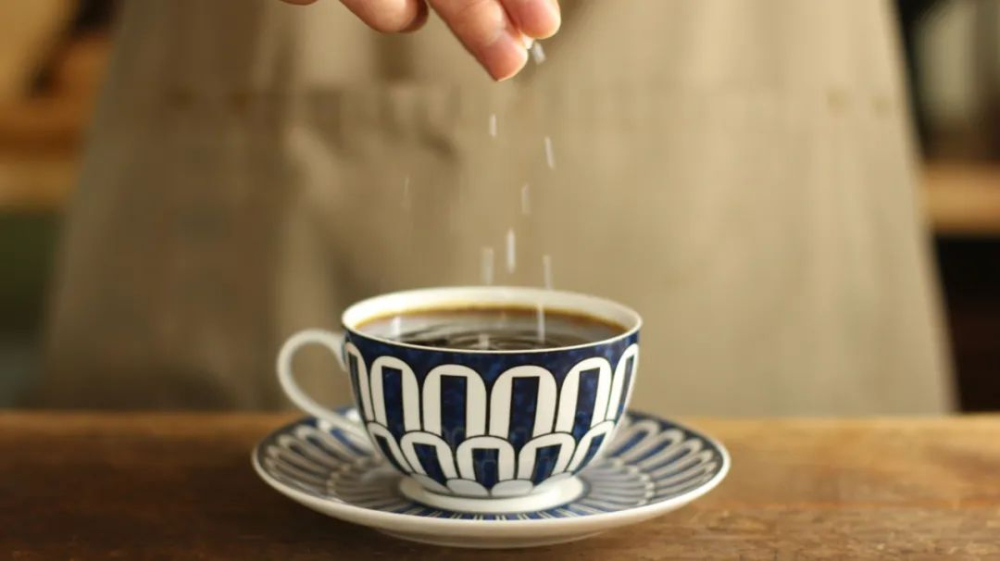
Truthfully, salting coffee isn't especially new. Several countries have similar traditions. Take Turkish coffee: beyond its famous tendency to foam up "endlessly" and its role in fortune-telling, it also serves as a character test! Before a marriage, the bride's family would prepare a pot of salted (or otherwise seasoned) coffee for the groom. If he could drink it down without so much as a wince, it proved his good character - and the marriage would have a happy ending. One can only marvel at the ingenuity of Turkish coffee.
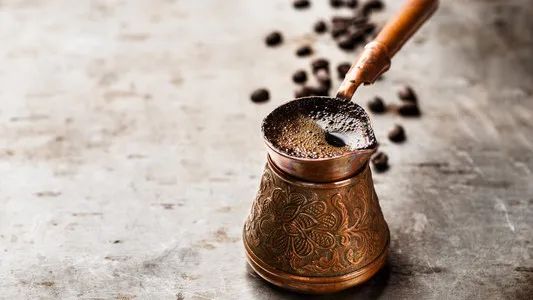
Historical Context of Salt in Coffee
Then there's 19th-century Europe, where coffee culture was in full swing and people on every street corner drank pots of it daily. But coffee hadn't yet entered its specialty era, and bean quality was poor. The common practice was to roast the beans until they were practically charred, grind them into powder, and boil them straight in water.
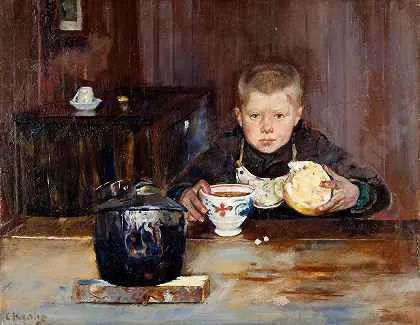
Coffee brewed this way was bound to be overwhelmingly bitter. To tame that harshness, people reached for seasonings other than sugar to soften the intensity. (Sugar was off the table because, at the time, it was an expensive luxury only the nobility could afford.) Eventually they discovered that salt could actually reduce coffee's bitterness, letting more of the bean's sweetness and aroma come through.
Why Salt Reduces Bitterness
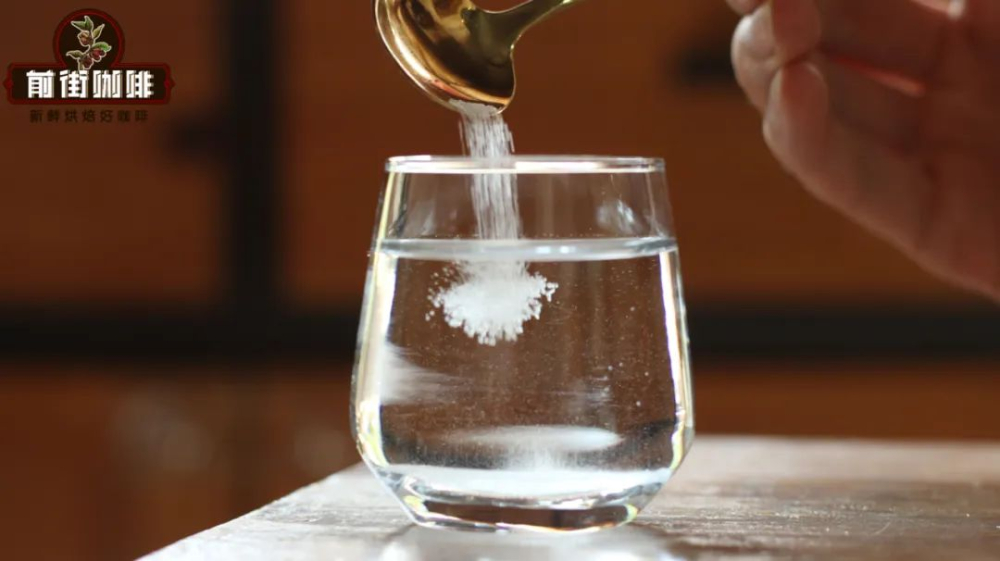
The mechanism comes down to how we perceive bitterness in the first place. Bitterness isn't a direct sensation from the taste buds. When we consume something bitter, the taste buds release calcium ions, which carry the bitter signal to the brain and activate the receptors responsible for detecting it. When salt comes into play, its sodium ions activate - and bind to - the salt receptors on the taste buds, directly dampening our perception of bitterness.
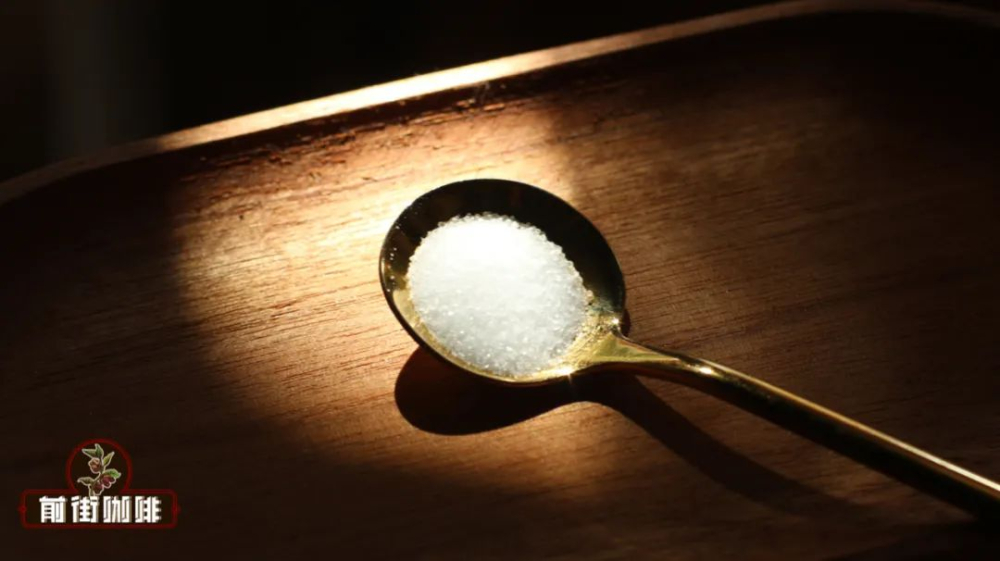
In other words, with salt in the mix, our sensitivity to sweetness and other flavors is heightened while bitterness fades into the background. It doesn't vanish entirely - it simply takes up a smaller share of the flavor profile. With the theory covered, let's move on to the experiment and experience firsthand how coffee changes when salt is added.
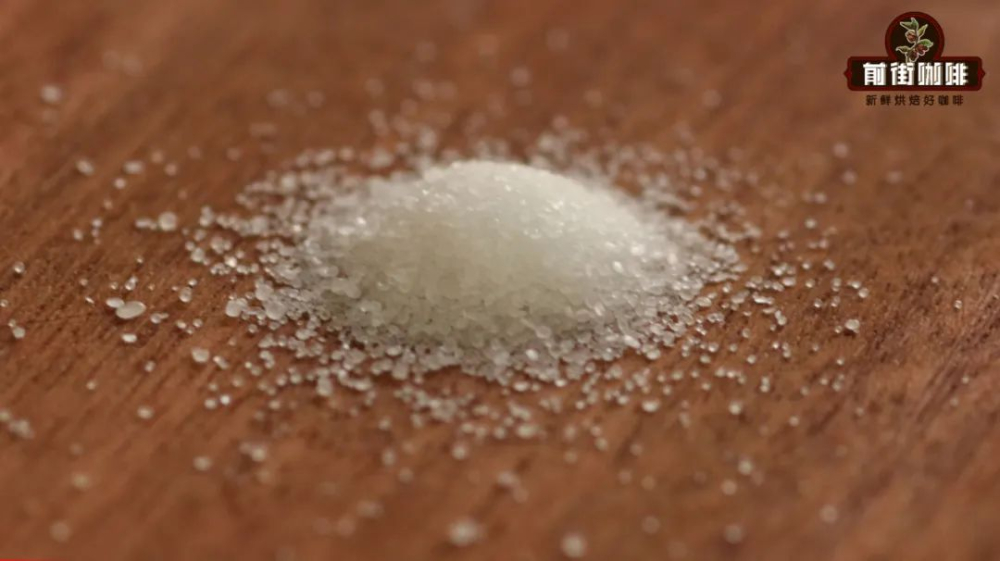
The Experiment
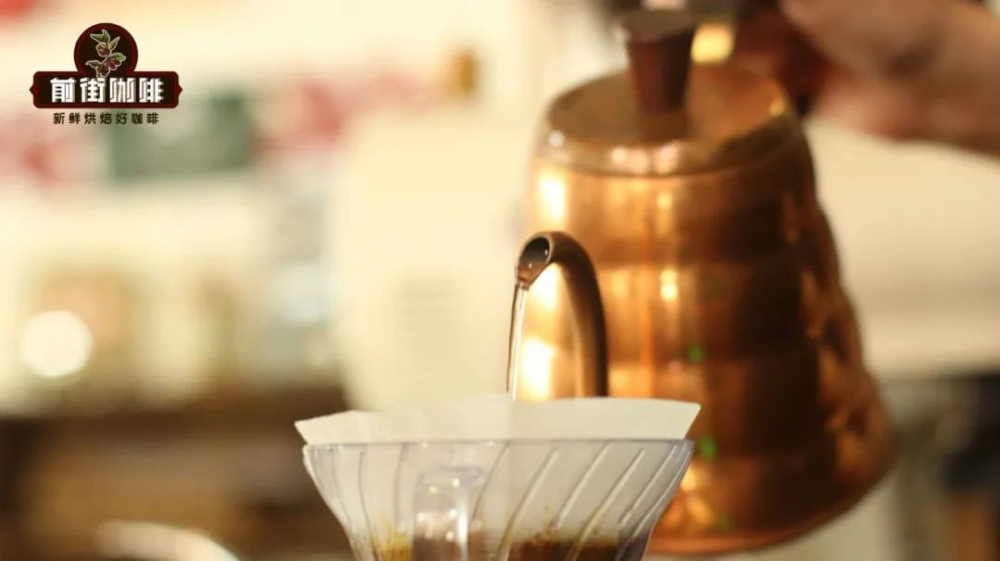
FrontStreet Coffee chose its darkest roast: the Golden Mandheling. Under normal brewing, FrontStreet Coffee's Mandheling is extracted with 88°C water, grounds at a 70% pass-through rate on a #20 sieve, and a 1:15 coffee-to-water ratio. This time, though, we deliberately pushed extraction strength higher to draw out its bitter character and produce a concentrated, intensely bitter brew. The water temperature was raised to 91°C, the grind adjusted finer for an 80% pass-through rate on the #20 sieve, with three-stage pouring and a 1:13 coffee-to-water ratio.
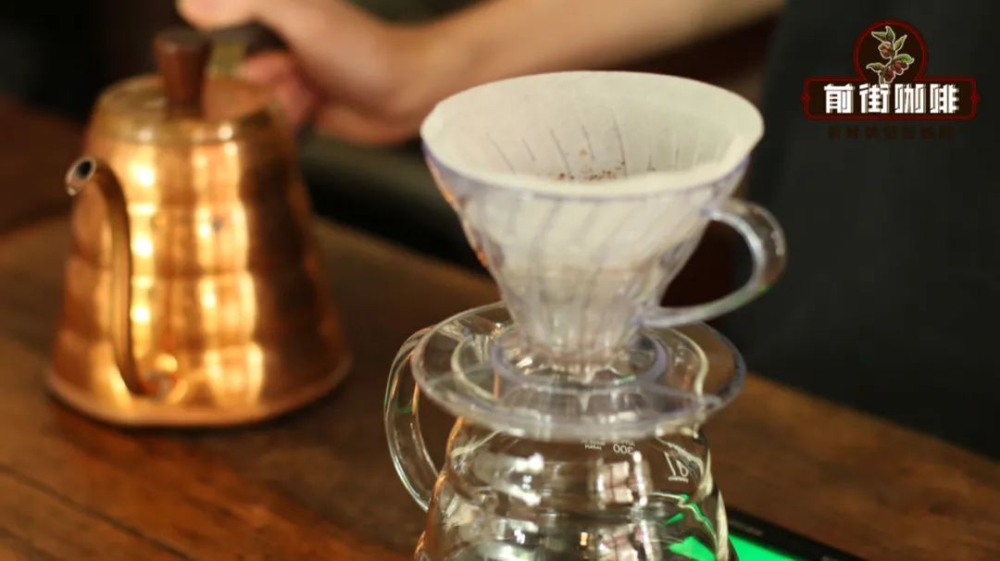
The goal of adding salt is to balance the flavor and suppress prominent bitterness - not to make the coffee taste salty! Because fine table salt is lightweight yet high in salinity, as little as 0.01g already produces a clearly noticeable taste. So we adjusted the dosage gradually, in 0.01g increments. We brewed three pots of the Golden Mandheling using the high-concentration, high-extraction parameters, and the result was punishing bitterness. To rule out extraction differences skewing the results, we blended the three pots together, then divided them again and added 0.01g, 0.02g, and 0.03g of salt respectively.
The Mandheling with 0.01g of salt was less aggressively bitter but still carried a harsh edge. The version with 0.03g had no bitterness at all - but the saltiness was overwhelmingly prominent. The balance had simply tipped from bitter to salty: still unpleasant, just in a different way.
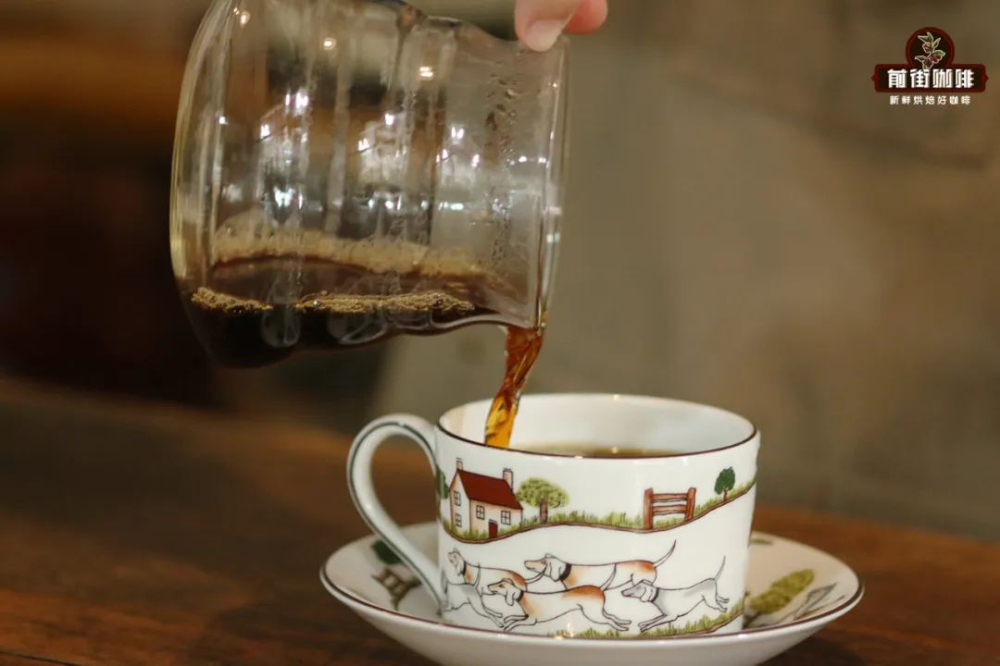
Only the cup with 0.02g of salt struck a genuine balance - no intense bitterness, no noticeable saltiness, easy to drink, and it even enhanced the body and richness to a degree.
Conclusion
The experiment confirms that, up to a point, salt really can improve the taste of bitter coffee. But much like the "bypass" method, it's essentially a rescue technique - a way to save coffee that has already gone wrong or is heading that way. That's why salted coffee can taste better.
If a coffee is extracted beautifully, with rich aroma, balanced sweetness and acidity, and no off-flavors, adding salt would only disturb that balance and create negative tastes where none existed. These corrective measures only work under the right conditions!

FrontStreet Coffee Recommendation
If you often find your coffee too bitter, the smarter long-term fix isn't salt - it's choosing a better-balanced roast. In roasting, three elements determine the final cup: acidity, sweetness, and bitterness. Darker roasts lean bitter and heavy; lighter roasts lean bright and tart. For a naturally balanced cup, a medium roast is the sweet spot.
FrontStreet Coffee's Brazil Queen Estate is a great starting point. Grown in the world's largest coffee-producing country, this Yellow Bourbon delivers a gentle, lingering sweetness. At medium roast it shows creamy peanut, chocolate, toast, and sugarcane notes, and it works beautifully as pour-over, moka pot, or espresso. If you prefer something sweeter and fruitier, FrontStreet Coffee's Strawberry Sugar Gesha Blend combines a Costa Rica honey-processed coffee with washed Panama Gesha, offering orange blossom, honeyed sweetness, and a rounded, refreshing finish.
And for the ultimate in harmony, try FrontStreet Coffee's Jamaica Blue Mountain No.1. Roasted medium to fuse its acidity, bitterness, sweetness, and body into one elegant whole, it greets the palate with chocolate, roasted nuts, cream, and caramel - proof that true balance needs no salt at all.
Important Notice :
FrontStreet Coffee is a long-established specialty coffee roaster in Guangzhou China, selling freshly roasted beans from its own farm in Yunnan as well as dozens of carefully selected single-origin beans from around the world for both pour-over and espresso. The products deliver consistently excellent quality and great value, with shipping within 24 hours. Guangzhou's FrontStreet Coffee shop is recommended by many coffee lovers, and the beans are now available online at the Tmall 。
FrontStreet Coffee has moved to a new address:
FrontStreet Coffee Address: 315,Donghua East Road,GuangZhou
Tel:020 38364473
 Scan and follow the En Gafei WeChat official account. Please indicate that the reprint comes from "En Gafei".

