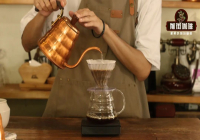
Besides Three-Stage Pour, What Other Brewing Methods Do You Know?
Exploring Popular Pour-Over Coffee Brewing Methods
Compared with other ways of brewing single-origin coffee, pour-over offers an unusual number of techniques. There is the single-pour, the three-stage method, the volcano pour, variable temperature brewing, the stirring method, and more. Today let's walk through some of the pour-over methods you see most often.
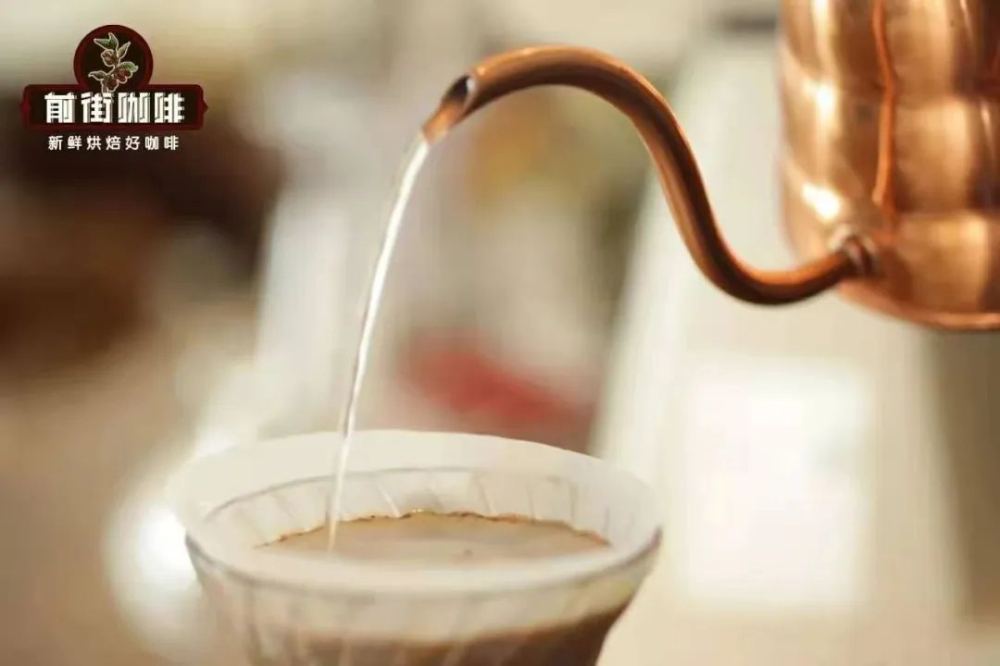
1. Single-Pour Method
The single-pour method differs somewhat from the one-pour technique. One-pour means pouring the entire target amount of water in one go, while the single-pour method is split into two stages: one for the initial bloom, and the second for pouring all the remaining water at once. Because the theory and the technique are simple and easy to grasp, you see this method used in many places.
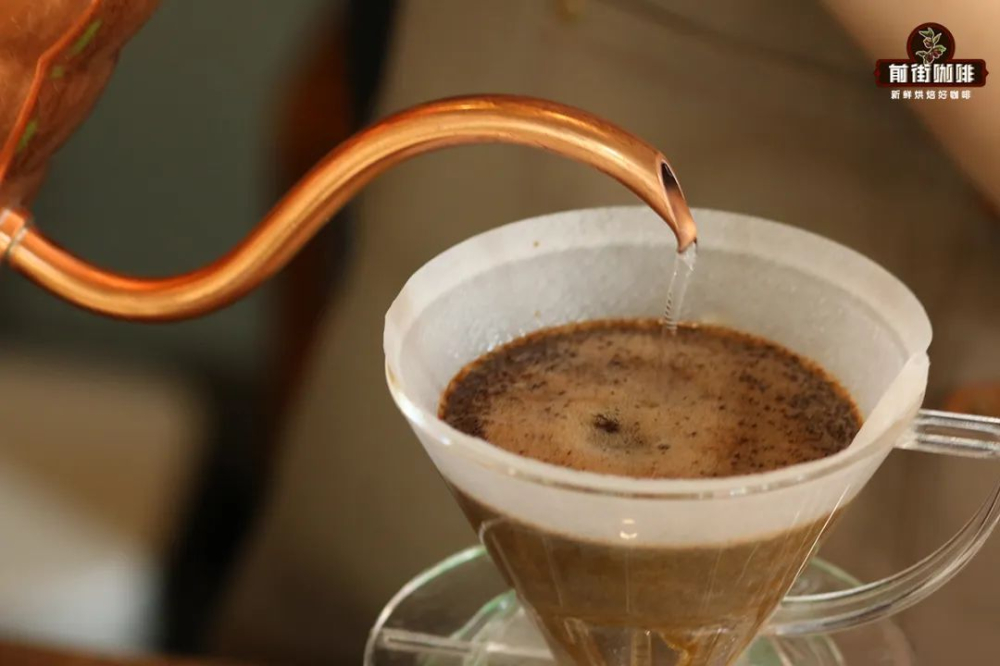
The name is unusual. "Single-Pour" comes from a school of Japanese swordsmanship, and the idea is roughly that the water stages during brewing seem to be cut apart by a single stroke, leaving two parts. Take 15g of coffee with 225ml of water: the single-pour amounts are 30ml for the bloom plus 195ml in one pour, with a total extraction time of about 2 minutes. The appeal of this method is that it extracts stably and produces a relatively clean flavor, since it doesn't pull much from the later stages.
2. Three-Stage Method
This is the method FrontStreet Coffee uses most often: the "Three-Stage Method." Different substances in coffee dissolve at very different rates, so to put it simply, hot water releases flavors in the order of sour first, then sweet, then bitter. Segmented pouring is designed to extract all the aromatic substances the coffee holds.
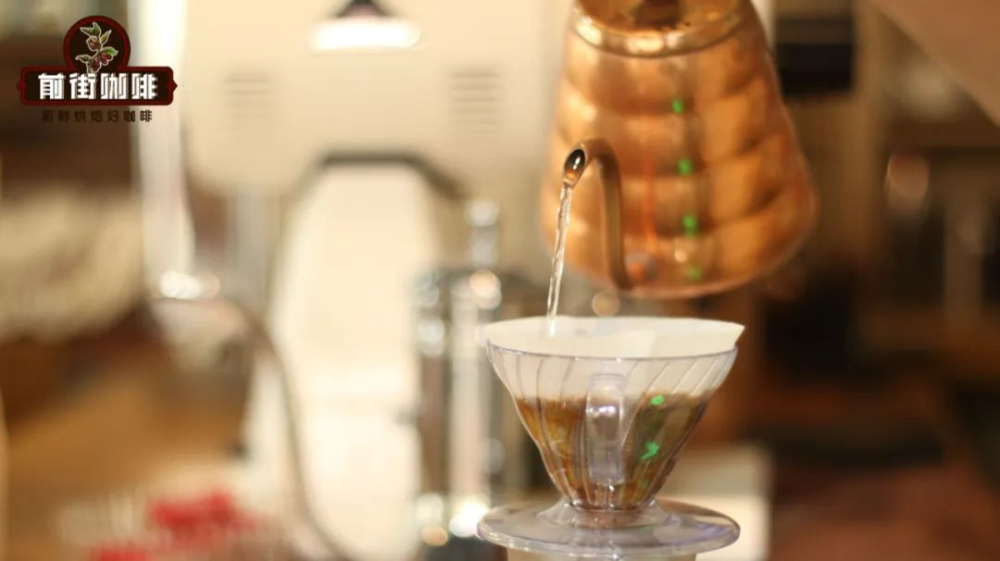
Again taking 15g of coffee with 225ml of water, FrontStreet Coffee's three stages are 30ml for the bloom, 95ml for the first pour, and 100ml for the second. Its extraction time is relatively longer. Beyond the bloom stage, at the same coffee-to-water ratio, the more segments you divide the water into, the more times you rinse the grounds, so the time stretches out. Coffee extracted this way dissolves its flavor substances more fully, gains a certain sense of layering, and proves highly adaptable.
3. 4:6 Method
The "4:6 Method" was invented by Mr. Tetsu Kasuya of Japan, whose philosophy was that "anyone can brew delicious coffee." The method is very simple, requiring no steady water control or deep brewing knowledge, just a formula to follow for a pretty decent cup.
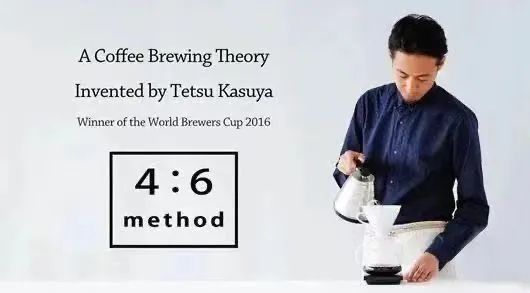
Kasuya's reading of the 4:6 method is this: the first two pours make up 40% of the total water and their main job is to steer the direction of the coffee's flavor, guiding the balance between acidity and sweetness, while the remaining three pours make up 60% of the water and determine the intensity of the coffee's mouthfeel, that is, the body.
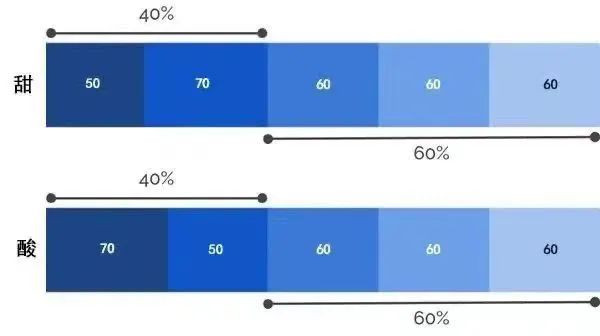
The 4:6 method most commonly uses 20g of grounds with 300ml of water, divided into five pours of 60ml each, with a 45-second interval between pours, including the pouring time. Simple as Kasuya claims it is, many people still fail with the 4:6 method fairly often, and most failures come from over-extraction. Because the extraction time is longer, plenty of people don't adjust their grind, so conventional grind particles over-extract the coffee.
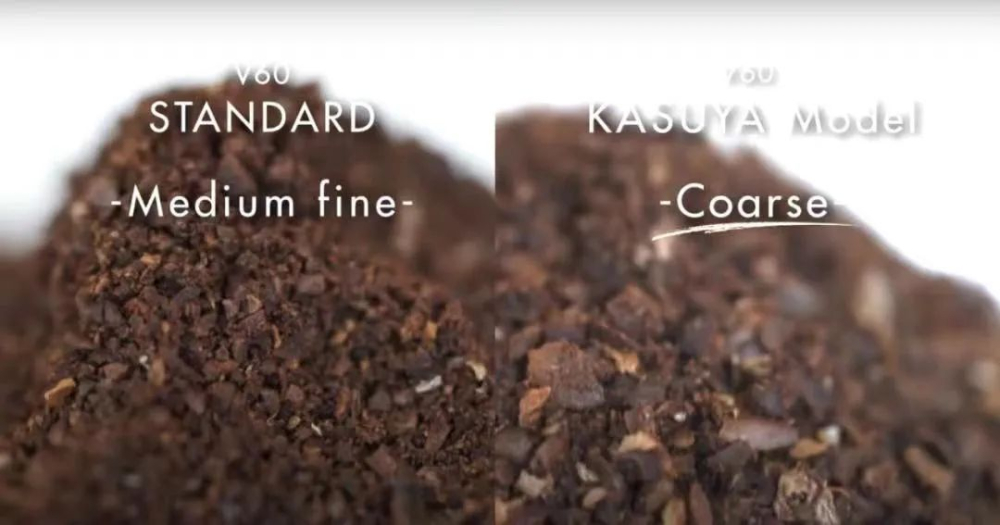
So the grind needs to go coarser to offset the over-extraction that a long extraction tends to cause. FrontStreet Coffee typically uses coarse particles with a 50% pass rate through a #20 sieve. After a long extraction, such particles produce a coffee with a richer body than conventional coffee.
4. Three-Temperature Brewing Method
The Three-Temperature Brewing Method, invented by Mr. Wu Zelin, is really a form of variable temperature brewing. As the name suggests, it uses different water temperatures to brew. He takes 16g of coffee as his standard, then brews with 240ml of water split into four pours of 40ml, 60ml, 60ml, and 40ml. The first two stages use water at 94°C, the third drops slightly to 90°C, and the final stage uses water at 80°C, forming a stepped variable temperature extraction.
The concept of variable temperature extraction is easy to grasp: use higher water temperatures to pull out the rich flavor substances early on, then finish with lower temperatures to avoid the over-extraction risk that comes with continuous high-temperature extraction. This method has a certain degree of difficulty, though, and takes many brewing tests to find the right temperature standards for the beans at hand. Once you've settled on those standards, you can finally get a cup with strong flavor expression.
5. Volcano Pour
The Volcano Pour comes from Japan. Its name comes from the carbon dioxide in the coffee beans, which forms a large dome as the fine coffee powder floats on the surface, looking like a mountain. Hot water injected in the middle speeds up the degassing of the powder, looking like a volcanic eruption, hence the name Volcano Pour.
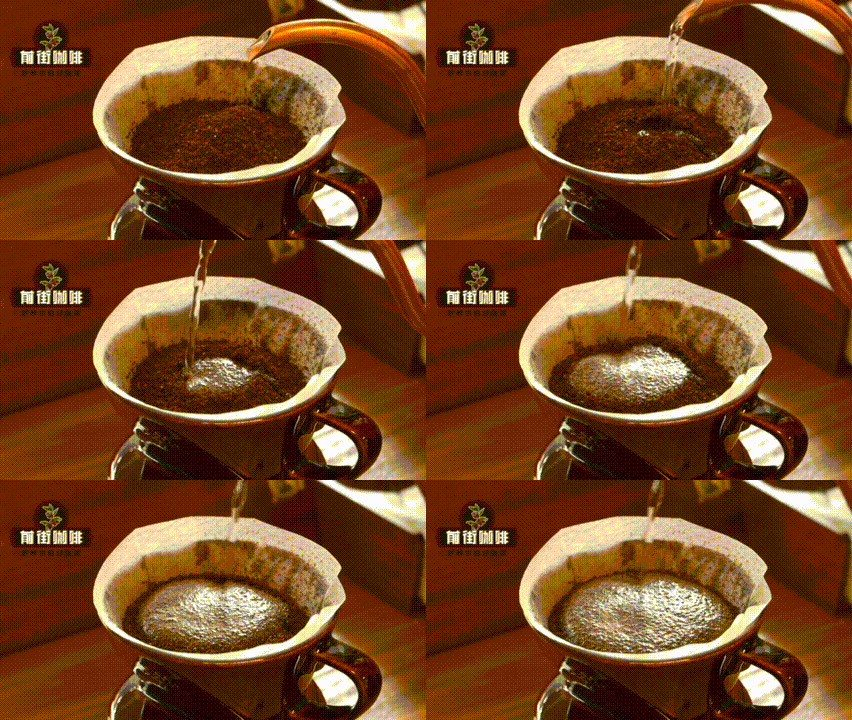
It suits dark roast beans better, because only dark roast beans release enough gas to form the mountain shape. A wedge-shaped filter cup is used, along with 30g of grounds, since the more grounds, the better the visual effect of the volcano, and a slightly coarser grind. Then 300ml of hot water is used to brew, at a 1:10 coffee-to-water ratio. First bloom with twice the weight of the grounds in hot water for 30 seconds, then perform multiple small, gentle, repeated pours down the center. There's no limit to each pour: when the water level starts to drop, start the next, until the target amount of water is used.
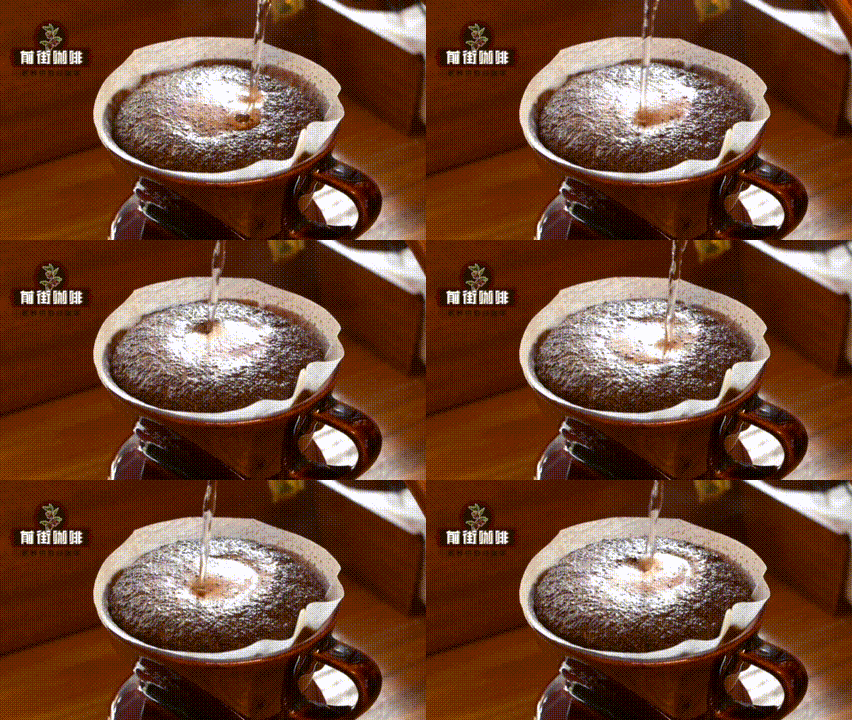
The Volcano Pour has two distinctive advantages. First, it is highly visual, so you get a feast for the eyes while you brew. Second, the coffee it produces has a balanced mouthfeel, is highly sweet, and isn't bitter. Anyone who likes dark roast coffee should give it a try.
6. Stirring Method
The stirring method rose to fame through Matt Perger, the 2012 World Brewers Cup champion, who used the technique to win. He later uploaded a video online in which he used a wooden stick during the bloom to stir quickly, first up and down, then left and right, and finally up and down again.
The purpose of stirring is to make the grounds tumble under the force it generates, so they absorb water evenly and the extraction ends up balanced. During the bloom, for example, without stirring the water only seeps downward slowly, which leaves the lower coffee bed too little time to bloom and degas, and the first pour then has to make up for it with extra impact force.
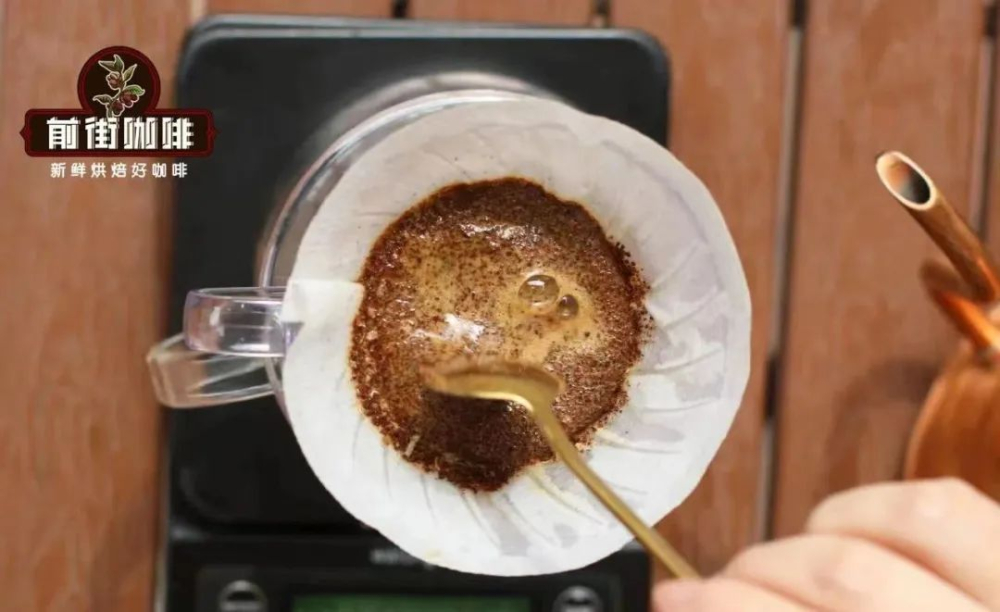
The stirring technique is fairly difficult, though. Fine coffee particles migrate downward to the bottom of the filter cup because of the flow around them caused by stirring, which easily causes clogging. Because there is no unified technique or force, everyone stirs in their own way, and one person's stirring technique cannot be applied to another. Many look similar, yet the force and position are completely different. So before choosing to stir, you must fully understand the force and method involved, as well as whether the characteristics of the beans can handle it.
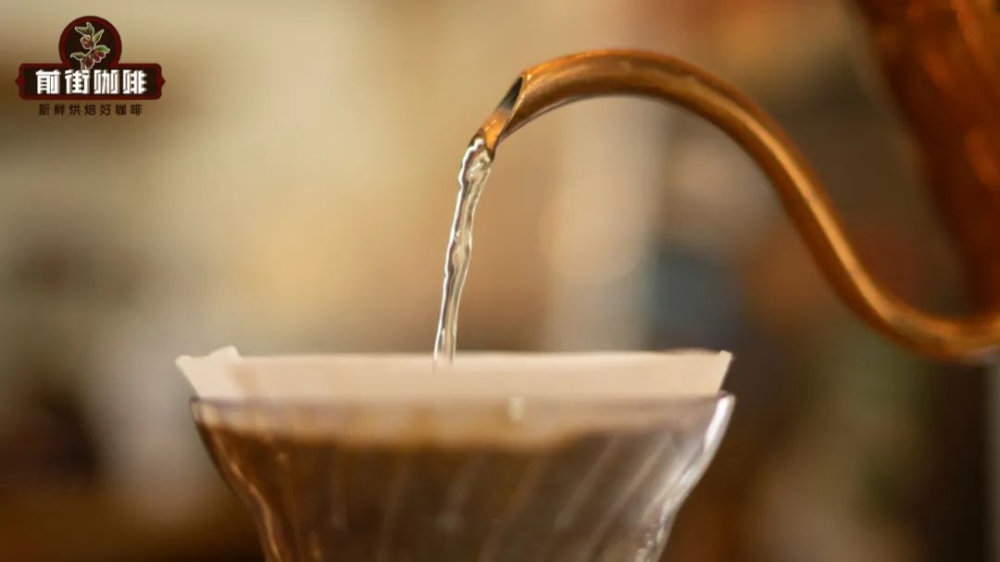
In the end, all brewing methods are really about adjusting the release order of flavor substances: sour, sweet, and bitter. Once you understand how flavors are released, which method to use is no longer the point. The point is knowing what taste a method can bring you, and then using it freely. This is also why FrontStreet Coffee consistently uses the three-stage method as its regular technique.

FrontStreet Coffee Recommendation
Different pour-over methods reward different beans, but floral and fruity coffees tend to shine no matter which technique you choose, which is where the V60 cone really earns its keep. FrontStreet's Gutingding cooperative Yirgacheffe fits that bill perfectly: it brings out delicate jasmine florals, bright citrus and lemon acidity, and a green-tea-like sweetness, so it stays clean and layered whether you pour in one stage or three.
If you prefer the vivid tropical side of things, FrontStreet's Ethiopian Huakui is a natural match for a fast-draining V60. Its strawberry, passion fruit, and jackfruit aromatics are impossible to miss, with obvious sweetness and almost no bitterness, so even a heavy-handed pour tends to stay smooth and juicy.
Important Notice :
FrontStreet Coffee is a long-established specialty coffee roaster in Guangzhou China, selling freshly roasted beans from its own farm in Yunnan as well as dozens of carefully selected single-origin beans from around the world for both pour-over and espresso. The products deliver consistently excellent quality and great value, with shipping within 24 hours. Guangzhou's FrontStreet Coffee shop is recommended by many coffee lovers, and the beans are now available online at the Tmall 。
FrontStreet Coffee has moved to a new address:
FrontStreet Coffee Address: 315,Donghua East Road,GuangZhou
Tel:020 38364473
 Scan and follow the En Gafei WeChat official account. Please indicate that the reprint comes from "En Gafei".