
Misconceptions in Self-Learning Pour-Over Coffee: How Many Have You Fallen Into?
Introduction to Pour-Over Coffee
With the development of specialty coffee, pour-over coffee can now be found in cafes of every style. It has also become the preferred choice for many people teaching themselves to brew, thanks to its pure flavor, low entry cost, and simple operation.
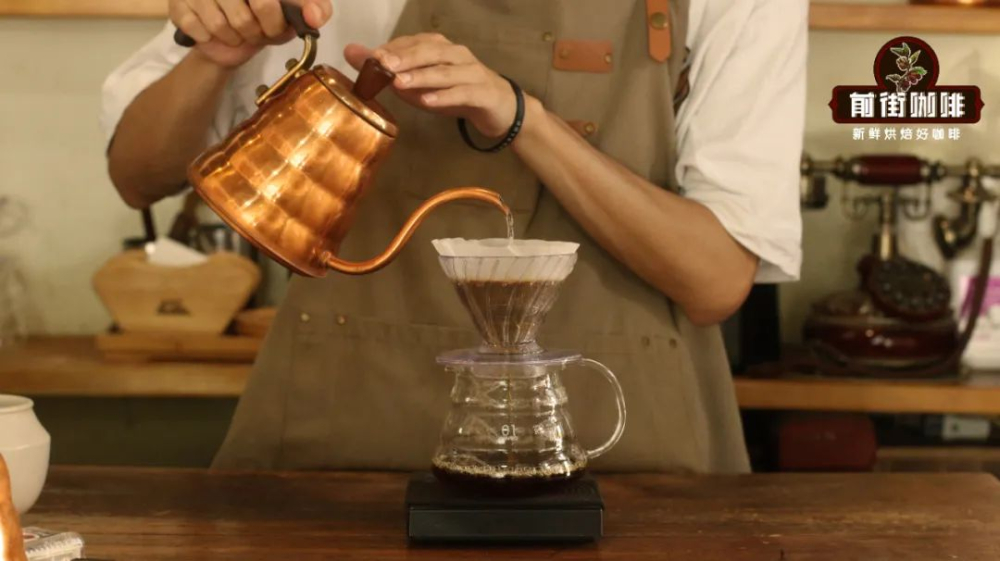
In today's era of advanced internet information, there are ever more ways to learn pour-over coffee on your own. There are integrated extraction theories with key points highlighted, and tutorials covering equipment, steps, techniques, and details. Precisely because this "free" knowledge is often scattered and lacks systematic organization, many self-learners easily fall into operational misconceptions.
Misconception No. 1: Being "Close Enough" with Every Parameter
Many newcomers to pour-over establish a pouring framework before actual extraction, but when it comes to practical operation they do not strictly follow the parameters they set. "It's fine if the coffee grounds are off by a few tenths of a gram," "It's fine to let the boiled water sit for a while," "The water amount looks about right, a little more or less doesn't matter." If each parameter drifts slightly, the final coffee flavor will differ by more than just a little.
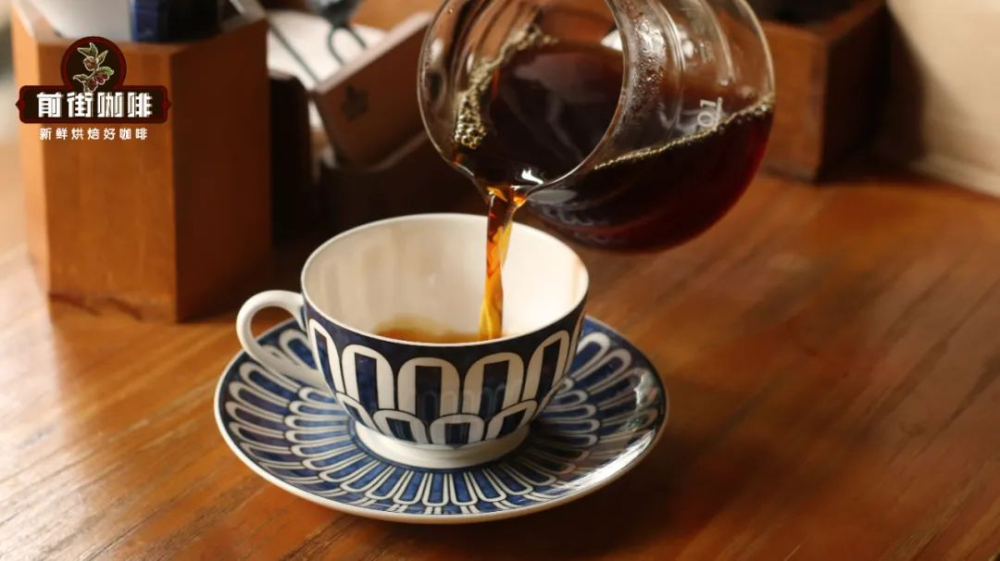
For beginners, after establishing a brewing framework, it is crucial to brew strictly by the parameters you set. Only then can you eliminate unstable factors at the source when you later review your parameters, making it easier to identify why the coffee does not taste good.
Misconception No. 2: Starting the Timer Only After Blooming
Blooming for 30 seconds is a point mentioned in almost every tutorial, but some advocate pressing the timer only after finishing the bloom pour, while others believe timing should start when the pour begins. The time difference between the two approaches is about 7-9 seconds.
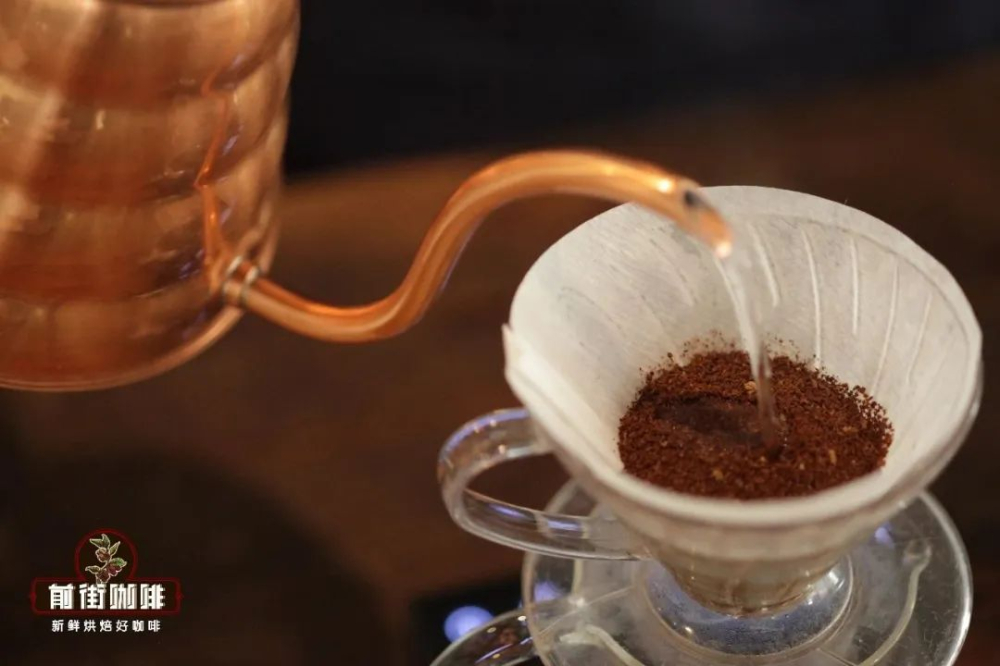
What we usually call extraction time is the total duration from the starting point of brewing to the end of dripping. Once water and grounds contact, extraction has already begun, so the moment the first drop of hot water falls into the coffee grounds is the starting point of blooming, and timing should begin then. If you only start timing for 30 seconds after finishing the pour, the actual blooming time extends to about 37-39 seconds, and the total extraction time also runs longer than the estimate.
Misconception No. 3: No "Hamburger" During Blooming Means Stale Beans
In many promotional advertisements or video tutorials, you can see hot water poured into coffee grounds slowly rising into a "hamburger-shaped" bulge, which looks very satisfying and is one of the main signs of brewing fresh beans. Over time, some beginners have come to assume that brewing fresh coffee must produce a hamburger during blooming, and that if it does not bulge, the beans are no longer fresh.
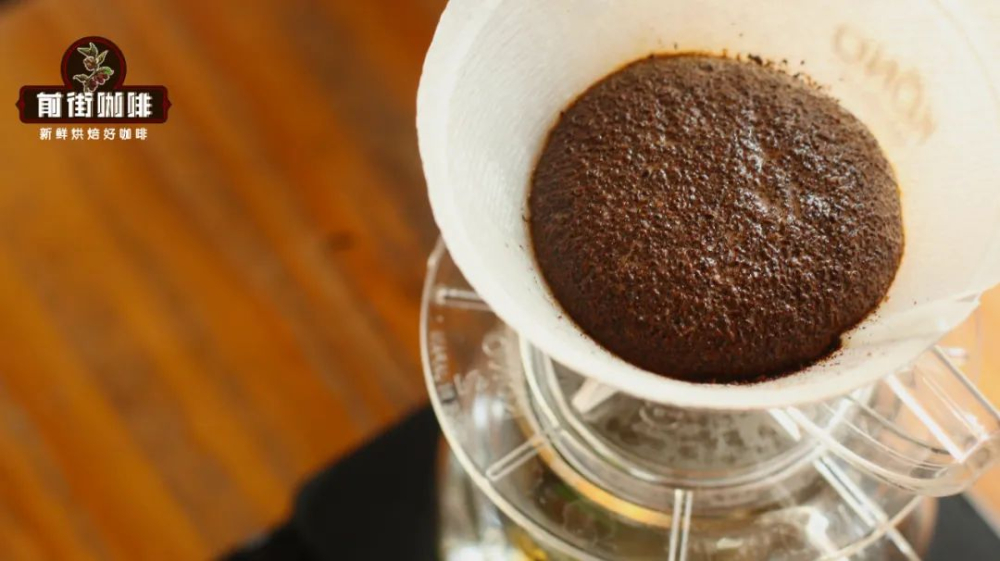
In reality, light roast coffee beans with floral and fruit flavors are inherently harder, with complete and dense structures. They degas more slowly when they meet water, so they will not produce an obvious bulge. In addition, when coffee grounds are ground coarser, the particles are larger and need more time to become saturated with water, so degassing is weaker and the expansion is smaller.
Misconception No. 4: You Must Pour in Clockwise Circles
Circular pouring is our most common form of agitation, with even circles from inside to outside to fully extract soluble flavor compounds. Many newcomers, after learning about circular pouring, immediately fall into another blind spot: the direction of the circles. On this point, FrontStreet Coffee brewed two pots of coffee with identical parameters, changing only the direction of the pouring circles, and found no significant difference.
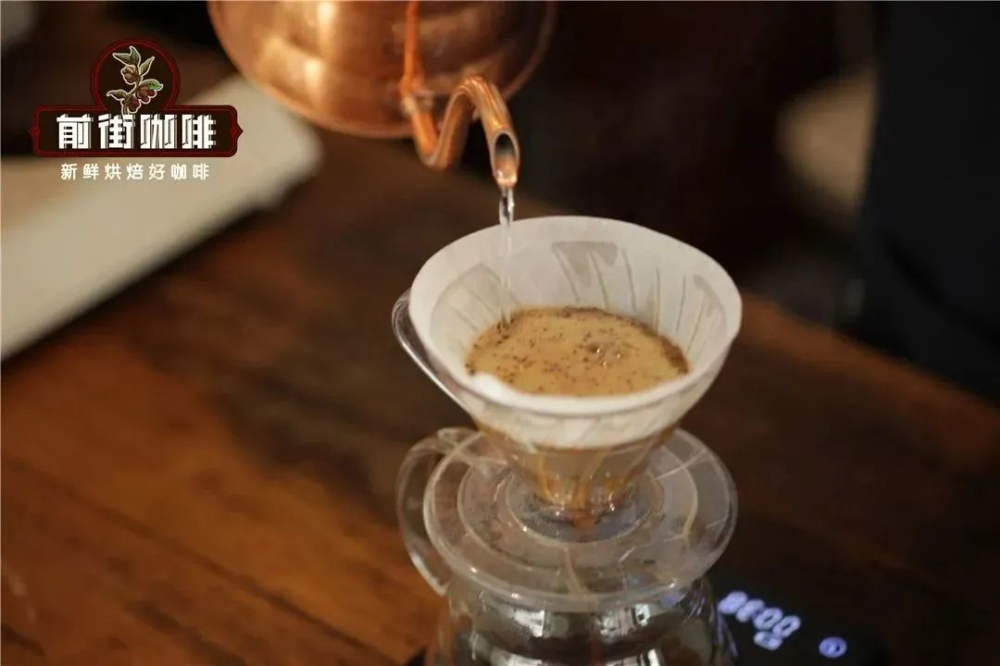
In theory, whether you pour clockwise or counterclockwise makes no significant change. Circle size, the height of the water flow, stream thickness, speed, pouring time, and the stability of the flow are all factors that affect the coffee's final flavor, while the direction of the circles is only an extremely subtle influence. Whether you choose clockwise or counterclockwise pouring depends entirely on personal habit, as long as you keep the circular direction consistent.
Misconception No. 5: Removing the Dripper Before the Coffee Finishes Dripping
Some brewers rely heavily on stopping the flow during daily brewing. They always feel that the last 10-20ml is the source of bitterness and often choose to discard it. Other brewers, being too cautious, like to watch the extraction time on the electronic scale; if it passes 2 minutes without finishing dripping, they quickly remove the dripper to protect the coffee in the server below from being affected.
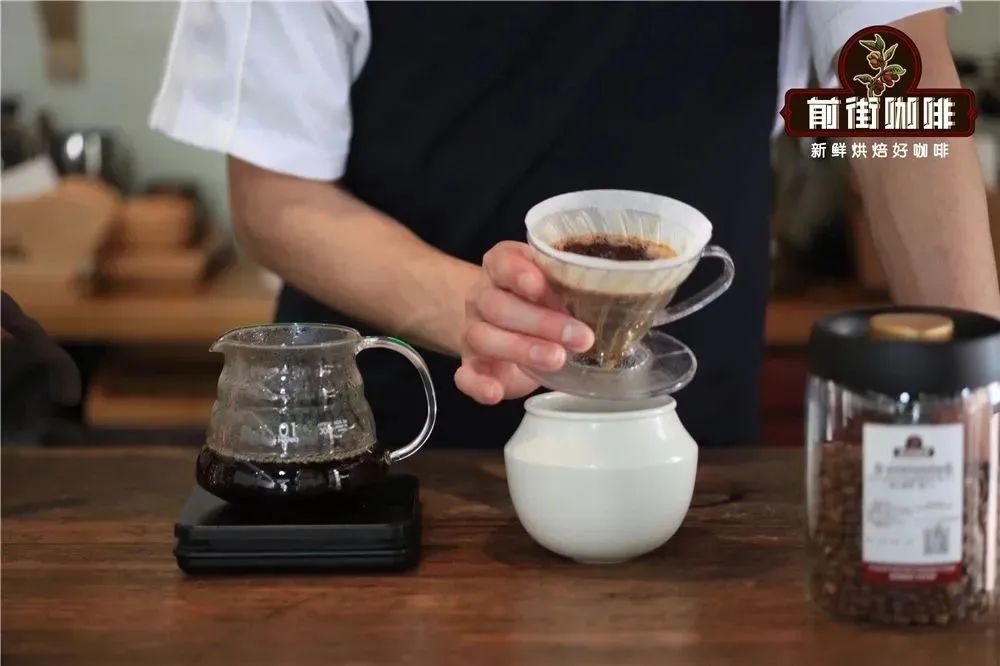
In either case, stopping the flow means the coffee-to-water ratio is wrong, with less actual coffee liquid than the set value. FrontStreet Coffee has experimented and found that, following a normal 1:15 coffee-to-water ratio, tasting the stopped tail-end coffee liquid revealed no negative flavors such as bitterness or harshness. Relying blindly on stopping the flow instead loses some flavor compounds, leaving the coffee without aftertaste. If the tail liquid we brew is indeed distinctly bitter, we should think about how to optimize the brewing parameters rather than blindly falling back on stopping the flow.
Misconception No. 6: Always Discussing Golden Cup Theory Before Sensory Experience
Some friends, after learning concepts like extraction rate and concentration, tend to cling to a set of "standard data," always emphasizing terms like over-extraction or under-extraction before tasting, while ignoring the true charm of pour-over coffee: flavor.
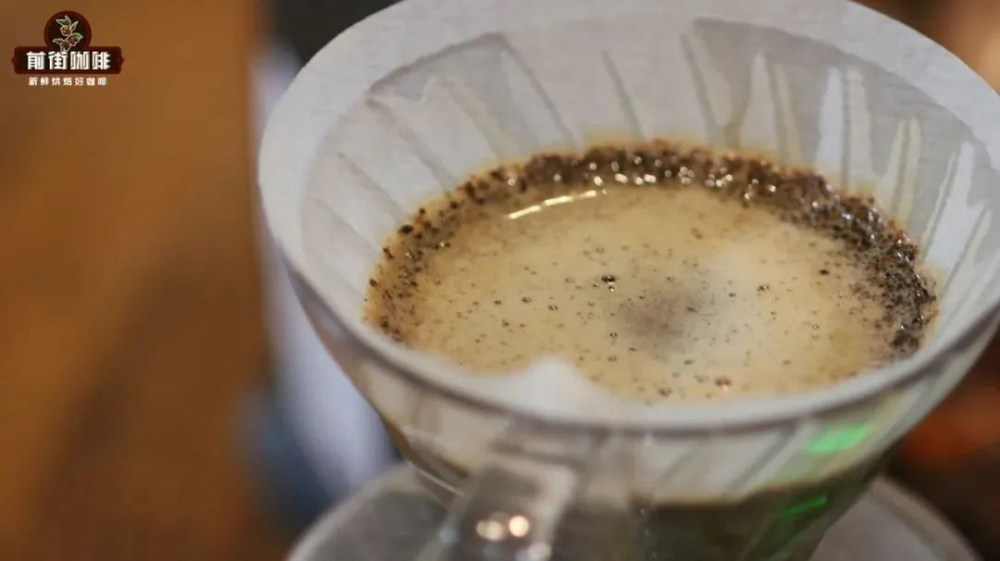
First, for beginners who have just started learning pour-over, FrontStreet Coffee does not advocate the view that a slight difference in parameters leads to a huge difference in taste. We suggest starting from your own sensory experience to decide whether adjustments are needed, then choosing the direction of adjustment based on your needs and abilities together with conservative brewing parameters. If someone does not understand much of the extraction logic and still has poor water control, yet blindly pursues so-called professionalism, it will be hard to find effective progress in their learning.
FrontStreet Coffee Recommendation
If you are learning pour-over, a V60 is a natural starting point. The cone shape and 60-degree angle force the water toward the center before it drips into the server, extending contact between water and grounds so aroma and flavor extract fully, and its single large hole leaves flow rate largely up to the brewer's control. With the third wave's move toward lighter roasts, the V60's fast extraction is exactly what brings out layered aroma, lively acidity, floral notes, fruit acidity, clean sweetness, and tea-like character.
That makes floral and fruity coffees the best match. FrontStreet Coffee's Gotiti carries the classic Yirgacheffe profile, with jasmine florals and bright citrus acidity over a green-tea body. The Sun-Dried Huakui brings tropical fruit richness with strawberry, passion fruit, and jackfruit aromas, and the Strawberry Candy Blend adds a Geisha-style floral-fruit layer through a washed Panama Geisha paired with a Costa Rican honey process, showing raisin, orange, and blueberry notes with a rose-like depth.
For a lower-acid, deeper cup to practice with, FrontStreet Coffee's PWN Indonesia Golden Mandheling is a deep roast with very low acidity and a long, full body layered with herbal and dark chocolate notes, while the Brazil Queen Estate is well balanced and low in acidity with nut and cocoa aromas and a clear caramel sweetness. The Jamaica Blue Mountain No. 1 rounds out the range with a nearly perfect balance across acidity, sweetness, bitterness, and aroma, which many in the trade call the specialty coffee most people find easiest to like.
Important Notice :
FrontStreet Coffee is a long-established specialty coffee roaster in Guangzhou China, selling freshly roasted beans from its own farm in Yunnan as well as dozens of carefully selected single-origin beans from around the world for both pour-over and espresso. The products deliver consistently excellent quality and great value, with shipping within 24 hours. Guangzhou's FrontStreet Coffee shop is recommended by many coffee lovers, and the beans are now available online at the Tmall 。
FrontStreet Coffee has moved to a new address:
FrontStreet Coffee Address: 315,Donghua East Road,GuangZhou
Tel:020 38364473
 Scan and follow the En Gafei WeChat official account. Please indicate that the reprint comes from "En Gafei".

