
How to Identify Extraction Issues by Examining Espresso Crema?
How to Identify Extraction Issues by Examining Espresso Crema?
As daily coffee drinking becomes a habit for more people, the home coffee corner has become a household trend. FrontStreet Coffee regularly field questions about problems that come up when brewing at home, and espresso crema is one of the most commonly raised extraction concerns. Today, let's dig into it.
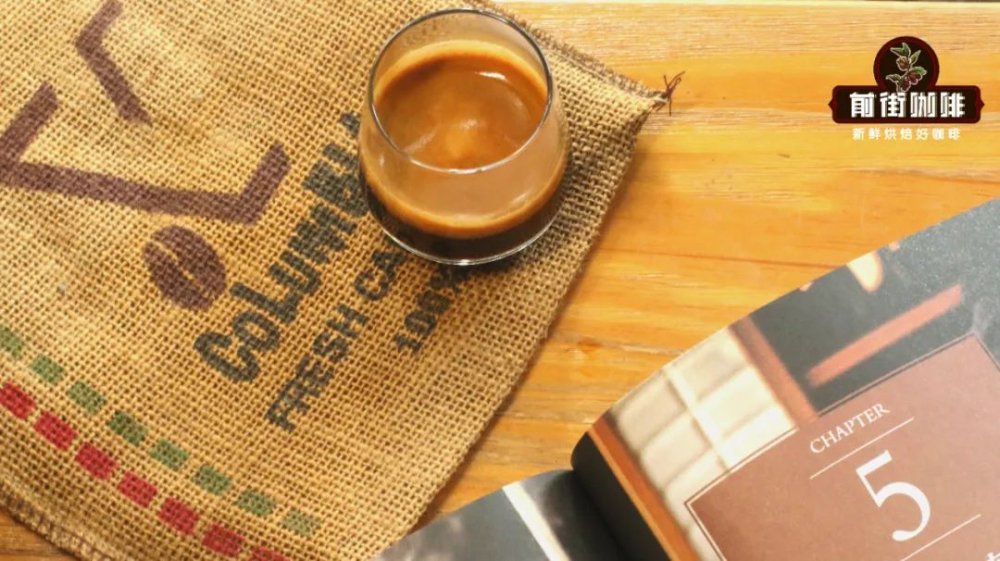
Is espresso "crema" really oil?
Let a freshly pulled shot rest and look closely: the pale layer on top is actually made of countless tiny bubbles. They exist because the machine's extraction pressure forces the insoluble oils in the coffee to wrap around carbon dioxide, forming an emulsion. In Italian it's called "crema," and many baristas simply refer to it as the "oil" layer.
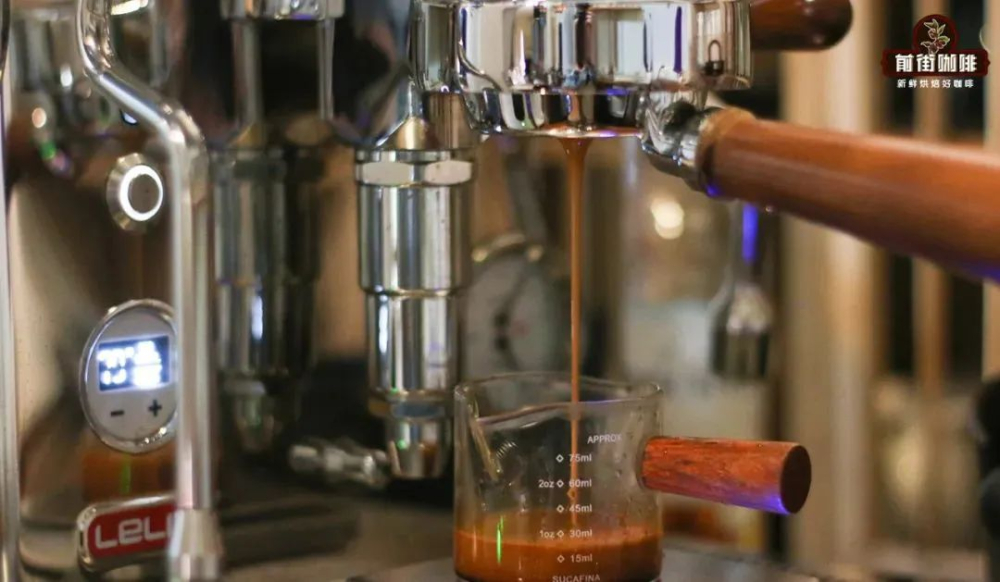
If you leave the shot standing for an hour or so, the carbon dioxide gradually dissipates and the crema collapses. What remains floating on the surface is a visibly glossy film — that is coffee oil in the truest sense.
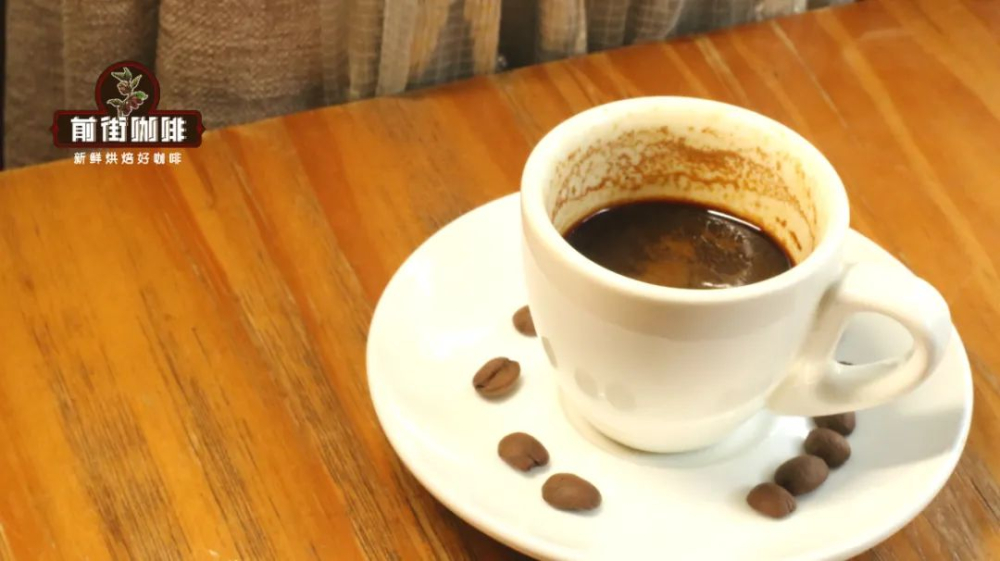
How do you get beautiful crema?
Good crema is golden yellow, fine-textured, and even in color. Swirl the cup and it flows like cream, clinging noticeably to the walls. Beyond its visual appeal, crema enriches mouthfeel and aroma, protects the coffee's flavor as it cools, and — for hot milk drinks — makes latte-art fusion and pattern formation far easier. Perhaps that's why people go to such lengths chasing the perfect espresso!
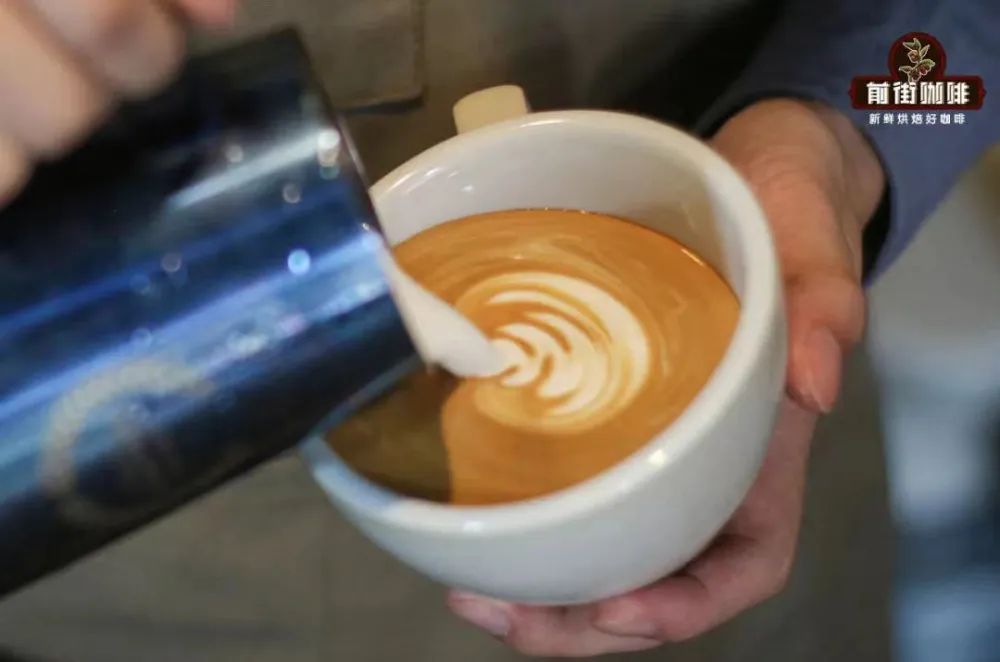
Based on our extraction experience, rich crema starts with beans that carry plenty of oils and enough carbon dioxide — for example, medium-dark roasts within their optimal drinking window (45-60 days), or fresh espresso blends containing a proportion of Robusta. Once you've chosen the right beans, you still need fresh grinding, stable high temperature, adequate extraction pressure, and sensible extraction parameters. Only when all of these line up will your espresso wear a dense, velvety crema.
Broadly speaking: the fresher the beans, the deeper the roast, and the greater and more stable the machine's pressure, the better the crema. Next, FrontStreet Coffee shows you how to read an espresso's state from its crema — and fix the common extraction problems it reveals.
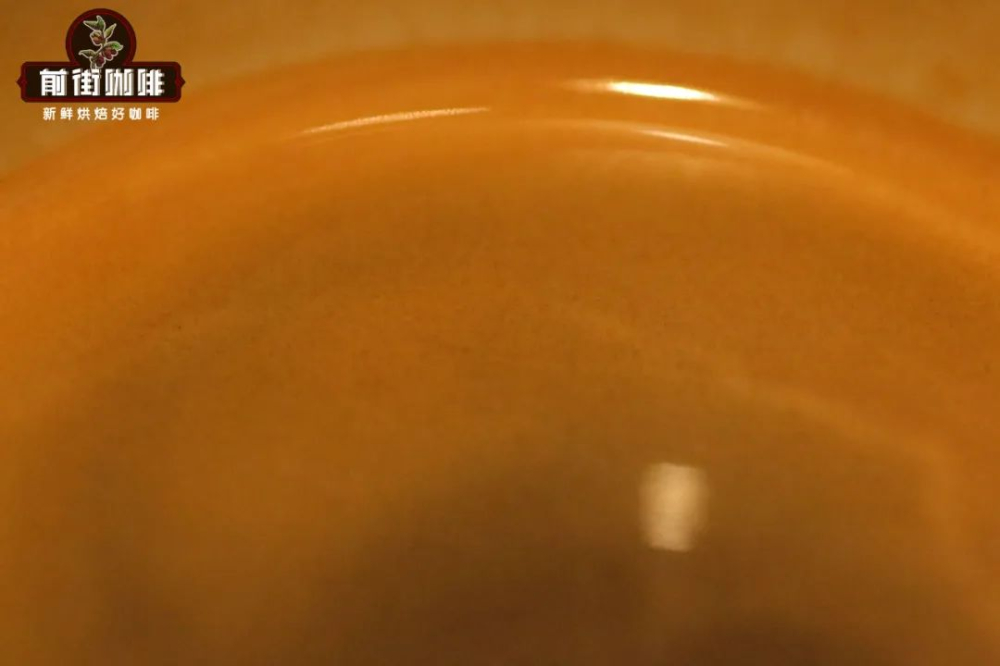
No crema at all, or a very thin layer
The likeliest culprit is beans that have been stored too long — whether from poor storage or because they were pre-ground. The longer the storage, the more gas exchanges with the air, the more carbon dioxide is lost, and the thinner the crema. Low machine pressure, low temperature, an overly coarse grind, or insufficient tamping pressure can all cause the same problem.
Pale, whitish crema
If your shot has decent crema thickness but lacks golden color, and the taste runs sharply acidic, you're probably on a lighter roast. For instance, when FrontStreet Coffee pulls shots of Kochere — a bean built around fruity acidity — the wrong grind size easily leads to under-extraction, producing unpleasant sourness and astringency along with a paler crema.
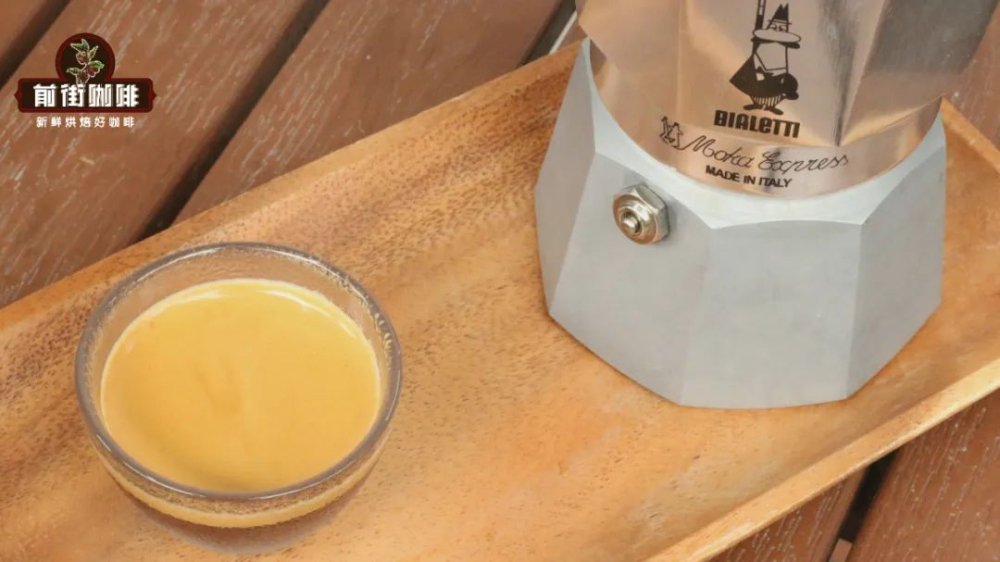
Coarse, bubbly, clumped crema
This crema shows an obvious lumpy texture, disappears quickly, and flows poorly — much like over-foamed milk that refuses to spread and incorporate.
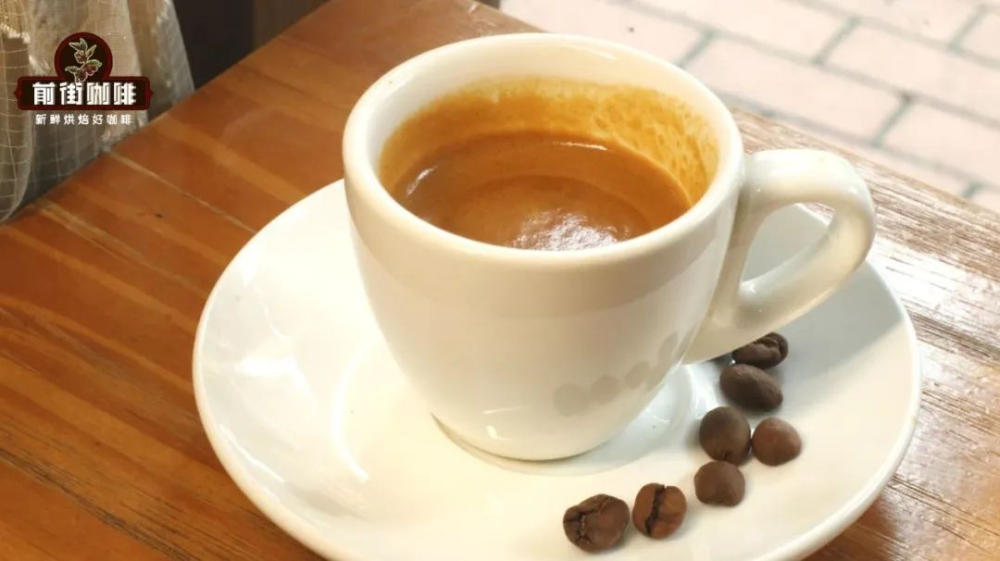
The cause is beans that are too fresh — gas content too high. Freshly roasted beans hold a large amount of carbon dioxide; when that much gas is forced into the liquid, the emulsified oils can't encapsulate it all, so bubbles burst and regroup into clumps, then collapse quickly once the shot returns to normal temperature and pressure. If this happens, FrontStreet Coffee recommends resting the beans before pulling shots — 7 to 10 days does the trick.
FrontStreet Coffee Recommendation
After all this crema talk, here are the beans FrontStreet Coffee reaches for when a stable, dense crema is the goal:
FrontStreet Coffee Classic Blend — A medium-dark espresso recipe built from beans of three origins, inspired by the old-school "Mandheling-Brazil" pairing, with a touch of Robusta for aroma and body. Butter, toasted bread, and caramel-biscuit aromas, a bold and solid cup, fine crema, and remarkably stable extraction — an ideal home bean for anyone learning latte art.
FrontStreet Coffee Specialty Blend — Also medium-dark roast, pairing washed Colombian with pulped-natural Brazilian beans. Expect nuts, dark chocolate, and caramel in espresso, with smooth cream, almond, and cocoa notes shining through in lattes and flat whites. Crema that stands shoulder to shoulder with café output — more than enough for practicing pour patterns at home.
FrontStreet Coffee Commercial Blend — Built on the Specialty Blend with a small addition of Robusta, designed for deep-brown, luxurious crema and a heavy body. Nuts, cocoa, and caramel carry through Americanos, lattes, and mochas alike, and it makes latte art feel effortless — tailor-made for those preparing to open a shop.
- END -
FrontStreet Coffee

Important Notice :
FrontStreet Coffee is a long-established specialty coffee roaster in Guangzhou China, selling freshly roasted beans from its own farm in Yunnan as well as dozens of carefully selected single-origin beans from around the world for both pour-over and espresso. The products deliver consistently excellent quality and great value, with shipping within 24 hours. Guangzhou's FrontStreet Coffee shop is recommended by many coffee lovers, and the beans are now available online at the Tmall 。
FrontStreet Coffee has moved to a new address:
FrontStreet Coffee Address: 315,Donghua East Road,GuangZhou
Tel:020 38364473
 Scan and follow the En Gafei WeChat official account. Please indicate that the reprint comes from "En Gafei".

