
How Should You Store Coffee Beans After Purchase?
A Quick Introduction to Coffee Bean Storage
Have you ever come home from a café, inspired to buy beans of your own? Maybe you have already kitted out your kitchen with brewing gear—but once the beans are home, how should you store them? How long do they keep? What is their actual shelf life?
In this article, FrontStreet Coffee will show you how to store coffee beans properly.
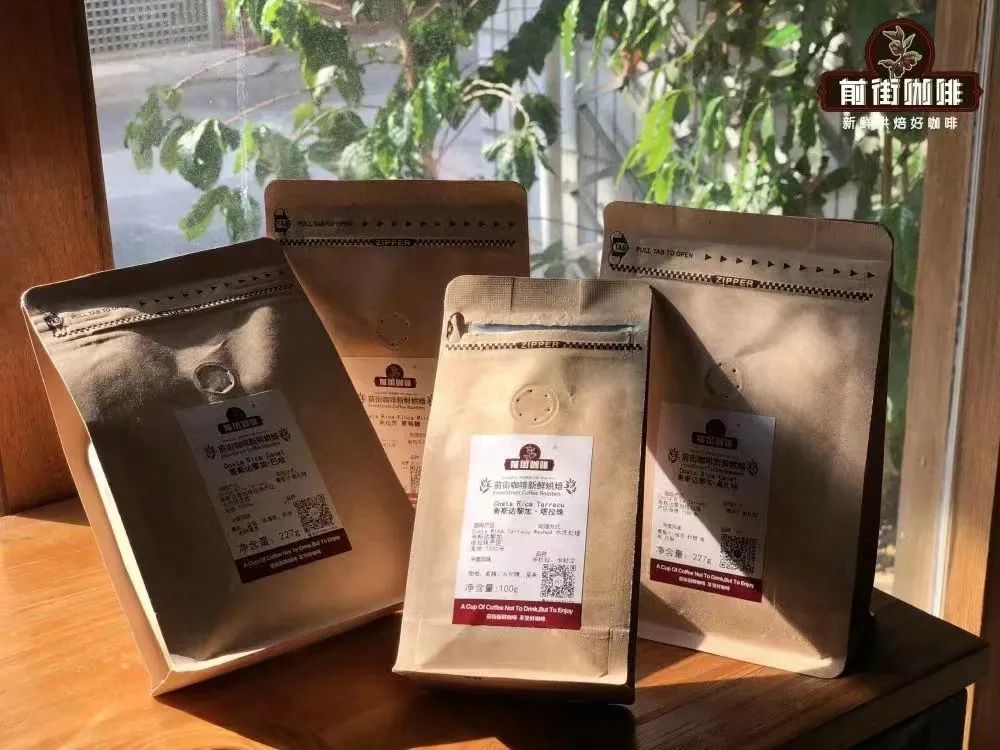
How quickly beans get used up depends entirely on how often you drink coffee. Coffee bought online or in shops usually comes in 100g-500g packages. For home pour-over, using 15g per brew, a 100g bag gives you about 6 brews and a 454g bag about 30. So what should you do with beans you cannot finish right away?
FrontStreet Coffee recommends finishing beans within their optimal flavor window, which runs roughly 30-45 days after roasting. Don't buy too much at once! Even though beans can technically be stored for a year in suitable conditions, their flavor compounds will not last nearly that long. That is why we distinguish between shelf life and optimal flavor period.
Storage Methods
1. Keep Beans in Their Original Packaging
Coffee bought online comes packaged in two main forms: bags and cans. Most bags have a small hole that is actually a device called a one-way degassing valve. Like a one-way street, gas can escape in one direction but cannot get back in. One caveat: when your beans arrive, resist the urge to squeeze the bag to smell the aroma. Every squeeze pushes fragrance out through the valve, and the coffee will taste flatter later.
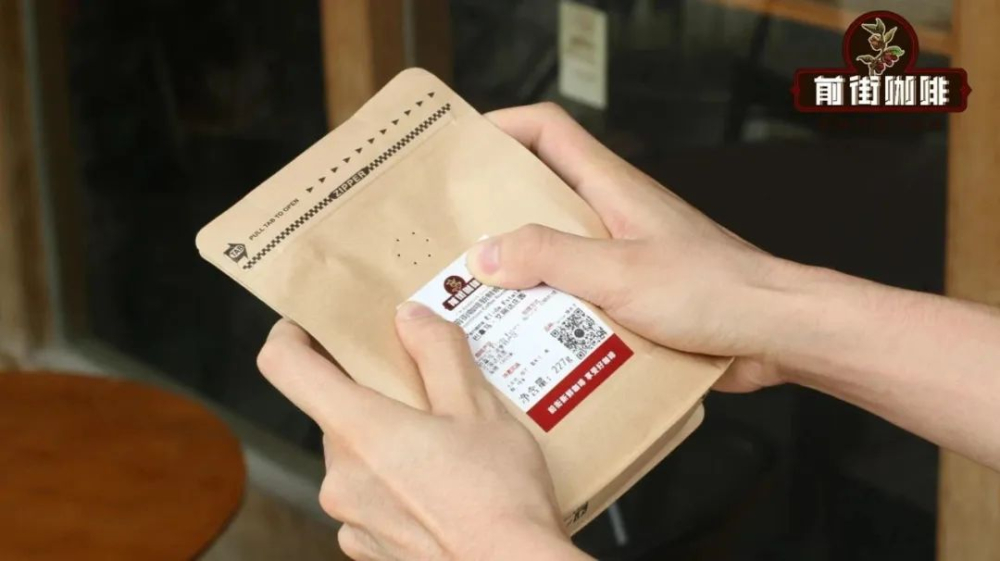
Freshly roasted beans are full of carbon dioxide and keep releasing it in significant quantities over the following days. But the beans are sealed into bags soon after cooling. Without the one-way valve, all that released CO2 would fill the bag and eventually burst it under the pressure of continuous degassing. This kind of packaging works best for small quantities that you will finish quickly.

2. Use a Coffee Canister
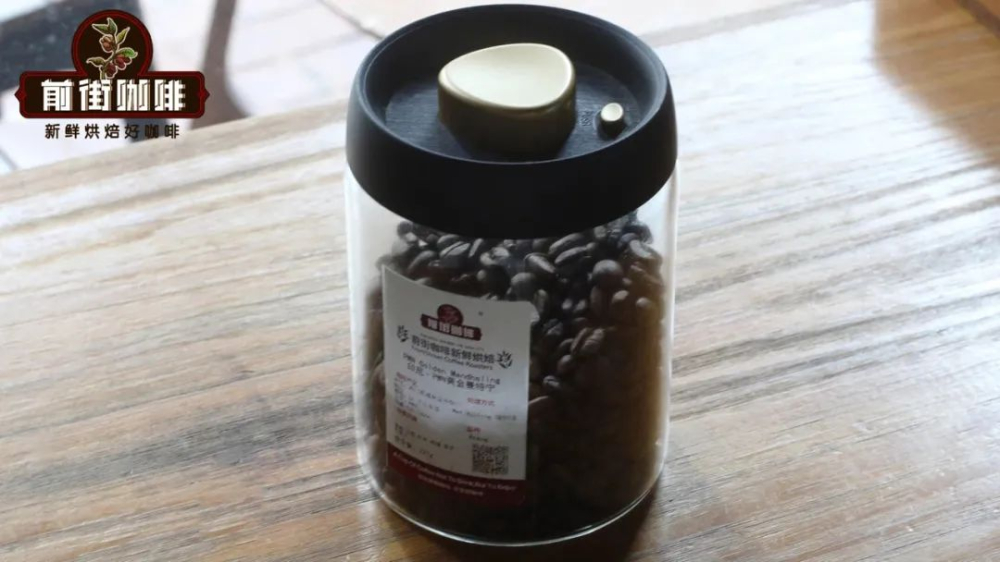
A quick search online turns up endless canister options. How do you choose? Three criteria matter: first, a good seal; second, a one-way degassing valve; and third, the ability to store beans at near-vacuum.
During roasting, green beans expand internally and produce carbon dioxide, and that CO2 carries coffee's volatile aromatics with it. A well-sealed canister keeps those volatile compounds from escaping and keeps moisture in the air away from the beans, which would otherwise make them damp.

Besides preventing bags from bursting under continuous degassing, a one-way valve also shields the beans from oxygen, which causes oxidation. The CO2 released during roasting forms a protective layer that keeps oxygen out—but that layer gradually thins as time passes.
Many canisters on the market today reach a near-vacuum state with a simple operation, keeping beans out of prolonged contact with air. Canisters come in transparent and opaque versions; opaque ones block light, which can accelerate oxidation. If you store them away from direct sunlight, though, this is not an issue.
FrontStreet Coffee itself uses canisters that achieve near-vacuum storage. Since canisters are reusable, we recommend them for anyone who buys beans regularly.
Should You Grind Beans in Advance?
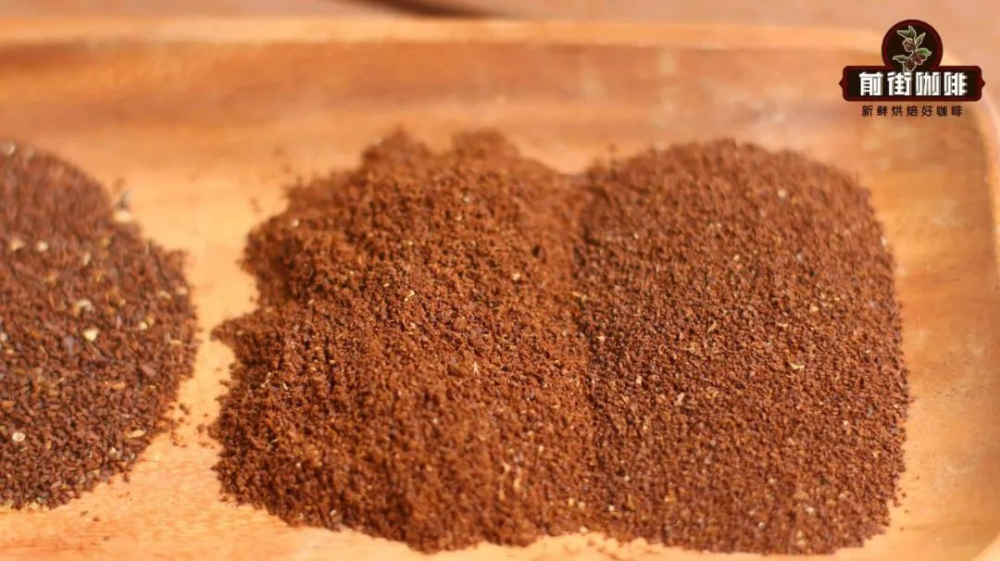
Some people without a grinder at home wonder whether they can buy pre-ground coffee and store it. Once ground, the surface area of coffee exposed to air increases dramatically, so CO2 escapes faster and flavor compounds dissipate faster. By the time you brew at home, the cup will be noticeably weaker, possibly missing the aroma and taste you remember from the first time.
So FrontStreet Coffee suggests buying ground coffee only in small quantities, storing it somewhere cool and dry, and using it up as soon as possible. We do not recommend refrigerating it either: when it comes back to room temperature, condensation forms and degrades the quality and taste.
Conclusion
In short: if you buy beans in small quantities, keep them in their original packaging. If you buy larger amounts, invest in a proper coffee canister.
- END -
FrontStreet Coffee
No. 10, Bao'an Qianjie, Yandun Road, Dongshankou, Yuexiu District, Guangzhou, Guangdong Province
FrontStreet Coffee Recommendation
Of course, the best storage plan is simply to buy beans you will finish within their flavor window. For pour-over fans, FrontStreet Coffee's Ethiopia Yirgacheffe Guodingding is a perennial favorite—bright citrus, berries, and florals with a green-tea-like sweetness—while the Ethiopia Aricha (Huakui) delivers intense tropical fruit aromas of strawberry, passion fruit, and lychee with hardly any bitterness.
Whichever you choose, buy the size you can drink through in 30-45 days after roasting, keep it sealed in its original valve bag or a near-vacuum canister, and every cup will taste as vivid as the first.
Important Notice :
FrontStreet Coffee is a long-established specialty coffee roaster in Guangzhou China, selling freshly roasted beans from its own farm in Yunnan as well as dozens of carefully selected single-origin beans from around the world for both pour-over and espresso. The products deliver consistently excellent quality and great value, with shipping within 24 hours. Guangzhou's FrontStreet Coffee shop is recommended by many coffee lovers, and the beans are now available online at the Tmall 。
FrontStreet Coffee has moved to a new address:
FrontStreet Coffee Address: 315,Donghua East Road,GuangZhou
Tel:020 38364473
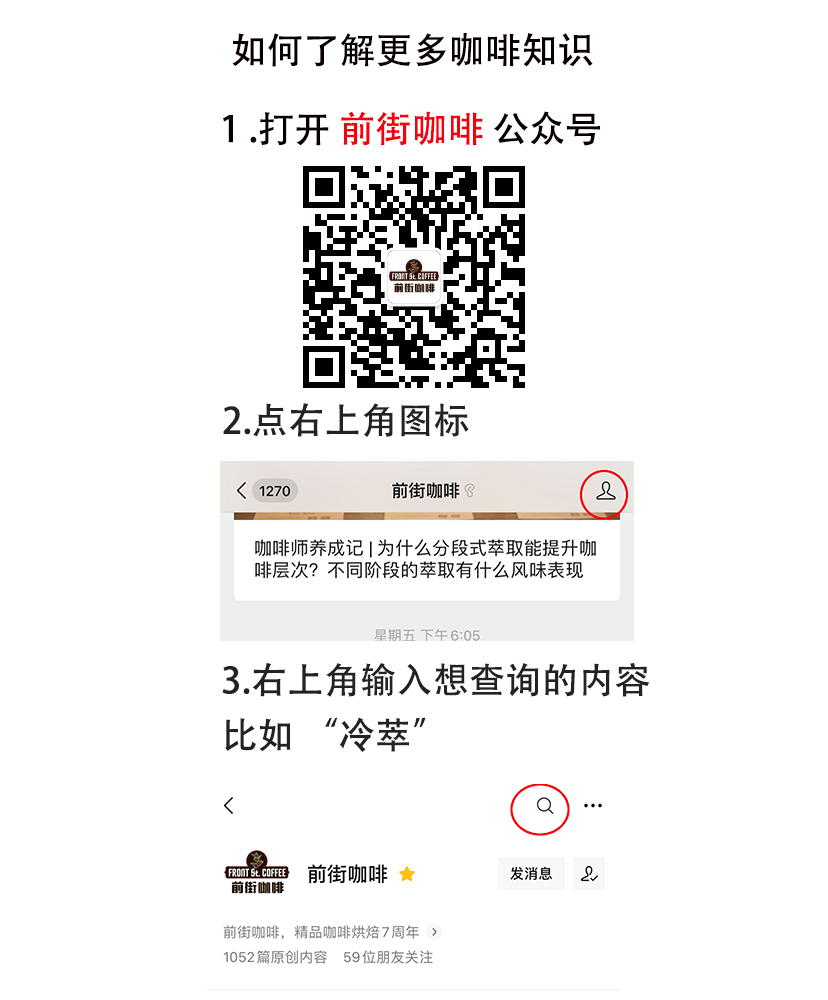
 Scan and follow the En Gafei WeChat official account. Please indicate that the reprint comes from "En Gafei".

