
What Impact Do Different Milk Temperatures Have on Lattes? Are High-Temperature Lattes Delicious?
The Impact of Milk Temperature on Latte Quality
As the weather cools, demand for hot coffee climbs. To make sure takeout customers receive a latte that's still warm to hold, many coffee shops steam the milk to near-scalding temperatures rather than the optimal 65°C. Which raises the question: does a latte made with unconventional milk temperatures still taste good?
What Are the Differences Between Lattes at Various Milk Temperatures?
Heated to the right temperature (between 55-65°C), milk develops enhanced sweetness as the lactose becomes more active. But what happens above that range — does the sweetness survive? And what flavor characteristics appear in lattes made with milk below it?

For this experiment, FrontStreet Coffee prepared milk and lattes at three temperatures: 40°C, 60°C, and 80°C. We used our house "Warm Sun Blend" beans (20g of coffee extracted into 40ml of espresso) and Guangming fresh milk (210ml per latte).
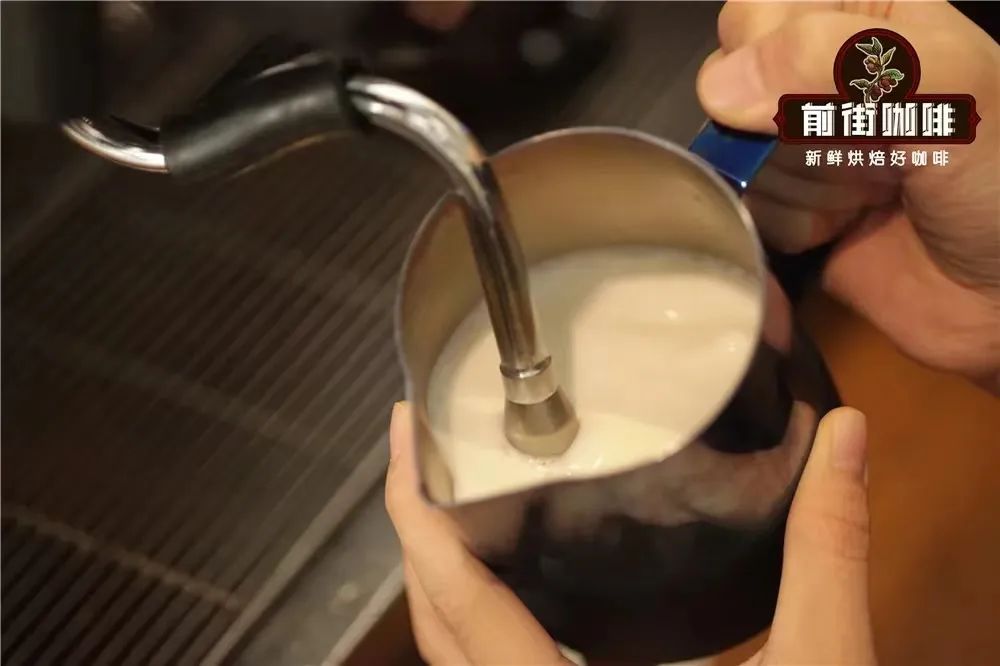
Standard steaming technique was used throughout. Experienced baristas can judge the stopping point by feel with a palm on the pitcher; beginners may prefer a thermometer for precision.

For 40°C milk, stop steaming when the pitcher feels warm to the touch. For 60°C, stop when it begins to feel hot. The 80°C milk demands special care: at around 70°C, the foam expands and rises rapidly even without deliberate aeration, and the temperature then climbs quickly. After about five seconds of expansion you can stop — the pitcher will feel very hot to the touch.
Milk Tasting Session
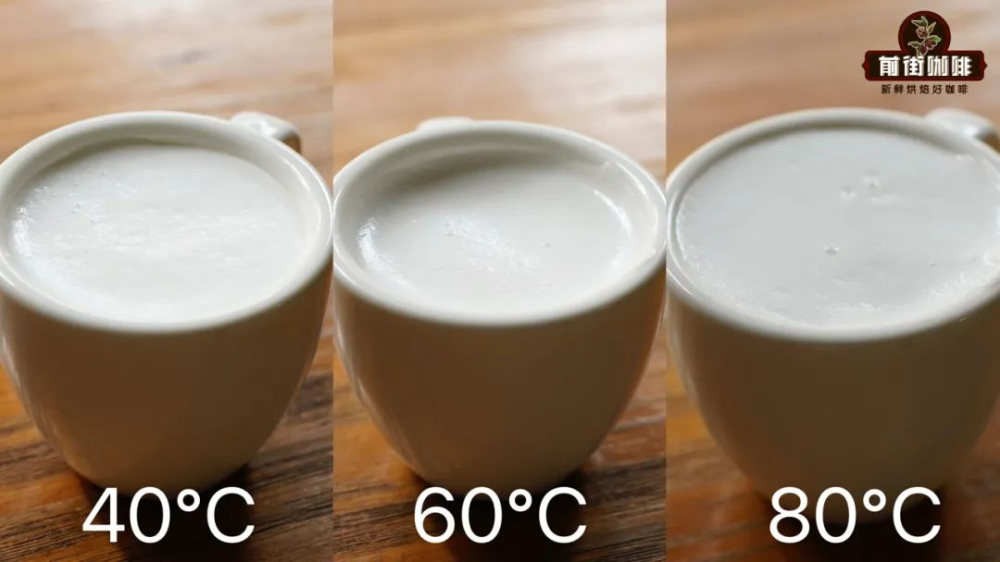
The 40°C milk had a weaker aroma but still noticeable sweetness. The 60°C milk showed a more pronounced aroma and outstanding sweetness. The 80°C milk was intensely aromatic but too hot to taste at first; once it cooled slightly, its sweetness proved lower, with some milky "gamey" notes. Next, we put all three into lattes.
Latte Tasting Session
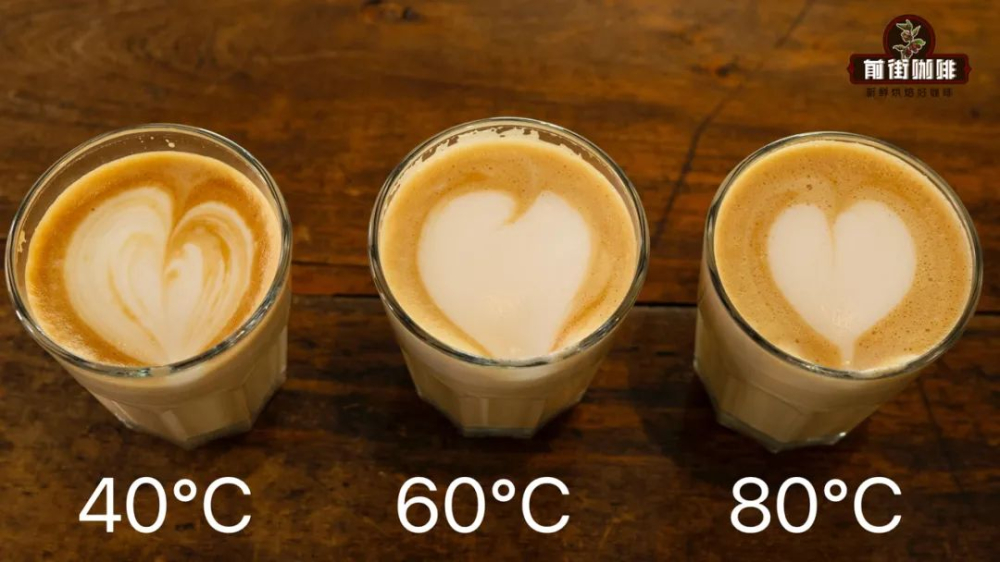
40°C Latte: The foam felt somewhat coarse, with a weaker aroma but noticeable sweetness.
60°C Latte: Exceptionally dense, smooth microfoam. Coffee and milk in perfect balance, neither overpowering the other, with excellent sweetness.
80°C Latte: Too hot to drink properly at first, with the foam sitting in a separate layer above the coffee. Even cooled to 60°C it still felt uncomfortably hot, and its sweetness fell well short of the 60°C latte. Only once it reached 40°C could the coffee and milk flavors be picked out — but by then the texture was thin with pronounced bitterness.

Of the three, 60°C proved ideal, beating the others on both texture and flavor. Another advantage of this range is the smooth, dense microfoam it produces. The 40°C milk never had enough time to build a proper foam texture, so it was the first to show large bubbles. The 80°C milk was simply too hot — the heat broke down milk proteins, which not only failed to enhance flavor but introduced negative notes. Even after cooling, it remained clearly less enjoyable than the first two cups.
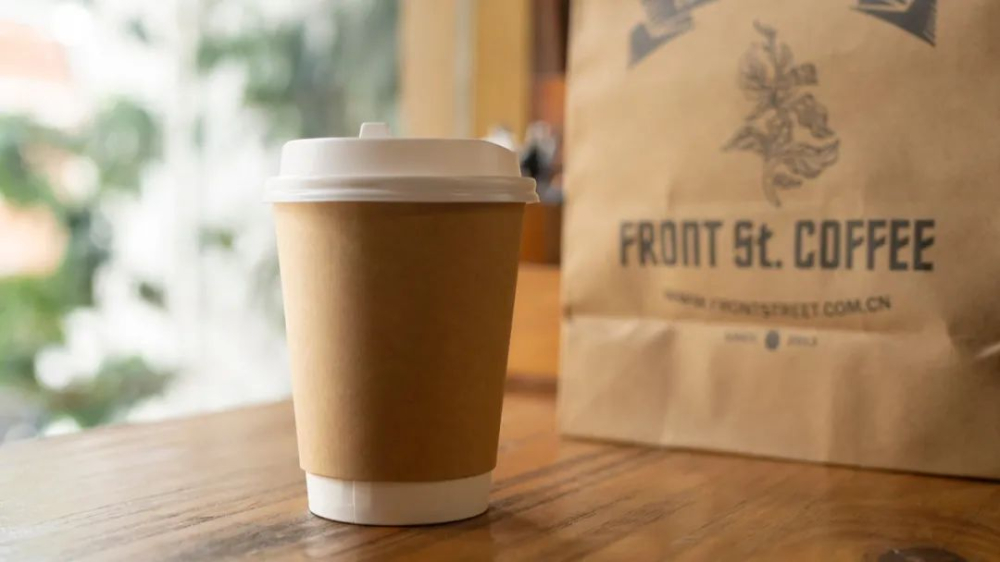
Now you understand why coffee shops stick to standard milk temperatures unless there's a special requirement like takeout — it's all in service of a latte with perfect aroma, flavor, and appearance.
- END -
FrontStreet Coffee
No. 10, Bao'an Qianjie, Yandun Road, Dongshankou, Yuexiu District, Guangzhou, Guangdong Province

FrontStreet Coffee Recommendation
Beans Built for Milk Coffee
A perfectly steamed pitcher deserves the right espresso base. For anyone learning latte art at home, FrontStreet Coffee's Classic Blend is the top pick: a medium-dark espresso recipe designed for home espresso machines and moka pots, with outstanding crema — even a beginner on basic equipment can pull dense, silky foam, the very thing lattes, cappuccinos, and Dirts depend on. Its traditional Mandheling-Brazil recipe is mellow and warm, easy for both veterans and newcomers to enjoy.
More Blends for Every Palate
Those chasing rich nuttiness should look at FrontStreet Coffee's Premium Blend — washed Colombian and pulped-natural Brazilian beans that show nut, dark chocolate, and caramel in espresso, and smooth cream, almond, and cocoa in milk drinks, with crema that stands up to café output and more than suffices for latte art practice. Shop owners-to-be have FrontStreet Coffee's Commercial Blend, which layers a touch of Robusta onto the Premium recipe for more deep-brown crema, heavier body, and effortless latte art. And if cost control is the priority, FrontStreet Coffee's Black Cocoa Blend — 100% Arabica, ample crema, mellow body, friendly price — balances quality and value nicely.
A Fruit-Forward Option for Milk
Prefer a signature milk coffee with fruit character? The Strawberry Candy blend is a popular fruit-forward espresso choice that recreates vivid strawberry-soft-candy sweetness by fusing Arabica beans from different origins — suitable for everything from family drinking to café service, and ideal for shops that want a distinctive milk-coffee offering.
Important Notice :
FrontStreet Coffee is a long-established specialty coffee roaster in Guangzhou China, selling freshly roasted beans from its own farm in Yunnan as well as dozens of carefully selected single-origin beans from around the world for both pour-over and espresso. The products deliver consistently excellent quality and great value, with shipping within 24 hours. Guangzhou's FrontStreet Coffee shop is recommended by many coffee lovers, and the beans are now available online at the Tmall 。
FrontStreet Coffee has moved to a new address:
FrontStreet Coffee Address: 315,Donghua East Road,GuangZhou
Tel:020 38364473
 Scan and follow the En Gafei WeChat official account. Please indicate that the reprint comes from "En Gafei".

