What Factors Influence Coffee Cleanliness? Understanding Clarity in Pour-Over Coffee
Understanding Coffee Cleanliness: What Makes a Coffee Bean "Clean"?
Whether you're sitting in a café or watching tasting videos online, you've probably heard the phrase "this is such a clean bean."

Which naturally raises the question: what does coffee cleanliness actually mean?
For a liquid, "clean" usually describes appearance — clear, transparent, free of impurities. Murky and cloudy would read as unclean.
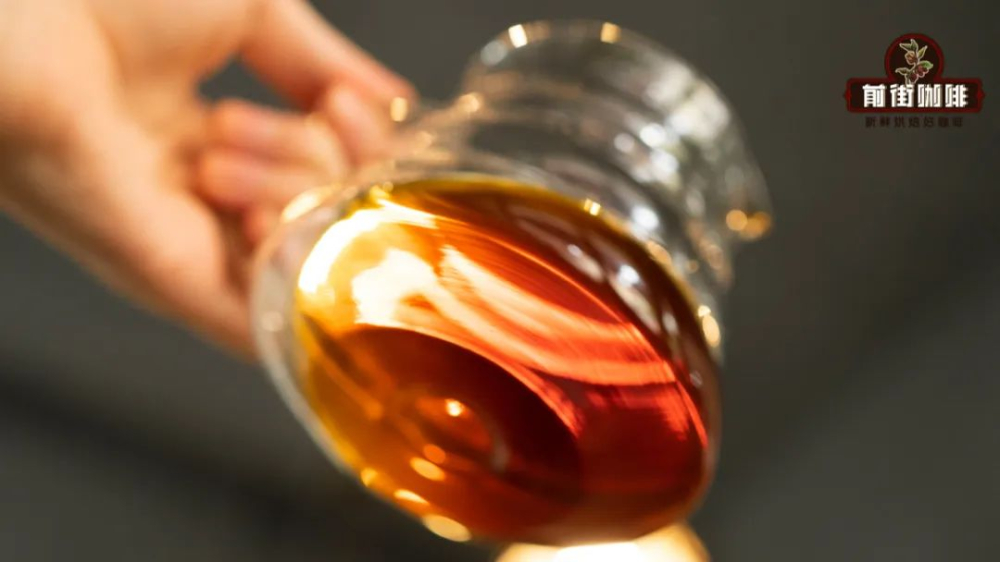
Coffee follows the same logic, except we translate that visual idea into taste. Cleanliness clearly doesn't mean the coffee tastes of nothing — otherwise nobody would praise it so enthusiastically. Rather, a clean coffee shows no negative flavors at any point from first sip to finish, with distinct layers and clearly identifiable flavors. That's what cleanliness means in coffee.

Most drinkers share common dislikes: bitterness, astringency, medicinal, earthy, and woody notes are the flavors people generally don't want. On the flip side, descriptors borrowed from delicious foods — citrus, berries, sugars — are the ones people love.
Before coffee becomes roasted beans, two main factors shape its quality — and the higher the bean quality, the cleaner the cup.
1. Harvesting
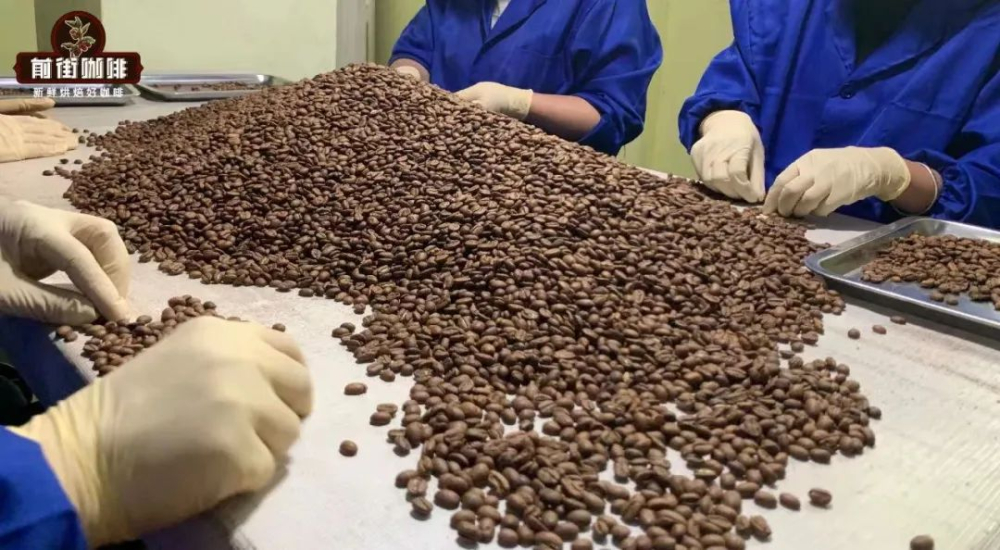
Specialty coffee is commonly picked using fully ripe cherries. But in some regions, mechanical harvesting is necessary at scale, and it inevitably sweeps in unripe fruit. Unripe beans have a special name: "quakers." Quakers are hard to spot as green beans — their color closely resembles beans from ripe cherries — but they become obvious after roasting.

They're paler than mature green beans and fail to develop proper color in the roaster. If they slip into a batch, they bring astringent flavors. But don't worry: quakers, along with other defects like insect damage, shells, and roasting defects, are removed by hand before roasting, and another round of sorting happens after. So when you buy FrontStreet Coffee beans, there's no need to worry about defects.
2. Processing Method
People often say washed beans are cleaner than naturals. That's both true and incomplete. Early natural processing was crude: cherries were simply dried whole and hulled, a process taking about half a month. During that waiting period, plenty could go wrong — over-fermentation causing spoilage, or mold from insufficient sunlight. The resulting defects and off-flavors made naturals seem less clean than washed coffee.

But as the specialty coffee wave has pushed processing standards upward, modern natural-processed beans can match washed coffee in quality, low defect rate, and cleanliness. One important clarification: cleanliness has nothing to do with brighter acidity being "cleaner." When people say washed is cleaner than natural, they mean quality and flavor-layer presentation. The equation "bright acidity = clean" is a common misconception.

Extraction and Cleanliness
Here's something worth knowing: cleanliness is tied to extraction strength, and both over-extraction and under-extraction will undermine it. Over-extraction pulls out undesirable compounds, filling the cup with bitter, woody, and other negative flavors. Under-extraction leaves the coffee without enough aromatic substance to carry its flavor profile, producing an obvious hay-like flatness — another form of uncleanliness.
So when brewing, keep your extraction in the sweet spot between the two. Two extra details deserve attention:
1. Excessive Fines
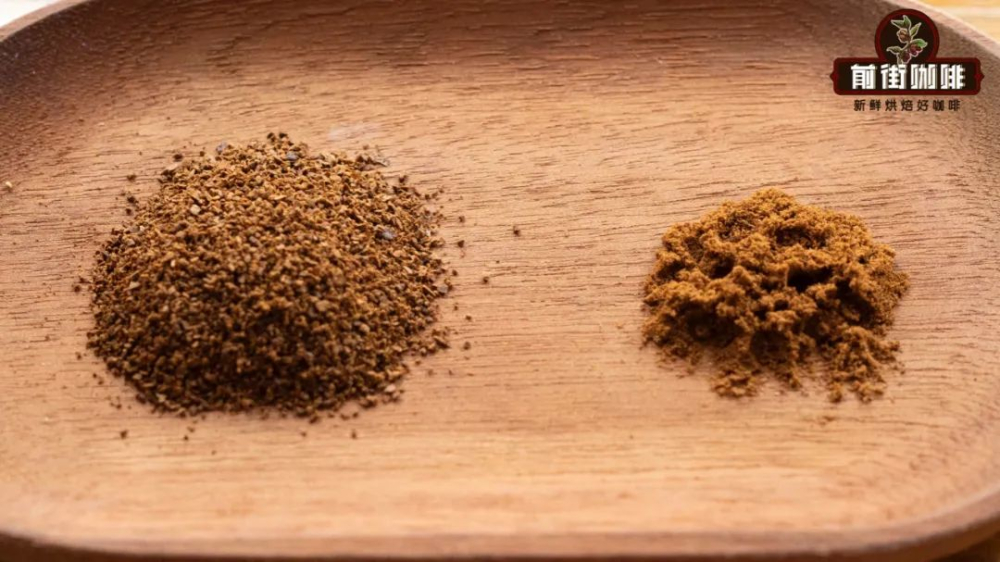
A poor grinder produces uneven particle sizes and lots of fines. During brewing, too many fines clog the coffee bed, skew the extraction, and ultimately introduce bitterness that drags down the whole cup. The simplest fix is sieving out the fines — but remember, it's "excessive fines" that cause negative flavors, not fines themselves.
2. Roast Date
Fresher is not always better. Brew beans straight out of the roaster and the cup will taste dry and harsh, leaving your throat scratchy — another sign of poor cleanliness.

As a rule, freshly roasted beans need a resting period of 4–7 days. That's enough for the dryness to dissipate and for the coffee to show its full cleanliness.
FrontStreet Coffee believes cleanliness should always be judged alongside the whole cup's flavor and texture — never in isolation. A great coffee has rich layers, full aroma, and an appropriate aftertaste. Meet those criteria, and you can trust it's a clean cup.

FrontStreet Coffee Recommendation
For pour-over brewing where clarity shines, a V60 dripper is the go-to choice — its fast, free-flowing extraction lets delicate flavors show through cleanly. FrontStreet Coffee's Yirgacheffe Chelbesa (Guodingding), a washed Ethiopian G1, is a textbook clean cup: bright lemon and citrus over white florals with a green-tea finish. For a natural that proves modern processing can be just as clean, the FrontStreet Huakui layers strawberry cream, mango, jackfruit, and blueberry with a smooth, juice-like body.
And for the pinnacle of clarity and complexity, FrontStreet Coffee's Panama Esmeralda Red-Label Geisha offers jasmine, citrus, and bergamot in a transparent, layered cup with a long oolong-sweet finish — a benchmark for what "clean" truly means.
Important Notice :
FrontStreet Coffee is a long-established specialty coffee roaster in Guangzhou China, selling freshly roasted beans from its own farm in Yunnan as well as dozens of carefully selected single-origin beans from around the world for both pour-over and espresso. The products deliver consistently excellent quality and great value, with shipping within 24 hours. Guangzhou's FrontStreet Coffee shop is recommended by many coffee lovers, and the beans are now available online at the Tmall 。
FrontStreet Coffee has moved to a new address:
FrontStreet Coffee Address: 315,Donghua East Road,GuangZhou
Tel:020 38364473
 Scan and follow the En Gafei WeChat official account. Please indicate that the reprint comes from "En Gafei".