
An Article to Help You Understand Nanyang Coffee
The Origin of Nanyang Coffee
Plenty of people know Italian coffee as the grandfather of modern coffee culture — but far fewer realize that overseas Chinese communities built a coffee system of their own. In Southeast Asia there exists a style known as "Nanyang Coffee," created and refined by generations of Chinese who migrated south in search of trade and a living.
What is Nanyang Coffee?
Beyond the literal translation, "Nanyang Coffee" refers to coffee beverages from Malaysia, Singapore, Indonesia, Thailand, and beyond. Because both its roasting and brewing methods differ sharply from today's specialty coffee (freshly ground beans), "Nanyang Coffee" also stands for the preparation style that grew up in the Singapore-Malaysia region — one that later traveled back to Hainan, Hong Kong, and Macau.
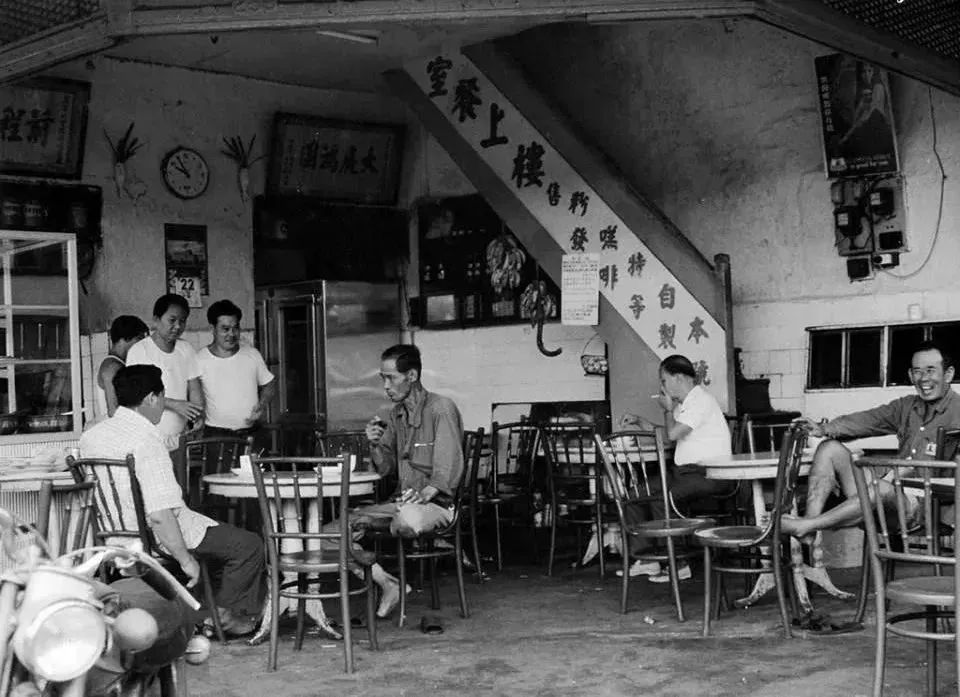
Robusta Beans Stir-fried in a Wok?
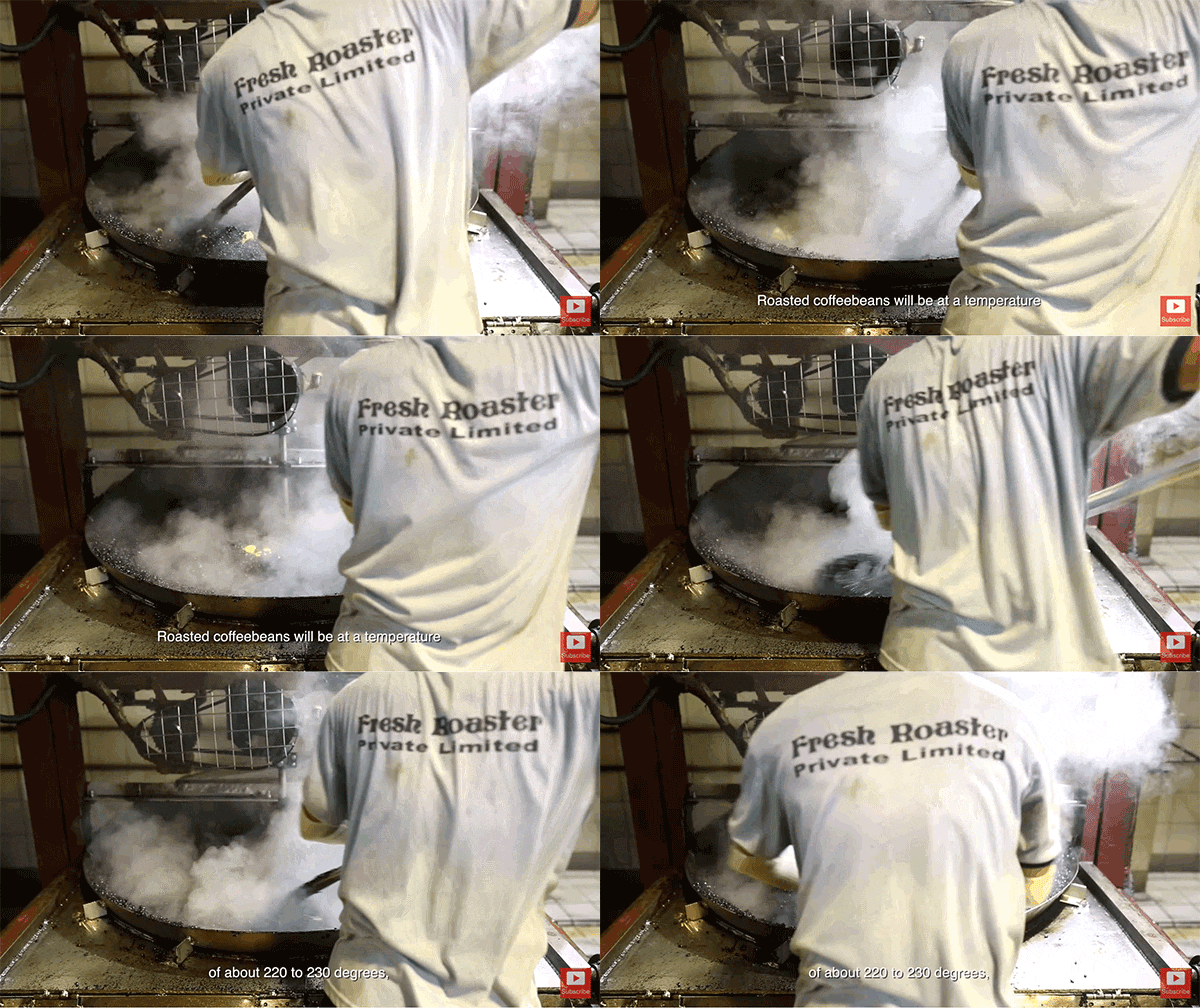
Coffee enthusiasts may know that Asian coffee is dominated by Robusta varieties, with flavors that lean strongly bitter and astringent. To tame those rough edges, the migrating Chinese borrowed from Chinese cooking: the beans are stir-fried in a large wok until nearly charcoal-black (a dark roast), with seasonings added along the way.
The beans are first roasted to about 70–80% done, then butter, sugar, salt, and other seasonings go into the wok, coating the beans in a sticky, caramelized layer. Because of the added sugar and oil, the beans must be ground immediately after roasting — once they cool, they become far harder to handle. (What kind of "stir-fry" would it be without seasonings?)

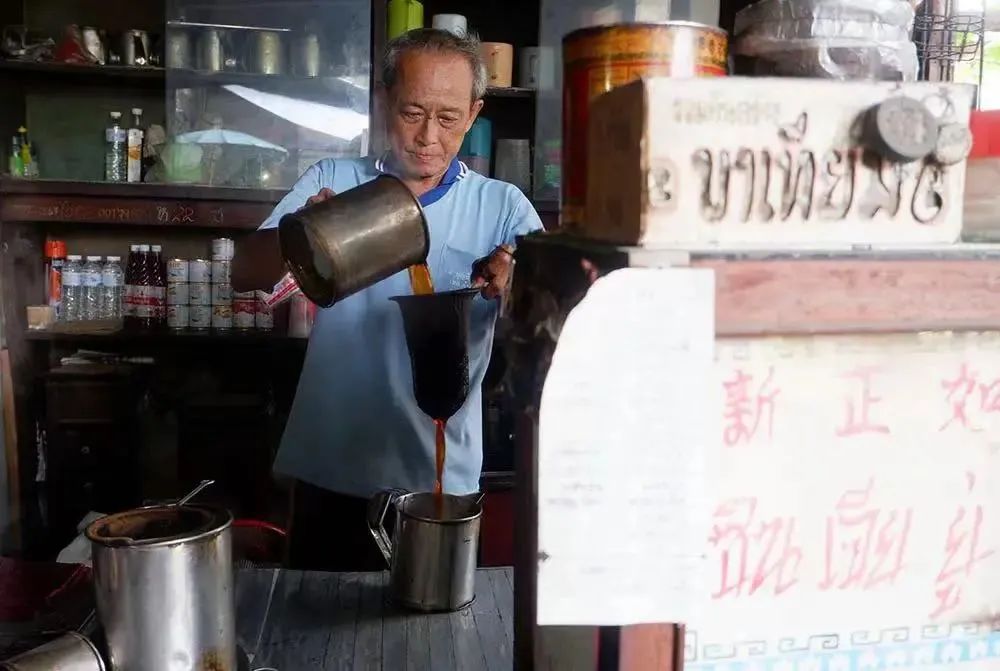
These wok-roasted Robusta beans brew up intensely bitter (despite the sugar added during roasting, the finished coffee isn't actually sweet). To draw out maximum richness, the grounds go into flannel filters and are steeped directly with boiling water — a method strikingly similar to Hong Kong-style milk tea. The result is an extremely concentrated cup. Drinking it straight delivers not just a jolt of caffeine but an almost enlightening shock of bitterness.
The Diverse Nanyang Coffee System
Black coffee that rich and bitter isn't something everyone can chug neat. So the Chinese devised all manner of "systematic" ways to drink it. Singapore, one of Nanyang coffee's flagship countries, has even evolved its own coffee "terminology" that locals use to order precisely the drink they want.
Singaporeans call coffee "Kopi" — but order just "Kopi" at a café and you'll get coffee mixed with condensed milk and sugar. To order accurately in a Singaporean coffee shop, you need the vocabulary:
Name - Beverage
Kopi - Black coffee + water + sugar + condensed milk
Kopi C - Black coffee + water + sugar + evaporated milk
Kopi C Kosong - Black coffee + water + evaporated milk
Kopi O - Black coffee + water + sugar
Kopi O Kosong - Black coffee + water
Kopi Gao - Kopi with extra black coffee
Kopi Poh - Kopi with less black coffee
Kopi Tarik - Pulled black coffee + condensed milk
Kopi Peng - Black coffee + ice + condensed milk
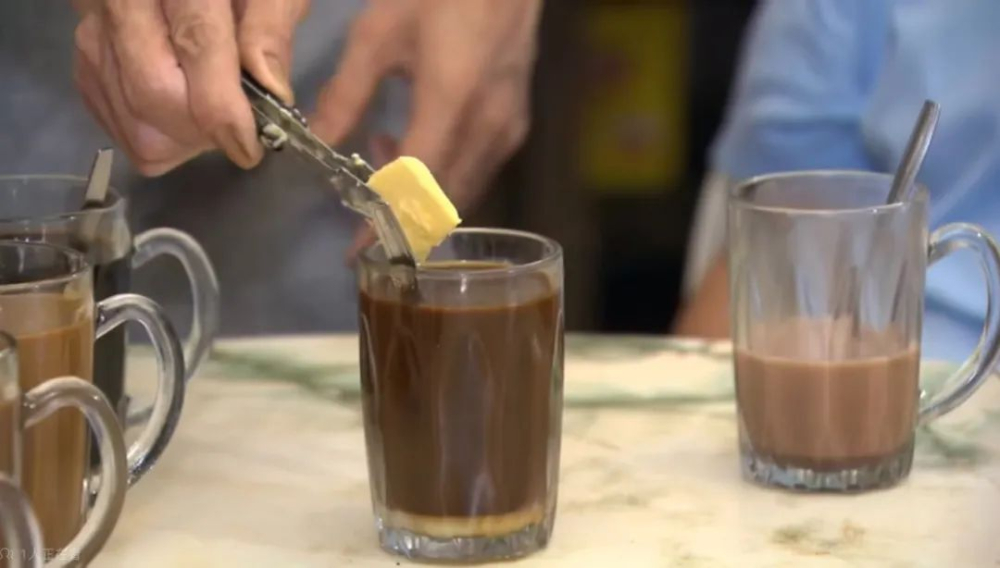
Kopi Gu You (Butter Coffee) - Black coffee + water + condensed milk + butter
Yuan Yang - Black coffee + tea
...
...
All of these terms derive from Hokkien. In short: "O" means no milk, with sugar; "C" means evaporated milk, with sugar; "Kosong" means no sugar; "Siew Dai" means less sugar. All Kopi drinks default to hot — put "Ice" before the name or "Peng" after it for the iced version.
On the strength of that shared coffee culture, Nanyang coffee shops expanded aggressively. The more approachable Nanyang coffee became social glue for Singapore's immigrant communities, spreading across Southeast Asia along with the prosperity of Singapore's port.
In Thailand, local Chinese added spices and grains to the stir-fry, creating "oliang." In Hong Kong, roasters add white wine to the beans to cut astringency and lift the aroma (sugar and oil are omitted when wine is used). Every Nanyang preparation, whatever its quirks, represents a tradition handed down through generations.

Specialty coffee keeps gaining ground, but for generations of Southeast Asian Chinese, the traditional Kopitiam and a rich cup of Kopi still hold a special place — part of daily life, and part of the community's emotional memory. A cup of Kopi gets everyone moving toward a new day, while quietly recalling the hardships earlier generations endured.
If you ever get the chance, visit Southeast Asia and experience the charm of Nanyang coffee for yourself!
- END -
FrontStreet Coffee
FrontStreet Coffee Recommendation
Nanyang coffee runs on Indonesian Robusta — but if you'd like to taste what Sumatran Arabica can really do, these FrontStreet Coffee picks are the place to start:
FrontStreet Indonesia Wet-Hulled Mandheling — Mandheling means Arabica coffee from Sumatra, processed in the local wet-hulled (giling basah) style: the beans are hulled while half-dry, leaving the green coffee fully exposed to the air during drying, which gives the cup its signature herbal and spice character. Ours comes from the Lake Toba area of the Lintong region. Roasted medium-dark, it's low in acidity and deeply full-bodied, with rich caramel, dark chocolate, and toasted bread aromas and a long sweet finish — made for lovers of strong coffee.
FrontStreet PWN Golden Mandheling — The flagship of PWN, a trading company that buys only specialty-grade Sumatran lots. Every batch is machine- and hand-sorted repeatedly against strict standards for density, size, shape, and color, yielding big, uniform, translucent beans and reducing the earthy, grassy notes Mandheling is sometimes dinged for — legend has it the beans gleam "golden" in sunlight, hence the name. Freshly roasted, expect sandalwood, herbs, spice, toasted hazelnut, caramel, and dark chocolate in a clean, rich, wonderfully layered cup.
FrontStreet Classic Blend (Mandheling × Brazil) — In the era before light-roast acidity took over, Mandheling was regarded as the world's most full-bodied coffee and starred in espresso blends. The Mamba recipe — Mandheling plus Brazil — was first formulated by Taiwanese roasters: Mandheling's wild intensity wrapped in Brazil's smooth texture, with nutty sweetness tempering the herbal bitterness. Our version adds a touch of Robusta and a deep roast for golden crema and maxed-out dark chocolate, nut, and caramel notes — even a first-timer can pull an authentic Mandheling-style shot.
Important Notice :
FrontStreet Coffee is a long-established specialty coffee roaster in Guangzhou China, selling freshly roasted beans from its own farm in Yunnan as well as dozens of carefully selected single-origin beans from around the world for both pour-over and espresso. The products deliver consistently excellent quality and great value, with shipping within 24 hours. Guangzhou's FrontStreet Coffee shop is recommended by many coffee lovers, and the beans are now available online at the Tmall 。
FrontStreet Coffee has moved to a new address:
FrontStreet Coffee Address: 315,Donghua East Road,GuangZhou
Tel:020 38364473
 Scan and follow the En Gafei WeChat official account. Please indicate that the reprint comes from "En Gafei".

