
How to Achieve Rich Coffee Crema: Mastering Flannel Filter Brewing for Exceptional Taste
Understanding Coffee Crema
Coffee crema is essentially the insoluble substances from the coffee beans wrapping themselves around carbon dioxide. It enriches the drinking experience — a rounder, fuller body and a longer-lasting aftertaste.
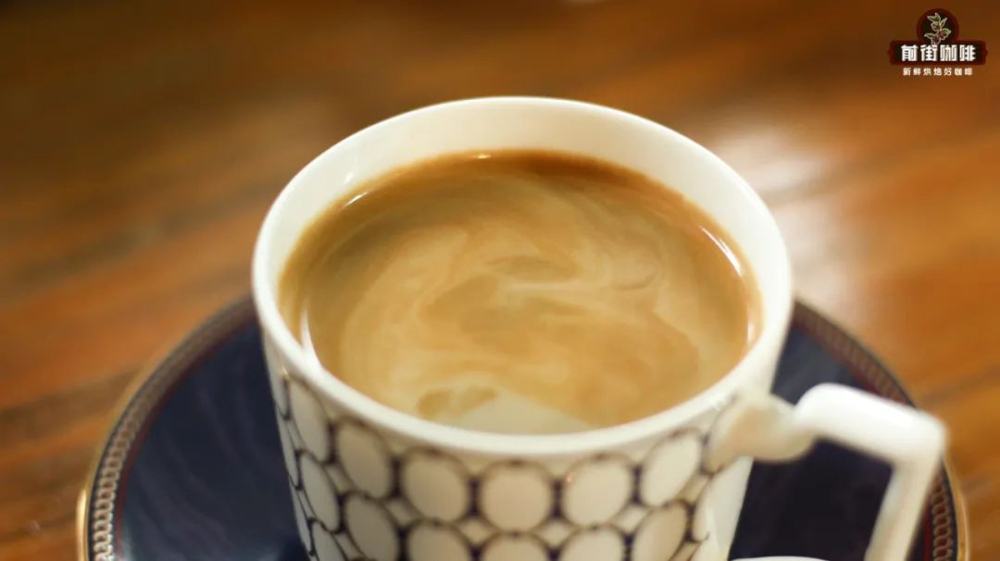
Crema is common in single-origin coffee too — it's just a question of degree. Some might ask: why doesn't pour-over coffee have crema? Great question. The mainstream filtering medium in modern pour-over is filter paper, whose strength lies in catching microscopic particles — and it blocks crema along with them. Want crema in your pour-over? Simply switch to a medium with weaker filtering power, and you'll get a cup crowned with it.
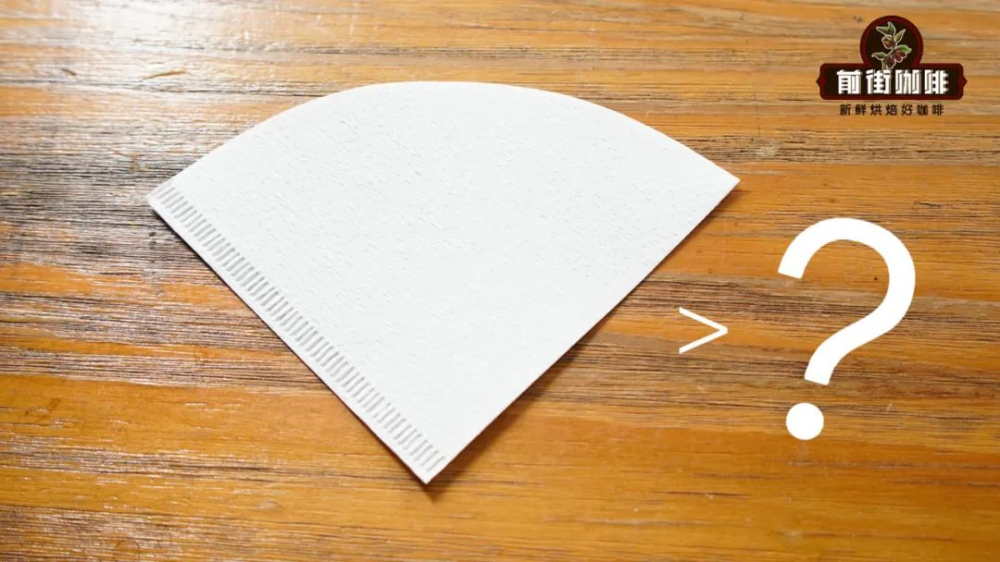
Non-Crema-Filtering Tools
Before filter paper existed, one tool reigned as the default way to filter coffee — and it produces unmistakable crema on the surface. That tool is today's subject: the flannel filter cloth.
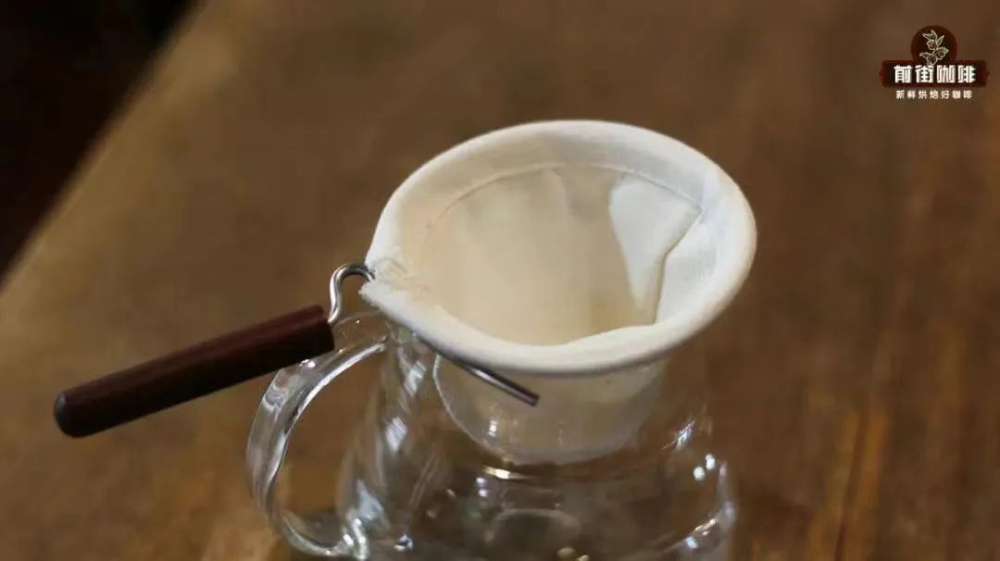
Flannel is a curious fabric with different textures on its two faces: a cotton side and a fleece side. The cotton side feels noticeably rough; the fleece side, smooth and delicate. Its defining trait is that it lets crema and other insoluble substances pass through into the cup — precisely the compounds that make a coffee taste fuller.
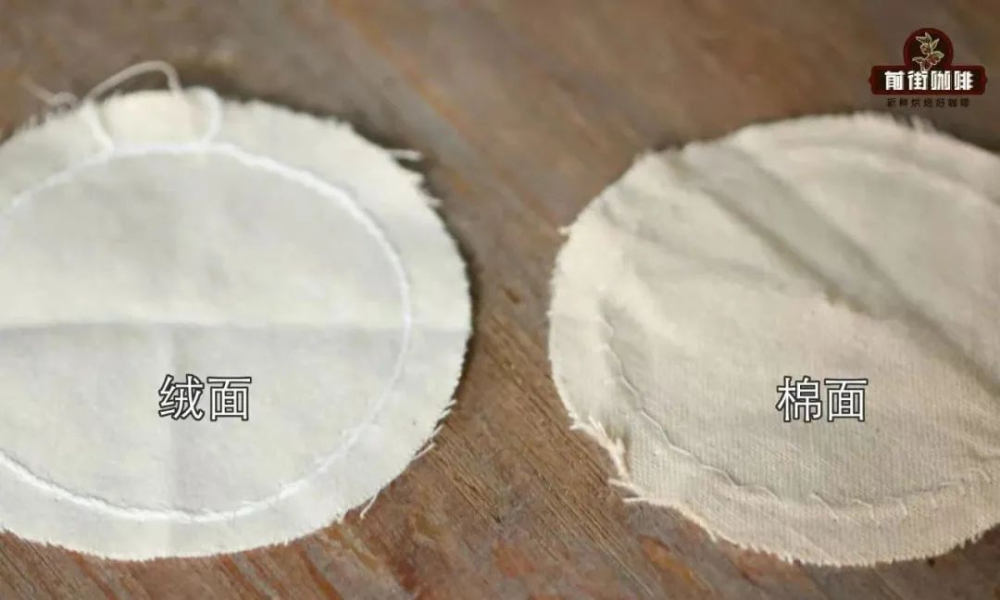
Since the cloth is made of two different fabrics with no designated "front," some people wonder which side should hold the grounds. The truth is, either side brews fine and makes no real difference to the cup. In practice, the cotton side (the rougher one) usually serves as the inner bag: it doesn't trap as many coffee particles and is easier to clean. Put the fleece side inside instead, and fine grounds cling to it, making cleanup after brewing considerably harder.

The Flannel "Support"
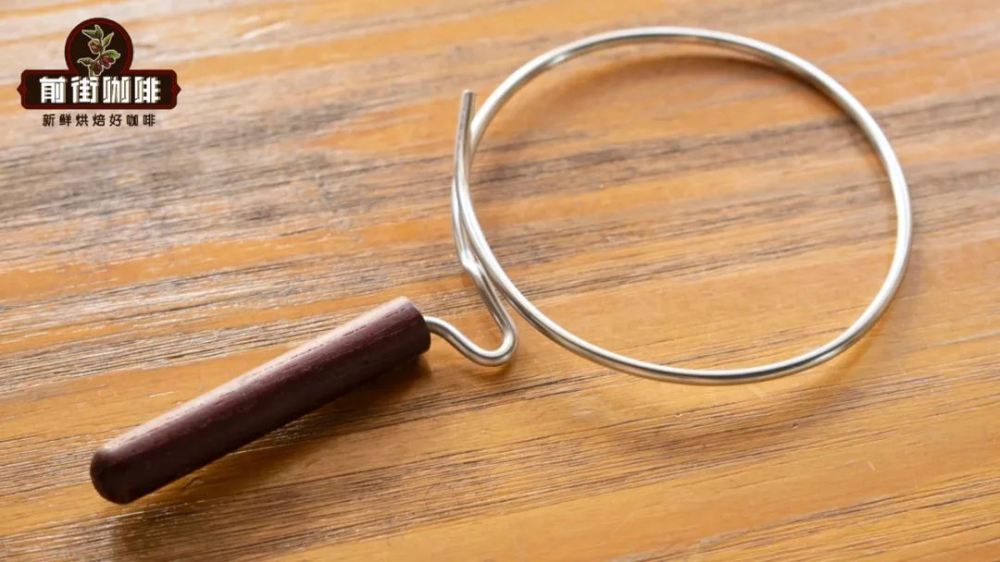
The flannel filter needs no dripper for support or flow guidance. Instead, a stainless steel ring with a handle attaches to the cloth and holds it open, so you can rest it on a sharing pot or simply hold it by hand while pouring.
Pre-Brewing Preparation
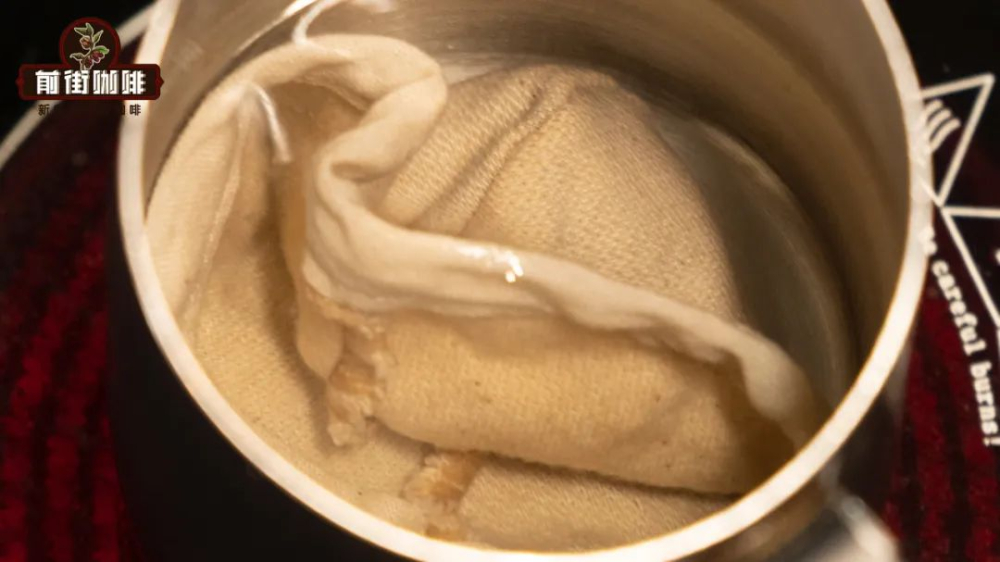
Before brewing, boil the flannel cloth in water for five minutes. This disinfects it thoroughly and lets water saturate the fibers, keeping the cloth in a stable state during extraction.
Coffee beans: 20g of dark roast Golden Mandheling
Powder-to-water ratio: 1:15
Grind size: 70% passing rate through a #20 sieve. Our shop uses EK43 with a grind setting of 11.
Water temperature: 88°C
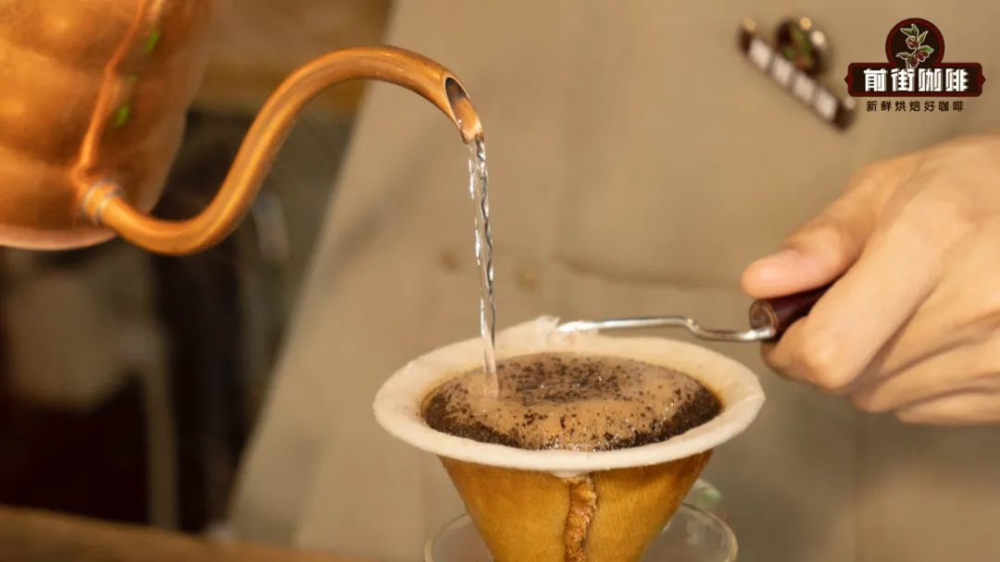
Brewing method: flannel offers two brewing approaches; this time we're brewing hand-held, with the cloth held above the pot while pouring.
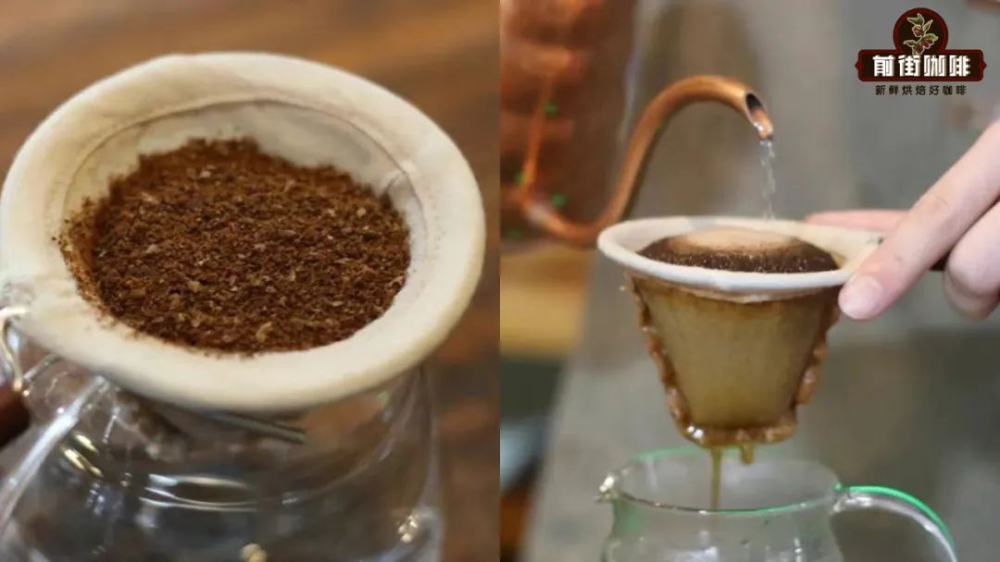
Note that compared with filter paper, the gaps in flannel are much larger, so it drains faster. And with no dripper to support it, the entire cloth surface lets liquid through — the higher the water level, the faster the drainage. So for hand-held brewing we use a larger dose of coffee, start with a small flow just to wet the grounds for the bloom, then pour in small circles over the center to keep water from escaping down the sides.
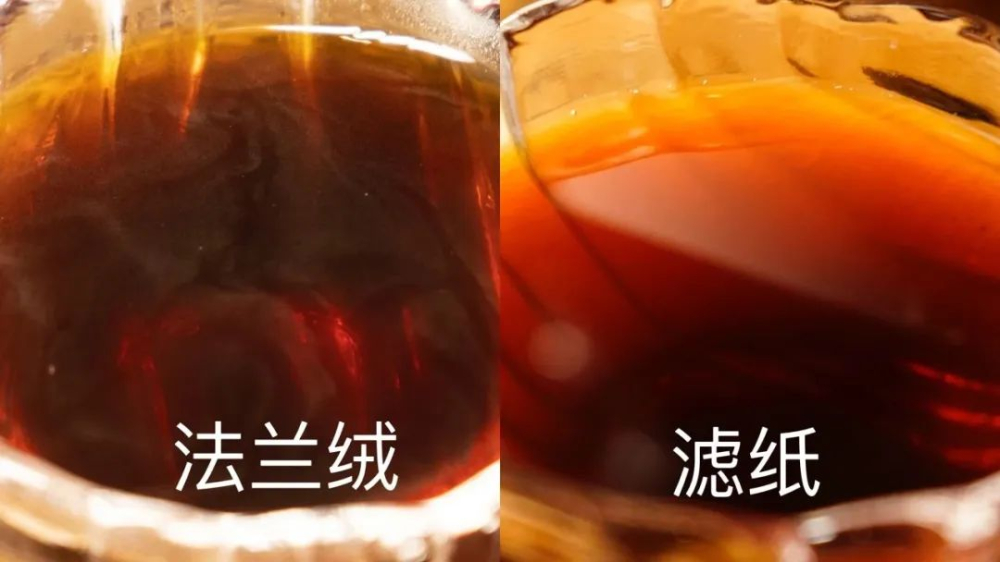
Once the brew finishes, the flannel cup shows a clear layer of crema, while the surface of the regular pour-over stays clean and bright (FrontStreet Coffee briefly suspected a retouched photo!).
Tasting Time
The two cups, brewed through different filters, showed remarkably consistent flavor profiles: nuts, spices, and chocolate. The flannel-brewed coffee was fuller and smoother than its filter-paper counterpart, though it can't match filter paper for cleanliness. Each has its strengths.
Flannel Filter Storage Method
When brewing is done, the first order of business is cleaning and storing the cloth — it's reusable. But many people get storage wrong, washing the cloth and letting it air-dry like any other utensil. That wet-to-dry cycle actually damages the flannel's fiber structure.
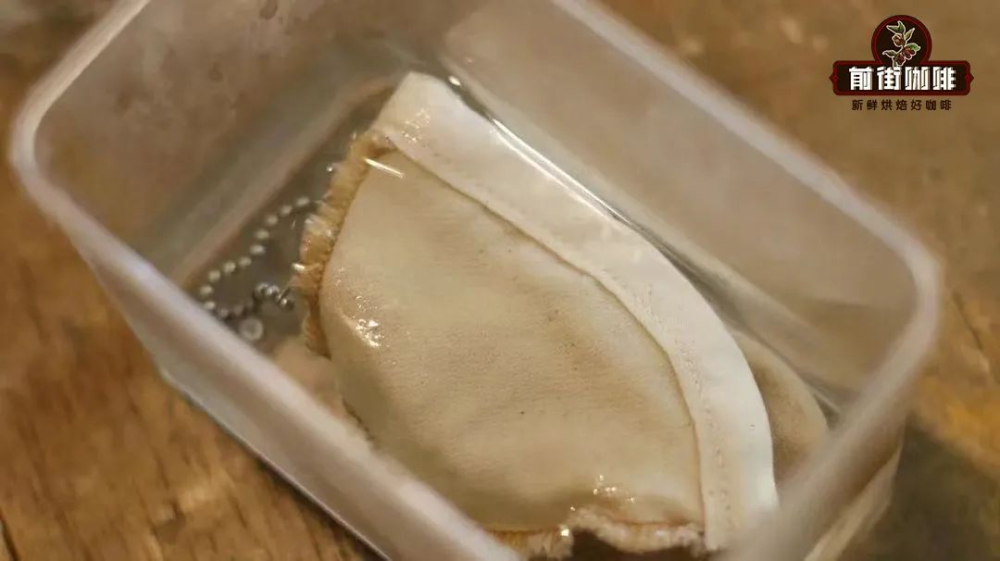
The correct method: rinse the flannel thoroughly, submerge it in clean water inside a sealed container, and keep it refrigerated. This preserves the fiber structure and prevents mold. The downside is the fuss — you need to change the water regularly, and boil the cloth again before the next use.
- END -
FrontStreet Coffee
FrontStreet Coffee Recommendation
Flannel brewing flatters body-rich, medium-to-dark roasts. These FrontStreet Coffee beans are natural fits:
FrontStreet PWN Indonesia Golden Mandheling — The dark-roast star of this article. Deep-roasted with very low acidity, it pours a long, mellow body full of herbal and dark chocolate notes with a whisper of earthiness. Layers of flavor for drinkers who like their coffee heavy and never sour — exactly what flannel was born to amplify.
FrontStreet Jamaica Blue Mountain No.1 — Neither sharply fruity like African coffees nor heavily bitter like a dark roast, it balances acidity, sweetness, bitterness, and aroma almost perfectly: cream, caramel, chocolate, nuts, honey, and a light fruit tone, with a clean, lingering finish. A medium roast through flannel makes it rounder still.
FrontStreet Brazil Queen Estate — Low acid and beautifully balanced with rich nut and cocoa aromas and clear caramel sweetness. Smooth and unforced on the palate, it works as pour-over, espresso, or moka pot — and its excellent body really comes alive with a cloth filter.
Important Notice :
FrontStreet Coffee is a long-established specialty coffee roaster in Guangzhou China, selling freshly roasted beans from its own farm in Yunnan as well as dozens of carefully selected single-origin beans from around the world for both pour-over and espresso. The products deliver consistently excellent quality and great value, with shipping within 24 hours. Guangzhou's FrontStreet Coffee shop is recommended by many coffee lovers, and the beans are now available online at the Tmall 。
FrontStreet Coffee has moved to a new address:
FrontStreet Coffee Address: 315,Donghua East Road,GuangZhou
Tel:020 38364473
 Scan and follow the En Gafei WeChat official account. Please indicate that the reprint comes from "En Gafei".

