
What is Espresso Romano? How to Enjoy Espresso with Lemon
Espresso is a magical thing—add water and it becomes an Americano, add milk and it becomes a latte, add ice cream and it becomes an affogato. And when espresso meets lemon, it becomes an Espresso Romano. Have you heard of it?
Lemon, the fruit we all reach for in daily cooking to lift flavor, needs no introduction. Long before lemon-and-tea swept the nation, the pairing of lemon and coffee was once the fashionable thing to do in Italy—espresso's birthplace.
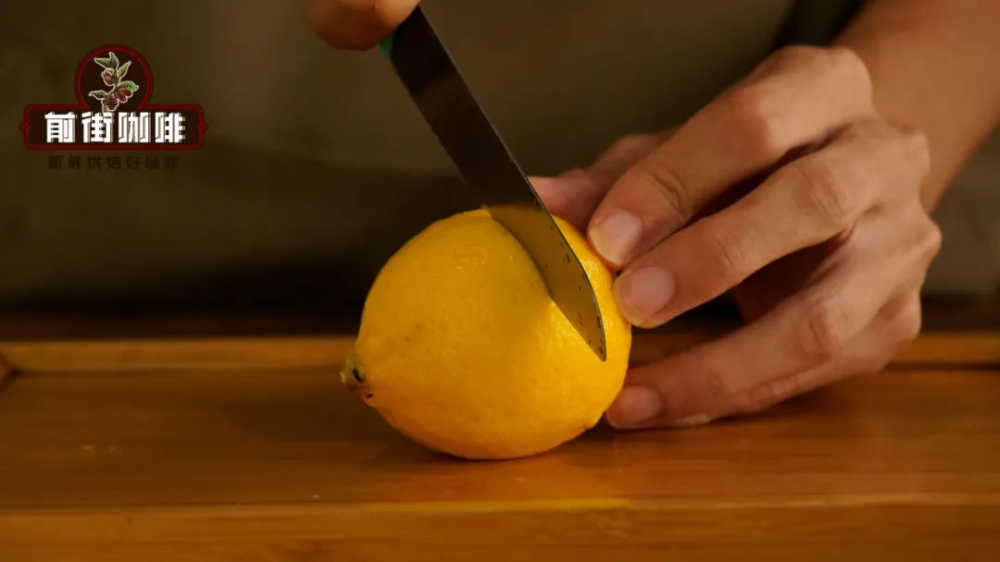
Making an Espresso Romano is straightforward. Baristas typically place a lemon slice in the espresso cup first, or squeeze in a little lemon juice, then pour the freshly extracted espresso over it. Finally, a small spoonful of sugar goes in, everything is stirred evenly, and it's ready to drink. Some baristas instead wipe the rim of the cup with a lemon slice before dropping another slice into the cup.
Why Add Lemon to Espresso?
The espresso machine was invented in the early 20th century and the moka pot in the 1930s—both Italian creations. For decades afterward, Italians kept drinking espresso made under pressure in moka pots or espresso machines. Unlike today's single-origin coffees that showcase regional character, the beans of that era were dark roasts built on rich bitterness, and pressure extraction pushed the bitterness even further.
Then, in the early post–World War II years, Italy's coffee bean imports were restricted, and with the postwar economic depression, Italians were forced to make do with instant coffee and poor-quality beans. Faced with bitter coffee that was hard to swallow, it helped that southern Italy happened to be rich in lemons (the famous Sorrento lemons fall within that range), so people began mixing fresh lemon into their coffee to make it more palatable.
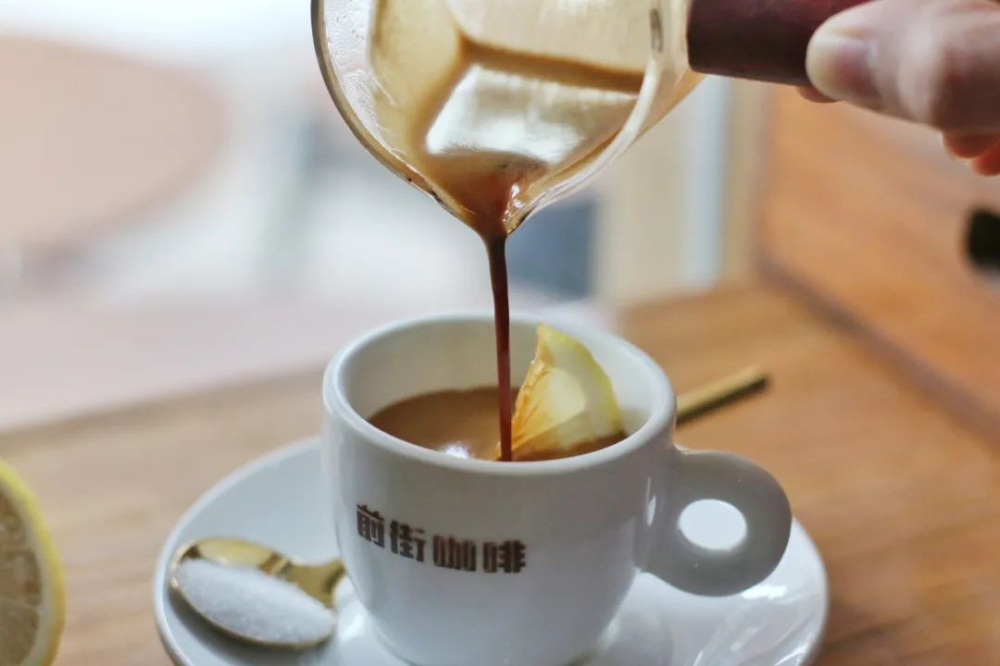
Even today, places like Naples, the island of Capri, and Sicily still preserve this way of drinking espresso with fresh lemon. Locals call it caffè canarino or caffè al limone—rendered in English as Espresso Romano, the Roman espresso.
Balancing lemon's sharp, vivid acidity against coffee's deep roasted bitterness made FrontStreet Coffee very curious about this Roman espresso. No more suspense—let's try it right away!
Attempt 1: Espresso + Lemon Slice + Spoonful of Sugar = Roman Espresso
FrontStreet Coffee used the Sunflower Warm Sun Blend beans, extracting 38g of espresso from 20g of grounds in 28 seconds. Because the blend includes 30% Yirgacheffe, the beans already carry a slight berry acidity. The lemon juice didn't lift the espresso—instead it amplified the astringency. After adding sugar and stirring, though, the layers of sweet, sour, and bitter were full, each flavor clearly distinguishable.
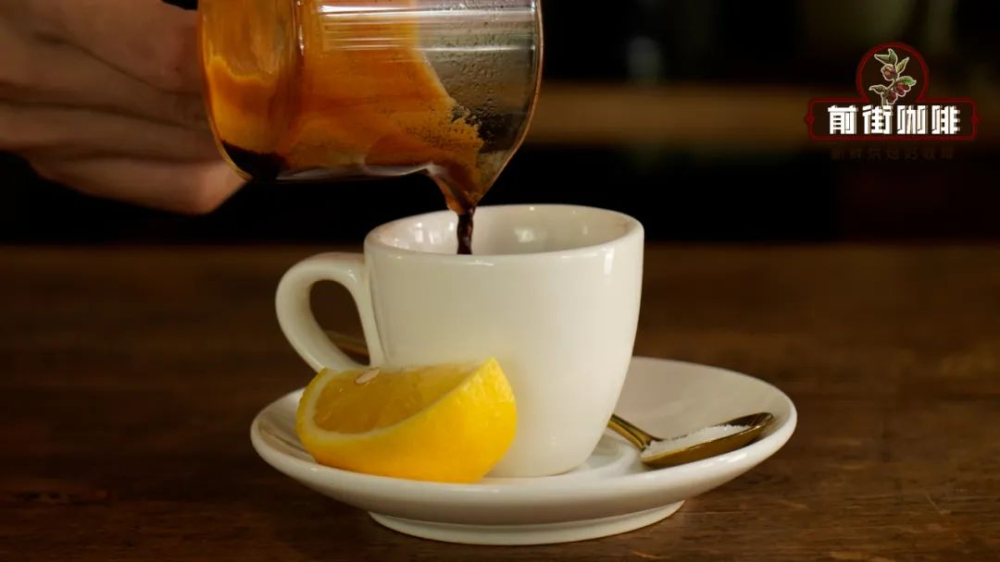
Attempt 2: Moka Pot Strong Coffee + Lemon Slice + Spoonful of Sugar
Since this style of coffee originated when the moka pot was the standard home brewer in Italy, many Italians also add lemon to the strong coffee from their moka pots. So FrontStreet Coffee planned a moka pot cup with lemon slices to test it. Learning from the bean-choice lesson of the first attempt, we switched to medium-dark roasted Brazil Queen Estate beans.
Moka pot extraction plan: 20g of coffee, Ek43s at grind setting 3.5, 120g of water, to extract 80g of coffee liquid.
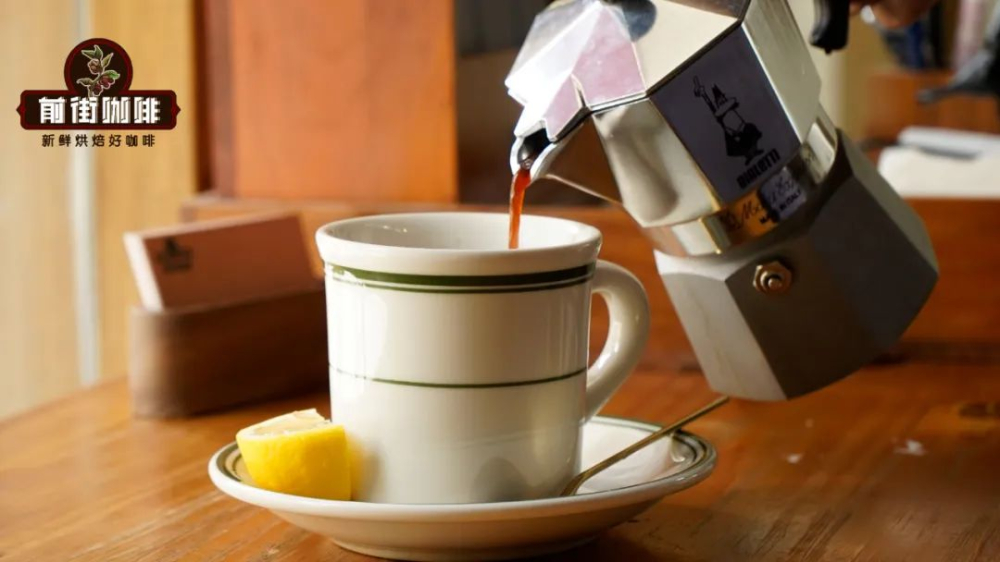
The moka pot coffee drank smoothly, with nutty and caramel aromas, moderate bitterness, and a sugarcane-like sweet finish. After mixing in a little lemon juice, the sharp acidity took over the entire palate. Once we adjusted to that level of acid, the coffee's bitterness finally emerged—and the overall experience fell far short of expectations. Simply put, another "failure."
Conclusion
Summing up two failed attempts: perhaps the beans weren't the right choice, or perhaps too much lemon juice was squeezed, leaving the balance point between lemon and coffee unfound. So if you want to recreate this Roman espresso at home, try several kinds of beans and control the amount of lemon juice until you find that balance—then you'll have a genuinely delicious Espresso Romano.
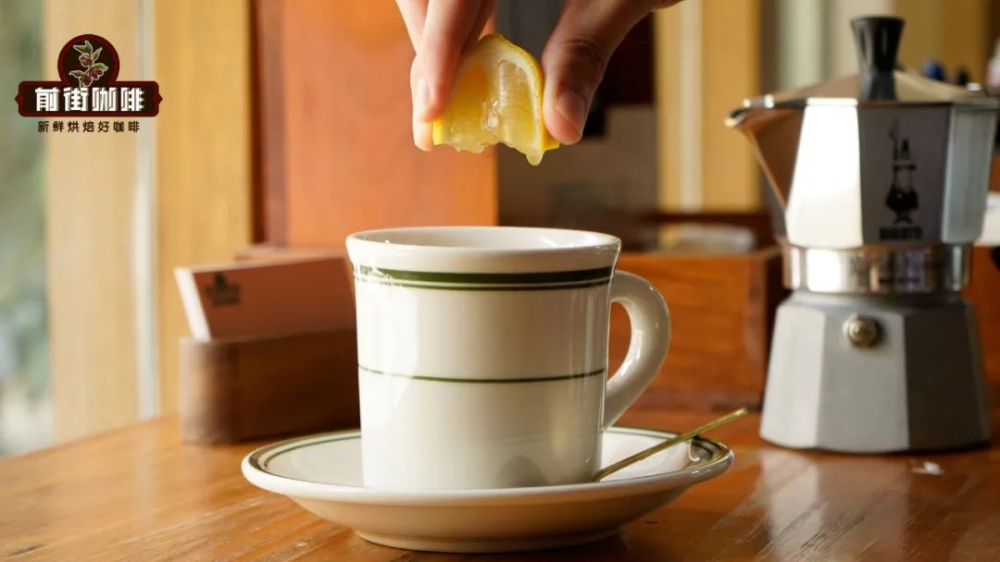
FrontStreet Coffee once tasted a truly memorable Dirty at a café and learned it was made by adding a trace amount of lemon juice to the espresso as a flavor accent, giving the whole drink more layers. It shows that when modern baristas inherit old techniques and weave in new elements, they can still create drinks that thrill the taste buds!
- END -
FrontStreet Coffee (FrontStreet Coffee)
No. 10, Bao'an Front Street, Yuexiu District, Guangzhou, Guangdong Province
FrontStreet Coffee Recommendation
FrontStreet Classic Blend
For espresso and moka pot brewing alike, the FrontStreet Classic Blend is the designated choice. Its standout strength is exceptional crema—even beginners with non-professional home machines can extract dense, fine crema with ease. Built on the traditional "Mamba" recipe, it offers a mellow, smooth body that both seasoned drinkers and newcomers enjoy, making it the dependable first pick for home or café use.
FrontStreet Queen Estate (Brazil)
Low acidity and excellent balance define the FrontStreet Brazil Queen Estate: rich nut and cocoa aromas with clear caramel sweetness, smooth on the palate with a warm, lingering finish. Whether brewed as pour-over, espresso, or moka pot coffee, it performs beautifully.
FrontStreet Commercial Blend
Before FrontStreet Coffee's Black Cocoa Blend appeared, the FrontStreet Commercial Blend was the mainstay for café use. Priced below the Specialty Blend, its recipe is optimized for dependable flavor at controlled cost—though it doesn't chase extreme crema, it keeps both taste and budget in check, which has made it a long-standing favorite for all kinds of commercial settings.
Important Notice :
FrontStreet Coffee is a long-established specialty coffee roaster in Guangzhou China, selling freshly roasted beans from its own farm in Yunnan as well as dozens of carefully selected single-origin beans from around the world for both pour-over and espresso. The products deliver consistently excellent quality and great value, with shipping within 24 hours. Guangzhou's FrontStreet Coffee shop is recommended by many coffee lovers, and the beans are now available online at the Tmall 。
FrontStreet Coffee has moved to a new address:
FrontStreet Coffee Address: 315,Donghua East Road,GuangZhou
Tel:020 38364473
 Scan and follow the En Gafei WeChat official account. Please indicate that the reprint comes from "En Gafei".

