A Guide to Selecting Coffee Equipment for Your Home Coffee Corner
Choosing the Perfect Pour-Over Kettle: A Comprehensive Guide
A pour-over kettle is to brewing what a sword is to a swordsman. Choosing a kettle is like choosing a blade. A kettle that suits you can meaningfully lower the difficulty of controlling the pour.
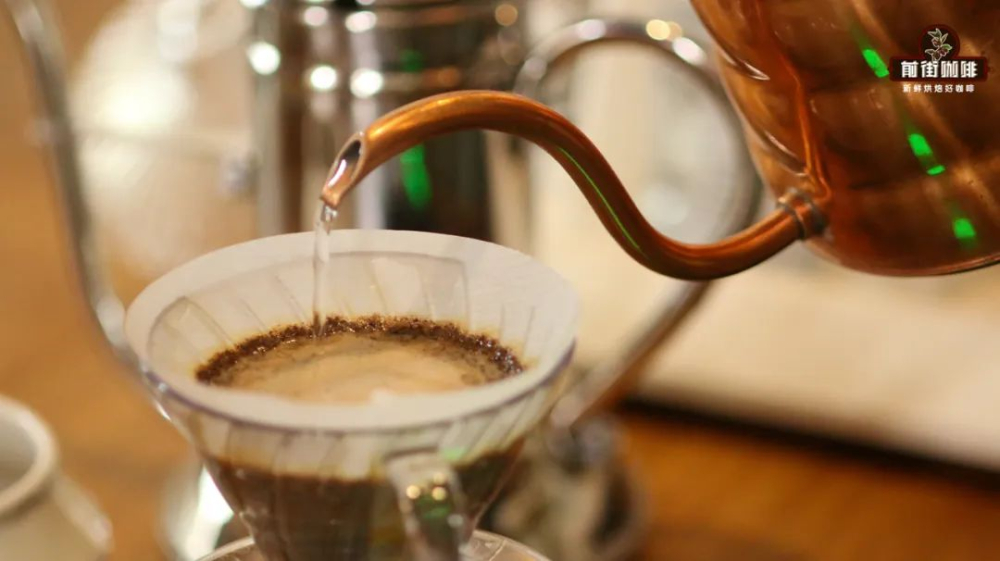
So picking the right pour-over kettle matters a great deal, especially for beginners -- it makes brewing the coffee you want that much easier. Today, FrontStreet Coffee will share how to choose one.
Temperature Control vs. No Temperature Control
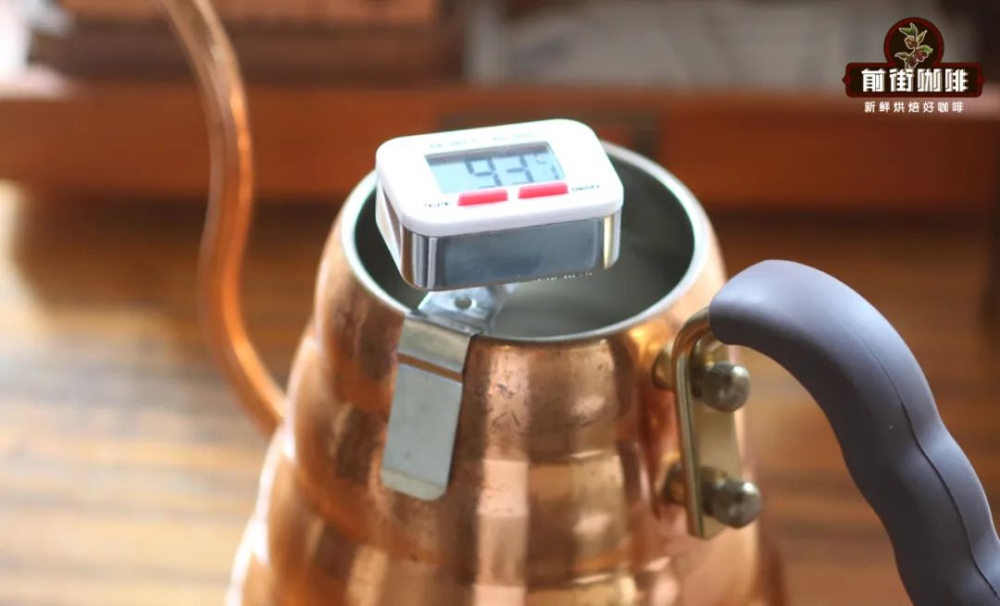
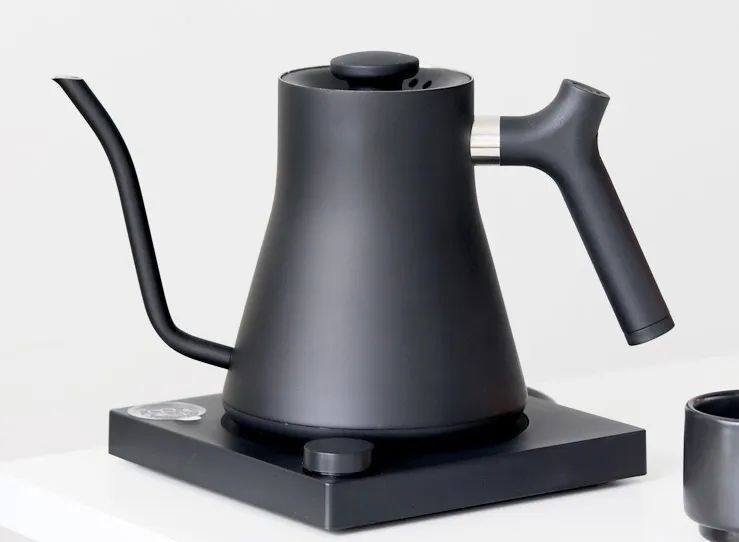
The first decision is whether to go temperature-controlled or not. Non-temperature-controlled kettles are ordinary kettles without a temperature module, and they cost less. They are the basic model many equipment makers offer, suited to anyone who already has separate water-heating equipment, though they do require buying a thermometer to use alongside.
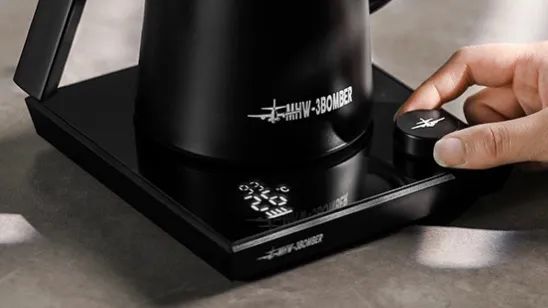
Temperature-controlled kettles have a clear advantage -- convenience: they heat the water themselves and let you set any target temperature freely. They also hold temperature, keeping the water warm between pours. There are drawbacks too: because of the temperature module added at the base, they are heavier than the non-controlled versions, with the center of gravity sitting at the bottom, and they cost about 300 yuan more than the regular version.
Put simply: if you do not brew often, or you want a more affordable kettle, choose the non-temperature-controlled version; if your goal is convenience and you brew frequently, a temperature-controlled kettle is definitely a good choice.
Kettle Spout
The spout is the crucial part that shapes the water stream. Common spouts on the market include the narrow-necked gooseneck and the wide-necked gooseneck, along with eagle-beak, crane-beak, and flat-beak designs. These differences directly change the thickness and impact force of the stream, and strongly shape how easy the kettle is to use and how much operating room it gives you.

Pour-over newcomers can start with a narrow-spouted kettle. The stream looks relatively thin, but it has strong impact force, is easy to handle, and the flow is easier to control. The downside: you cannot use a large flow, which reduces some flexibility.
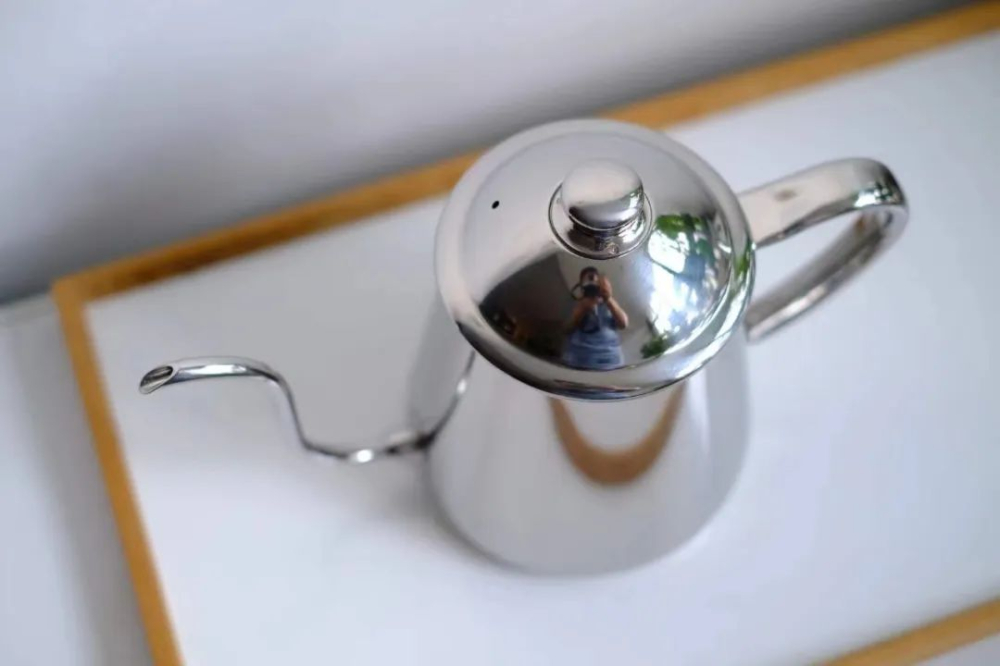
Wide-spouted kettles noticeably raise the difficulty of water control compared with narrow ones, and mastering the flow takes a lot of practice. What you gain is more flexibility -- once proficient, you can vary the flow at will, play with different brewing methods, and even pull off demanding techniques like the "drip method." They suit advanced players who have already left the beginner stage.
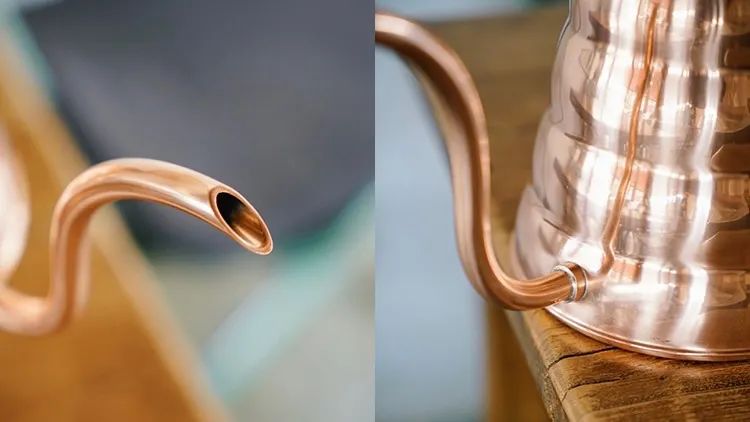
The crane-beak kettle has a specially designed wide spout that looks like a crane's head from the side, hence the name. Do not be scared off by the wide opening -- the designers installed a multi-hole water barrier at the outlet to tame the flow, so you can control the water freely without much skill. That design is why so many people favor it: flexible, yet not too hard to handle.
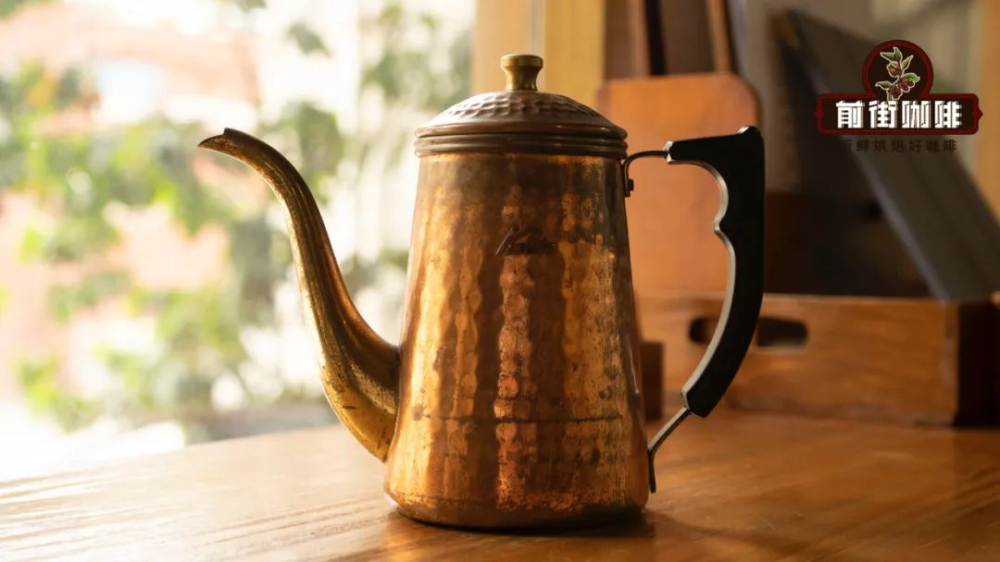
The eagle-beak kettle refers to a spout with a downward-curving flow guide. The advantage of this design is that it makes the poured water easier to shape into a vertical stream.
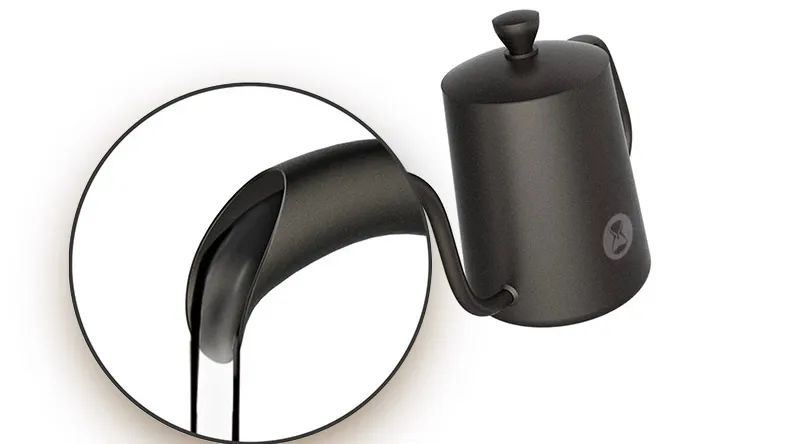
Then there is the flat-beak kettle. Its opening runs almost parallel to the horizontal, with no flow-guide design on the spout, so the poured water tends to form a parabola and takes more practice to use skillfully.
Kettle Body
Choose the body based on your strength and how much coffee you brew. Regular capacities mostly range between 0.5 and 1.2L. What you should pick is a capacity about 200ml more than the water your brew needs, leaving room for error. This matters because when there is not enough water, you cannot form a vertical, impactful stream, and the grounds end up under-stirred and under-extracted.
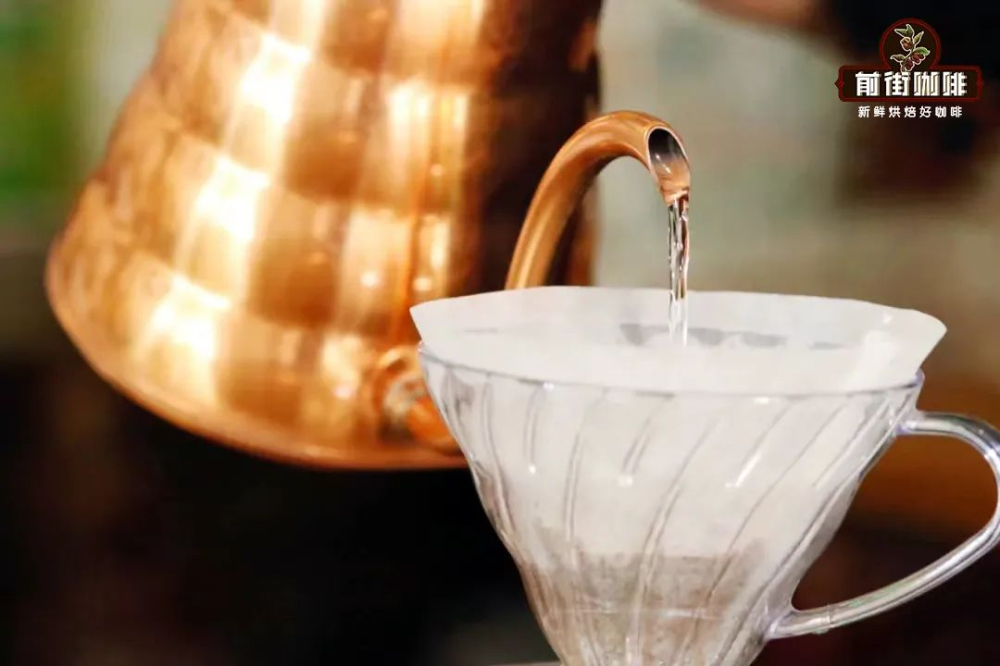
Handle
Handles are where each manufacturer leaves its signature. Nearly every handle pitch includes the phrase "ergonomically designed."
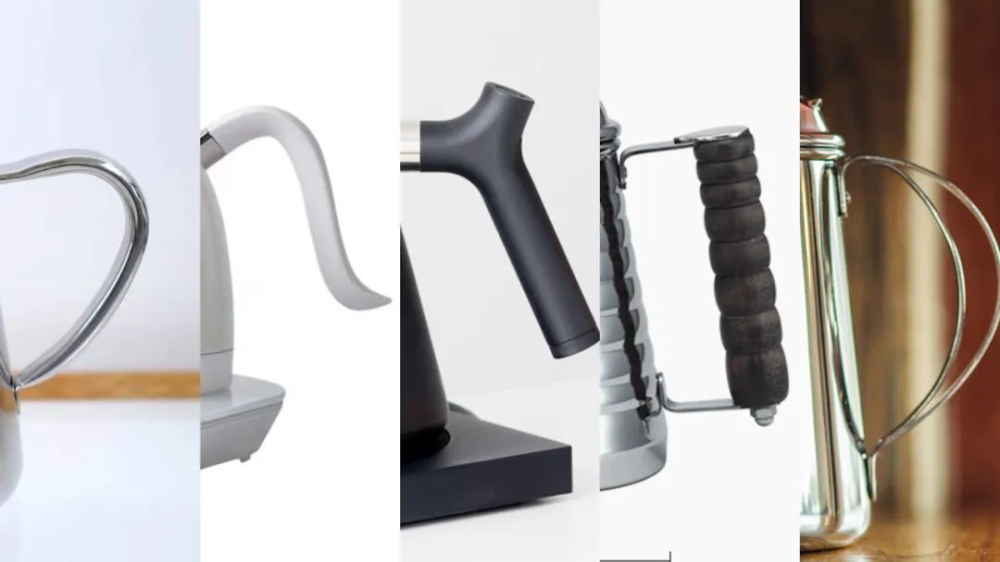
And indeed, different handles feel different. A good handle design lets you grip more comfortably, control the kettle's center of gravity better, and manage the flow. Put simply, it saves effort and is easy to control.
Material
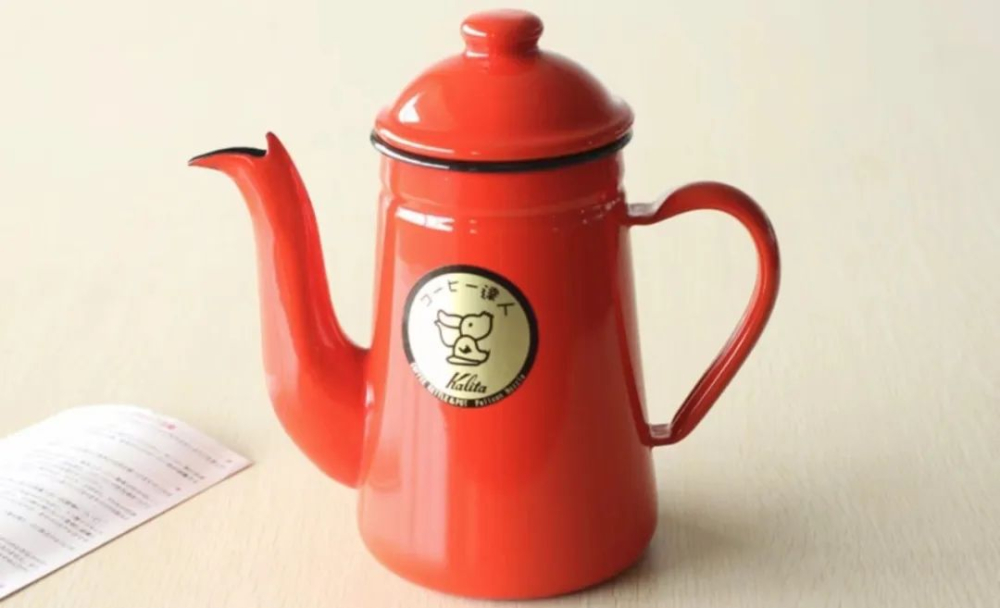
The most common materials for pour-over kettles are stainless steel, copper, and enamel porcelain. For cost-effectiveness, stainless steel comes first, and it is also the most widely used material on the market -- good quality at a fair price. On performance, copper kettles are superior, with excellent heat retention and build quality, though the price is a little higher (compared with the non-temperature-controlled versions). If you are choosing on looks, consider enamel porcelain, which is full of artistic color -- the drawback being that it is fragile.
Conclusion
All in all, a suitable pour-over kettle is still very much worth having for a beginner. Do not simply buy a hard-to-use kettle just because it looks good.
- END -
FrontStreet Coffee

FrontStreet Coffee Recommendation
Once the kettle is sorted, the beans decide the rest. For a first pour-over bag, FrontStreet's washed Yirgacheffe Gudingding is a dependable choice: bright citrus, berry, and floral notes with a green-tea finish, and acidity that is soft and bright rather than sharp. It is exactly the kind of delicate cup a well-controlled pour is meant to show off.
If you prefer something more expressive, FrontStreet's Ethiopia Huakui is rich in tropical fruit -- strawberry, passion fruit, jackfruit, even lychee -- with low bitterness and a juicy, smooth body. And for a bright, complex option, FrontStreet's Kenya Small Tomato brings a savory tomato and dried plum acidity with a full, juice-like texture, thanks to its SL28 and SL34 varieties and 72-hour double washed fermentation.
Important Notice :
FrontStreet Coffee is a long-established specialty coffee roaster in Guangzhou China, selling freshly roasted beans from its own farm in Yunnan as well as dozens of carefully selected single-origin beans from around the world for both pour-over and espresso. The products deliver consistently excellent quality and great value, with shipping within 24 hours. Guangzhou's FrontStreet Coffee shop is recommended by many coffee lovers, and the beans are now available online at the Tmall 。
FrontStreet Coffee has moved to a new address:
FrontStreet Coffee Address: 315,Donghua East Road,GuangZhou
Tel:020 38364473
 Scan and follow the En Gafei WeChat official account. Please indicate that the reprint comes from "En Gafei".