Which Tastes Better: Blend or SOE Americano? How to Choose Coffee Beans When Ordering
Choosing Your Espresso Beans: Blend vs. Single Origin

Walk into a coffee shop and order an Americano — what beans can you actually choose from? These days, the espresso beans behind most café bars fall into two camps: blends and Single Origin Espresso (SOE). What separates them when pulled as espresso?
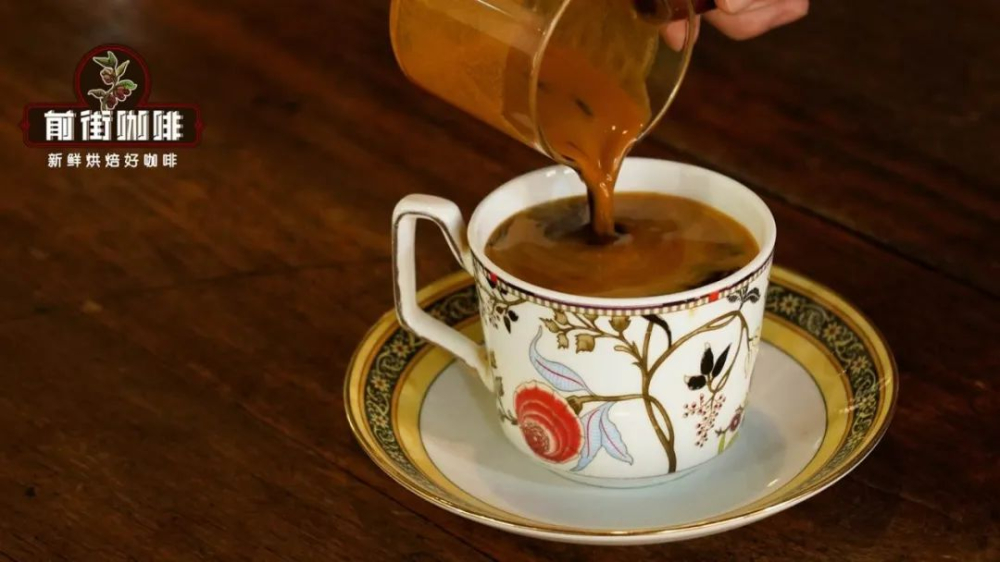
Traditional Italian Espresso
Start with traditional Italian espresso — plain "Espresso" as most of us know it: strong, intense, and rich. Most espresso drinkers chase exactly that profile — intense flavor with low acidity — plus generous crema, a captivating aroma, a smooth texture, and intensity kept in balance. And of course, our daily milk drinks like lattes and cappuccinos all build on espresso as the base, with different proportions of milk or milk foam added on top.
A standard espresso generally needs to meet these conditions: A. one shot should be 25–35ml. B. the dose depends on the coffee and grind size. C. extraction water temperature between 90.5–96°C. D. pressure of 8.5–9.5 atmospheres. E. extraction time ideally between 20–30 seconds, though this isn't strictly regulated.
Simple as they sound, most home espresso machines can't hit all of these targets — which is why cafés invest in more professional machines.
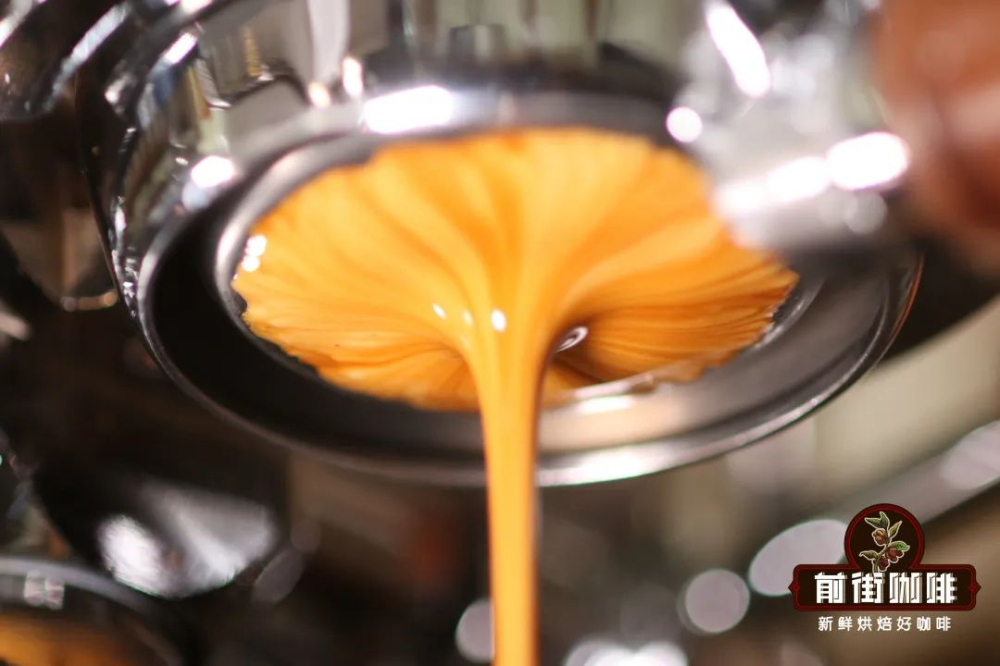
Espresso Blends
An espresso blend is, simply put, different coffees mixed by the roaster to hit a specific flavor target. The more traditional blending goals center on balanced flavor and rich crema, with medium or medium-dark roasted beans as the preferred raw material.
Coffee beans from different origins, processes, and flavor profiles each carry their own regional character — and even a bean that tastes great this harvest offers no guarantee next year's terroir and climate will repeat it. The virtue of blending is playing to each bean's strengths, patching its weaknesses, and harmonizing the whole into something more stable, richer, and better balanced — ensuring consistency in the final cup.
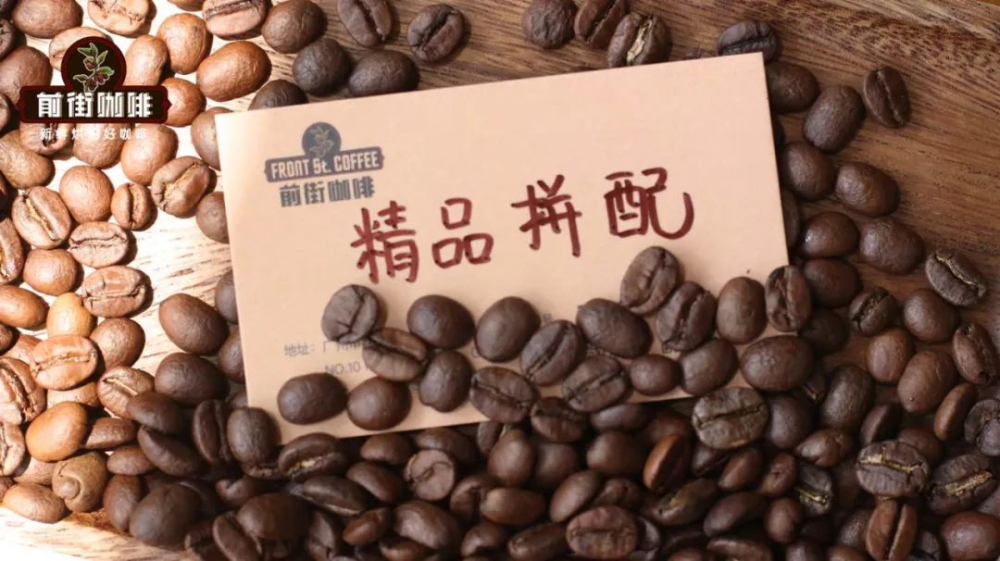
There are two ways to blend: raw blending, mixing different green coffees before roasting, and post-blending, roasting each component separately — potentially to different roast levels — then combining them in fixed proportions afterward. Neither is inherently superior; it depends entirely on the roaster's understanding of the beans and the blending goal.
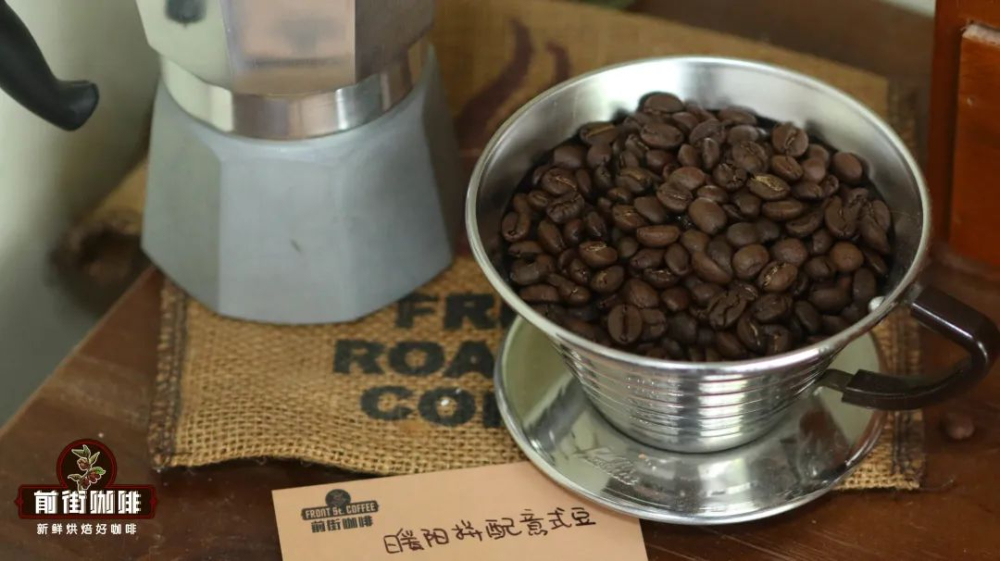
Most blends are built as a base flavor plus a complementary one. FrontStreet Coffee's house blend, Warm Sun, is 70% Honduras + 30% Ethiopia Yirgacheffe. Honduras supplies the main profile — chocolate, cream, vanilla, fermented wine notes, and citrus — while the Yirgacheffe component lifts it with berry-like acidity and aroma, adding floral character and brightening the nutty base with extra layers. As a milk coffee it gains real dimension: caramel-like sweetness you can taste without adding sugar.
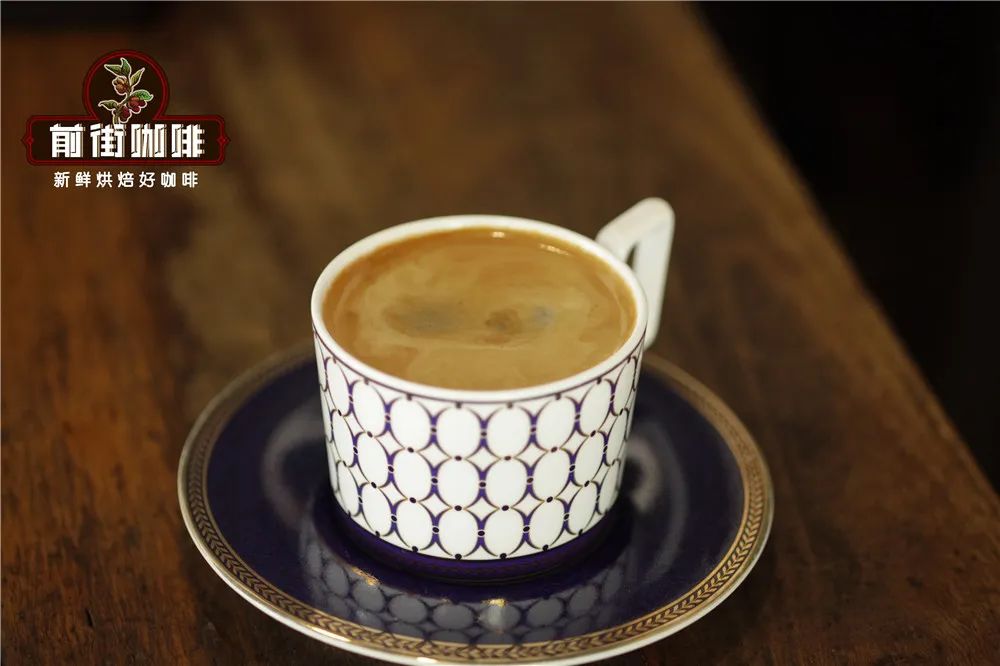
FrontStreet Coffee also keeps an Arabica + Robusta blend: beyond the base of Brazil and Mandheling, it adds 20% Robusta. Espresso with Robusta in the mix tends to come out darker, with richer crema and higher perceived sweetness — a great convenience for lattes and a satisfying answer for anyone with particular demands about crema.
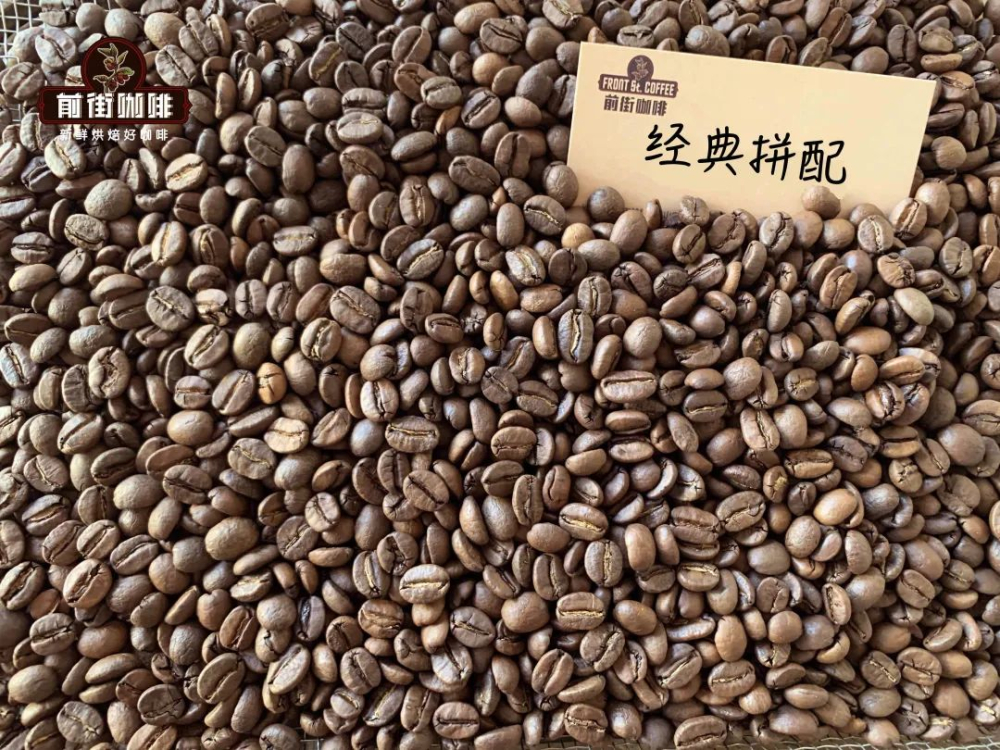
Robusta packs more caffeine and, above all, produces crema richer than Arabica's. The darker the roast, the darker the crema and the fuller the body — that's Robusta's role in a blend. This three-origin blend presents an enticing aroma, thick crema, an intense mellowness, heavy nut-and-chocolate flavors, and strong sweetness when paired with milk.
Single Origin Espresso (SOE)
As specialty coffee developed, SOE — Single Origin Espresso — caught on across the market. Think of it as taking a pour-over single origin, adjusting the roast profile, and running it through the espresso machine. Beans with strong flavor character get amplified to the extreme under pressure: aroma, sweetness, acidity all step forward.
Choosing SOE beans works like choosing pour-over beans: focus on the origin's dominant flavor. Most Brazilian coffee carries chocolate and nut notes; Ethiopian beans lean fruity — the citrus of Yirgacheffe, the berries of Kenya, and so on. Compared with blends, SOE deliberately uses beans with high flavor recognition to build a distinctly characteristic shot — one you can identify by taste alone, with clearer regional expression. Pick a single origin with weak flavor intensity, though, and the result is unremarkable: watery and anonymous.
Blend vs. SOE: Which to Choose?
Choosing a blend buys balance and stability, flavors with broad audience appeal, less identifiable regional character, and fuller body. That's precisely why most coffee shops build their menus on blends.
Beyond that, there's no strict standard for which bean makes the "right" espresso or Americano. What matters is knowing your own flavor preferences and choosing by origin and roast level accordingly. There's no "better" between blends and SOE — only what you like.
FrontStreet Coffee

FrontStreet Coffee Recommendation
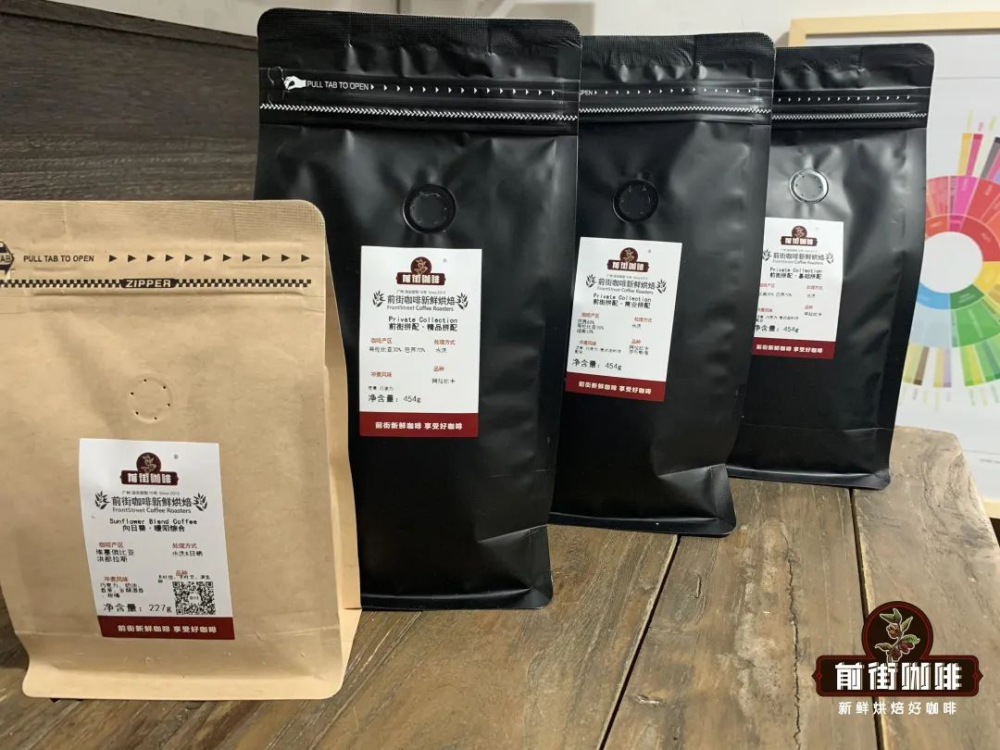
Whichever camp you order from, these FrontStreet Coffee beans cover both ends of the Americano question:
FrontStreet Classic Blend — The "crema bomb" designed for espresso and moka pot brewing: even a beginner with a basic home machine can pull dense, silky crema. The traditional Mandheling × Brazil recipe is mellow and warm, a sure thing for Americano, latte, or cappuccino alike.
FrontStreet Dark Cocoa Blend — The value pick for cost-conscious café owners: 100% Arabica, ample crema, a mellow chocolatey cup, and an approachable price — quality and affordability in one bag.
FrontStreet Granella (Genlana) Gesha SOE — For the fruit-forward camp: a natural-processed Ethiopian Gesha, medium roasted, with built-in notes of berry, orange, and persimmon that turn creamy and candy-sweet with milk — proof that a single origin can hold its own under pressure.
Important Notice :
FrontStreet Coffee is a long-established specialty coffee roaster in Guangzhou China, selling freshly roasted beans from its own farm in Yunnan as well as dozens of carefully selected single-origin beans from around the world for both pour-over and espresso. The products deliver consistently excellent quality and great value, with shipping within 24 hours. Guangzhou's FrontStreet Coffee shop is recommended by many coffee lovers, and the beans are now available online at the Tmall 。
FrontStreet Coffee has moved to a new address:
FrontStreet Coffee Address: 315,Donghua East Road,GuangZhou
Tel:020 38364473
 Scan and follow the En Gafei WeChat official account. Please indicate that the reprint comes from "En Gafei".