
Why Should You Discard the First Espresso Shot of the Day? What Impact Does the First Shot Have?
To keep their brews consistent, most baristas start the day by adjusting the espresso. When it comes to the very first shot pulled after the machine is switched on, though, opinions differ widely on whether to drink it or discard it.

Some argue it should be discarded, because the first shot does not taste good and offers little reference value. Others see no reason to throw away what is simply a cup of coffee that requires no complicated procedure.
Why Should the First Shot of Espresso Be Discarded?
1. Residue from Cleaning Powder
Coffee shops typically clean their machines at the end of each business day. That process uses powerful cleaning powders, which are excellent at removing stains from cups. The procedure is to replace the portafilter basket with a blind, non-perforated basket, add an appropriate amount of cleaning powder, insert it into the group head, and run the extraction cycle for 10 seconds, repeating three times to complete the cleaning.

After that, simply running water through the machine cannot guarantee that all cleaning agent residue in the group head has been cleared. It takes a coffee puck to create pressure and force out any cleaning powder hiding in the crevices of the group head. Let the cleaning powder clean the coffee machine—but do not let it clean your digestive system.

Some might wonder whether the first shot still needs to be discarded when no cleaning powder has been used.
2. Residue from the Coffee Grinder
In an espresso grinder's chamber, some coffee grounds inevitably remain after the previous day's use. Even when the grinder looks pristine after cleaning, there are still many powder residues inside.
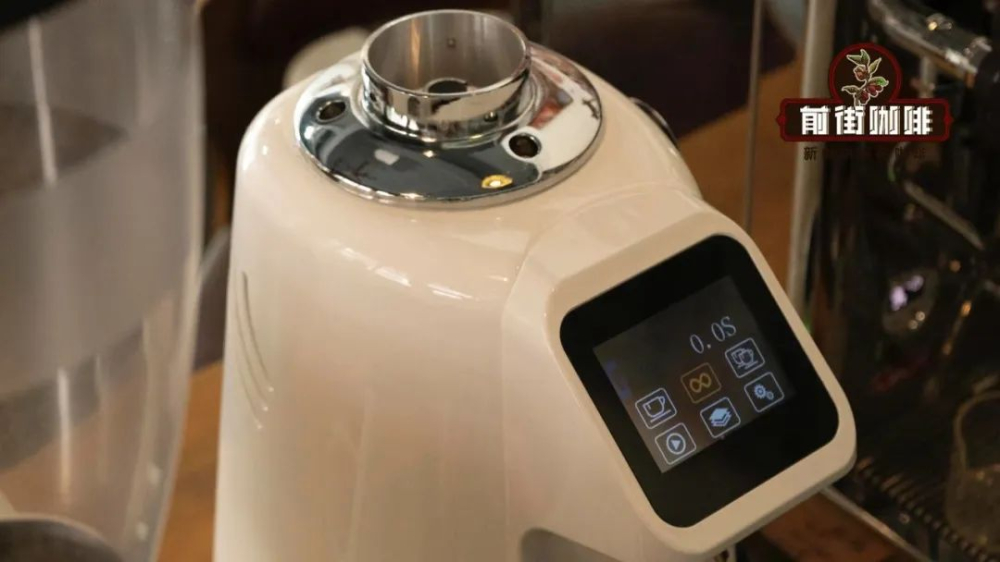
These grounds, after sitting overnight, have released most of their gases and become powder with only a slight coffee flavor. At this point they differ significantly from the unground beans in the hopper. Not only do they lack aroma, but the release of carbon dioxide also changes the extraction time, making them largely unreliable as a reference.
3. The Coffee Machine Needs Time to Stabilize
A coffee machine's water temperature and pressure reach their set standards about fifteen minutes after being switched on. During that initial phase, however, its sensors cannot provide accurate readings—much like how disoriented you feel when suddenly awakened from deep sleep.

For example, the sensor might register 94 degrees Celsius, when the actual water temperature has not yet reached that level. Extract an espresso with that reading and you will most likely get an under-extracted shot.
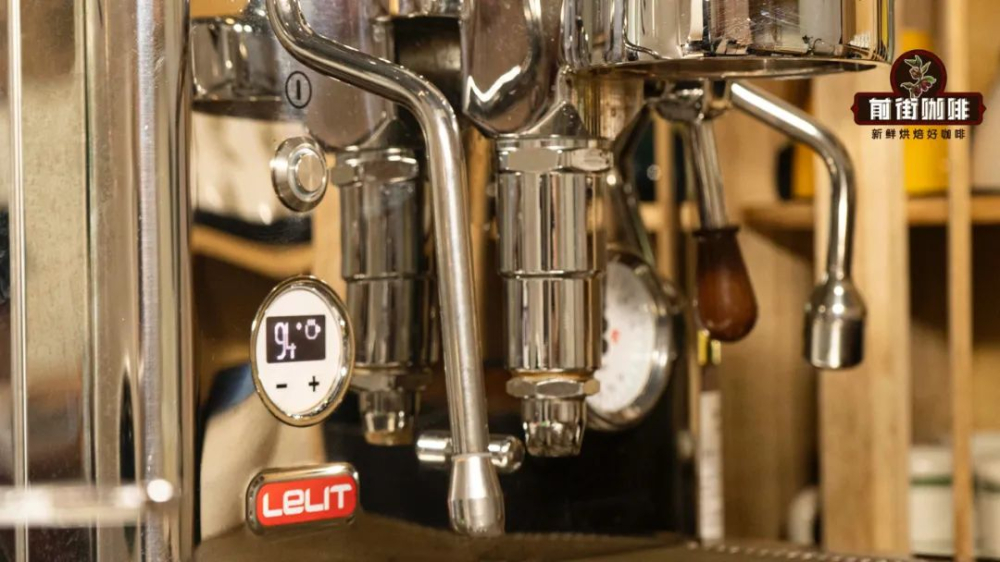
This phenomenon is not limited to espresso machines. Coffee roasters also experience instability with their first batch of the day. The roasting chamber temperature might not reach the measured standard—when it reads 200 degrees Celsius, the actual temperature might be only 150 degrees Celsius—forcing roasters to extend the preheating time to ensure accuracy.

As we can see, whether it is an espresso machine or a coffee roaster, discarding the first shot or the first batch serves to make subsequent output more precise and more stable.
- END -
FrontStreet Coffee Recommendation
A first shot that pulls short and sharp is a reminder of how much a stable, forgiving bean matters, and espresso is a good moment to consider whether you want a blend or a single origin. Espresso beans generally fall into two camps: the blends most coffee shops use, and single-origin beans chosen to suit a personal taste, also known as SOE.
On the blend side, the FrontStreet Classic Blend and the FrontStreet Commercial Blend both aim for the traditional Americano and latte style. Both add a small amount of Robusta to the classic Italian recipe, so they extract with aromas of butter, nuts, spice, dark chocolate and toast—wild and full-bodied, yet still pouring a rich golden crema that makes latte art easy. If you love the almond, walnut and hazelnut aromas of espresso, the FrontStreet Specialty Blend and the FrontStreet Dark Cocoa Blend are the ones to choose, since both contain a large proportion of Brazilian coffee for a comfortable bittersweet note and a creamy peanut aroma, with a remarkably smooth entry. The Specialty Blend carries the nut, chocolate and caramel notes and gentle acidity of Colombian coffee, while the Dark Cocoa Blend adds the ripe plum acidity of Yunnan small cherry.
On the SOE side, the point is to highlight a single region. The FrontStreet Sun-dried Flower Queen SOE comes from Guji Hambella in Ethiopia, grown as high as 2,300 meters, and is naturally processed and medium-roasted; as an Americano or latte it shows cream, cocoa, berry, a light floral note and black tea. The FrontStreet Costa Rica Blackberry SOE is a honey-processed single origin, chosen for drinkers who prefer high sweetness over acidity; medium-roasted, it makes a bright sweet-sour Americano and a latte with cranberry cookie, raisin and nut flavors. For a Brazilian SOE, the FrontStreet Brazil Queen Farm, planted with the distinctive Yellow Bourbon variety and medium-dark roasted, brings a quiet, sweet character and expresses butter cookie, macadamia and toasted bread in the cup.
Important Notice :
FrontStreet Coffee is a long-established specialty coffee roaster in Guangzhou China, selling freshly roasted beans from its own farm in Yunnan as well as dozens of carefully selected single-origin beans from around the world for both pour-over and espresso. The products deliver consistently excellent quality and great value, with shipping within 24 hours. Guangzhou's FrontStreet Coffee shop is recommended by many coffee lovers, and the beans are now available online at the Tmall 。
FrontStreet Coffee has moved to a new address:
FrontStreet Coffee Address: 315,Donghua East Road,GuangZhou
Tel:020 38364473
 Scan and follow the En Gafei WeChat official account. Please indicate that the reprint comes from "En Gafei".

