Why Does Pour-Over Black Coffee Taste Bitter? How to Perfectly Brew Dark Roast Coffee Beans?

Order pour-over at a cafe these days and you'll find that eight out of ten bean choices lean acidic. And yet plenty of "ascetic" coffee drinkers stubbornly prefer bitter coffee. What exactly is the appeal? Why, in an era that prizes acidic coffee, do so many connoisseurs stay devoted to the bitter side?
Where Does Coffee's Bitterness Come From?
Coffee's acidity and bitterness are ultimately determined by roast degree. In roasting there's a milestone called "first crack": the beans have absorbed so much heat that they can no longer store it, so they release it through cracking — audible pops. Roasters use this as the yardstick for judging roast degree.
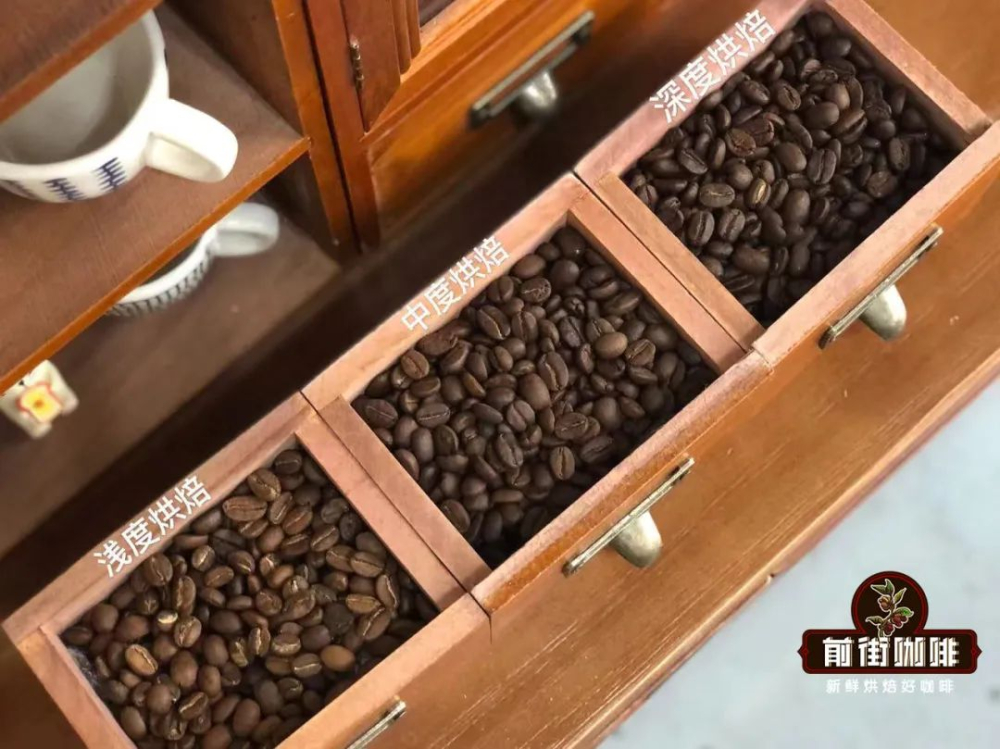
Dump the beans right at the start of first crack and the coffee will be very acidic. Keep roasting past the first pops until the crackling turns dense, and you get a sweet-acidic balance. Keep going until the cracks fall silent, and the coffee starts to develop bitterness — the later you drop, the stronger it gets.
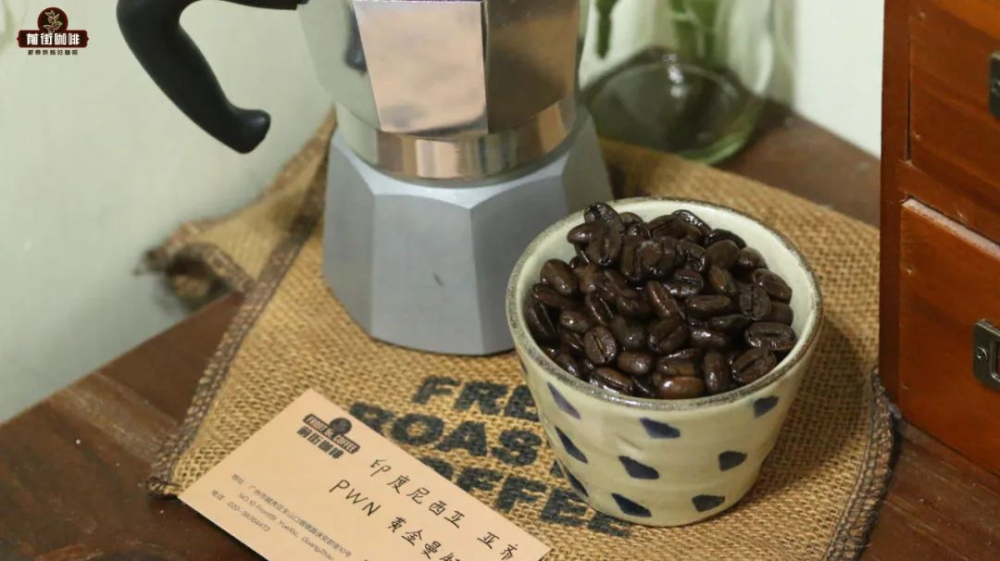
As the roast deepens, acidic compounds are burned away, leaving flavors that lean bitter — nuts, dark chocolate. So compared with light roasts, dark roasts show a noticeable gap in flavor complexity and variation. But bitter dark-roast coffee has its own unique charm, one you simply can't experience in a light roast.
The Unique Charm of Dark-Roasted Bitter Coffee
Aroma:
Dark-roasted coffee has captivating aromas of its own — not the floral, fruity notes of light roasts, but complex scents of nuts, caramel, toasted bread, and chocolate. Many connoisseurs chase precisely this nutty, bitter fragrance.
Rich Mouthfeel:
Dark roasts offer a body that light roasts can't match. Many fans of Blue Mountain or Mandheling are drawn largely to that heavier mouthfeel — a full-bodied, silky sensation that unfolds alongside the flavors.
Sweet Aftertaste:
Yes — even bitter dark-roast coffee has its own sweetness, the kind we call "sweetness within bitterness." A well-extracted dark roast may hit bitter on entry, but sipped carefully it reveals caramel or malt-sugar sweetness; after swallowing, bitterness gives way to sweetness, with pleasant aromas lingering long in the mouth — another trait light roasts struggle to replicate.

Of course, all these charms presuppose that you brew it well. If you'd rather not brew an unforgettable bitterness, FrontStreet Coffee suggests conservative parameters.
Take brewing Golden Mandheling as an example: water temperature of 86-88°C, a grind passing 70% through a #20 sieve (EK43s setting 11), a Kono dripper, a coffee-to-water ratio of 1:15, and an extraction time of around two minutes.
Compared with light roasts, using lower water temperatures for dark-roasted beans and a coarser grind keeps bitterness milder and avoids pulling out undesirable flavors. As for the dripper, slower-flow options like the Kono or Kalita more easily produce a rich body and mellow flavors.
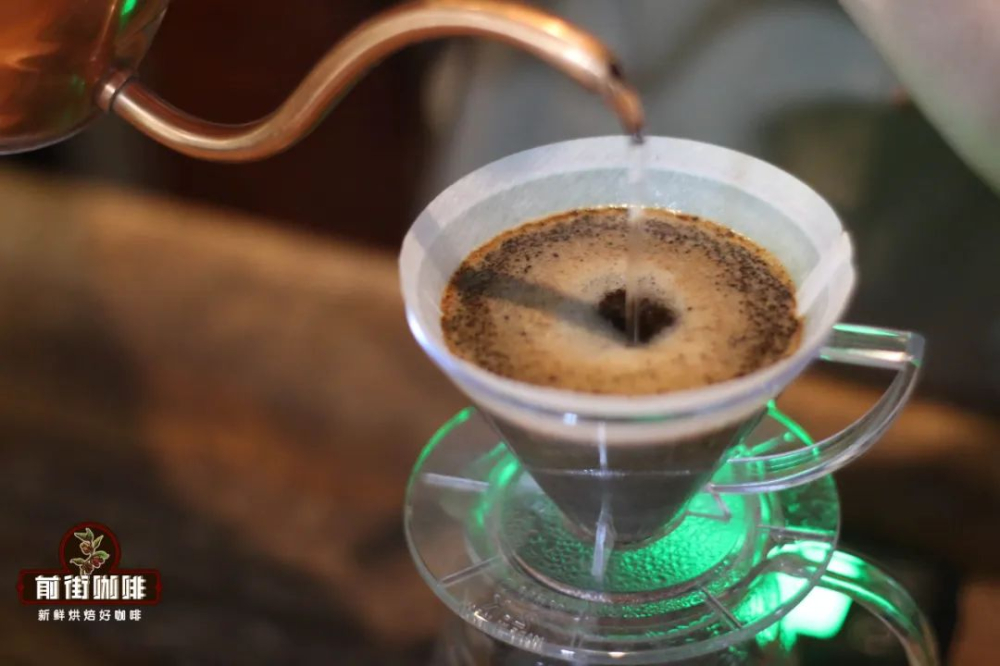
When brewing dark roasts, the bloom must be thorough — judge it two ways. First, confirm all the grounds are moistened and some coffee liquid has begun dripping from the bottom. Second, the grounds bed should stabilize after expansion and stop releasing gas.
Pouring needs adjusting too. Slow your pour as much as possible and keep the water flow finer, to avoid agitating the bed too much and extracting extra bitterness. Pouring in small circles will leave the grounds walls slightly thicker than with light-roast coffee.

If you've read this far and bitter dark-roast coffee is starting to intrigue you, why not give it a try?
- END -

FrontStreet Coffee Recommendation
If today's lesson has you curious about the bitter side, FrontStreet Coffee's PWN Golden Mandheling is the classic starting point: low acidity, a long and mellow body, layered herbal and dark chocolate aromas with just a whisper of earthiness. It's the enduring favorite of drinkers who prefer depth over brightness — no wonder it remains one of the most beloved heavy-bodied beans.
For a gentler bitter-sweet profile, the Brazil Queen Estate offers low acidity, dense nut and cocoa aromas, and clear caramel sweetness — smooth, never astringent, and just as happy in a moka pot or espresso machine as in a slow Kono pour-over. Either one will show you exactly what dark roast does best.
Important Notice :
FrontStreet Coffee is a long-established specialty coffee roaster in Guangzhou China, selling freshly roasted beans from its own farm in Yunnan as well as dozens of carefully selected single-origin beans from around the world for both pour-over and espresso. The products deliver consistently excellent quality and great value, with shipping within 24 hours. Guangzhou's FrontStreet Coffee shop is recommended by many coffee lovers, and the beans are now available online at the Tmall 。
FrontStreet Coffee has moved to a new address:
FrontStreet Coffee Address: 315,Donghua East Road,GuangZhou
Tel:020 38364473
 Scan and follow the En Gafei WeChat official account. Please indicate that the reprint comes from "En Gafei".