
How Long is the Shelf Life of Drip Coffee? How Long Can It Be Stored? How Many Times Can It Be Brewed? How Should You Drink It?
Customers who have bought drip coffee bags at FrontStreet Coffee's store will know that ordering one means waiting a while, because FrontStreet grinds and prepares them fresh on the spot. Many wonder why FrontStreet insists on making them to order — making customers wait — rather than keeping a stock of drip bags on hand for grab-and-go convenience, like a supermarket shelf.
How long can a freshly made drip coffee bag last?
FrontStreet Coffee has explained before that while the food-safety shelf life of coffee can run up to a year, that number has nothing to do with whether the coffee tastes good. The decisive factor is how long the flavor compounds inside the coffee hold up. What truly deserves attention is the flavor period of roasted coffee: brewed within it, the coffee shows its aromatic character in full — but that window is far shorter than the shelf life, generally considered to be around thirty days.
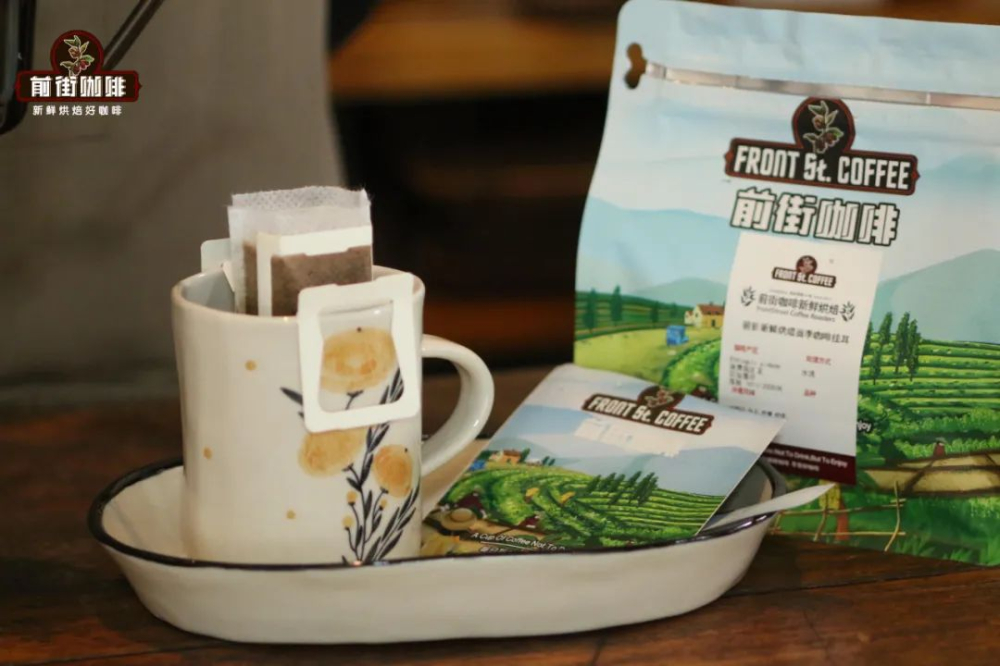
Once beans are turned into drip coffee bags, that flavor period shrinks further. FrontStreet Coffee ran a series of comparisons and found that drip bags made from beans roasted within 4 days begin to lose their distinctive flavors about 3 weeks after the roasting date (note: "flavors" here means the specific, evocative aromas and tastes — the basic sweetness, acidity, and bitterness still remain). Anaerobic processed coffees last slightly longer, holding their character for about a month. (The occasional "exceptionally long-lasting" individual bean can't be ruled out.)
In other words, the window in which a drip bag can truly deliver a delicious cup is only about 20 days. That's why FrontStreet Coffee refuses to pre-stock drip bags and makes each one fresh upon order. They're also packed ten small bags to a pack, so customers drinking one a day finish them within the flavor period.
Why does the flavor period get shorter after making drip coffee?
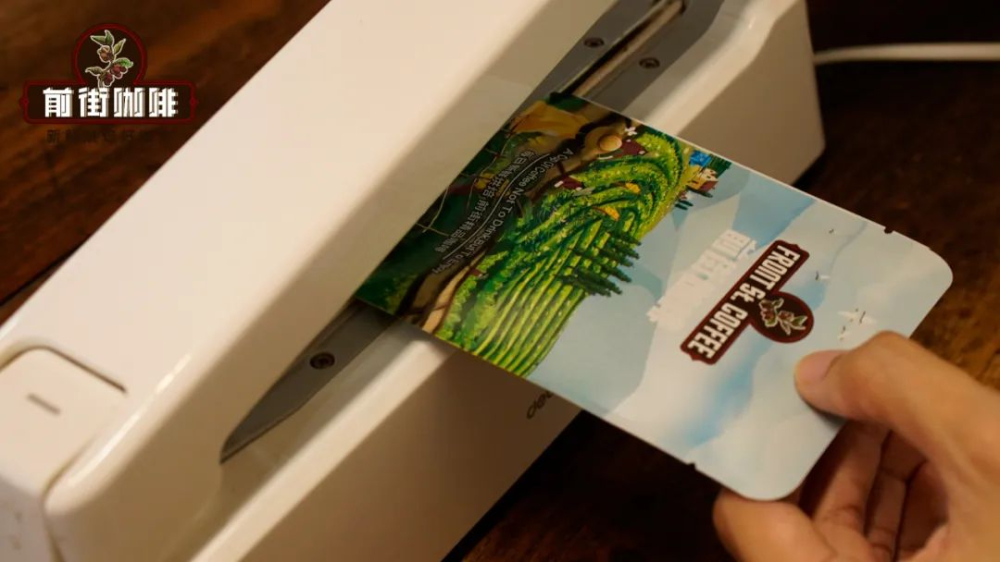
It comes down to how drip bags are made. Generally, the beans are first ground into powder, then packed into the drip bags and sealed, and finally the bags go into outer packaging and are heat-sealed — completing one small drip coffee bag.

As pre-ground coffee, the particles' surface area exposed to air multiplies the moment beans become powder, so both carbon dioxide and aromatic compounds dissipate far more quickly. The result is a shorter optimal flavor window for drip coffee.
Anyone who has bought drip bags made from dark roast beans may have noticed the bag arrives flat, then puffs up after sitting for a while. That's actually the carbon dioxide and flavor aromas escaping.

So when FrontStreet Coffee prepares drip bags fresh on-site, it works as fast as possible to minimize the grounds' contact with air and limit flavor loss. Likewise, customers should drink their coffee soon after purchase.
- END -
FrontStreet Coffee
No. 10, Bao'an Qianjie, Yandun Road, Dongshankou, Yuexiu District, Guangzhou, Guangdong Province
FrontStreet Coffee Recommendation
Why Medium Roast Is the Sweet Spot
Three things must be controlled in the roasting process to decide a coffee's final flavor: acidity, sweetness, and bitterness. The darker the roast, the more bitter and heavy the cup; the lighter, the more acidic and delicate. For anyone chasing a balanced profile, medium-roast beans are the place to start — and they're also the most forgiving choice for drip bags and everyday brewing.
FrontStreet's Medium-Roast Picks
If you dislike both sharp acidity and heavy bitterness, FrontStreet Coffee's Brazil Fazenda Rainha (Queen Estate) is the answer: grown in the world's largest coffee-producing country from the local Yellow Bourbon variety, it tastes quiet and sweet, showing cream, peanut, chocolate, toasted bread, and sugarcane after medium roasting — equally suited to pour-over, moka pot, or espresso machine. For a sweeter medium roast, the Strawberry Candy Geisha blend stands out: it marries a honey-processed coffee from Costa Rica with washed Panamanian Geisha, and FrontStreet's medium roast lets it show both orange-blossom honeyed charm and rounded sweetness — delicious as cold brew, pour-over, or espresso.
Two More Classics
The FrontStreet 2013 Natural Typica, a flagship of Chinese specialty coffee, carries the orthodox Yunnan small-bean character; roasted medium to preserve its balanced, gentle tone, it offers soft notes of nuts, brown sugar, black tea, and dried apricot across pour-over, cold brew, or drip machines, at excellent value. And the Jamaica Blue Mountain No.1 — grown on Typica, a world-renowned fine Arabica, in Blue Mountain's uniquely blessed geography — is roasted to a medium level so its acidity, bitterness, sweetness, and body fuse perfectly: chocolate, roasted nuts, cream, and caramel from the very first sip, an elegant profile few other coffees can match.
Important Notice :
FrontStreet Coffee is a long-established specialty coffee roaster in Guangzhou China, selling freshly roasted beans from its own farm in Yunnan as well as dozens of carefully selected single-origin beans from around the world for both pour-over and espresso. The products deliver consistently excellent quality and great value, with shipping within 24 hours. Guangzhou's FrontStreet Coffee shop is recommended by many coffee lovers, and the beans are now available online at the Tmall 。
FrontStreet Coffee has moved to a new address:
FrontStreet Coffee Address: 315,Donghua East Road,GuangZhou
Tel:020 38364473
 Scan and follow the En Gafei WeChat official account. Please indicate that the reprint comes from "En Gafei".

