Expressing Pour-Over Coffee Grind Size: How to Distinguish Fine and Coarse Sugar
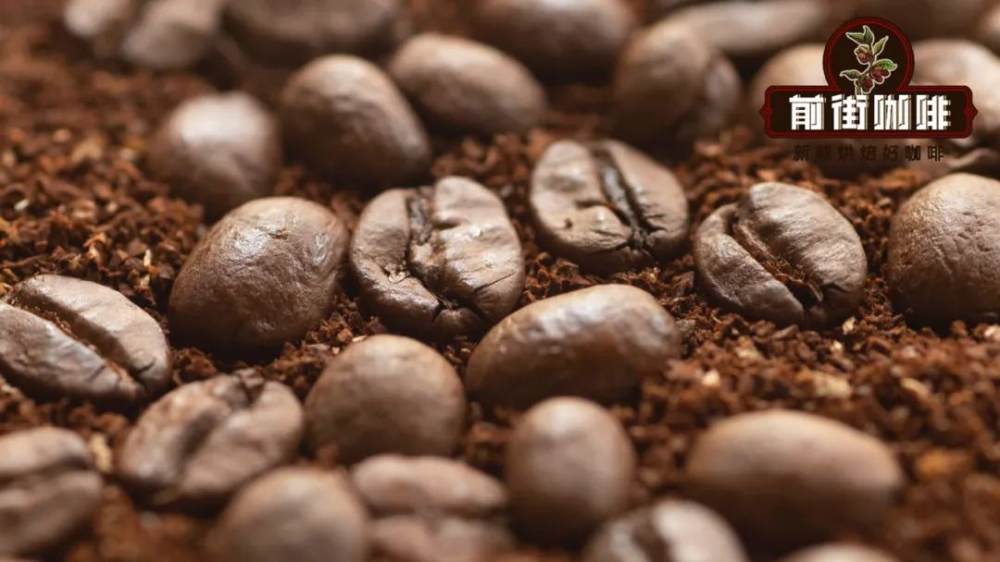
For all the talk about coffee grind size, we've never really had a clear, universal way to describe it. So whenever people discuss it, all sorts of expressions appear: some use "coarse sugar" or "fine sugar" comparisons, some cite the scale settings on their grinders, and some — like FrontStreet Coffee — use sieve pass rates. Each method has its limitations, but they all share the same goal: helping everyone understand how coarse or fine the coffee grounds actually are.
Scale Reference Method
This method uses a grinder's numeric settings as the reference for coarseness, usually anchored to popular, widely-used grinders — scale 7 on the EK-43, 26 clicks on the C40, and so on.
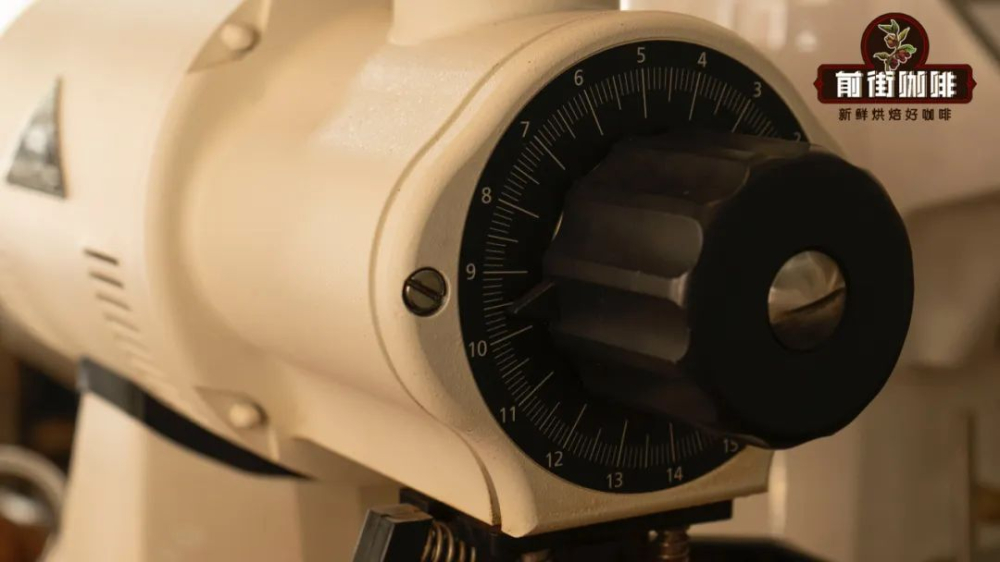
It's also the method with the biggest flaws. With so many grinders on the market, two people rarely own the same model. Grinding values differ across models, so the same setting on different grinders produces grounds of different particle sizes. Even with the identical model, variations in installation, use, and maintenance mean the same number can hardly serve as a shared standard. And if the two parties own different grinders altogether, the comparison becomes nearly meaningless.
Visual Analogy Method
The visual analogy method compares coffee grounds to everyday objects, with coarse sugar and fine sugar being the most common reference points.
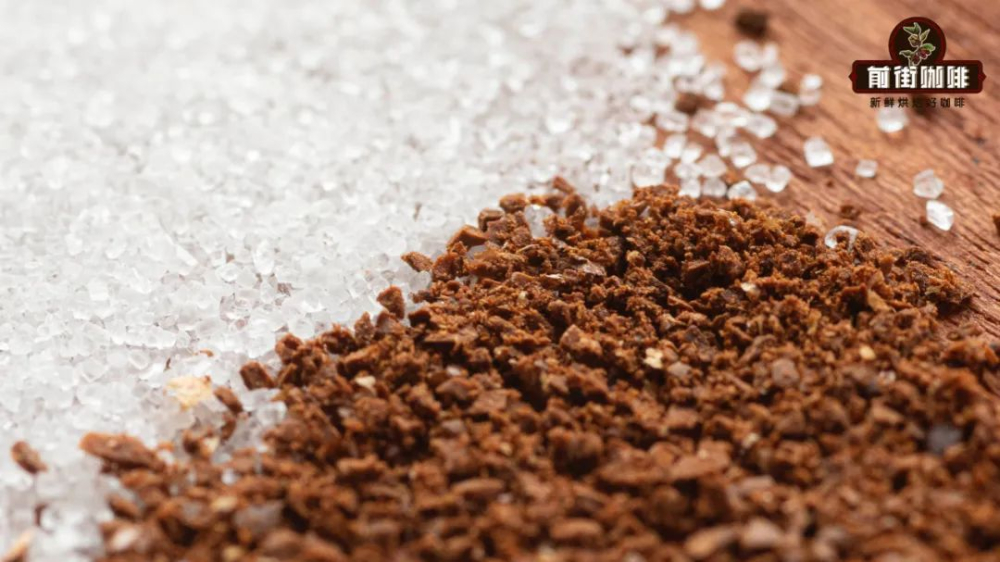
Descriptions like these are the most intuitive — and also the most unreliable, because the human eye is poor at distinguishing small differences. When our gaze locks onto a focal object, we easily overlook everything else. Here's a small example: when grinding fairly fine coffee with a hand grinder, a few seemingly larger particles inevitably catch your attention and trick you into thinking the grind is "coarse sugar" when it's actually "fine sugar." Your eyes mislead your judgment and quietly raise the error rate. So when judging grind size for the first time, spread the grounds out and look at the overall picture rather than a few outliers — that alone will minimize mistakes.
Sieve Calibration Method
This is the method FrontStreet Coffee mentions most often in its articles, used mainly to calibrate grind size for cupping and pour-over. FrontStreet Coffee uses a #20 standard sieve with a mesh diameter of 0.85mm — not for sifting out fines, but for measuring the grind itself.

Its strength is reproducibility: once you know the right sieve pass rate, any grinder can be dialed to the same grind size. The drawback is that it's labor-intensive. Here's how it works: take 10g of coffee beans (or a multiple of 10 — more grounds mean more accurate data), grind at a chosen setting, pour the grounds into the sieve, and shake! Shake horizontally, left and right!!! Keep shaking until no more particles fall through noticeably (usually 3-5 minutes). Then weigh what fell through and divide it by the total weight of the grounds — that's your sieve pass rate.
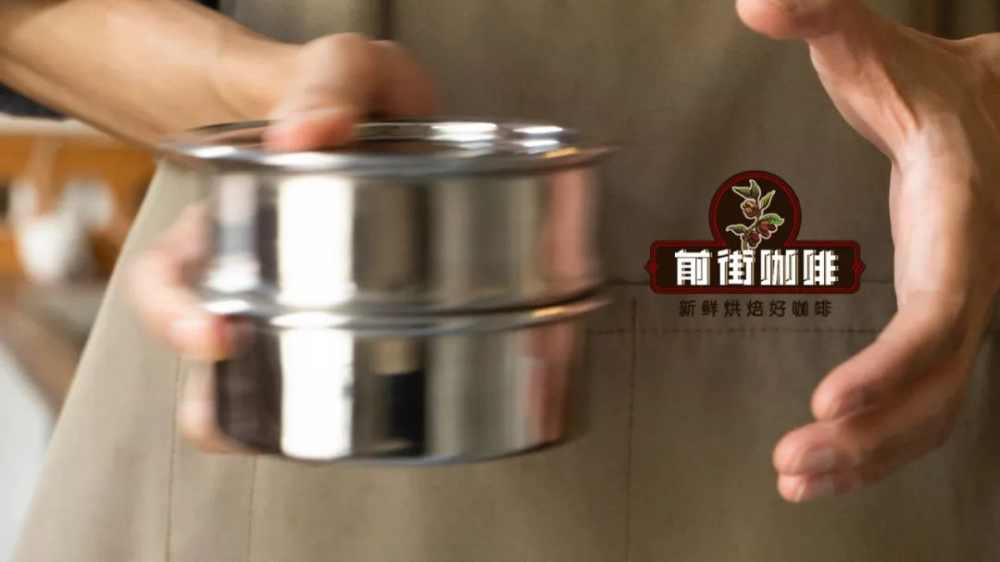
For example: if 8g out of 10g passes through, the pass rate is 80%. If you're aiming for 90%, adjust the grind finer to raise the rate. Whatever reference method you use, its real purpose is simply to cut down on trial and error with new beans. A "coarse sugar" description or an 80% sieve pass rate gets you into the right range before you brew; from there, combined with your pour rate and extraction time, you can zero in on the ideal grind while wasting far fewer beans.
- END -
FrontStreet Coffee Recommendation
A repeatable grind calibration is only as useful as the beans you brew with it, so here are a few FrontStreet Coffee favorites worth dialing in. For light-roast pour-overs, FrontStreet Coffee's Yirgacheffe Guodingding is a classic starting point: bright yet gentle citrus and berry notes, floral aroma, and a green-tea-like sweetness on the finish — an easy cup for anyone new to pour-over. FrontStreet Coffee's Ethiopia Huakui goes further, with pronounced tropical fruit aromas of strawberry, passion fruit, jackfruit, and even lychee, a smooth, juice-like body and barely any bitterness — often described as "the coffee that tastes least like coffee."
If your palate leans toward bright, complex acidity, FrontStreet Coffee's Kenya Cherry Tomato from the Thika region (grown at 1,550-1,750 meters from SL28 and SL34, and finished with Kenya's 72-hour double-washed fermentation) delivers vivid cherry tomato and dark plum flavors with a full, fresh-pressed-juice feel. And for fans of medium-dark roasts, FrontStreet Coffee's PWN Indonesia Golden Mandheling offers low acidity and a long, mellow body rich with herbs and dark chocolate — proof that a well-calibrated grind pays off at every roast level.
Important Notice :
FrontStreet Coffee is a long-established specialty coffee roaster in Guangzhou China, selling freshly roasted beans from its own farm in Yunnan as well as dozens of carefully selected single-origin beans from around the world for both pour-over and espresso. The products deliver consistently excellent quality and great value, with shipping within 24 hours. Guangzhou's FrontStreet Coffee shop is recommended by many coffee lovers, and the beans are now available online at the Tmall 。
FrontStreet Coffee has moved to a new address:
FrontStreet Coffee Address: 315,Donghua East Road,GuangZhou
Tel:020 38364473
 Scan and follow the En Gafei WeChat official account. Please indicate that the reprint comes from "En Gafei".