
What is the purpose of the exhaust valve on coffee bags? Can you squeeze it to smell the aroma?
Squeeze it gently, and out pours a cloud of aroma.

Many people will have noticed: when customers pick coffee beans, the first thing they do is bring their nose to the little hole on the bag, squeeze the bag with one hand, and inhale the gas pushed out of the valve.
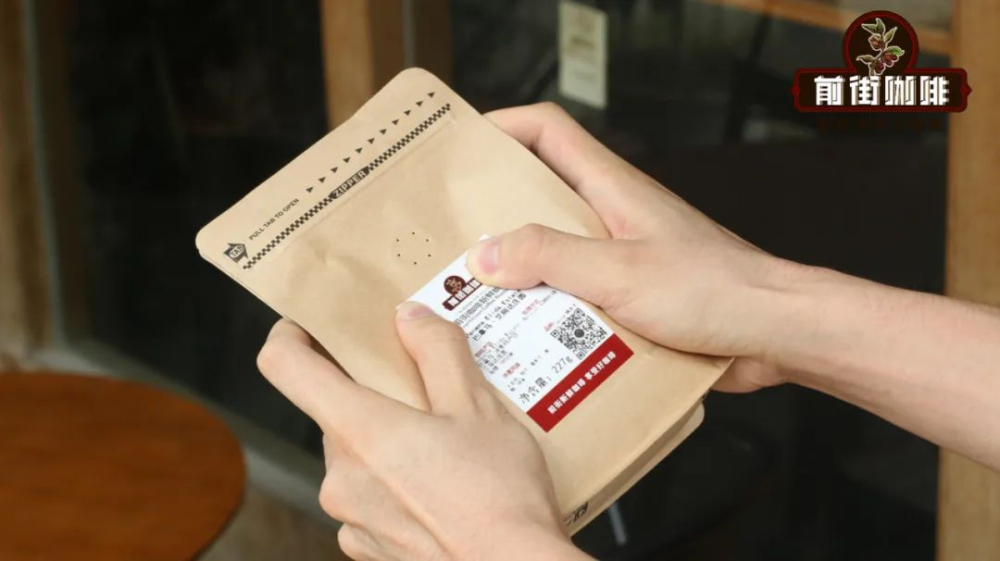
Anyone who has read "Why doesn't coffee taste as fragrant as it smells???" will realize at once—that gas is precisely the carbon dioxide and volatile aromas escaping from the beans. It smells wonderful!! That's why so many of us squeeze the bag when we get home, take a sniff before brewing, and feel absolutely delighted.
HOWEVER!!! Although that hole exists for degassing, it was never meant for squeezing and sniffing.
The Purpose of the Hole
That hole is actually a valve device called a "one-way degassing valve." Like a one-way street for cars, gas can exit in one direction but cannot enter from the other.
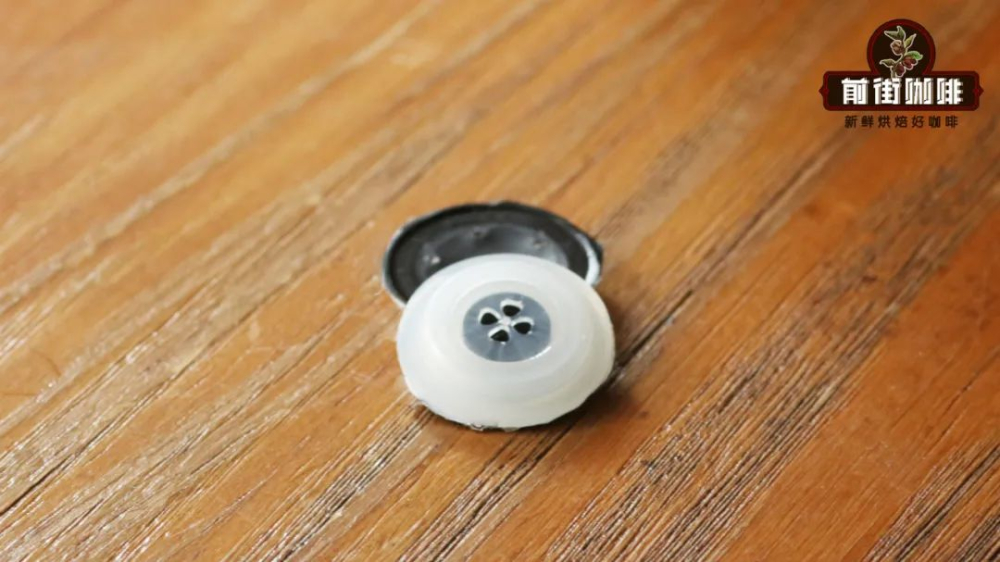
Freshly roasted coffee beans hold a great deal of carbon dioxide, which they emit in quantity over the following days. But once the beans have cooled after roasting, we seal them into bags immediately. Without a one-way degassing valve, all that CO2 would fill the bag, and once the bag could no longer withstand the continuous gas output, it would easily burst.

With a degassing valve, when the bag is full of gas and the beans release more, the internal pressure climbs above the external pressure. That pushes the valve open and vents the excess gas outward. Once the excess is released and pressure normalizes, the valve closes again. So the one-way degassing valve has exactly one simple job: "keeping the gas from bursting the bag."
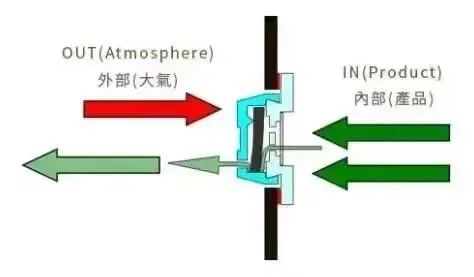
The valve lets coffee beans be stored in a nearly airtight space. The escaping carbon dioxide carries the beans' volatile aromas with it. When beans meet open air, CO2 release accelerates and large amounts of aromatic compounds are lost. But since packaging can't withstand unlimited internal pressure, the one-way degassing valve was designed specifically to let gas out without letting air in.

Why Squeezing the Bean Bag to Smell the Aroma Is Not Recommended
The reason is that once the gas inside the bag reaches saturation, it slows the rate at which the beans continue to degas—the process drags out, effectively extending the flavor window. When you artificially squeeze gas out of the bag, the internal pressure drops relative to the outside. As you can see, the valve's design exists to solve one problem: fresh beans releasing huge amounts of gas in the first days after roasting could burst the bag during transport.
So if you want to extend the flavor window, besides not squeezing the bag, you can also seal the degassing valve with an adhesive sticker;
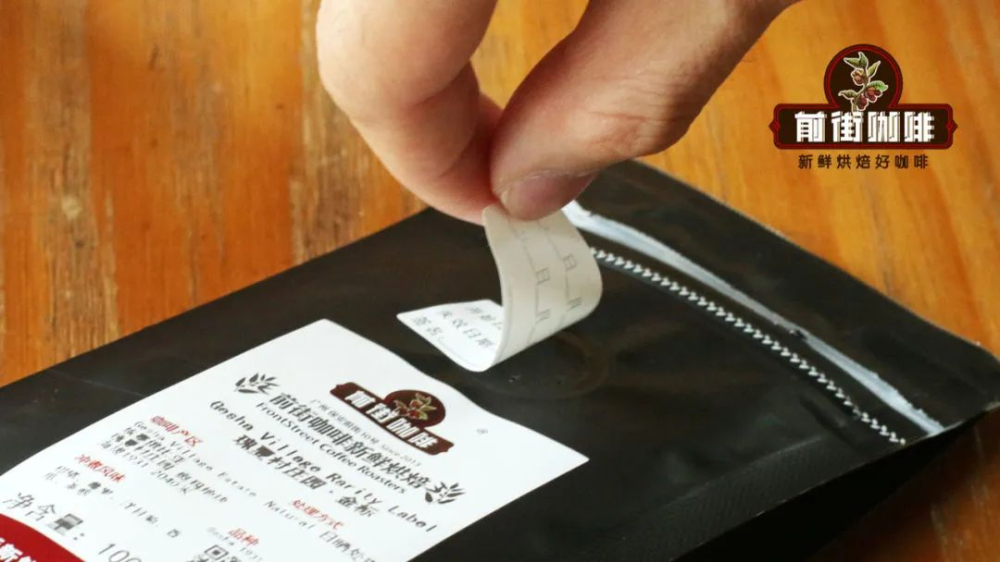
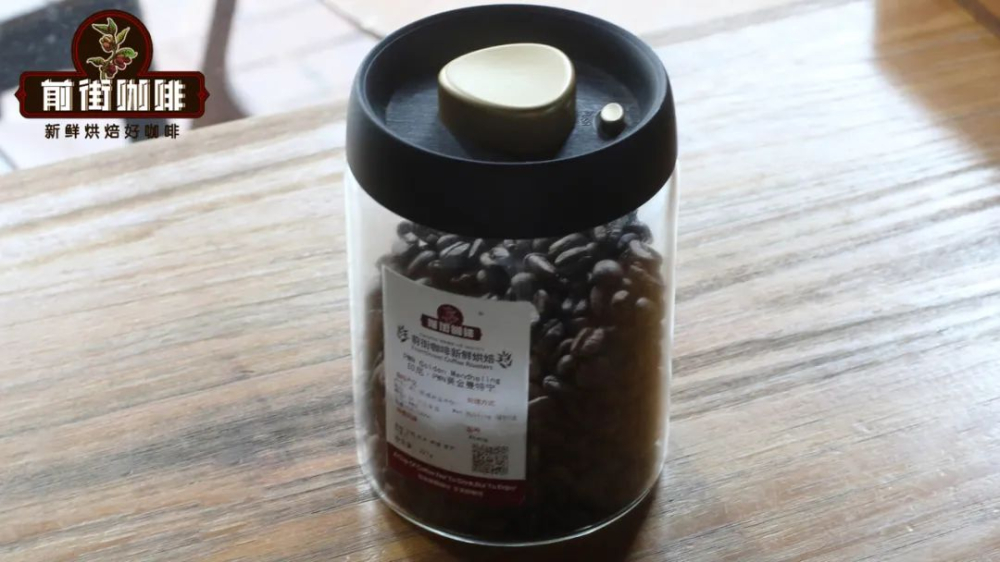
or transfer opened beans into a sealed container. Both methods effectively reduce the degassing rate and stretch out the beans' optimal flavor window.
- END -
FrontStreet Coffee
No. 10, Bao'an Qianjie, Yandun Road, Dongshankou, Yuexiu District, Guangzhou, Guangdong Province

FrontStreet Coffee Recommendation
FrontStreet Queen Estate (Brazil)
If you dislike sour coffee as much as bitter coffee, reach for the FrontStreet Brazil Queen Estate. From Brazil—the world's largest coffee producer—it's grown from the country's distinctive Yellow Bourbon variety, naturally gentle and sweet. Roasted medium, it shows cream, peanut, chocolate, toast, and sugarcane aromas, and works just as well in a pour-over as in a moka pot or espresso machine.
FrontStreet Strawberry Candy Gesha Blend
For a sweeter medium roast, the first choice is the fruit-forward FrontStreet Strawberry Candy. This one is special among fruit-toned coffees: it unites two celebrated Central and South American origins—honey-processed Costa Rica and washed Panama Gesha. To highlight the best of both, FrontStreet roasts it medium, yielding orange-blossom honeyed notes and rounded sweetness. It suits cold brew, pour-over, and espresso alike, and every sip is refreshing.
FrontStreet Jamaica Blue Mountain No.1
Jamaica's Blue Mountain region grows Typica, a world-renowned premium Arabica, and its privileged geography is indispensable to Blue Mountain's balanced profile. The "Emperor of Coffee," as FrontStreet's Blue Mountain No.1 is roasted medium so that acidity, bitterness, sweetness, and body fuse perfectly into an elegant, captivating aroma. Chocolate, roasted nuts, cream, and caramel arrive from the very first sip—a balance no other coffee can match.
Important Notice :
FrontStreet Coffee is a long-established specialty coffee roaster in Guangzhou China, selling freshly roasted beans from its own farm in Yunnan as well as dozens of carefully selected single-origin beans from around the world for both pour-over and espresso. The products deliver consistently excellent quality and great value, with shipping within 24 hours. Guangzhou's FrontStreet Coffee shop is recommended by many coffee lovers, and the beans are now available online at the Tmall 。
FrontStreet Coffee has moved to a new address:
FrontStreet Coffee Address: 315,Donghua East Road,GuangZhou
Tel:020 38364473
 Scan and follow the En Gafei WeChat official account. Please indicate that the reprint comes from "En Gafei".

