
Why Doesn't Coffee Taste as Good as It Smells? The Nature of Coffee Aroma and Fragrance Compounds
Walking into a coffee shop, it's easy to be swept up by the aroma hanging in the air. Especially when beans are being ground — the fragrance floods the room, your heart races, and you want to order a pot on the spot just to taste that glorious smell.

The Discrepancy Between Smell and Taste
But then the coffee hits your tongue — wait, what is this? Were all those floral and fruity aromas just an illusion?
The answer lies in how our senses of smell and taste work. Smell comes in two forms: orthonasal and retronasal. Orthonasal smell is how we detect odors from the outside world; retronasal smell is the aroma we perceive when food and drink travel through the mouth and drift back up through the nasal cavity.
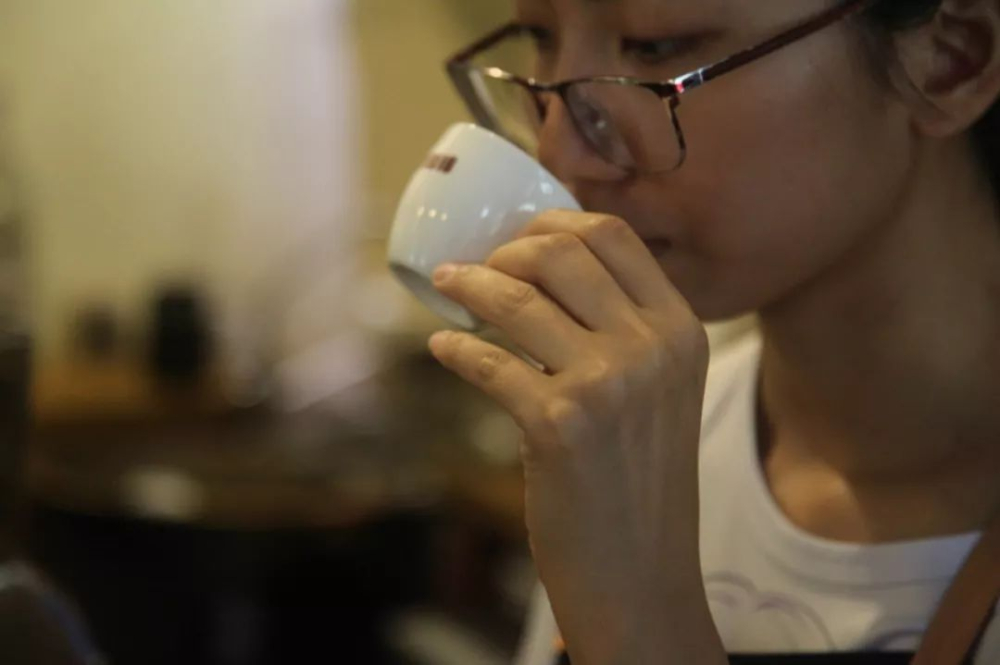
Taste, meanwhile, is what happens when signals from all five senses (sight, hearing, smell, taste, and touch) reach the cerebral cortex and get processed by the central nervous system. All five senses act as channels for flavor perception.
Which is why we fall for the illusion that "what I smell is what I'll taste." The gap between aroma and flavor exists because the aromatic compounds we inhale through the nose and those we perceive while drinking simply aren't the same ones.
Different Properties of Coffee Aromas
1. Volatile Aromas
The smells that greet you at the grinder belong to coffee's aromatic compounds. Most of them are volatile, which is why our noses can catch them at all.
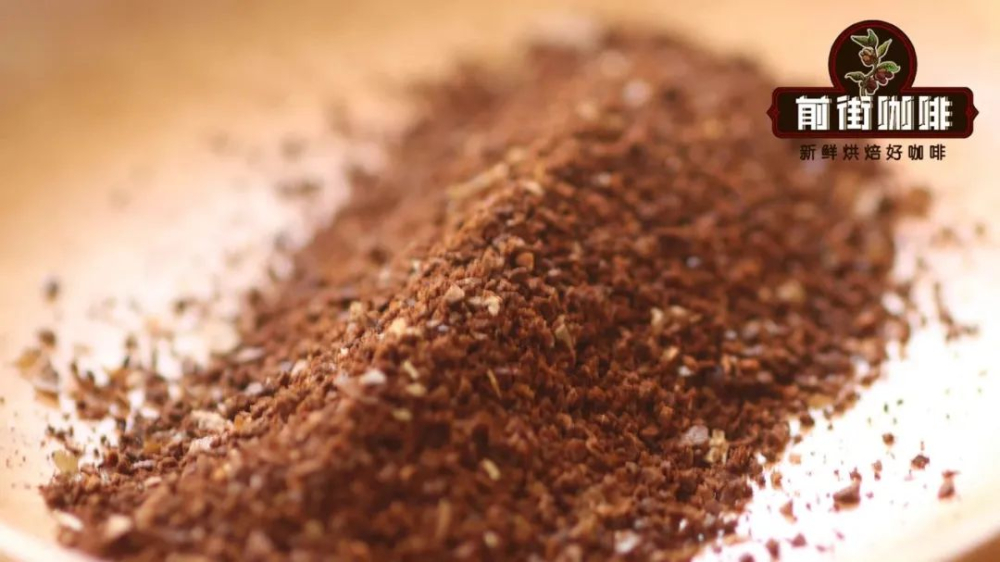
When beans are ground, the light, highly volatile floral, fruity, and acidic aromas escape first — you can smell them from across the room. Next come the medium-weight aromas like nuts, almond, caramel, and chocolate, which don't travel as far, so you need to lean in. Finally, the heavy molecular-weight aromas — resin, spices, roasted notes — only reveal themselves when your nose is pressed right up to the grounds.
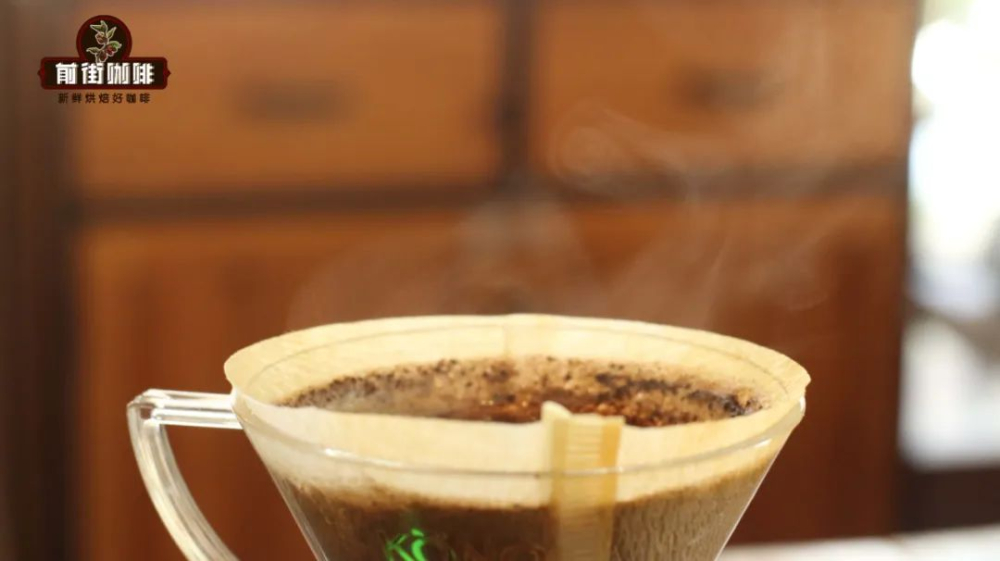
All of the above make up coffee's dry fragrance. Because some volatile compounds won't vaporize at room temperature, they need hot water to bloom — that's what we call the wet fragrance.
2. Water-Soluble Flavors
Another group of aromatic compounds is both volatile and water-soluble, so we can smell them and taste them. These aromas gradually vaporize and dissipate — as brewing finishes, the detectable smell fades, and that's when retronasal olfaction and the tongue take over.
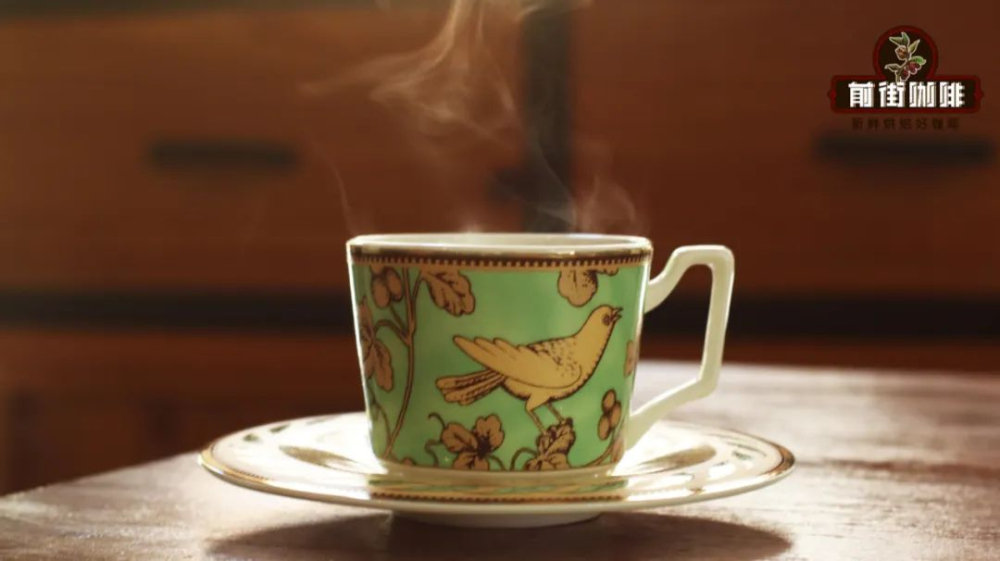
What you perceive once coffee is in your mouth — whether it leans sour or sweet — comes from these water-soluble flavor compounds.
Incidentally, a small group of substances is water-soluble only, perceptible purely through taste — bitter and salty, for example, the dreaded flavors of over-extraction. You can't smell them, which is exactly why the only way to judge a cup is to actually drink it.
3. Different Experiences from Flavor Combinations
Sour, sweet, bitter, salty, and umami are the five basic tastes. In coffee, sour, sweet, bitter, and salty are the most common, and they blend and balance one another. When one taste dominates, it can suppress or amplify the others, reshaping the whole tasting experience.
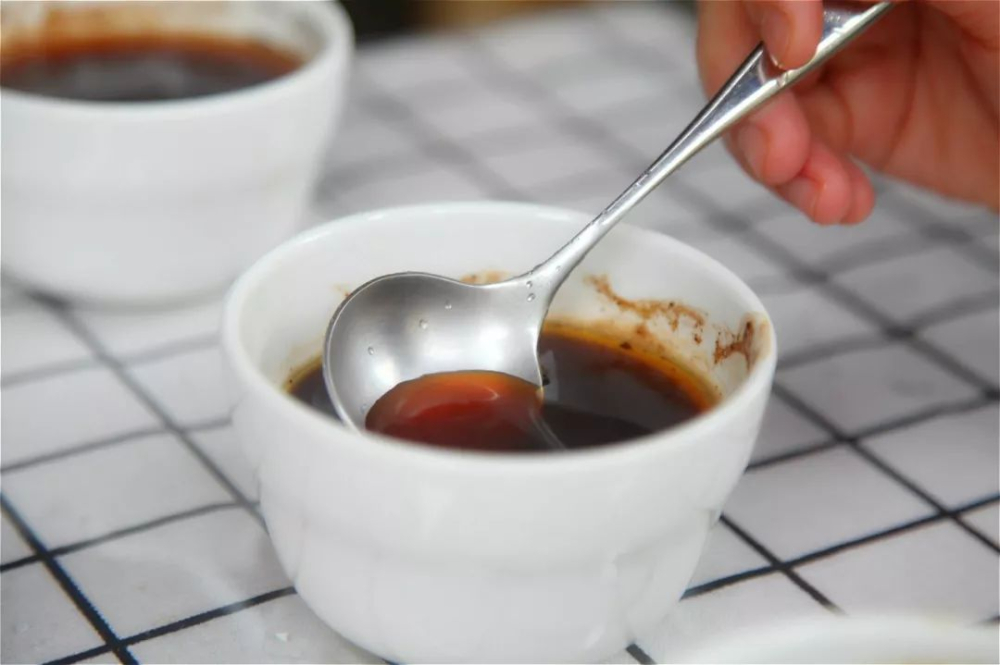
Take the sour-sweet balance in Guodingding: when the brewed sour components sit below the sweet ones, you taste a refreshing lemon green tea. Push the acidity past the sweetness, and it becomes a full-bodied, juice-like sensation.
Coffee starts with over 300 aromatic compounds in the green bean. Roasting's chemical reactions push that number past 1,000. Experiencing these aromas as they combine through orthonasal and retronasal olfaction is one of the great pleasures of drinking coffee.

FrontStreet Coffee Recommendation
If florals are what you're chasing, FrontStreet Coffee's Yirgacheffe Chelbesa (Guodingding) is the classic starting point — jasmine-like white florals, bright citrus acidity, honeyed sweetness, and a green-tea finish. The natural-processed Huakui adds silky orange-blossom lift over cream-strawberry and juicy tropical guava and mango notes.
For something more layered, the FrontStreet Strawberry Candy Geisha blend marries honey-processed Costa Rica with washed Panama Geisha, combining raisin, orange, and ripe blueberry aromas with a rose-like depth and a whisper of almond. And the Boquete Geisha, grown in Panama's storied volcanic highlands, pours out coffee-flower fragrance with citrus, sweet melon, honey, and caramel — equally at home in a pour-over, cold brew, or clever dripper.
Important Notice :
FrontStreet Coffee is a long-established specialty coffee roaster in Guangzhou China, selling freshly roasted beans from its own farm in Yunnan as well as dozens of carefully selected single-origin beans from around the world for both pour-over and espresso. The products deliver consistently excellent quality and great value, with shipping within 24 hours. Guangzhou's FrontStreet Coffee shop is recommended by many coffee lovers, and the beans are now available online at the Tmall 。
FrontStreet Coffee has moved to a new address:
FrontStreet Coffee Address: 315,Donghua East Road,GuangZhou
Tel:020 38364473
 Scan and follow the En Gafei WeChat official account. Please indicate that the reprint comes from "En Gafei".

