Espresso Channeling and Extraction Gushing: What to Do
Normally, when you pull an espresso, the flow starts slow and speeds up. FrontStreet Coffee has noticed that some friends run into the opposite: after pressing the button, the coffee liquid gushes out violently, then immediately slows, the stream gradually thinning to a trickle - a completely inverted flow pattern. Why does this happen?
The Extraction Principle of Espresso
An espresso machine is essentially like a pressure cooker. It uses high-temperature hot water and pressure to extract extremely finely ground coffee rapidly, producing a concentrated coffee with rich crema. When we see the fast-then-slow flow described above, we will most likely end up with an espresso whose extraction rate is off and whose flavor is mediocre. So we need to identify the causes and correct them in time.

What Factors Cause the "Fast Then Slow" Flow?
1. Exceeding the Portafilter's Standard Dose
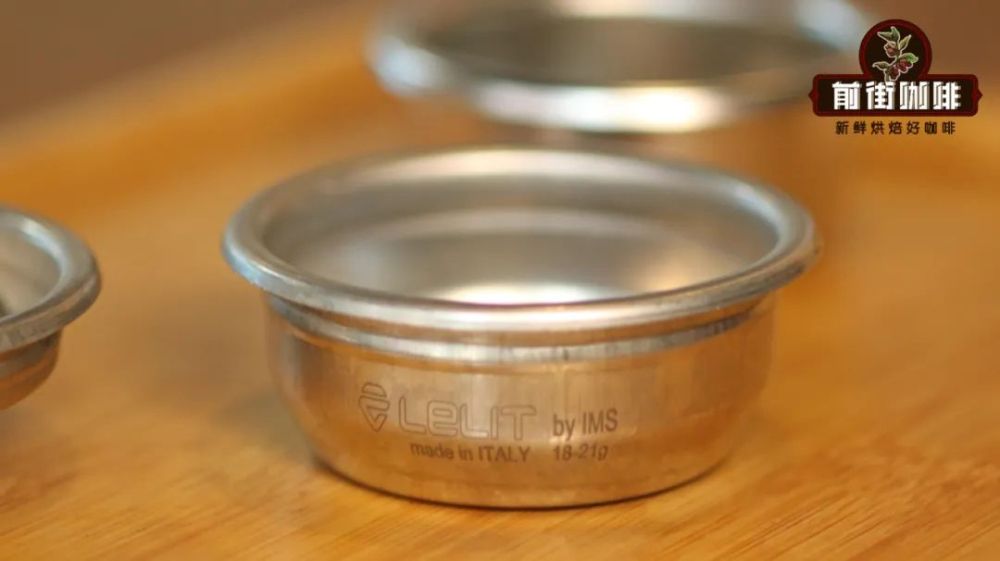
When you use more than the standard weight of coffee, the exhaust space reserved in the portafilter fills with grounds. The first rush of water can be forced out by pressure, but the liquid that follows slows because pressure inside the portafilter has risen. So when using a portafilter, it is best to aim for the median of its standard dose. For example, for the 18-21g shown in the picture, we should take 19-20g, leaving ample space for exhaust.
2. Uneven Tamping
Uneven distribution of the grounds, or an off-center tamp, causes channeling, letting hot water flow first through the areas of least resistance. Some grounds never get wet, while the grounds soaked first by the water expand rapidly and create resistance that blocks the channel.
The best fix is to use auxiliary tools such as a distributor to spread the grounds evenly across the basket when filling it. Make sure the dose is evenly distributed before tamping, and apply force evenly during the tamp.

3. Stability of the Pressure Pump
When your pressure setting is too high, roller-coaster extraction fluctuations become easy. Set the bar value to 15, for instance, and the puck takes 15bar at the start of extraction, so liquid gushes out violently before instantly dropping to around 9bar. For dark-roasted beans this easily extracts unwanted compounds.
We can solve this by adjusting pressure. One option is to reduce the setting to a level suited to the beans: for darker roasts, 9-10bar works, while lighter roasts can be set one notch higher. Alternatively, if conditions allow, we can use pre-infusion. Appropriate pressure adjustment brings out just the right aromatics.

4. Coffee Beans Not Fresh Enough
For coffee stored more than two weeks past the roast date, the carbon dioxide and volatile aromatics in the beans have gradually escaped, leaving only a small amount of flavor inside. Without gas to obstruct it, water passes easily through the puck at the start. As the puck absorbs hot water and resistance rises, the flow slows.
So FrontStreet Coffee recommends using beans as fresh as possible. If you keep a large stock, you can seal the exhaust valve with a sticker to reduce the gas-release breathing.

- END -
FrontStreet Coffee
No. 10, Bao'an Qianjie, Yandun Road, Dongshankou, Yuexiu District, Guangzhou, Guangdong Province
FrontStreet Coffee Recommendation
Fixing channeling is about the puck; fixing the cup is about the bean. Espresso beans come in two broad types: the blends most cafes reach for first, and single origins chosen to taste, also known as SOE.
For the traditional Americano and latte styles, go with FrontStreet Signature Blend or FrontStreet Commercial Blend. Both build on an old-school Italian recipe with a small amount of Robusta added, so extraction yields butter, nut, spice, dark chocolate and toast aromas - a wild, thick body together with the golden crema that makes latte art easy.
Many people are especially fond of espresso with almond, walnut and almond-nut aromas; for them, FrontStreet Signature Blend and FrontStreet Black Cocoa Blend come first, because both contain a large proportion of Brazilian beans, giving a comfortable bittersweetness and creamy peanut aroma with an exceptionally smooth entry. FrontStreet Signature Blend adds the nut, chocolate and caramel notes and gentle acidity of Colombian coffee, while FrontStreet Black Cocoa Blend brings the ripe-plum acidity of Yunnan small-lot, releasing a creamy chocolate aroma when ground, with a balanced, highly adaptable cup that works for latte and Americano as well as all kinds of specialty drinks - the best partner for a shop.
Compared with the blends, SOE emphasizes origin flavor. Single origins trace back to an estate or even a single farmer, which also encourages better growing practices and higher quality. FrontStreet Sun-Dried Flower Queen SOE is a standout: it shines for its cream strawberry flavor, a gift of terroir and sun-drying. Grown in Guji Hambella, Ethiopia, at altitudes up to 2,300 meters, it gives the cherries ample growing time to develop complex aromas, and natural processing lifts the sweetness. Roasted medium, it preserves the elegant floral and fruity notes while caramelizing gently, so a Flower Queen SOE Americano or latte carries cream, cocoa, berry, light floral and black tea. For those who prefer a sweeter SOE over a sour one, FrontStreet Costa Rica Blackberry SOE - a honey-processed single origin - offers blackberry aroma and clean sweetness; medium-roasted, it makes a bright, refreshing Americano and, with milk, a latte with cranberry cookie, raisin and nut notes. And for a low-acid, mellow, affordable option, FrontStreet Brazil Queen's Estate SOE is a Yellow Bourbon with a quiet sweetness; roasted medium-dark and pulled on an espresso machine, it shows butter cookie, macadamia and toast creaminess.
Important Notice :
FrontStreet Coffee is a long-established specialty coffee roaster in Guangzhou China, selling freshly roasted beans from its own farm in Yunnan as well as dozens of carefully selected single-origin beans from around the world for both pour-over and espresso. The products deliver consistently excellent quality and great value, with shipping within 24 hours. Guangzhou's FrontStreet Coffee shop is recommended by many coffee lovers, and the beans are now available online at the Tmall 。
FrontStreet Coffee has moved to a new address:
FrontStreet Coffee Address: 315,Donghua East Road,GuangZhou
Tel:020 38364473
 Scan and follow the En Gafei WeChat official account. Please indicate that the reprint comes from "En Gafei".