
What is Milk-Extracted Coffee? How to Make Cold Brew Coffee with Milk?

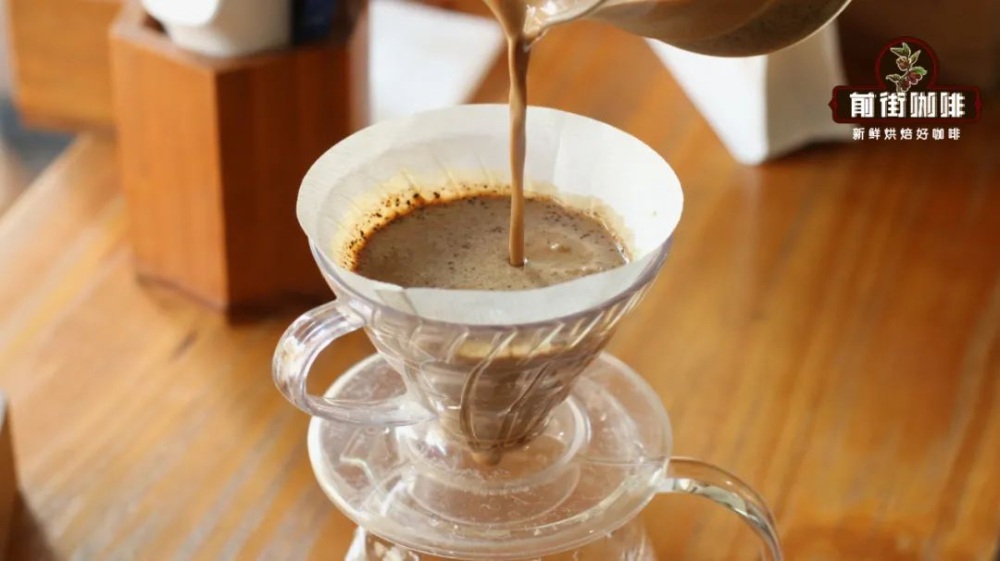
While browsing the internet recently, FrontStreet Coffee stumbled across a preparation method called "milk brew," which some have dubbed "a gospel for cold brew milk coffee lovers." Today, we're recreating it together.
What is Milk Brew Coffee?
As the name suggests, milk brew simply replaces the water in cold brew coffee with fresh milk. In a low-temperature environment, the coffee's flavor compounds extract over several hours, and after filtering, you're left with a ready-made milk coffee. Because the entire extraction happens cold, bitter, astringent, and off-flavors have little chance to come out. And since the bland, colorless solvent - water - is swapped for rich, smooth milk, the finished coffee pairs the aroma released by the grounds with a texture like chocolate milk, while still carrying the aromatic character of the beans you chose.
Which Coffee Beans and Milk to Choose?
Unlike regular cold brew, milk brew brings milk into play as an element you can't ignore. If you use light-roasted beans with refreshing, delicate profiles, the coffee aromas will likely be buried under the milk, leaving a thin mouthfeel - closer to milk with a hint of fruit acidity than coffee.
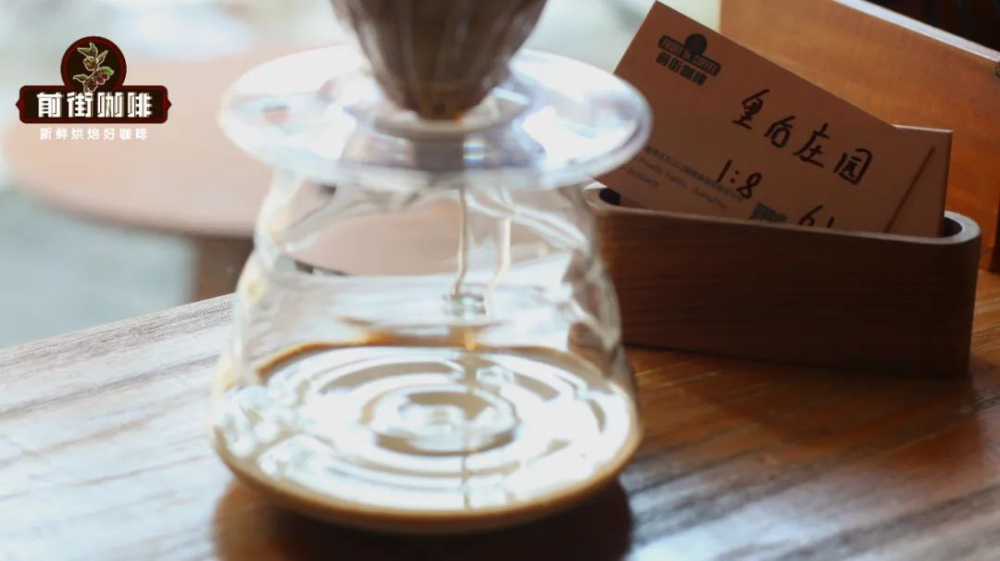
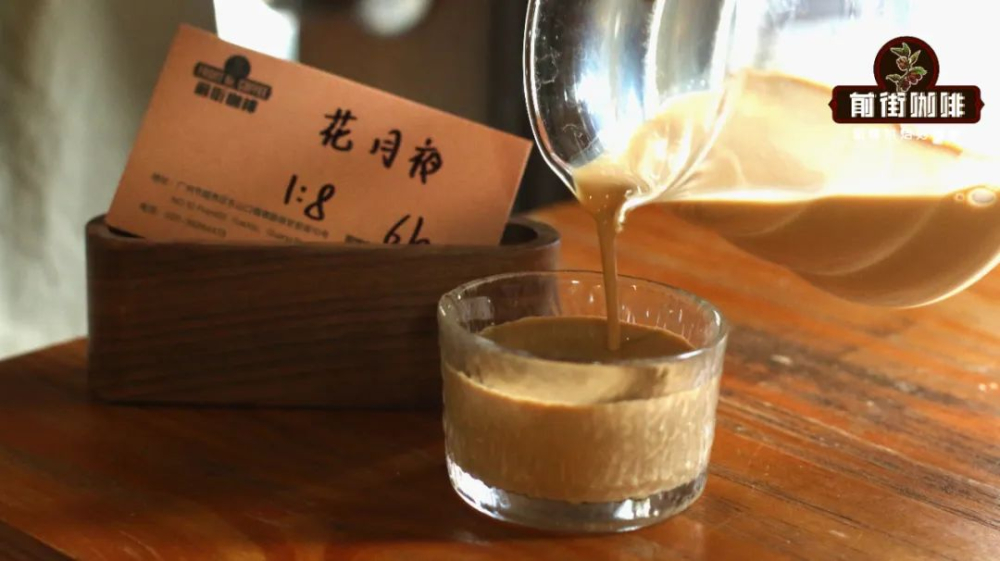
For bean selection, FrontStreet Coffee suggests medium roast or darker beans with flavor notes like chocolate, hazelnut, caramel, and cream, or beans with fermentation and wine-like aromatics. For this demonstration we used a medium-dark roast Brazil Queen Estate and an anaerobic natural medium roast Colombia Flower Moon Night - one tasting like hazelnut cream dark chocolate, the other like nutty dried cranberry milk chocolate.
How Fine Should the Coffee Be Ground?
For cold brew milk coffee, FrontStreet Coffee finds fresh milk the better choice - it has higher lactose and milk fat content, which makes the coffee texture smoother and fuller. Here we used Guangming Fresh Ranch. (We also tried OATLY oat milk for milk brew coffee, but the texture was rather jarring.)
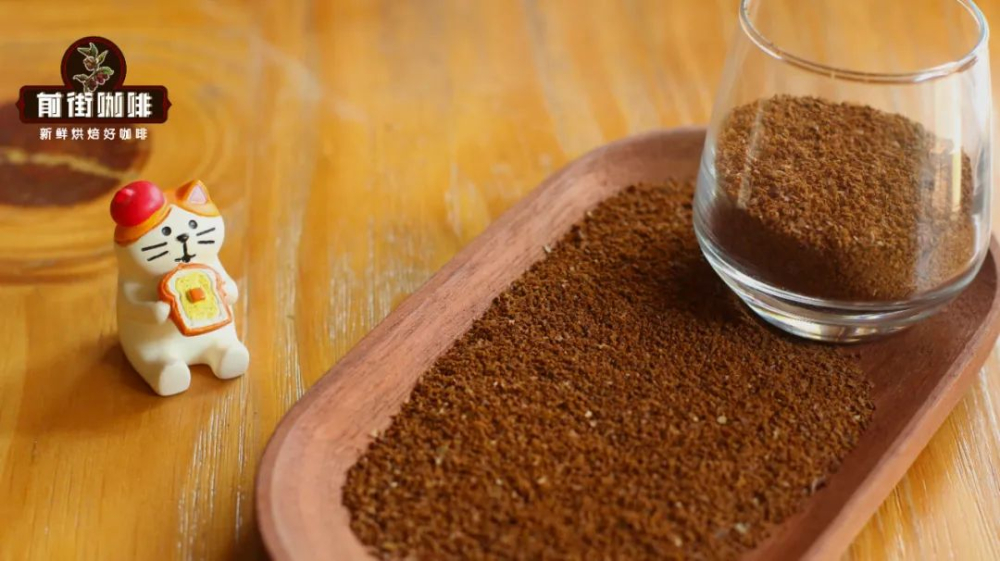
On our first attempt, we used the same grind as for regular cold brew (80-85% passing through a #20 sieve). The filtered milk coffee was certainly aromatic, but the bitterness ran high and left an uncomfortable residue on the palate. So we coarsened the grind toward hot pour-over specs (75-80% passing through a #20 sieve), which brought the bitterness down. For maximum aroma, grind the beans fresh right before extraction - that preserves the aromatic compounds best.
What's the Appropriate Coffee Bean to Milk Ratio?
To find the best ratio, FrontStreet Coffee used Paradise Bird as the test bean, keeping the grind constant (EK43s setting 10.5) and comparing three standards: 1:8, 1:10, and 1:12. Each batch used 25g of grounds, meaning we added 200g, 250g, and 300g of iced fresh milk respectively.
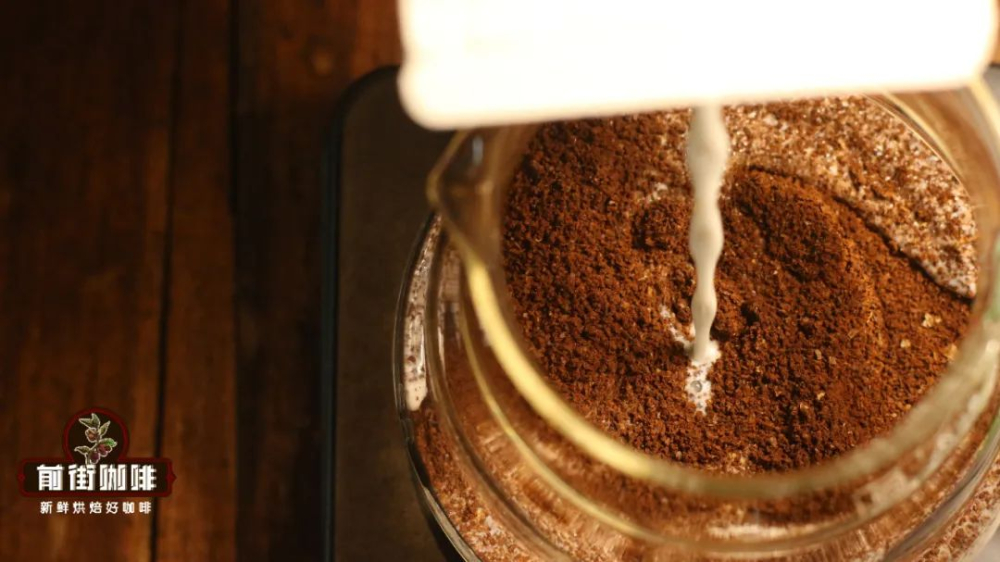
After tasting all three, we found the 1:10-1:12 ratios gave moderate concentration where coffee and milk complemented each other perfectly - like an iced latte without the ice. The 1:8 ratio produced the darkest color and the most robust coffee flavor and milk taste; drunk straight it resembles a latte made with condensed milk, and it's best served over ice.
Direct Steeping or Bag-separated Extraction? How Long to Steep?
The steeping method comes down to whatever tools you have - in other words, whatever's most convenient. If you own both a cold brew pot and tea bags, wrap the grounds in a bag and simply discard it after steeping; the operation is much easier. But because the grounds are separated, they don't fully contact the milk, so you'll need to steep for more than 10 hours to "release the flavor," stirring the bag occasionally to improve extraction efficiency.
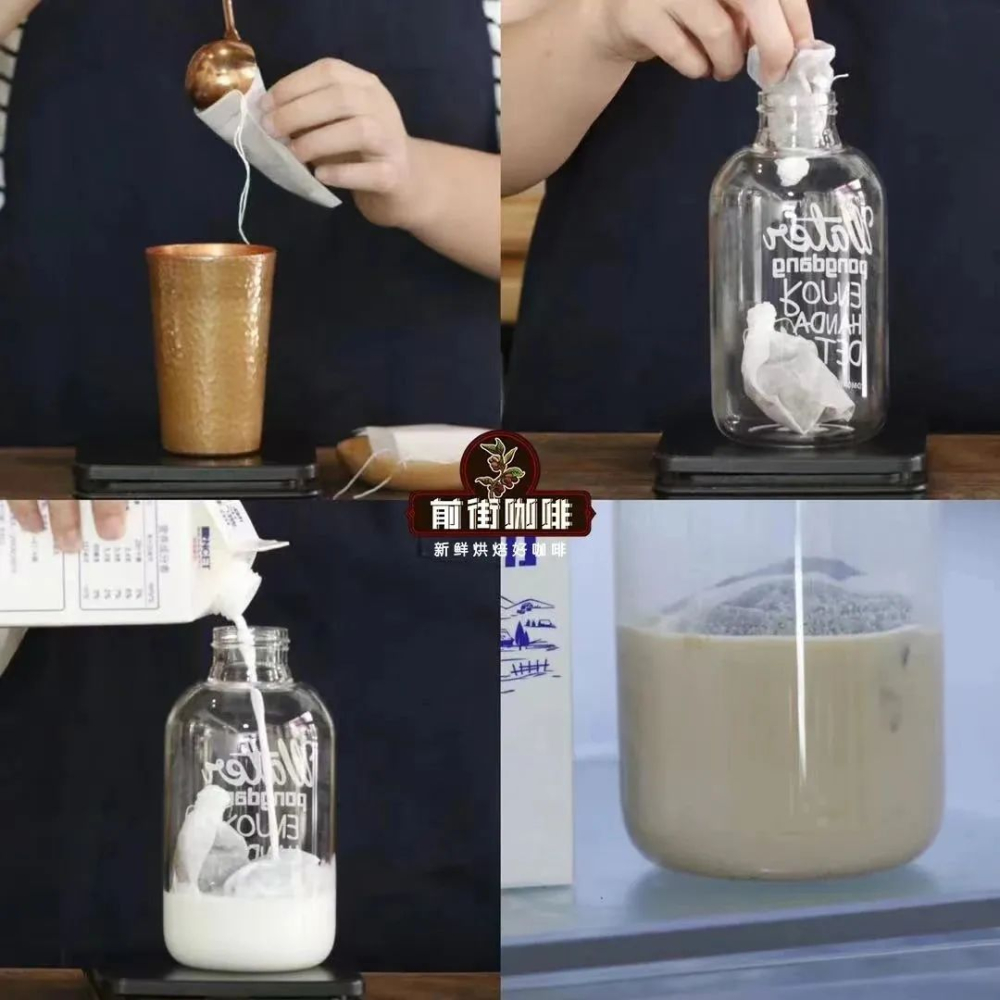
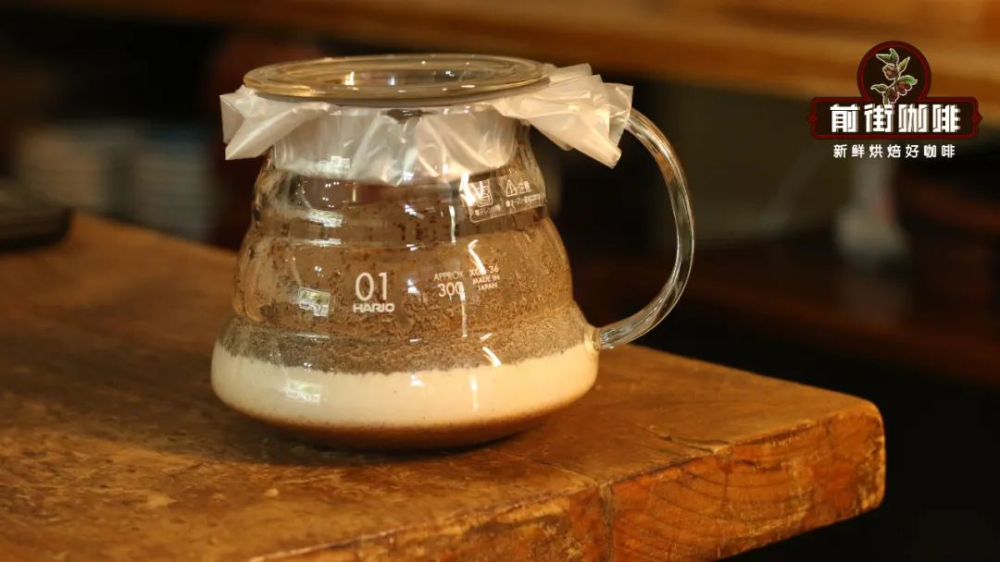
If, like FrontStreet Coffee, you have a pot, dripper, and filter paper but no filter bags, take the simplest route: steep the grounds directly in the fresh milk, then filter them out through the paper when done. Direct steeping lets the soluble substances dissolve into the milk more completely, so only 5-6 hours are needed. The main drawback is that filtering takes quite a while.
Drink the Coffee Immediately or Refrigerate It?
FrontStreet Coffee first tasted the freshly filtered Queen Estate cold brew milk coffee. It poured a rich milk-tea color with hazelnut and roasted peanut aromas - fragrant, full, and silky. After sitting overnight, however, the texture stayed similar while the aroma faded noticeably. Since milk is highly perishable, FrontStreet Coffee recommends drinking your milk brew the same day it's made to avoid any gastrointestinal unpleasantness.
FrontStreet Coffee Recommendation
Cold brew - with or without milk - plays to certain beans. FrontStreet Coffee's Strawberry Sugar Gesha Blend pairs Panama Gesha with Costa Rica honey-processed coffee: one brings rose and orange notes, the other grape, dried blueberry, and strawberry-candy sweetness. Cold brewed, it's sweet, tangy, and lively; left to ferment slightly, it even takes on a fruit-wine character that makes it a natural partner for milk brew.
If you want your iced coffee full of juice, reach for FrontStreet Coffee's Kenya Little Tomato: cherry tomato, snow pear, black plum, and dark plum acidity shine under low-temperature extraction, with low bitterness and a lingering finish after ice. Meanwhile the sun-dried Ethiopia Huakui, with magnolia, cream strawberry, dried mango, guava, and black tea notes, proves just how floral cold brew can get.
Important Notice :
FrontStreet Coffee is a long-established specialty coffee roaster in Guangzhou China, selling freshly roasted beans from its own farm in Yunnan as well as dozens of carefully selected single-origin beans from around the world for both pour-over and espresso. The products deliver consistently excellent quality and great value, with shipping within 24 hours. Guangzhou's FrontStreet Coffee shop is recommended by many coffee lovers, and the beans are now available online at the Tmall 。
FrontStreet Coffee has moved to a new address:
FrontStreet Coffee Address: 315,Donghua East Road,GuangZhou
Tel:020 38364473
 Scan and follow the En Gafei WeChat official account. Please indicate that the reprint comes from "En Gafei".

