What is the Sweetness in Coffee, What Does Coffee's Sweet Sensation Mean, and How Do Extracted Compounds Affect It
Understanding Sweetness in Coffee
At an unfamiliar coffee shop, many of us don't order a specific drink — we just tell the barista our preferences and hope for a recommendation. Plenty of people ask for "something sweet," then blink in confusion when the barista serves a dark, "bitter coffee" and insists it's wonderfully sweet.
Hold on... where's the sweetness? I can't taste any. Did the barista get the order wrong?

The "Sweetness" Baristas Refer To
When a barista sips a black coffee and exclaims, "Wow, this is so sweet!", that "sweet" carries two meanings: one is the coffee's actual sweetness level, and the other is its pleasant sweet perception.
Like the sugar content of fruit, the sweetness of coffee cherries is shaped mainly by variety, cultivation, altitude, and ripeness at harvest — fully red cherries, for instance, develop more sweetness than unripe ones. Processing method and roast degree then determine how much sweet material survives into the bean and how far sugars caramelize; honey-processed and natural-processed coffees, for example, are more likely to show sweet flavors.
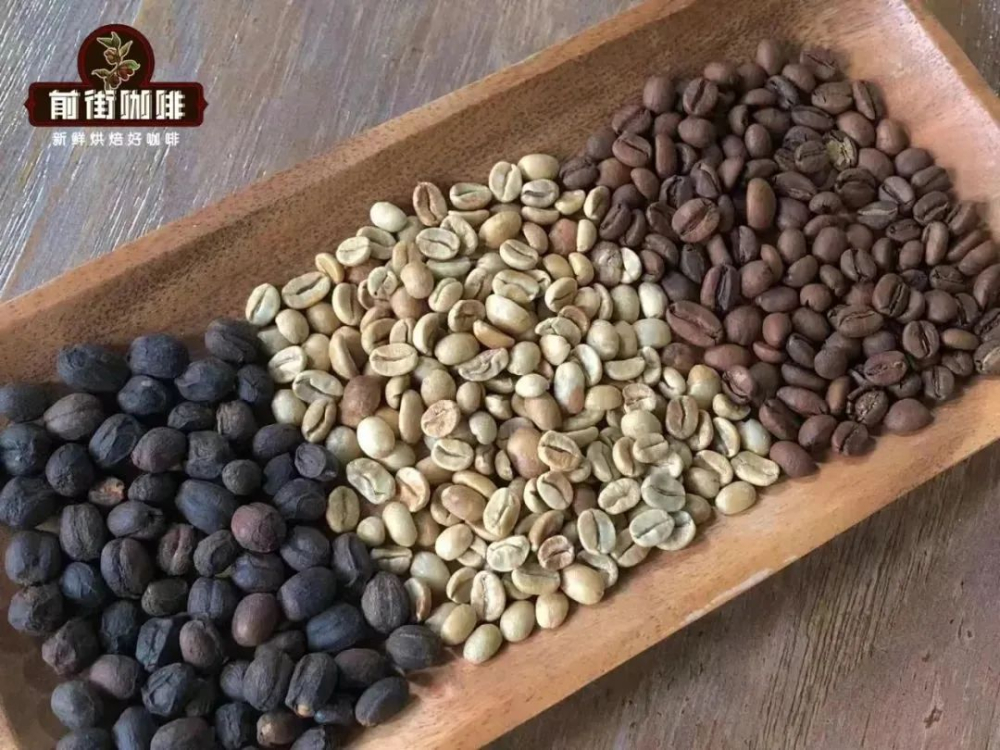
Sweetness level in a bag of roasted beans is roughly an objective, fixed value. Sweetness perception, though, is a flavor description combining taste and smell, and it depends on extraction method, technique, and the taster's sensory acuity. When FrontStreet Coffee drinks natural-processed red-label Geisha, they find an obvious cantaloupe-like fruit sweetness; washed Yirgacheffe shows a honeyed sweetness with floral character; and Paradise Bird delivers a clear sugarcane sweetness.
Low Bitterness, High Sweetness
Beginners often miss the sweetness baristas rave about, largely because "sweet" sounds nothing like the bitter coffee they're used to. If you also assume coffee is always bitter, why not start with a low-bitterness, high-sweetness bean to ease yourself in.
Sweetness never exists in isolation — we perceive it mainly through the balance between bitterness and acidity. Light-to-medium roasts naturally carry fewer bitter compounds, and when fruit acids extract properly, the cup shows a sweet-sour profile built on high acidity and low bitterness, reminiscent of fruit. FrontStreet Coffee experienced exactly that in the light-roasted Hartmann Geisha: low bitterness, medium acidity, high sweetness.
Sweetness After Bitterness
Bitterness is the most sensitive of all our tastes — widely read as unpleasant and the easiest to detect. Sweetness, which most people crave, is actually the hardest to perceive. Our sensitivity to the four basic tastes ranks: bitterness > sourness > saltiness > sweetness.
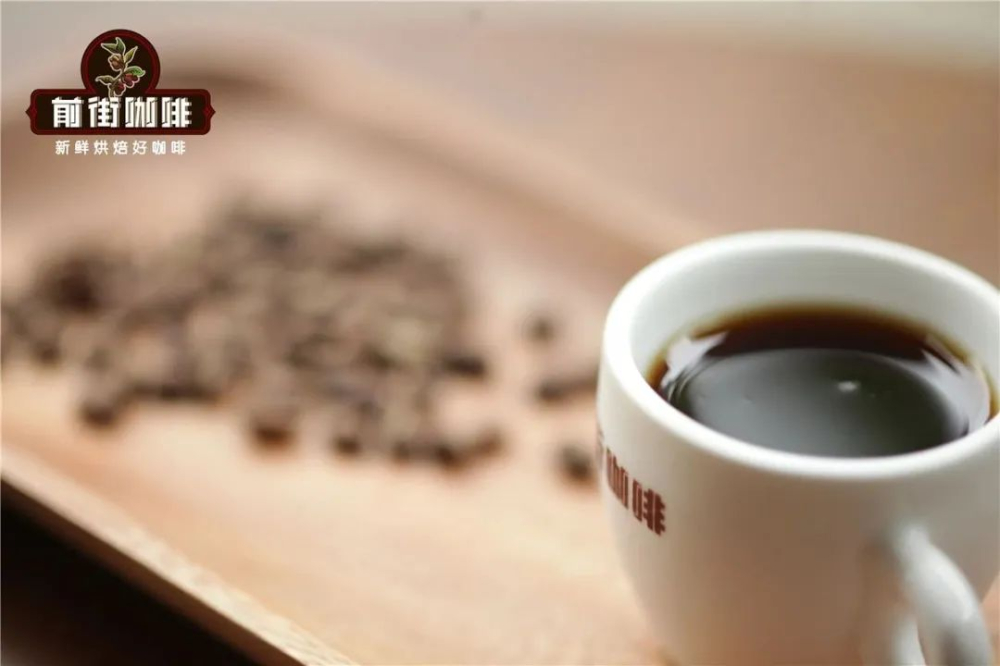
When bitterness and sweetness coexist in a cup, we register the bitterness first, then notice a sweetness lingering at the back of the tongue after swallowing. This pleasant sweetness hidden in a "bitter" coffee is what people call "aftertaste" or "the sweetness that follows bitterness," and it's most common in medium-to-dark roasts. Blue Mountain No. 1 and Golden Mandheling are classic examples of that finish.
Aroma Creates the "Illusion of Sweetness" on the Tongue
Beyond taste, we also perceive sweetness through smell. Olfaction works in two stages: orthonasal (smelling through the nose) and retronasal (smelling through the mouth). Orthonasal smell is what you get by inhaling directly — how we experience coffee's dry and wet aromas.
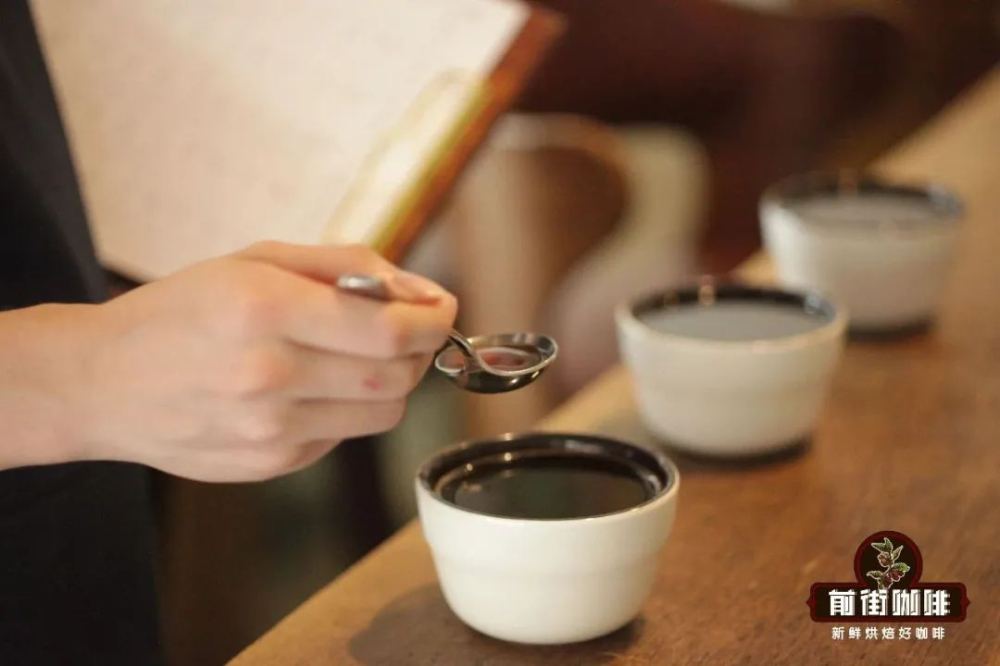
Once coffee enters the mouth, the taste buds first judge the intensity of sweet, sour, bitter, and salty. Then, as we swallow, aromatic compounds rise into the nasal cavity, and the brain merges the tasted flavors with those aromas, summoning the flavor of specific foods from memory. That's retronasal olfaction.
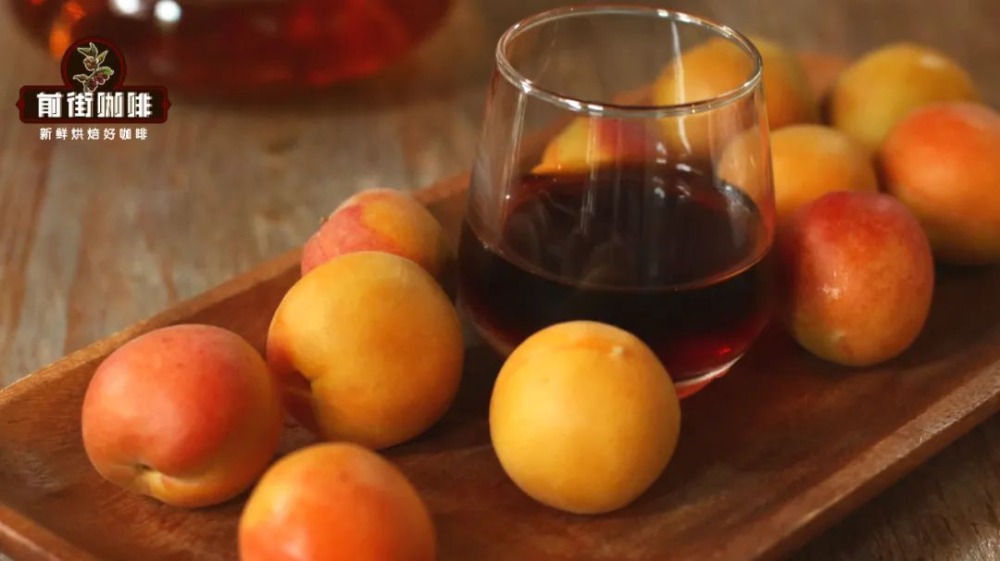
When those retronasal aromas remind us of very sweet foods, we subconsciously judge the coffee as highly sweet. Tasting Dorothy, FrontStreet Coffee was reminded of biting into ripe apricot flesh and perceived the cup as having the refreshing sweetness of peaches.
Still Not Sweet Enough? Then Add Sugar
Everyone's eating habits differ, so our sensitivity to sweet, sour, bitter, and salty naturally varies — even from the same pot, one person tastes mostly bitterness and another mostly sweetness. If you'd rather not be served what you consider "bitter coffee," try being more specific when ordering: fruity sweetness, the mellow sweetness of dark roasts, aromatic sweetness, or sweetness from added sugar...

If you genuinely want to sharpen your ability to perceive coffee sweetness and talk "the same sweetness" with baristas, keep tasting beans of different styles so your brain builds a library of sweet profiles — and compare notes with friends who drink coffee regularly.

FrontStreet Coffee Recommendation
Geisha is the go-to family for sweetness with elegance. Panama made the variety famous when Esmeralda's entry stunned judges at the Best of Panama competition with an average cupping score of 94.6, a record at the time. FrontStreet Coffee's Esmeralda Red-Label Geisha (officially "Esmeralda Special," grown at 1,600–1,800 meters and cupping above 90 points per single-plot lot) shows the classic orange-blossom honey character with juicy fruit acidity and a tea-like finish; the more affordable Green-Label ("Private Collection") blends multiple high-altitude lots for the estate's signature Geisha profile at excellent value.
For an easier entry, the Boquete Geisha delivers that same orange-honey sweetness with oolong-tea nuance and delicate fruit at a friendlier price, and the Ethiopia-side Granana Estate Geisha (natural process, 14–20 days on raised beds, medium-light roast) adds bright citrus, elegant ginger-flower aroma, and ripe-fruit sweetness. Brewing tip for any of them: grind to about 78% pass through a #20 sieve (fine-granulated-sugar texture), use 91°C water, 15g coffee with a 1:16 ratio in a small Hario V60, three pours to 225g over roughly 2:10–2:20 total time — and if you'd rather go espresso, the medium-roasted Granana SOE pulls notes of dried apricot, caramel, and nuts.
Important Notice :
FrontStreet Coffee is a long-established specialty coffee roaster in Guangzhou China, selling freshly roasted beans from its own farm in Yunnan as well as dozens of carefully selected single-origin beans from around the world for both pour-over and espresso. The products deliver consistently excellent quality and great value, with shipping within 24 hours. Guangzhou's FrontStreet Coffee shop is recommended by many coffee lovers, and the beans are now available online at the Tmall 。
FrontStreet Coffee has moved to a new address:
FrontStreet Coffee Address: 315,Donghua East Road,GuangZhou
Tel:020 38364473
 Scan and follow the En Gafei WeChat official account. Please indicate that the reprint comes from "En Gafei".