
What is a Coffee Powder Bed, and How to Raise the Powder Bed in Pour-Over Coffee: Causes of Under-Extraction

FrontStreet Coffee's articles often mention "lifting the coffee bed," and readers frequently ask how to do it—and why it's necessary at all.

Why Lift the Coffee Bed?
Toward the end of a brew, you may run into this: the grounds pile up heavily in the center of the dripper, sinking to the bottom and "waterlogging" the brew. Coffee brewed under those conditions tends to lose its bright floral and fruit aromas and taste flat and hollow—neither properly sour nor sweet.
To fix this end-stage blockage, besides adjusting the particle size (coarsening the grind, or sifting out some fines), you can also use your water flow to lift the coffee bed—spreading the grounds into a thin, even layer along the dripper walls so water can flow more freely in the later stages.
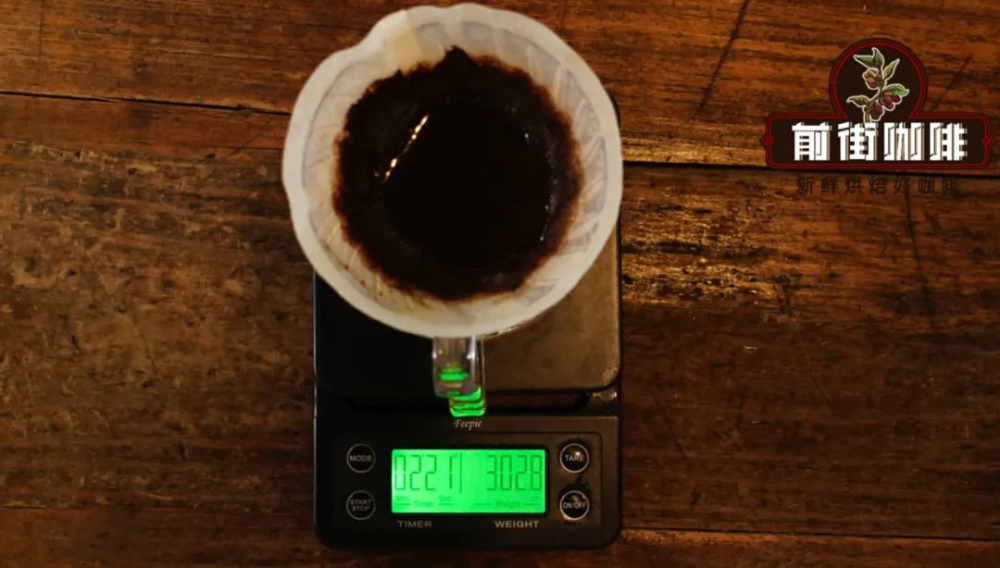
From first principles, pour-over exists to extract the coffee's flavors fully and evenly. The real question is how to use your water flow to shape the bed into the form that best serves extraction. Evenly distributing the grounds along the dripper walls from the very start—so they never pile up and seal the bottom—is the safest approach for beginners.
How to Lift the Bed, and What It Changes
If you run into the situation above, change your technique. The most critical moment comes shortly after the bloom. The bloom uses water and time to wet all the grounds at a 1:2 ratio, and during that stage only a little liquid drips into the server. The first pour after the bloom both kicks off real extraction and transforms the post-bloom "hamburger" of grounds into the U-shaped bowl we want—grounds evenly distributed along the dripper's walls.
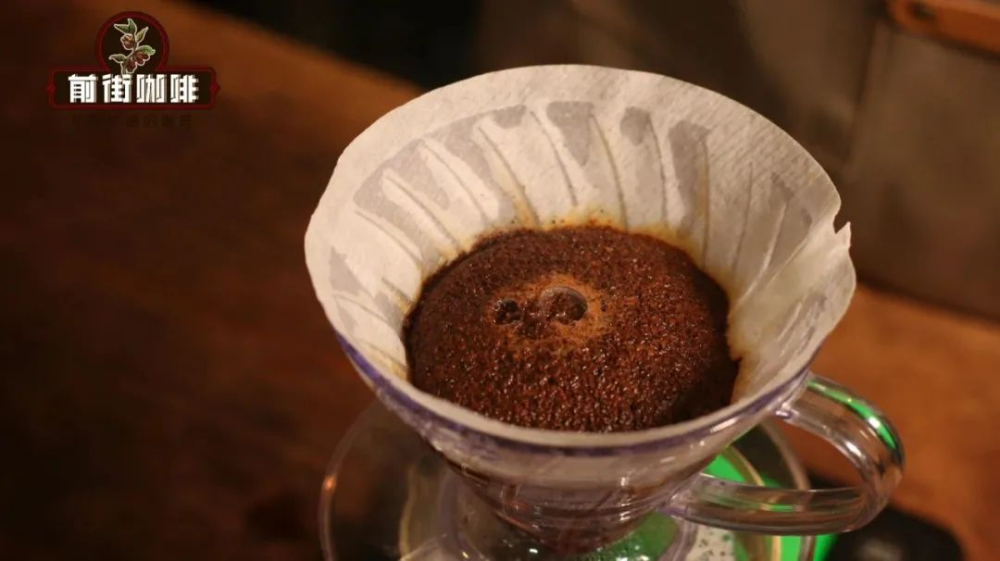
The key is to pour with a penetrating flow—say, a fine, steady stream from slightly higher, aimed at the center. At that moment the filter can't drain as fast as you pour, so the water level rises instantly, and the impact of the water tumbles the grounds, pushing them from the center outward—spreading them open—so the bowl shape forms naturally.
As the U-shaped bowl takes shape, pouring from the center out toward the circular walls enlarges the hollow center while the contact area of the coffee bed slowly grows with it.
This "bowl" of grounds keeps holding the fresh water you pour in. Whatever the pouring direction, the water must pass through the spread-out coffee layer—instead of escaping down the V60's drainage channels after the bottom clogs with accumulated grounds. Extraction naturally becomes more complete. That's what we mean by "lifting the coffee bed."
- END -
FrontStreet Coffee

FrontStreet Coffee Recommendation
The V60 rewards beans with delicate floral and fruit character—these are our go-to picks for brewing one:
FrontStreet Yirgacheffe Chelbesa (Guodingding) — the first stop for many coffee lovers entering specialty pour-over: vivid citrus, berries and florals with a green-tea-like sweetness. Its acidity is gentle and bright, like fruit itself rather than harsh sourness—very approachable for newcomers.
FrontStreet Ethiopia Huakui — tropical fruit aromatics off the charts: strawberry, passion fruit, jackfruit, even lychee. Noticeably sweet with almost no bitterness and a juicy mouthfeel—often described as "the least coffee-tasting coffee." Perfect for anyone wary of traditional coffee bitterness.
FrontStreet Panama Esmeralda Red Label Geisha — the legend of the specialty world: elegant jasmine florals with citrus, bergamot and black-tea nuance. Clean and transparent in the cup with a long sweet finish. Pricier than most specialty lots, but still one of the ultimate experiences coffee lovers chase.
Important Notice :
FrontStreet Coffee is a long-established specialty coffee roaster in Guangzhou China, selling freshly roasted beans from its own farm in Yunnan as well as dozens of carefully selected single-origin beans from around the world for both pour-over and espresso. The products deliver consistently excellent quality and great value, with shipping within 24 hours. Guangzhou's FrontStreet Coffee shop is recommended by many coffee lovers, and the beans are now available online at the Tmall 。
FrontStreet Coffee has moved to a new address:
FrontStreet Coffee Address: 315,Donghua East Road,GuangZhou
Tel:020 38364473
 Scan and follow the En Gafei WeChat official account. Please indicate that the reprint comes from "En Gafei".

