
Pour-Over Coffee Brewing Water Injection, V60 Three-Stage Brewing, How to Segment

Water pouring in pour-over coffee is hardly a new topic, but many beginners still ask FrontStreet Coffee: if we follow the three-stage brewing method you teach, how should we control the water flow? Should we pour in large circles or small circles? And how do we decide when each pour should begin?
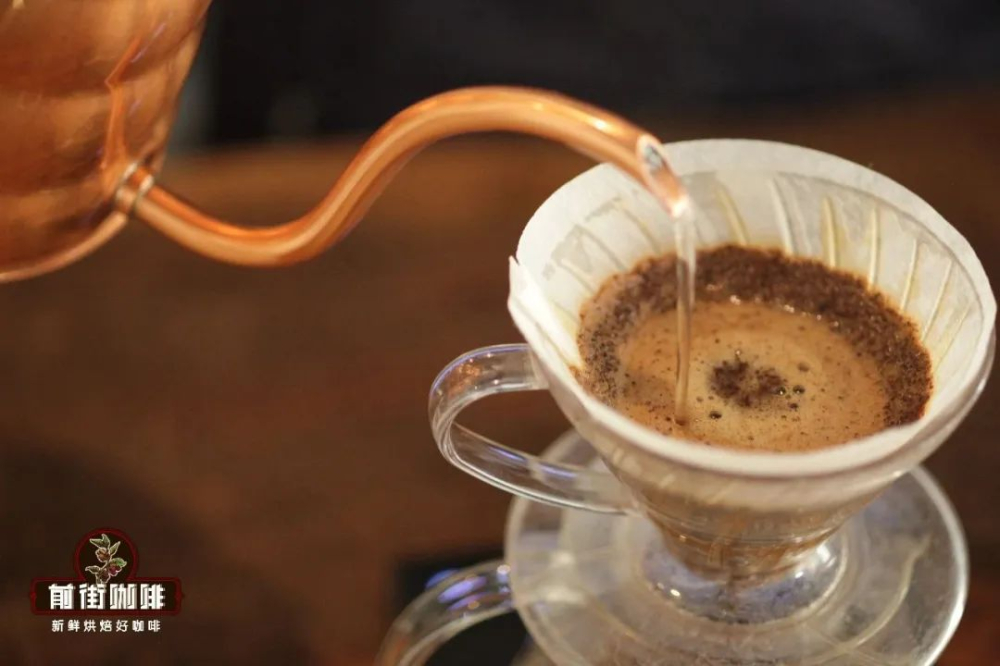
Understanding the Three-Stage Brewing Method
To help newcomers to pour-over, FrontStreet Coffee will use the typical conical V60 dripper as an example today and explain the three-stage brewing method in detail.
Why Use the Three-Stage Method?
First, we need to clarify why the brewing process is divided into three stages and what each stage is mainly extracting. Once that logic is clear, the pouring technique becomes far more intuitive.
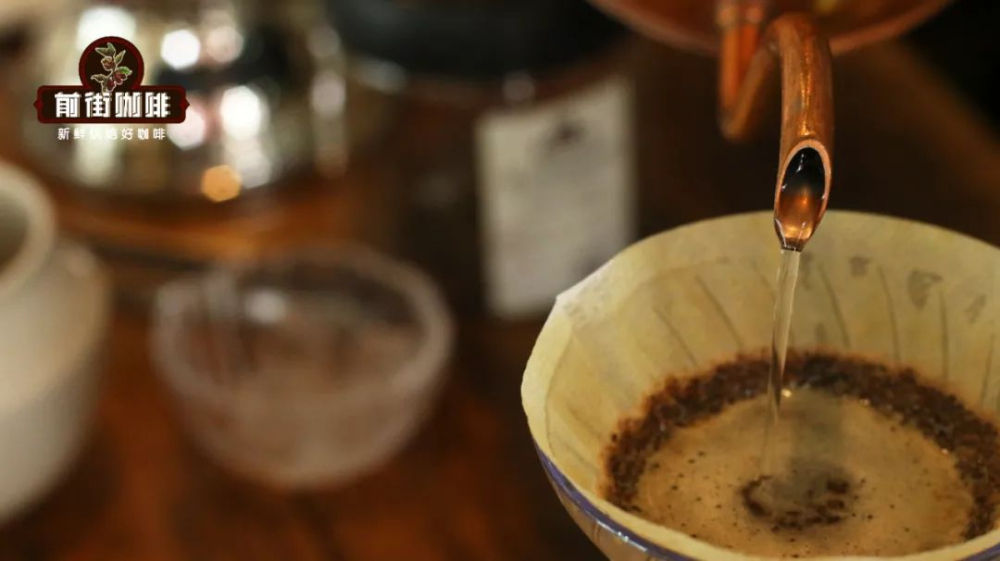
Throughout the pour-over process, different chemical components in coffee dissolve at different rates, and the flavor sequence released by hot water generally follows a sour–sweet–bitter pattern. With segmented pouring, aside from the blooming stage, the more segments you divide the same coffee-to-water ratio into, the less water each segment holds. That means more frequent stirring and rinsing of the coffee bed, which raises the extraction rate. Increasing the number of segments also extends the total extraction time, allowing more substances to be released at each stage and producing richer flavor layers.
The three-stage method helps flavor compounds dissolve more fully while avoiding the over-extraction that comes from prolonged steeping. For absolute beginners, dividing the total water into three stages is the most reliable approach.
First Stage: The Bloom
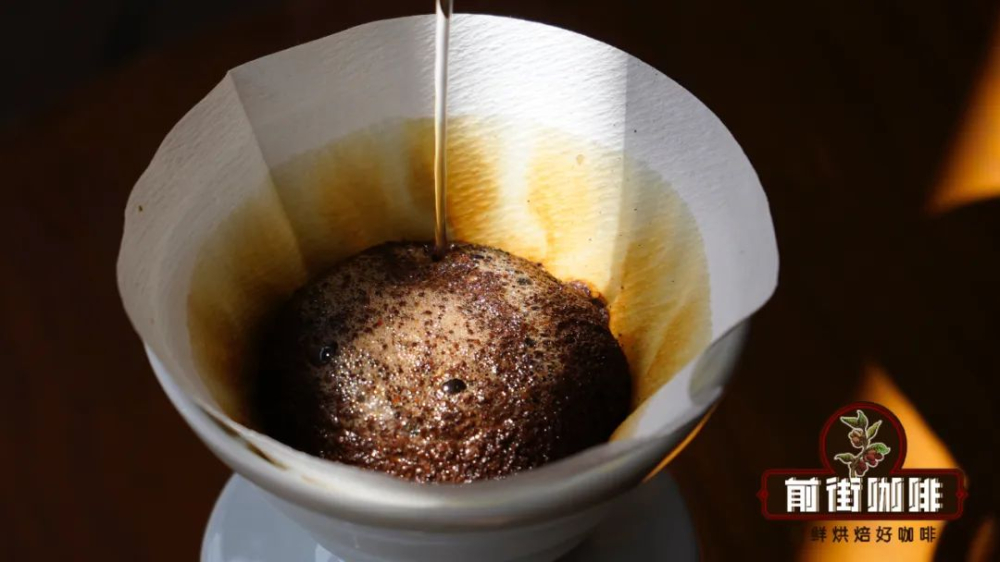
The first pour is the blooming stage. Its main goals are to saturate the coffee grounds evenly, help release carbon dioxide from the coffee, and prepare for the main extraction that follows. The most common blooming method is to pour twice the weight of the grounds in water and let it bloom for 30 seconds. When FrontStreet Coffee brews, for example, we use 15g of grounds with 30g of water for the bloom — the most manageable blooming formula for beginners.
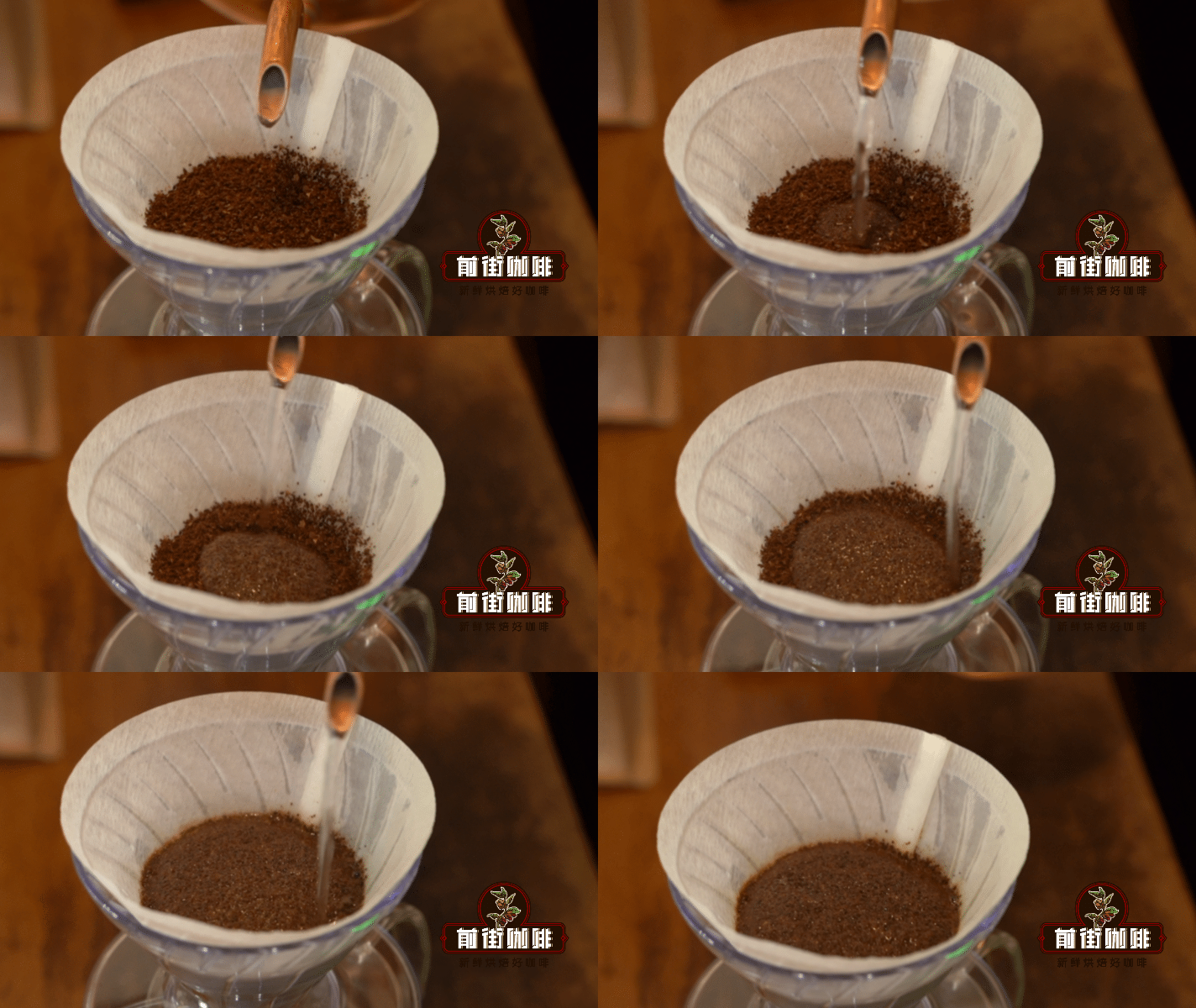
A conical dripper has a coffee bed that is narrow at the bottom and wide at the top, with the thickest layer near the center. This requires a water flow with enough penetration. When pouring, the stream should be vertical, thicker at the top and thinner at the bottom, with a certain height maintained between the stream and the coffee bed. Start from the center and work outward in circles until the whole bed is saturated. Make sure every ground is thoroughly wetted, or the bloom will not be effective.
Second Stage: Main Extraction
The second pour is the main stage for controlling the extraction of sour and sweet compounds. When the 30-second timer is up, begin the second stage with a slightly larger, steady stream of 95g of water. Move the flow in circles from the inside out, and as you approach the edge of the coffee bed, start circling back toward the center until the scale reads 125g in total, which should be reached around 55 seconds. (If you have trouble controlling the flow, slow down your circling and keep the stream as steady as possible.)
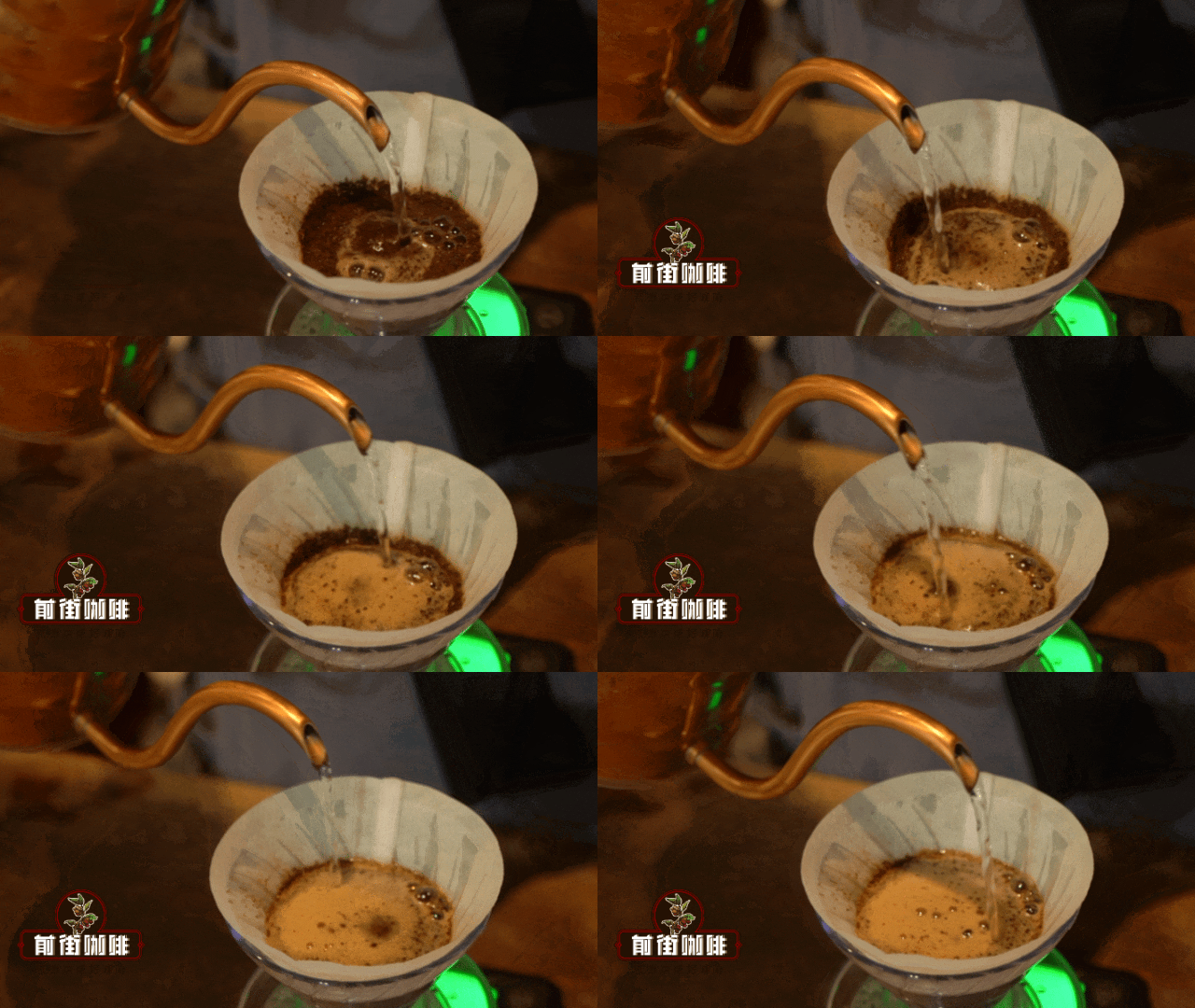
Compared with the blooming stage, the second pour is meant to raise the whole coffee bed, increasing the contact area between grounds and hot water and accelerating the release of flavor compounds. At this point the stream needs to be vertical, with a gentle but penetrating landing point — avoid splashing. A penetrating flow thoroughly agitates the bottom layer of grounds, while gentle pouring avoids intense localized agitation of coffee particles, which can cause uneven extraction.
Third Stage: Concentration Adjustment
The third pour mainly adjusts concentration to make the coffee flavor more balanced. When the water level drops to about halfway, around 1 minute 5 seconds to 1 minute 10 seconds, begin raising the kettle spout and use a small stream to pour the third stage of 100g in small circles, bringing the timer to 225g in total. Try to keep the water flow within the size of a one-yuan coin, and do not make the circles too large, as this easily disperses the coffee grounds and causes under-extraction.
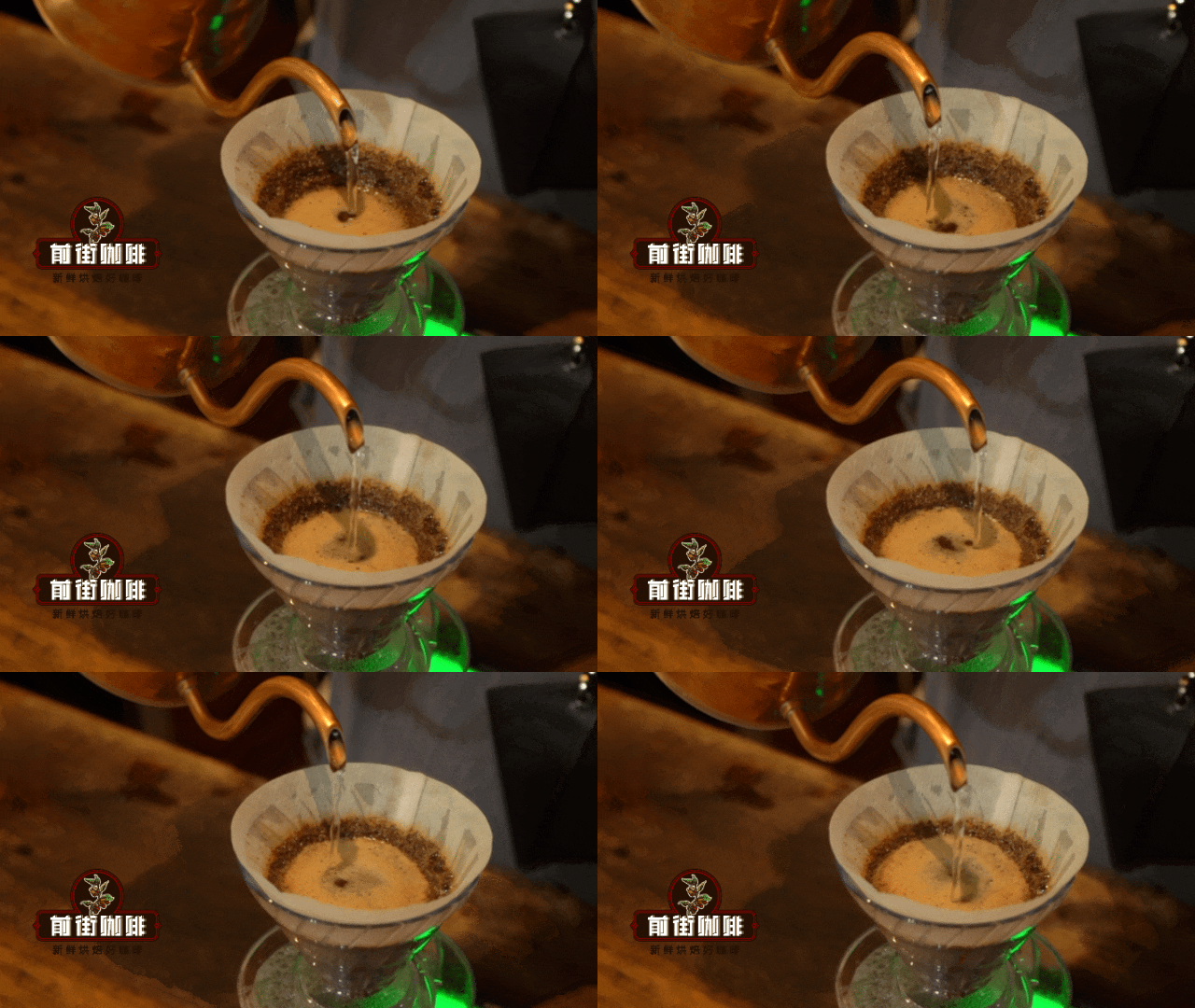
Since the sour and sweet compounds have been almost fully released in the previous stages, this stage is more about extracting the remaining large-molecule substances that enhance body, aftertaste, and finish. Raising the water level speeds up the flow, while small-circle pouring minimizes disturbance of the bed and reduces the release of bitter large-molecule compounds.
Conclusion and Advanced Tips
The conservative method FrontStreet Coffee explains here is mainly to help beginners quickly understand and master the significance of segmented extraction. In reality, the amount of water per stage is not fixed. Once your pouring becomes stable and controllable, you can make advanced adjustments based on your accumulated pour-over experience and your understanding of the beans. FrontStreet Coffee believes there are thousands of ways to brew a delicious cup. As long as we study and practice, mastering the various pour-over parameters is not difficult.
- END -

FrontStreet Coffee Recommendation
The V60's fast extraction and conical design make it especially good at drawing out the bright, layered flavors of light and light-to-medium roasted, floral and fruity beans. If you are new to pour-over, FrontStreet Yirgacheffe Gudingding is the classic first stop: it carries vivid citrus, berry, and floral notes with a green-tea-like sweetness, and its acidity is soft and bright rather than sharp. FrontStreet Ethiopia Huakui is another star of the specialty market, defined by an extremely pronounced tropical-fruit aroma — strawberry, passion fruit, jackfruit, even lychee — with obvious sweetness and very low bitterness.
For a brighter, more complex cup, FrontStreet Kenya Cherry Tomato is a washed Kenyan single origin from the Thika region, grown at 1,550–1,750 meters from the classic SL28 and SL34 varieties and processed with Kenya's signature 72-hour double washed fermentation. The dry aroma shows dried cherry tomato and florals, and the cup delivers cherry tomato and smoked plum acidity, sweet pear and black plum in the middle, and a long, clean finish of yellow sugar and green tea. If you want to explore Geisha character, FrontStreet Strawberry Candy offers it in a more approachable form, while FrontStreet Mozart brings out a distinctive raisin profile.
Not every good pour-over bean is light roasted, though. FrontStreet PWN Golden Mandheling is deep-roasted with very low acidity, a full and lingering body, and plenty of herbal and dark chocolate aroma with a faint earthy note — ideal for anyone who likes a heavier cup and dislikes sourness. FrontStreet Brazil Queen Estate is low in acidity and highly balanced, with concentrated nut and cocoa aromas and a clear caramel sweetness, suited to pour-over, espresso, or moka pot.
For balance above all, FrontStreet Jamaica Blue Mountain No. 1 avoids the intense fruit acidity of some African coffees and the heavy bitterness of dark roasts, striking an excellent balance among acidity, sweetness, bitterness, and aroma, with cream, caramel, chocolate, nut, honey, and light fruit notes. FrontStreet 2013 Yunnan Natural Typica is clean and layered, weaving citrus and caramel together with a touch of nut, chocolate, and brown sugar from its medium-dark roast, and FrontStreet Papua New Guinea Bird of Paradise — a Typica relative grown between 1,600 and 1,800 meters in volcanic soil and reaching AA grade with a triple washed fermentation — is a clean, purely sweet option often called a "little Blue Mountain."
Important Notice :
FrontStreet Coffee is a long-established specialty coffee roaster in Guangzhou China, selling freshly roasted beans from its own farm in Yunnan as well as dozens of carefully selected single-origin beans from around the world for both pour-over and espresso. The products deliver consistently excellent quality and great value, with shipping within 24 hours. Guangzhou's FrontStreet Coffee shop is recommended by many coffee lovers, and the beans are now available online at the Tmall 。
FrontStreet Coffee has moved to a new address:
FrontStreet Coffee Address: 315,Donghua East Road,GuangZhou
Tel:020 38364473
 Scan and follow the En Gafei WeChat official account. Please indicate that the reprint comes from "En Gafei".

