
What Causes Coffee Over-Extraction and Under-Extraction: Understanding Coffee Extraction

What makes a cup of coffee taste good varies with each drinker's preferences. Some love floral notes, others fruity nuances, still others dark chocolate and nuts. But when it comes to undesirable flavors, most people agree: astringent sourness, burnt bitterness, or muddled woody tastes are simply bad.
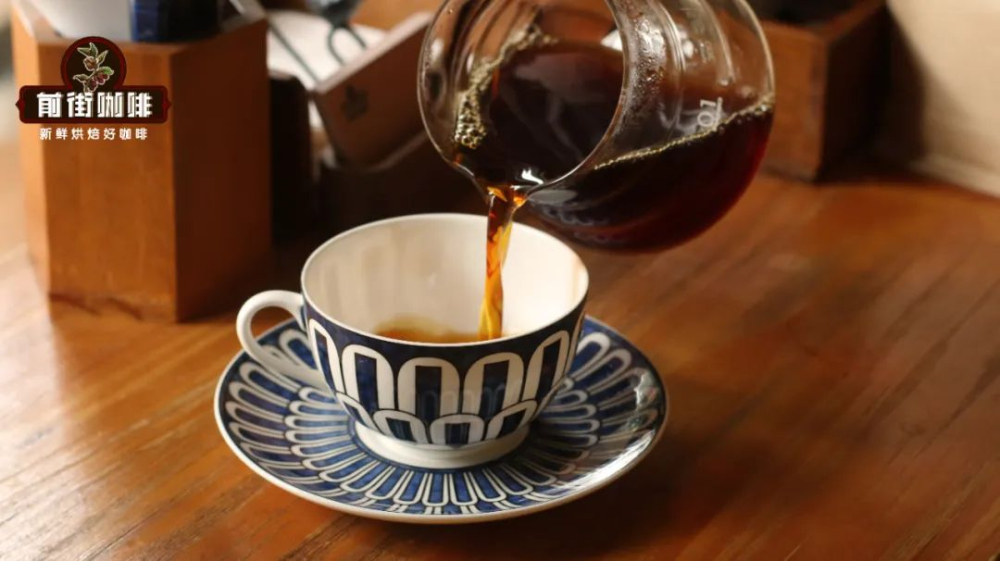
In the world of pour-over specialty coffee, every cup sits in one of three states: under-extracted, over-extracted, or ideally extracted.
If a coffee shows moderate concentration, fully developed flavor, and a comfortable mouthfeel that leaves you wanting another sip, its extraction rate is almost certainly in the right range — you don't need professional instruments to recognize that, even if it doesn't meet Golden Cup standards. Conversely, when a cup is full of negative flavors and unpleasant texture, the extraction likely went wrong somewhere, and people reach for the words "over-extracted" or "under-extracted."
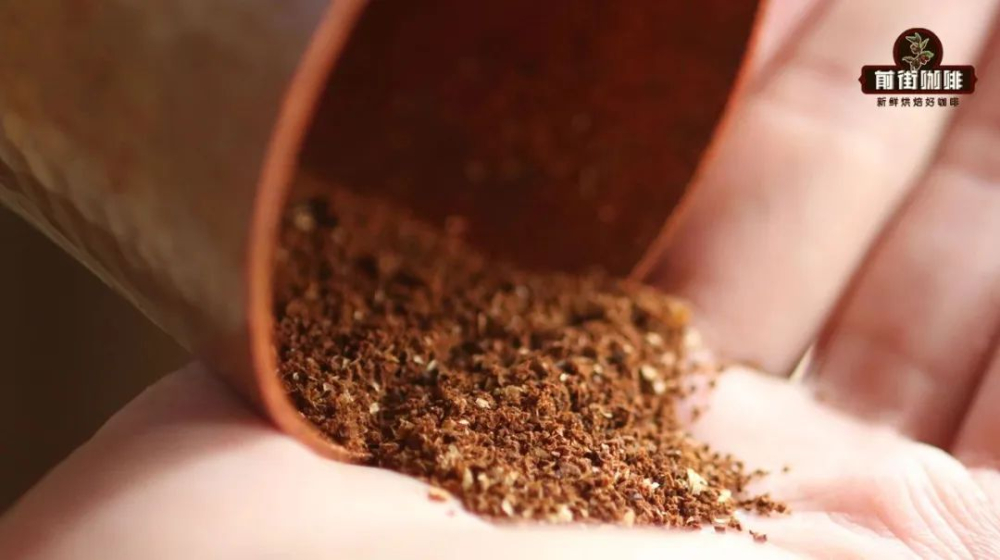
When brewing a pot of coffee, many factors shape the extraction of flavor compounds: grind size, water temperature, time, coffee-to-water ratio, and pouring technique. Anything that raises the extraction rate can tip a cup into over-extraction; anything that lowers it tends toward under-extraction. So the prerequisite for adjusting your brew is the ability to correctly diagnose the coffee's extraction state.
Flavor compounds are released during extraction in the order: acidity, then sweetness, then bitterness. When most coffee particles are extracted insufficiently — only a small share of soluble compounds dissolved — you get the early acidic flavors alone. With no supporting sweetness or rich bitterness behind them, the coffee tastes thin and sharply sour, with a weak body and almost no aftertaste.
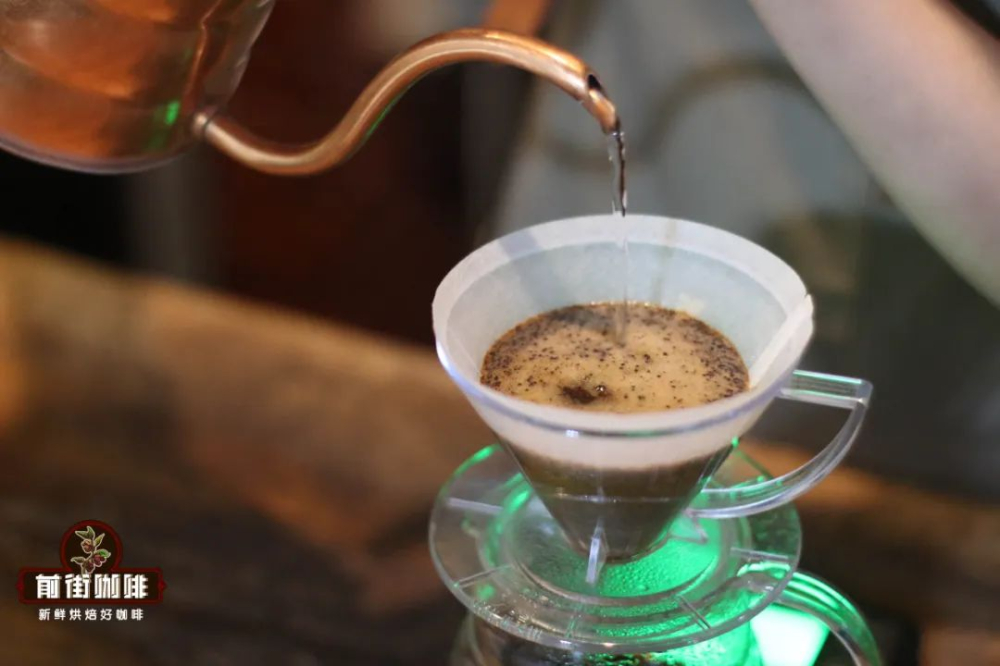
The opposite happens when particles are extracted excessively: the water has pulled out too many soluble compounds, and the late-releasing large molecules are predominantly bitter and unpleasant. An over-extracted coffee is hard to swallow — burnt bitterness and woody flavors up front, sometimes with an astringent grip on the palate.
Under-extraction has many usual suspects: grind too coarse, water temperature too low, coffee-to-water ratio too high, pouring too gently, contact time too short. Over-extraction mirrors them: water too hot, grind too fine, too much water, extraction time too long, or pouring with too much vigor.
In daily brewing, pure under- or over-extraction is actually rare. With stable parameters, the most common culprit is uneven extraction — some particles over-extracted while others stay under-extracted — so the cup displays the defects of both states at once, sour and bitter-astringent at the same time, making the two hard to tell apart.
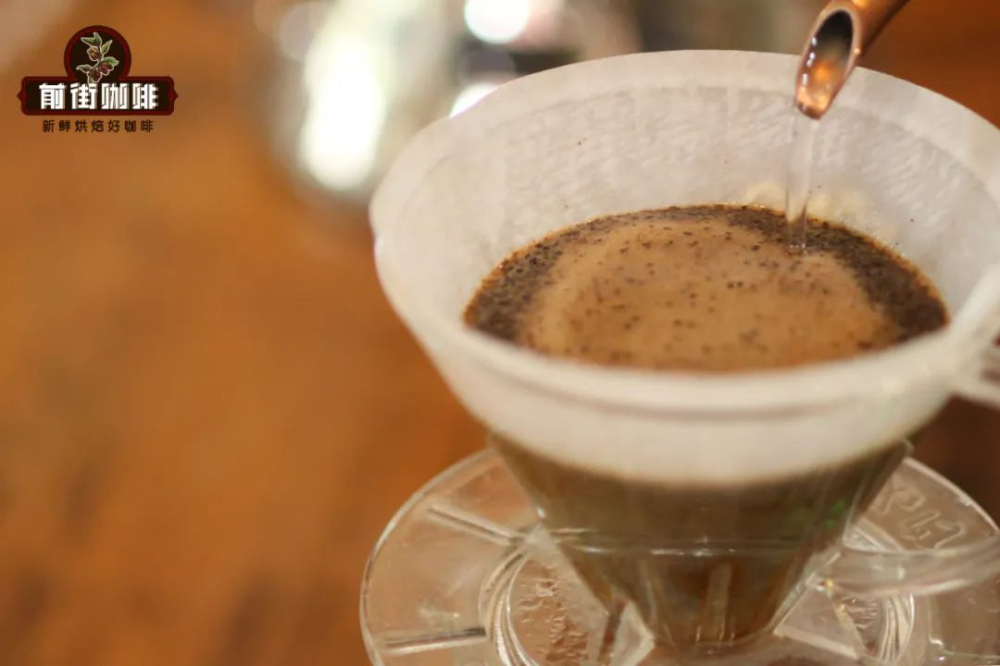
Judging Extraction States
When diagnosing extraction, FrontStreet Coffee believes you shouldn't rely on taste alone — read the bean's flavor profile and the whole extraction framework as well.
For example: brewing a light-roasted, fruit-acid coffee with a total time under 2 minutes, and the cup tastes weak and acidic — that's clearly under-extraction. Fix it by grinding finer and slowing the pour slightly, then see if the cup improves.
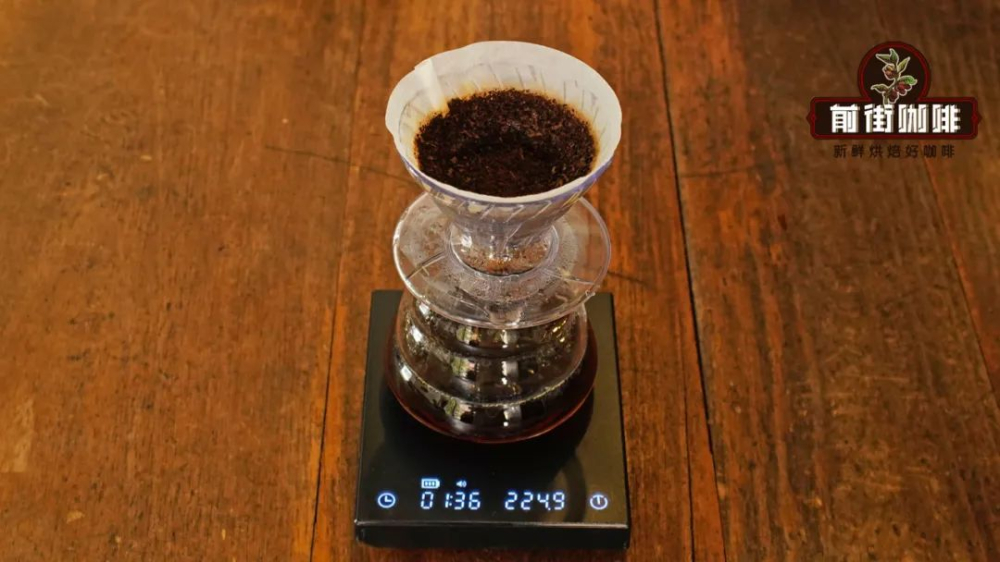
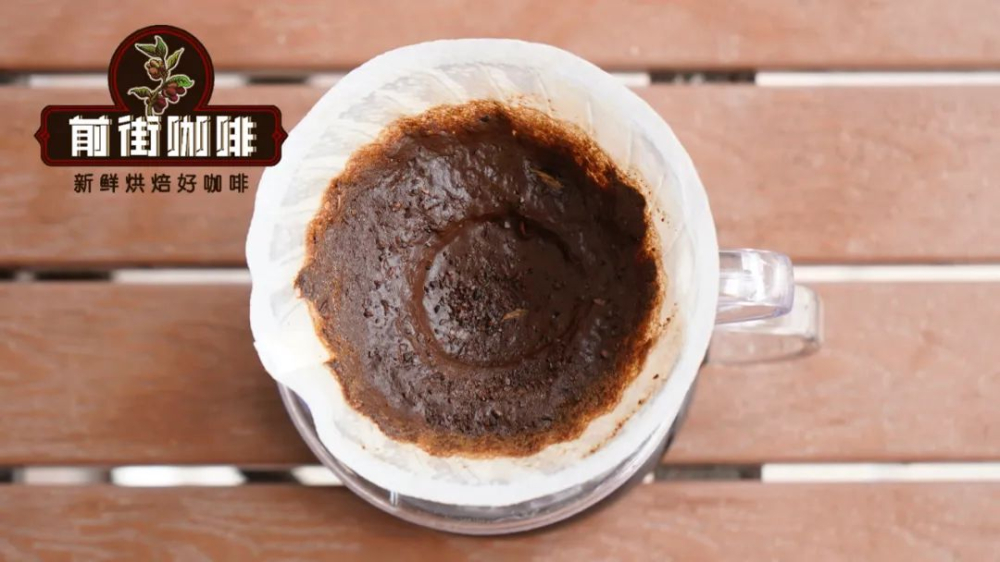
If the timing is well controlled but the flavor feels hollow and insipid — neither bitter nor sour, with the coffee bed mostly collapsed flat at the bottom — large-molecule compounds responsible for richness have likely been released in excess, masking the delicate florals and fruit. Adjust your pouring to lift and maintain the coffee bed after the bloom, giving acidity and sweetness more room to develop.
With dark-roast beans, if the liquid hasn't finished dripping after 2 minutes and 20 seconds, and the first sip shows unusual bitterness with a straw-like woody note lingering at the back of the tongue, the coffee is probably over-extracted. Troubleshoot with a coarser grind, a stronger water flow, or a faster-draining brewer.
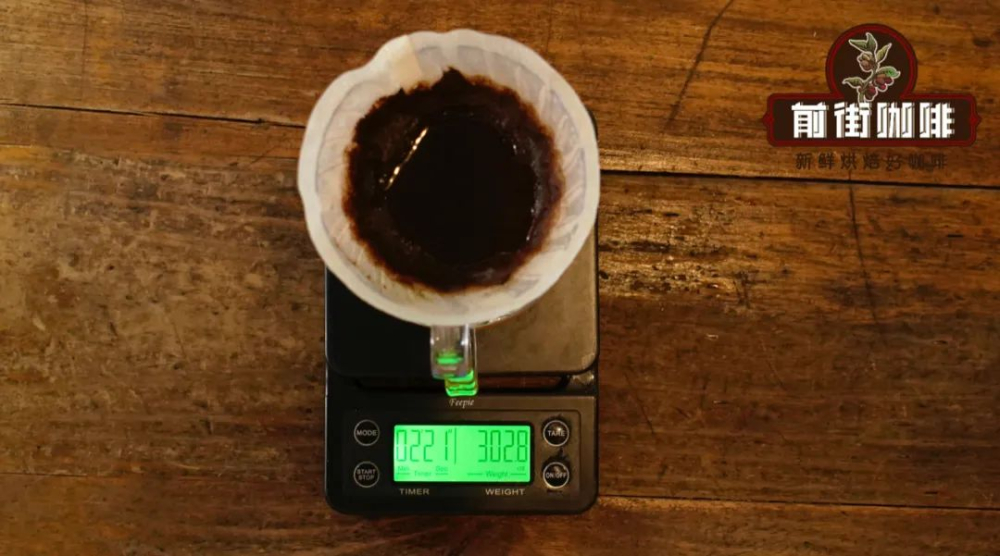
Finally, whether you brew light or dark roasts, if the cup always lands on strong sourness or bitterness with a dry aftertaste, and the bed surface turns sticky and muddy with dripping that drags on, the cause is likely over-extraction driven by excess fines. Sift out some of the fine particles to prevent clogging, which would otherwise steep the coffee far too long.
- END -
FrontStreet Coffee
FrontStreet Coffee Recommendation
Extraction adjustments land differently on different roasts. These FrontStreet Coffee beans are forgiving starting points for learning to read your cup:
FrontStreet Ethiopia Yirgacheffe Guodingding — A light roast with soft, bright citrus-berry acidity and a green-tea finish. Because its sweetness sits so comfortably behind the acidity, slight under-extraction shows up clearly but gently — an ideal training bean for learning to hear what your grind and pour are telling you.
FrontStreet PWN Indonesia Golden Mandheling — The dark-roast counterpart: deep, low-acid, and full-bodied with herbal and dark chocolate notes. Use it to practice the over-extraction drills above — it's the classic bean whose woody bitterness will tell you instantly when your fines are clogging the bed.
FrontStreet Brazil Queen Estate — Balanced, low-acid, and rich in nut and cocoa with caramel sweetness, it's equally at home in pour-over or espresso. A stable, middle-of-the-road cup that makes it easy to spot when a parameter change actually improved the extraction.
Important Notice :
FrontStreet Coffee is a long-established specialty coffee roaster in Guangzhou China, selling freshly roasted beans from its own farm in Yunnan as well as dozens of carefully selected single-origin beans from around the world for both pour-over and espresso. The products deliver consistently excellent quality and great value, with shipping within 24 hours. Guangzhou's FrontStreet Coffee shop is recommended by many coffee lovers, and the beans are now available online at the Tmall 。
FrontStreet Coffee has moved to a new address:
FrontStreet Coffee Address: 315,Donghua East Road,GuangZhou
Tel:020 38364473
 Scan and follow the En Gafei WeChat official account. Please indicate that the reprint comes from "En Gafei".

