Dirty Coffee Art Surface, Latte Art Integration Techniques, How Latte Art is Made

A few friends have messaged FrontStreet Coffee privately to ask: why is my latte art background so messy, and how do you get such clean backgrounds in your articles?
The main reason for a messy background is improper fusion. Inadequate fusion not only leaves the surface messy when you draw the pattern, it also creates an uneven distribution of concentration, so one sip is heavy with milk and the next is heavy with coffee. Today FrontStreet Coffee will break down the detailed technique for fusion and how to practice it.
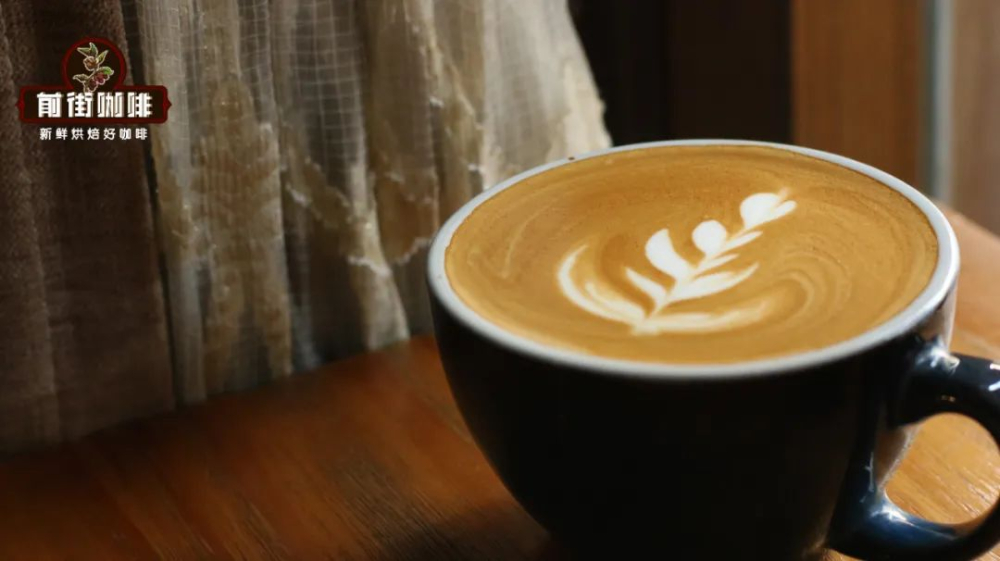
Fusion
Fusion is the step that thoroughly mixes the milk with the espresso. Only when milk and espresso are properly mixed do you get a smooth, comfortable milk coffee with no off-flavors. Fusion is also the last step before you draw the pattern, and the cleanliness of the surface decides how clean your latte art background will be.
Here is the tutorial. Use the milk pitcher to pour milk from a relatively high distance above the liquid surface while moving in circles. Try to make the circles large, but control the flow rate so the milk does not churn too much. Finish by stirring and blending until you reach the volume you want for drawing your pattern.
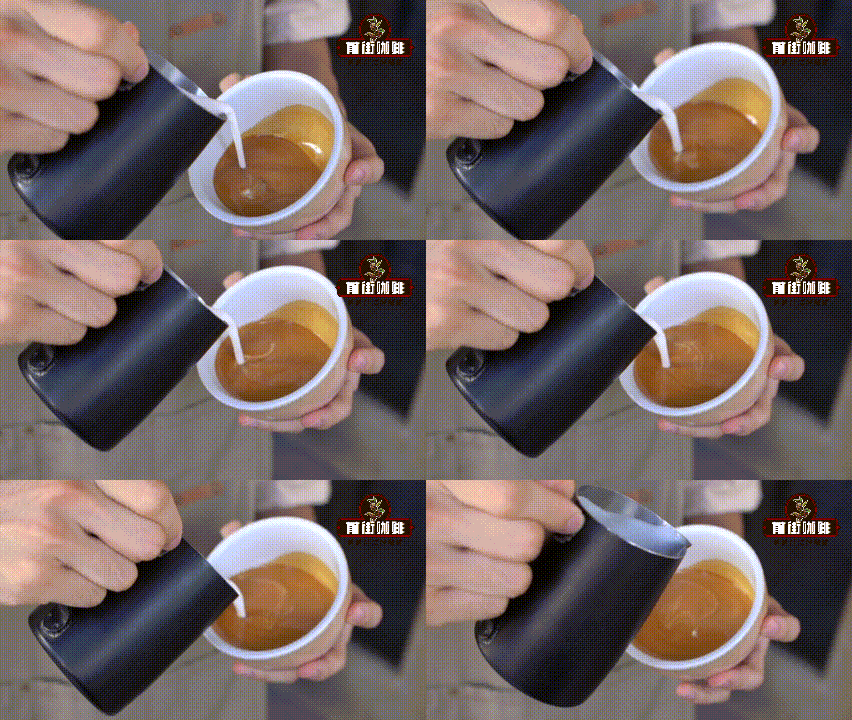
1. Fusion Technique
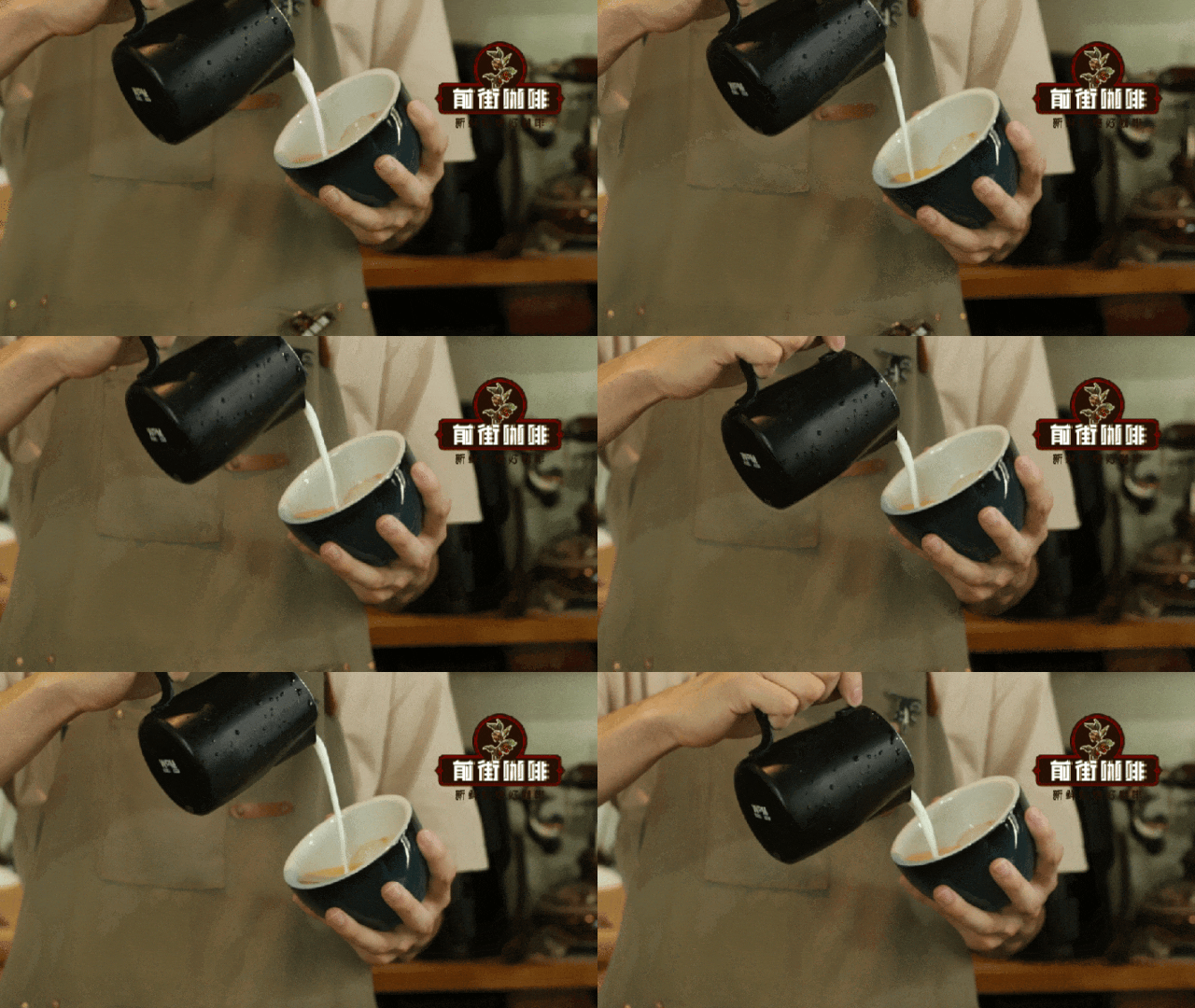
Usually we hold the pitcher in our dominant hand and the cup in the other. During fusion, make crisscross circular motions; this high-low stirring movement mixes the coffee and milk foam more thoroughly. Try to trace the largest circles you can. Be careful not to touch the sides of the cup, keep the stream stable, and keep the flow consistent.
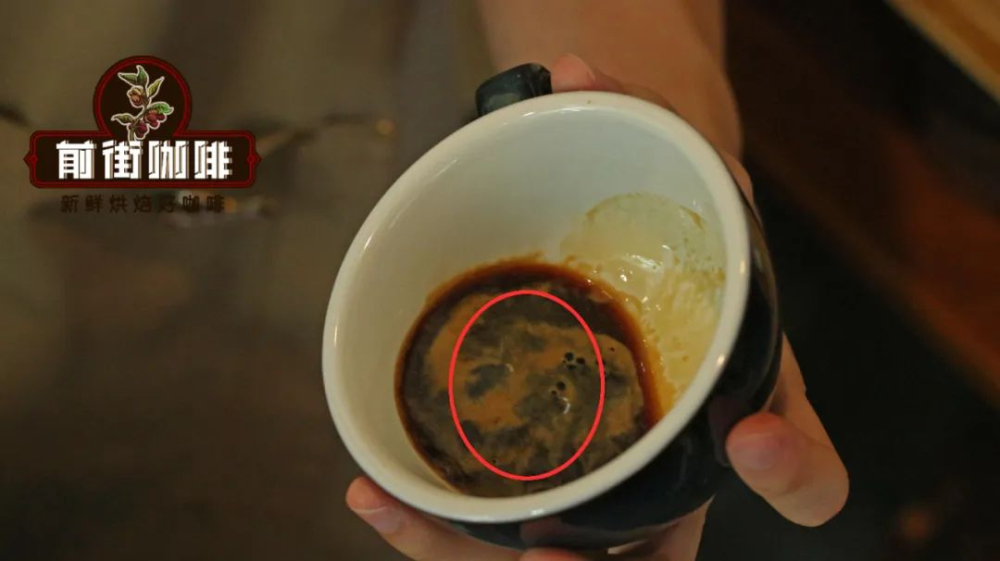
2. Control the Milk Flow Rate (Consistent Before and After)
A sudden surge of milk or an unstable flow rate can cause white spots or white edges to appear. When that happens, do not panic. First stabilize the stream, then pass back over the white spots or edges while circling to press them down.
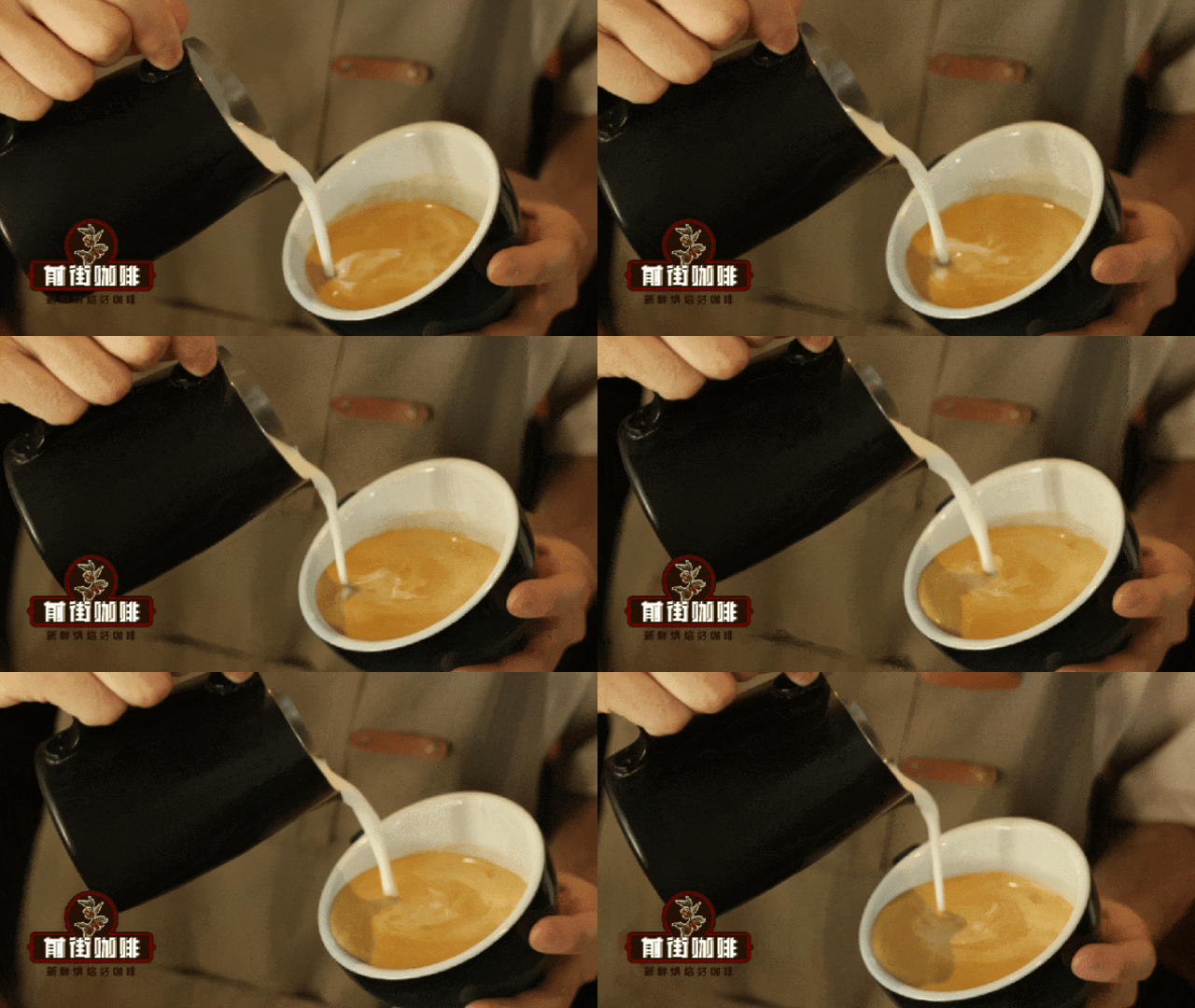
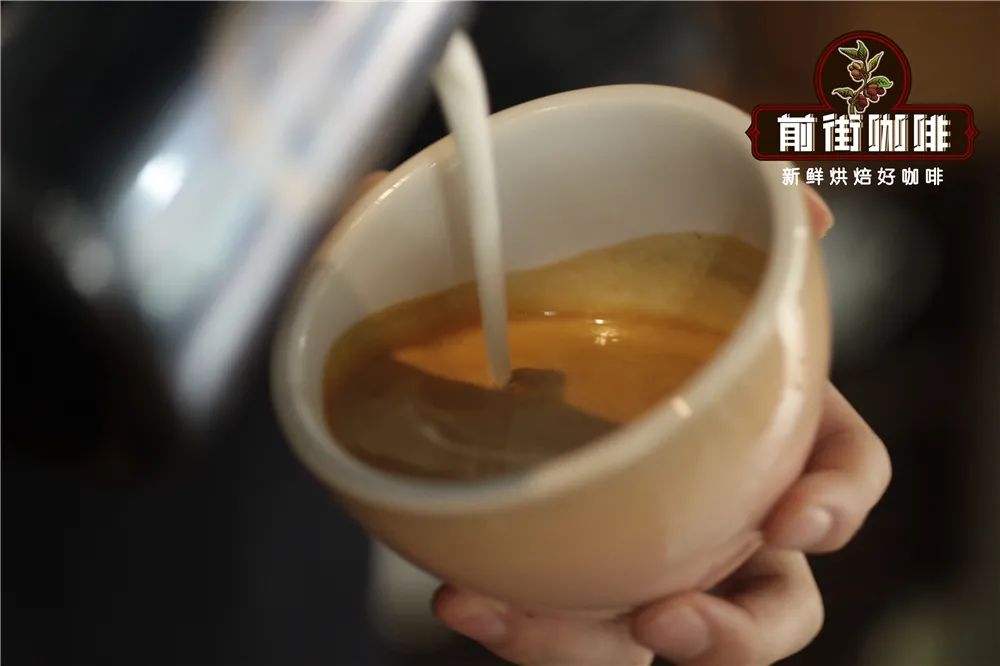
3. Control the Height Between the Pitcher Spout and the Espresso Surface
Generally, keep a distance of about 5-10 centimeters between the spout and the espresso surface. There is no completely fixed height; it comes down to personal preference and habit.
4. Cleanliness of the Surface After Fusion
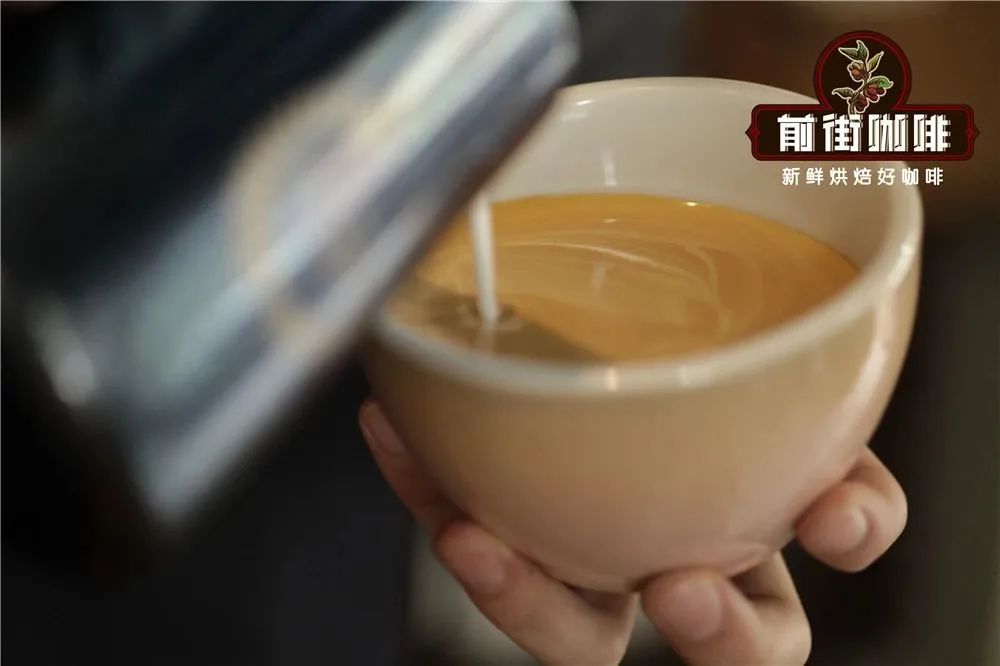
Based on FrontStreet Coffee's experience, an unclean surface can come from a few causes. First, insufficient crema in the espresso, which makes it hard for the milk foam to blend smoothly. Second, poorly textured foam that is not velvety enough, so the milk and foam separate, or foam that is over-textured and stiff. Third, problems with the fusion technique itself, such as uneven circular motions or an unstable flow rate.
Finally, if your fusion is not yet stable and you do not want to waste too much milk, try practicing with water first. This mainly trains you to hold a steady stream as you pour, to control the circular motion of your hand, and to judge the size of your circles, building muscle memory. Of course, real milk foam and water feel quite different during fusion, so once you switch back to milk you will need to readjust.
- END -
FrontStreet Coffee
No. 10, Bao'an Qianjie, Yandun Road, Dongshankou, Yuexiu District, Guangzhou, Guangdong Province

FrontStreet Coffee Recommendation
A clean pour depends as much on the espresso underneath as on the hands doing the pouring, and a little crema makes fusion far more forgiving. FrontStreet Classic Blend is the easiest place to start for anyone learning latte art at home: a medium-dark espresso recipe built from three origins and inspired by the old Mamba blend of Mandheling and Brazil, with a touch of Robusta for extra aroma and crema, it releases pronounced butter, toasted bread, and caramel biscuit notes with a strong, solid body and fine, stable crema that holds a pattern well.
If you favor a rich, nutty style, FrontStreet Premium Blend pairs washed Colombian and semi-washed Brazilian coffee for nut, dark chocolate, and caramel flavors, producing creamy, almond, and cocoa aromas whether you make an Americano, a latte, or a flat white, with crema fully equal to a cafe's and more than enough stability for practice.
And for those getting ready to open a shop, FrontStreet Commercial Blend builds on the Premium recipe with a small amount of Robusta to add dark-brown, fine crema and a heavier body, so Americanos, lattes, and mochas all carry nut, cocoa, and caramel notes and the milk foam pours into a pattern with ease.
Important Notice :
FrontStreet Coffee is a long-established specialty coffee roaster in Guangzhou China, selling freshly roasted beans from its own farm in Yunnan as well as dozens of carefully selected single-origin beans from around the world for both pour-over and espresso. The products deliver consistently excellent quality and great value, with shipping within 24 hours. Guangzhou's FrontStreet Coffee shop is recommended by many coffee lovers, and the beans are now available online at the Tmall 。
FrontStreet Coffee has moved to a new address:
FrontStreet Coffee Address: 315,Donghua East Road,GuangZhou
Tel:020 38364473
 Scan and follow the En Gafei WeChat official account. Please indicate that the reprint comes from "En Gafei".