What's the Ratio of Coffee to Water and Ice in Iced Pour-Over? How to Make Better Tasting Iced Brew Coffee?

What Makes Iced Pour Over Delicious?
When it comes to tips for great iced pour over, the question everyone asks after choosing beans is exactly how much ice to use. Today, let's talk ice.
The Role of Ice in Iced Pour Over
Unlike regular hot pour over, iced pour over introduces ice as a "supporting character" — and ice plays no role in extracting the coffee. It simply replaces some of the hot water that would have gone into the grounds, set aside in the serving vessel, effectively acting as bypass water. If you use standard hot pour over parameters, the coffee often ends up as weak as water. To hit the right concentration, you need to adjust the extraction framework.
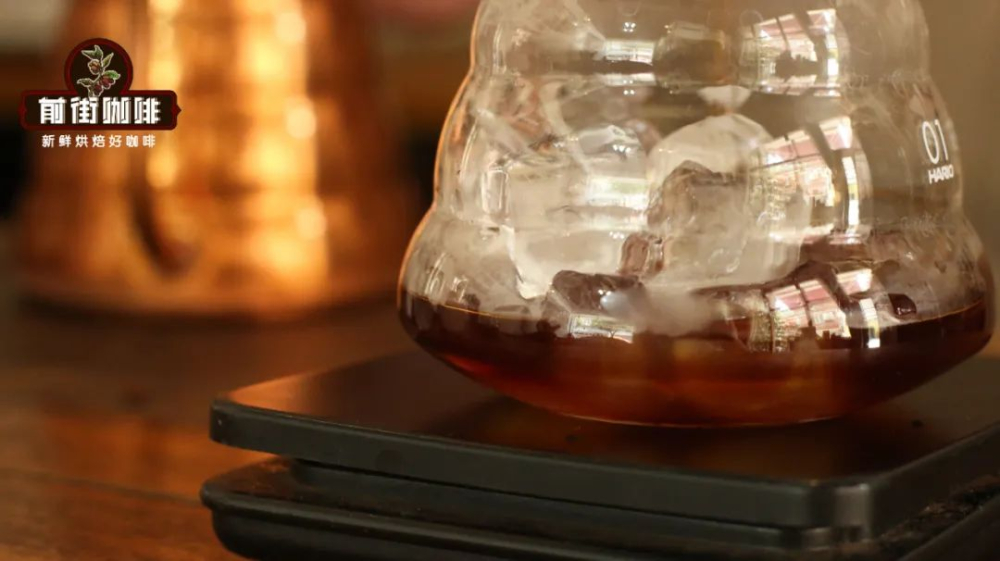
Ice has two jobs here. First, cooling: before it fully melts, the hot coffee chills down quickly to a proper iced temperature. Second, the ice in the serving pot also dilutes the coffee — so when calculating total water, the ice must be counted in advance. With those two points in mind, the ice amount should be enough to chill the coffee fast, but not so much that it waters down the flavor.

How Should the Ratio Be Distributed?
When choosing your coffee-to-water-to-ice ratio, keep this in mind: less water and more ice means too few flavor compounds extracted, and the coffee easily comes out under-extracted; more water and less ice leaves too little "concentration headroom" for the ice to work with, so the coffee goes weak before it cools. After compiling iced recipes for many beans, FrontStreet Coffee finds a 1:10 to 1:12 coffee-to-water ratio the easiest to control and least likely to fail.

For reference, FrontStreet Coffee's shop recipes use 15 grams of coffee at a 1:10 ratio — 150 grams of hot water total, with the remainder made up by ice. Measured against a standard 1:15 hot pour over, that means roughly 75 grams of ice.
What Makes for Quality Ice?
If you've had iced coffee at FrontStreet Coffee's shop, you may have noticed we open the freezer to grab pre-prepared old ice rather than scooping from the ice maker. Does old versus new ice actually matter? To find out, we ran a comparison: same parameters, same bean, pitting freshly made soft ice against ice that had been frozen for several days.
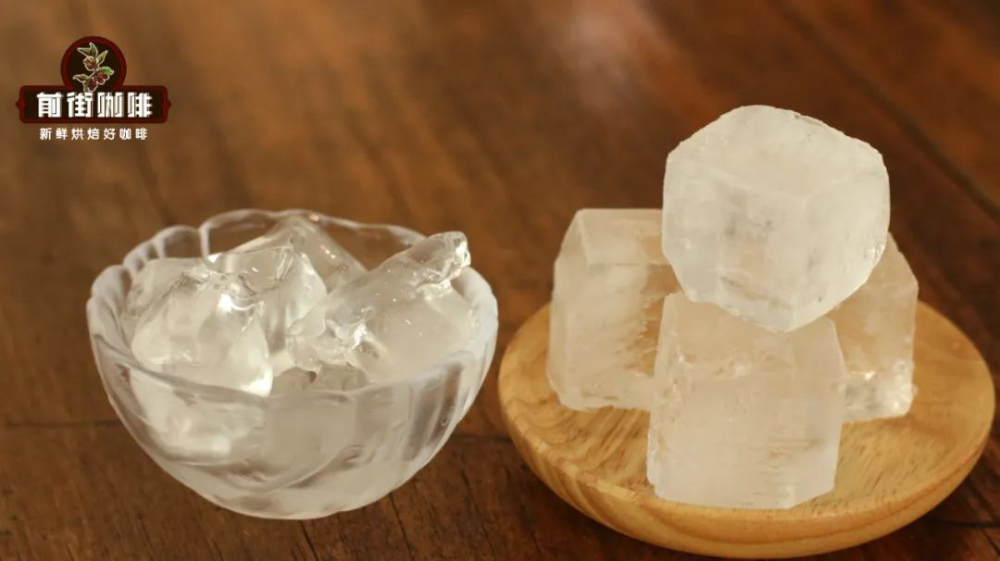
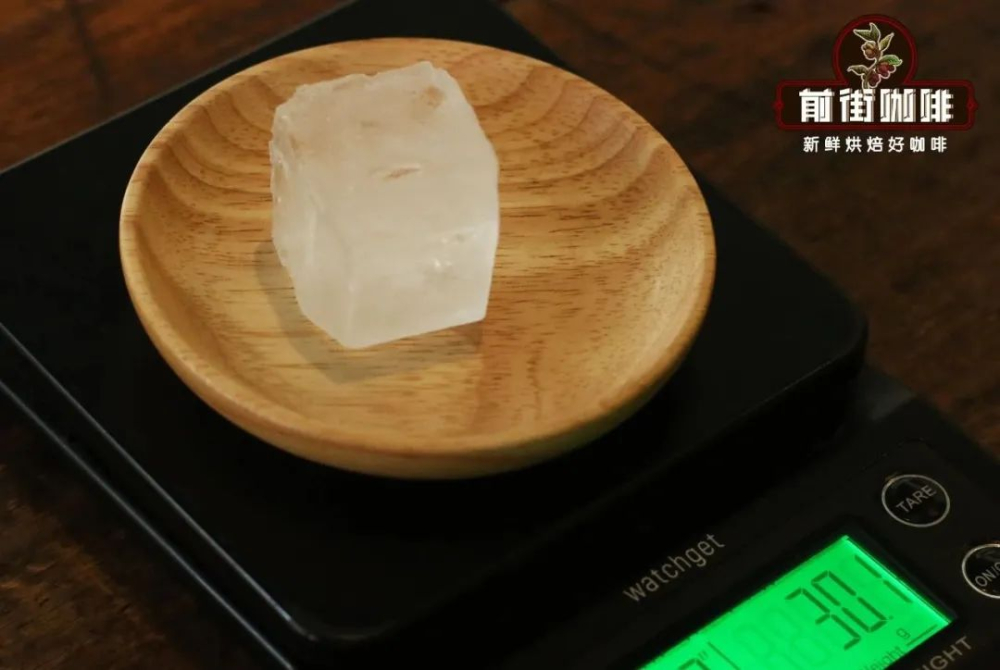
The old ice came from homemade 25-cubic-centimeter trays, each cube weighing about 30 grams — 4 cubes per brew, roughly 120 grams. The soft ice came straight from the ice maker, dice-sized and mostly irregular, also weighing 120 grams.
Coffee beans: 15 grams Hacienda La Esmeralda Geisha Green Label
Grind size: 85% pass through a #20 standard sieve (EK43s setting 9.5)
Coffee-to-water-to-ice ratio: 1:10:8 — 150g hot water + 120g ice
Water temperature: 92°C
Dripper: Hario V60

After shaking to chill, the two batches were nearly indistinguishable in flavor: a subtle green tea fragrance, gentle citrus, some honey sweetness. In an air-conditioned room, the ice-maker batch fully melted after 9 minutes, while the old ice only finished melting 17 minutes after brewing. Both turned watery once all the ice melted. And while the coffee cooled from hot to 5–10°C, the old-ice pot still had more intact ice fragments floating, melting noticeably slower.

Use Old Ice When Possible
The lesson: ice frozen for a long time at low temperatures is markedly harder, and with its larger size it melts slower than fresh ice, holding the iced effect much longer.

So if your ice molds make smaller cubes, prepare plenty of old ice in advance. During brewing, the right amount of ice will then dilute the coffee to a moderate concentration while delivering just the right icy mouthfeel.
FrontStreet Coffee Recommendation
For iced pour over, bright, floral beans shine — the quick cooling locks in delicate aromatics. FrontStreet Coffee's Yirgacheffe Chelbesa (Guodingding), a washed Ethiopian G1, makes a beautifully refreshing iced cup with citrus and white florals that read almost like fruit tea. The natural-processed Huakui (Boji) brings strawberry cream, mango, jackfruit, and blueberry with a juice-like sweetness that cold extraction amplifies.
Try the shop recipe at home: 15g coffee, 1:10 ratio, 150g of 92°C water over a Hario V60 set on about 75g of old ice — and for maximum aromatic lift, the Panama Esmeralda Green-Label Geisha is the same bean we used in our ice experiment, with its green tea fragrance, citrus, and honey sweetness.
Important Notice :
FrontStreet Coffee is a long-established specialty coffee roaster in Guangzhou China, selling freshly roasted beans from its own farm in Yunnan as well as dozens of carefully selected single-origin beans from around the world for both pour-over and espresso. The products deliver consistently excellent quality and great value, with shipping within 24 hours. Guangzhou's FrontStreet Coffee shop is recommended by many coffee lovers, and the beans are now available online at the Tmall 。
FrontStreet Coffee has moved to a new address:
FrontStreet Coffee Address: 315,Donghua East Road,GuangZhou
Tel:020 38364473
 Scan and follow the En Gafei WeChat official account. Please indicate that the reprint comes from "En Gafei".