
What are the Flavor Profiles of Coffee from Yunnan's Four Major Growing Regions? An Introduction to Yunnan Catimor Coffee Characteristics

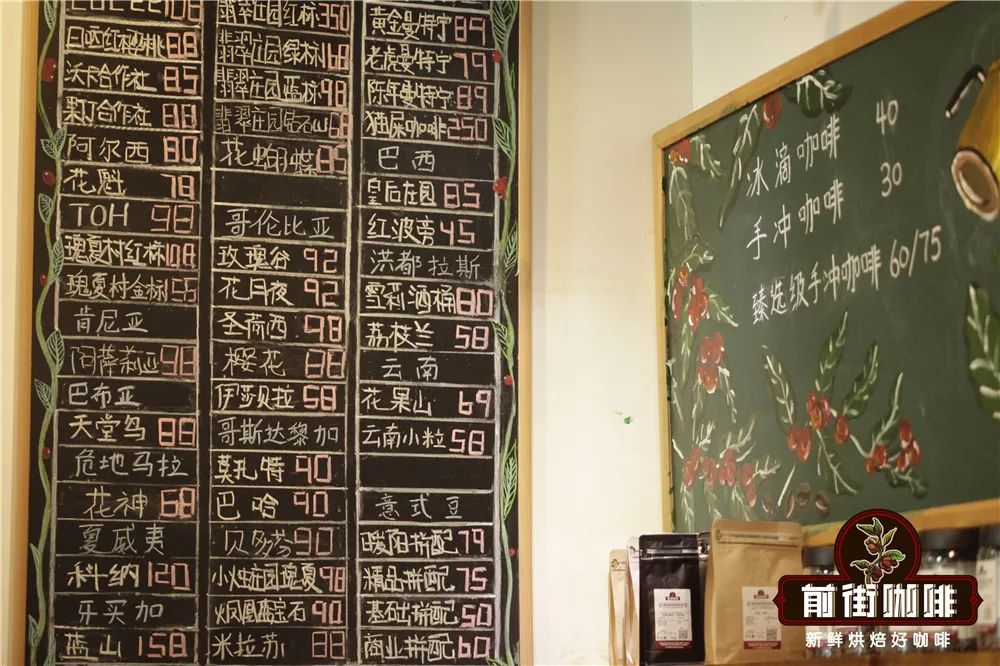
"Would you like to try our Yunnan beans, the FrontStreet Coffee 2013? These are beans we grow ourselves in Yunnan." That is what a FrontStreet Coffee barista will suggest when a customer is staring at a blackboard full of options and doesn't know where to begin. Some customers light up the moment they hear the beans are from Yunnan, while the more curious ones ask a follow-up: "What variety are they? What processing method do you use?" Once they learn it's a sun-dried Typica, most of them order a cup, eager to try something new.
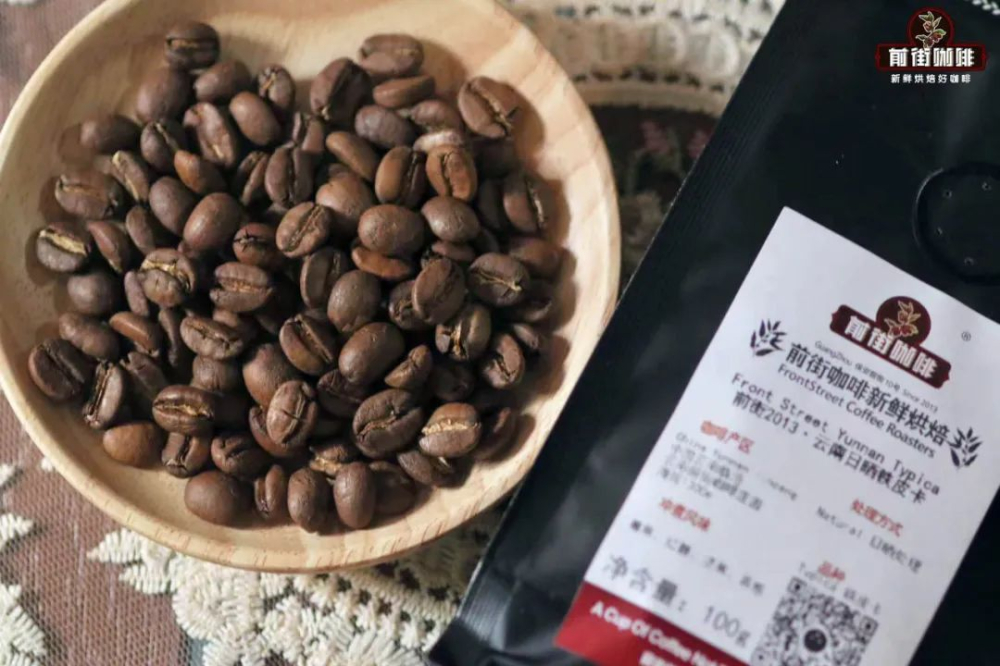
Why do some customers ask that second question about variety and processing? What has Yunnan small-seed coffee, China's representative coffee, actually been through? To tell the whole story, let FrontStreet Coffee walk you through it.
The Remarkable History of Yunnan Coffee
When we talk about the history of Yunnan coffee, we have to start with the French Catholic missionary Alfred Lietard. In the 18th year of the Guangxu reign of the Qing dynasty (1892), Lietard planted coffee seeds brought from Vietnam in Zhukula Village, Yunnan, and taught villagers how to grow the trees and how to grind and brew the beans.
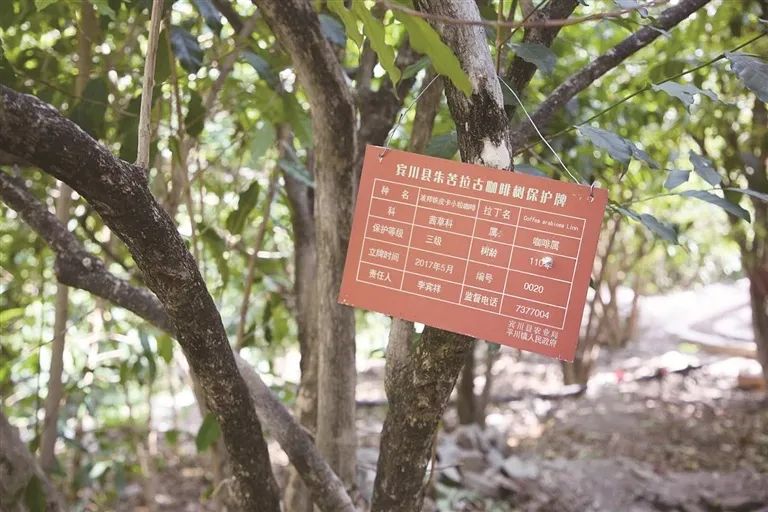
By the 1950s and 1960s, after the founding of New China, large-scale coffee farming was promoted and developed to supply the Soviet Union and the socialist countries of Eastern Europe, with the crop uniformly purchased and processed by the state. This gave Yunnan its first opportunity to develop coffee on an industrial scale.
In 1970, coffee-growing countries in South America, Brazil among them, were hit by rust disease, and the collapse in production directly affected global bean prices. International coffee companies, hoping to reduce their reliance on those producing countries, went looking for new growing regions in Africa and Asia to spread the risk.
Then, in the 1980s, during China's reform and opening-up, Nestle set up a joint venture in China and began supporting the local coffee industry through cultivation programs and other efforts. From 1992 onward, Nestle established a Coffee Agriculture Department to guide and research the improvement and cultivation of Yunnan coffee, and it purchased coffee according to prices on the US futures market.

As reform and opening-up deepened, the third wave of specialty coffee gradually spread from overseas into China, and Yunnan's growers began exploring the specialty path. The government introduced targeted support policies, which drove improvements in breeding, cultivation and processing technology, steadily lifting both quality and yield.
Where Yunnan Coffee Stands Today
With specialty coffee shops springing up everywhere, Yunnan coffee turning up on bean menus has become more and more common. So how good are the specialty beans coming out of Yunnan today? The distinctive flavor of a producing region is inseparable from its natural geography, the varieties planted there, and its primary processing methods.
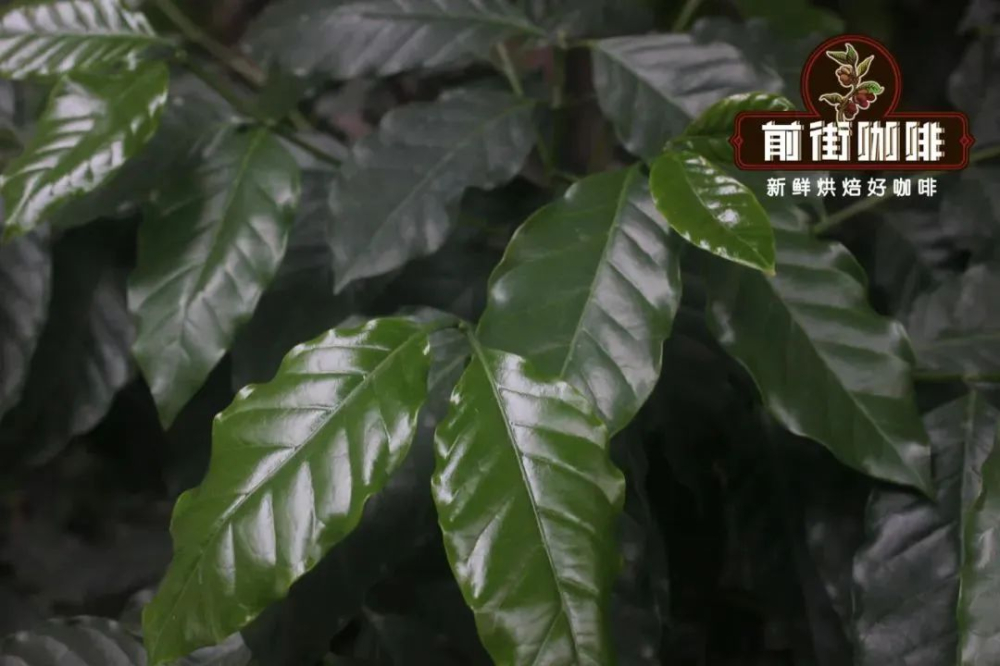
Yunnan small-seed coffee, to be clear, refers to what we know as the Arabica species. Remember that earlier point about Nestle's Coffee Agriculture Department guiding and researching Yunnan coffee: under Nestle's influence, farmers widely cut down their original old varieties, such as Typica, and began planting Catimor on a large scale, because it cost less and yielded more. That decision also set the stage for Yunnan's later specialty coffee journey.
Catimor is not a completely pure Arabica. It is a hybrid of Timor and Caturra, and Timor is a variety that carries Robusta genes. That gives the trees stronger disease resistance, higher yields and lower cultivation requirements. But because it carries roughly 1/4 Robusta genes, the flavor is less refined and the aroma less rich than pure Arabica, and with crude green-bean processing there is a high chance of extra bitterness, astringency and a somewhat sharp mustiness.
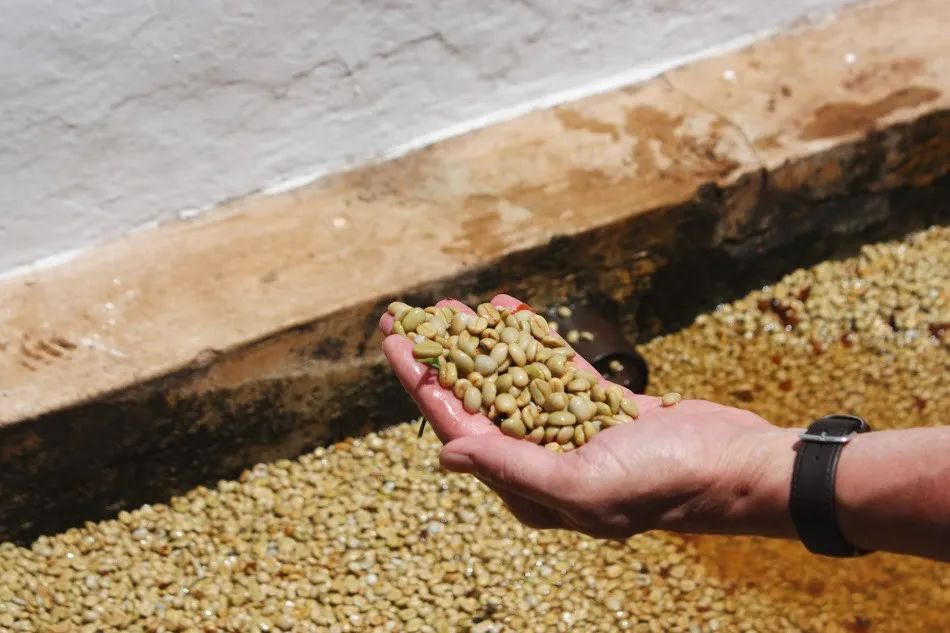
In the past, Yunnan beans were used mainly for instant coffee, so the cherries were handled with little care after harvest. Once the region set out on the specialty path, growers began trying new approaches to processing cherries. Beyond the traditional sun-dried and washed methods, honey processing, anaerobic fermentation and enzyme treatments gradually came into use. But the reason these methods spread so widely in Yunnan has a lot to do with the region having planted Catimor in the first place; processing became a shortcut to pushing flavor without changing varieties or altitude.
After years of exploring the specialty path, Yunnan coffee's flavor has stabilized as well. According to the "Yunnan Coffee Flavor Map Atlas" published by Torch Coffee Laboratory for 2021-2022, Yunnan coffee features nuts, citrus and sugars most prominently across its dry and wet aromas and its flavors; grains, chocolate and herbal notes also make up a large share of flavor descriptions, and woody tones appear in a few producing regions.
Why Baoshan and Washed Processing?
FrontStreet Coffee believes that the general flavor profile of Yunnan coffee today comes from the Catimor that has been grown there widely for years, so we chose a washed Catimor from Baoshan as an entry-level daily bean.

As mentioned earlier, in the 1950s and 1960s Yunnan coffee also had a chance to grow, thanks to the large-scale planting of coffee trees in Baoshan. As the first Yunnan coffee to travel abroad, Baoshan small-seed coffee has earned plenty of recognition internationally.
Compared with other producing regions, Baoshan built up more experience through years of coffee production. Although most growing areas long ago switched to Catimor, a few old estates still keep older varieties from the past, which leaves Yunnan with more varietal choices on the specialty path.

Among the many processing methods, FrontStreet Coffee believes washed processing best reveals a bean's original flavor, letting everyone understand a region's terroir more clearly, so we selected a washed batch made the traditional way.
Conclusion
On its path toward specialty coffee, Yunnan faces two big problems: a shortage of expressive varieties, and the fact that beans produced with traditional methods struggle to compete, while those given innovative processing are becoming ever more "magical." How will Yunnan's regional flavor change, and which road will it take? Let's give Yunnan a little more time and see what surprises it can bring.
- END -
FrontStreet Coffee
No. 10 Bao'an Front Street, Yandun Road, Dongshankou, Yuexiu District, Guangzhou, Guangdong Province

FrontStreet Coffee Recommendation
If you want to taste where Yunnan is heading, start with FrontStreet Yunnan Small Seed, a washed, medium-roasted bean from Baoshan. It brings soft notes of nuts and chocolate with a light plum acidity, and its friendly price makes it the perfect introduction to the region. To go a step further into terroir, choose FrontStreet 2013 Yunnan Sun-Dried Typica, grown on FrontStreet's own estate from the oldest and purest Arabica lines and processed the traditional sun-dried way before a medium roast.
The Typica cup is fuller and more layered, with bright, sweet-tart citrus and berry character, a hint of fermented wine, caramel sweetness and a creamy finish. Together these two beans show both sides of Yunnan: the everyday washed Catimor profile and the cleaner, fruit-driven expression the region is chasing.
Important Notice :
FrontStreet Coffee is a long-established specialty coffee roaster in Guangzhou China, selling freshly roasted beans from its own farm in Yunnan as well as dozens of carefully selected single-origin beans from around the world for both pour-over and espresso. The products deliver consistently excellent quality and great value, with shipping within 24 hours. Guangzhou's FrontStreet Coffee shop is recommended by many coffee lovers, and the beans are now available online at the Tmall 。
FrontStreet Coffee has moved to a new address:
FrontStreet Coffee Address: 315,Donghua East Road,GuangZhou
Tel:020 38364473
 Scan and follow the En Gafei WeChat official account. Please indicate that the reprint comes from "En Gafei".

