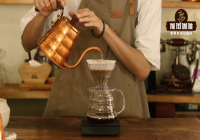
How Much Caffeine Is in Coffee Beans? Which Coffee Drinks Contain the Most Caffeine?
"Which coffee on the menu has the least caffeine?" "I'd love a coffee, but I'm afraid it will keep me up all night."
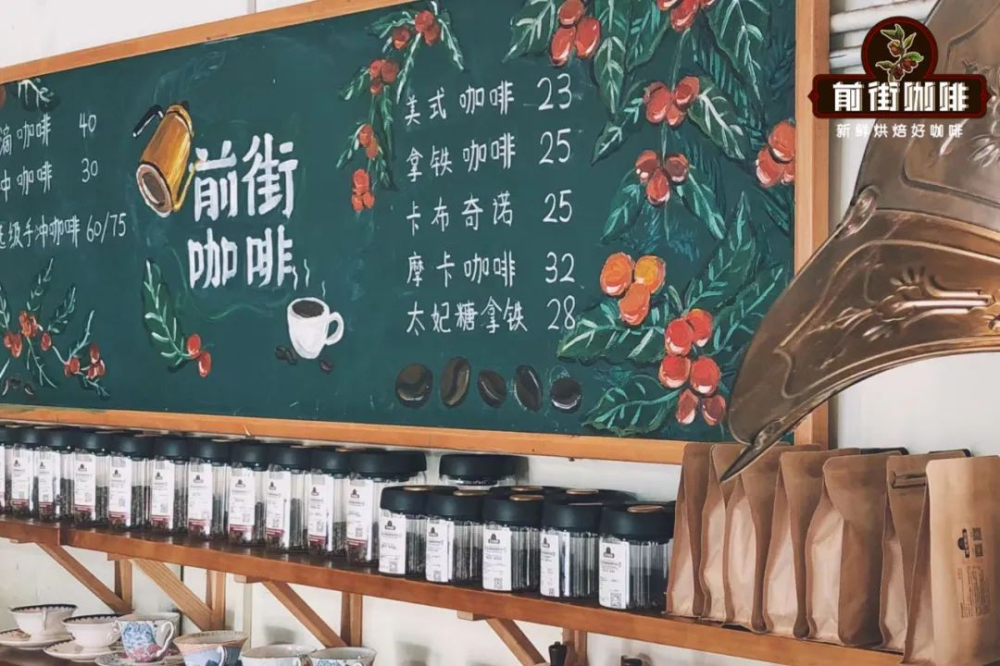
Most people see coffee as a drink you reach for precisely because it wakes you up, yet its aroma also draws in a crowd of flavor seekers, including those who are caffeine-sensitive but still love coffee, like the customer FrontStreet Coffee mentioned above. Today FrontStreet Coffee will walk through how much caffeine different coffees actually contain and clear up some common myths about it.
What determines the caffeine in a cup?
Caffeine content first depends on variety and growing altitude. Of the two most common coffee varieties, Robusta contains roughly 2-4% caffeine by weight, while Arabica holds about 0.9-1.4%, usually only half as much. Most fresh-ground coffee on the market uses Arabica, with only a small proportion of Robusta blended in to build a richer crema in espresso.
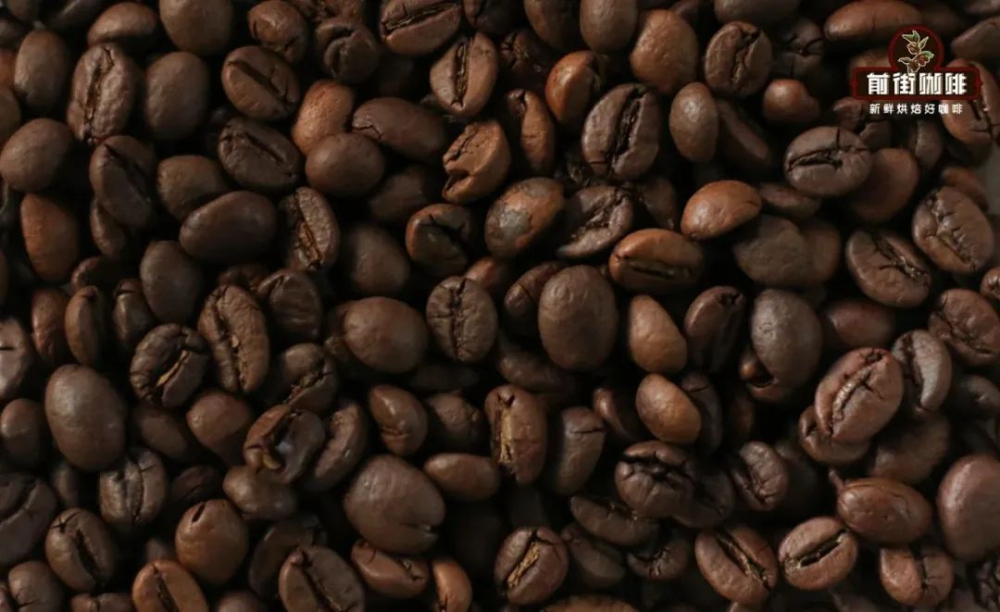
Generally, the higher the growing altitude, the lower the caffeine content. High-altitude regions are cooler and host fewer pests, so the trees don't need to produce as much caffeine for defense. This also explains why Robusta, grown at low altitude, is so caffeine-rich, though this rule mainly holds for Arabica.
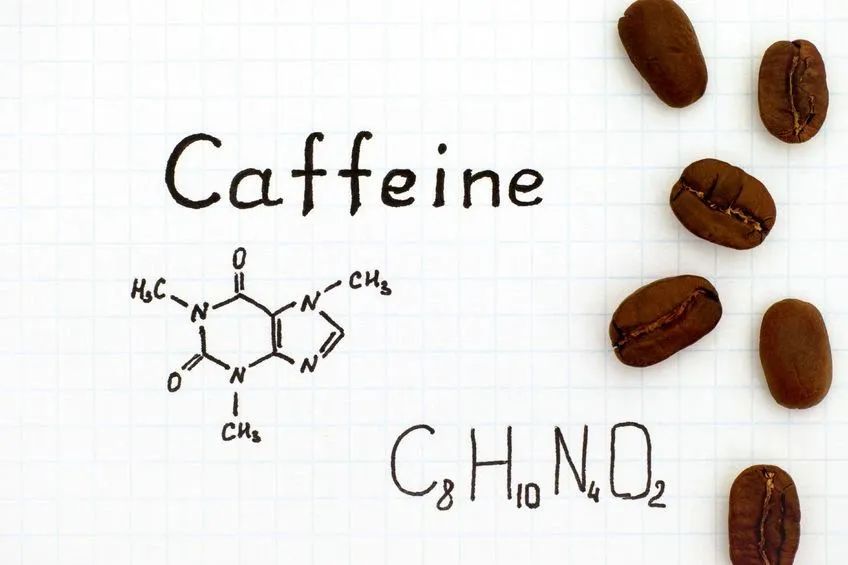
FrontStreet Coffee has explained before that when you brew coffee, lighter flavor compounds are released first while heavier molecules dissolve later. Caffeine, with the chemical formula C8H10N4O2, is a heavy molecule, so like flavor compounds, how much of it ends up in your cup depends on extraction time: the longer the brew, the more caffeine.
That is why espresso-based drinks don't actually top the caffeine chart. Pour-over drip coffee and French press immersion come in slightly higher. And although cold brew and iced drip coffee are extracted at low temperatures, their extremely long extraction times leave them with even more caffeine than the methods above.
Here is FrontStreet Coffee's rough guide to caffeine in common coffee types based on typical serving sizes:
Espresso (20g beans/40g coffee) about 100mg; (the same for lattes, Americanos, cappuccinos and so on)
Pour-over coffee (15g beans/195ml coffee, 2 minutes) about 90mg;
French press (20g beans/4 minutes) about 135mg;
Iced drip coffee (one cup, 20g beans/200ml coffee, 8 hours) about 135mg;
Cold brew coffee (one cup, 20g beans/200ml coffee, 12 hours) about 140mg;
Coffee bag (one bag, 10g beans/120ml coffee) about 50mg;
Instant coffee (one bag) about 50mg.
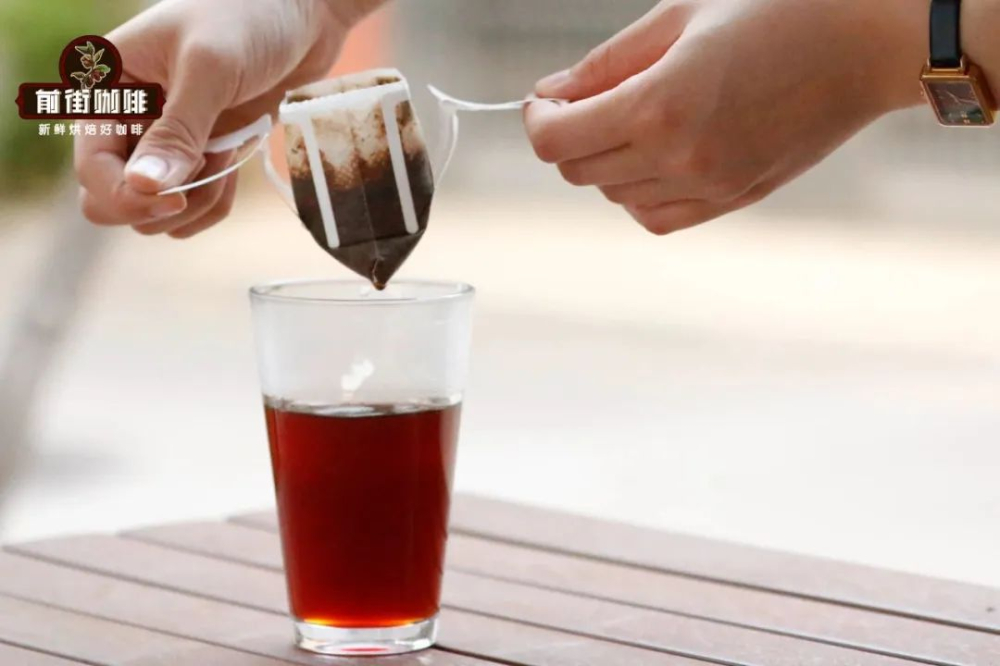
FrontStreet Coffee has to stress that these figures assume typical extraction parameters and are not absolute. The caffeine in a cup also depends on extraction rate. If we brew two cups of FrontStreet Coffee Golden Mandheling, one with a fine grind and one with a coarse grind while everything else stays the same, the fine grind will release more flavor compounds and therefore more caffeine. In other words, a finer grind gives you a more intense cup and a stronger lift.

Caffeine Myth #1
Popular science articles online often tell us that an adult should not take in more than 400mg of caffeine a day, or it may affect their health. Caffeine-sensitive people then try to add up the numbers from their drinks to avoid going over, which is why they ask, "How much caffeine is in a cup of coffee?"
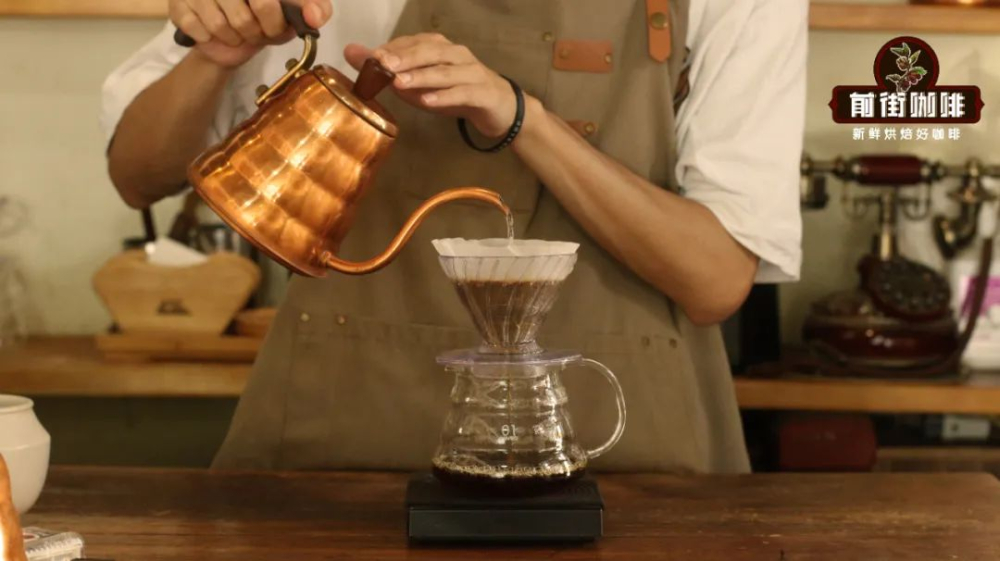
From a barista's point of view, beyond variety, altitude and brew time, the many factors that shape extraction all feed into caffeine content too. In a pour-over, differences in grind size, water temperature, pouring technique and coffee-to-water ratio all change how much caffeine comes through, which makes pinning down a specific number difficult.
Caffeine Myth #2
FrontStreet Coffee has noticed that some people believe caffeine content is tied to roast level. They reason that a darker roast makes the beans lighter, so weighing out an equal dose for brewing needs more dark-roast beans than light-roast ones. Dark-roast beans also have a more porous structure, making compounds easier to extract, so they conclude that dark-roast coffee has more caffeine and gives a bigger jolt.

In fact, many studies show that roast level has little effect on caffeine content. To this, some will reply from personal experience: "But I really do feel more wired after a dark roast!" That only suggests that, in your mind, a heavy, bitter coffee is what wakes you up, more so than a milder, acidic cup. It is also why so many people wrongly assume espresso has the most caffeine.
Love coffee but can't handle caffeine? What to do
For friends who are caffeine-sensitive, whether it's instant, bottled coffee, fresh ground espresso, pour-over drip, or the long-extraction iced drip and cold brew, all of these carry relatively high caffeine that can disturb sleep. If you genuinely want coffee without the caffeine, choose artificially decaffeinated coffee, which contains almost none.

- END -
FrontStreet Coffee
No. 10, Bao'an Qianjie, Yandun Road, Dongshankou, Yuexiu District, Guangzhou, Guangdong Province
FrontStreet Coffee Recommendation
If you enjoy espresso drinks but want to keep the caffeine and the flavor under control, milk-friendly blends are the practical choice. FrontStreet Classic Blend is built for espresso and moka pot alike, and its standout trait is a rich, silky layer of crema that even beginners can pull on a non-professional home machine; the traditional Mamba-style recipe of Mandheling and Brazil gives it a rounded, mellow body that works in lattes, cappuccinos and Dirty alike.
For a nuttier, sweeter profile, FrontStreet Premium Blend pairs washed Colombian coffee with semi-washed Brazilian beans for notes of nuts, dark chocolate and caramel that shine in Americanos and milk drinks, while FrontStreet Black Cocoa Blend combines a large share of Brazilian coffee with crisp Yunnan small seed for a balanced, versatile cup that handles everything from espresso to specialty drinks. All three keep the strength moderate, so you can dial in your dose instead of chasing caffeine by the bottle.
Important Notice :
FrontStreet Coffee is a long-established specialty coffee roaster in Guangzhou China, selling freshly roasted beans from its own farm in Yunnan as well as dozens of carefully selected single-origin beans from around the world for both pour-over and espresso. The products deliver consistently excellent quality and great value, with shipping within 24 hours. Guangzhou's FrontStreet Coffee shop is recommended by many coffee lovers, and the beans are now available online at the Tmall 。
FrontStreet Coffee has moved to a new address:
FrontStreet Coffee Address: 315,Donghua East Road,GuangZhou
Tel:020 38364473
 Scan and follow the En Gafei WeChat official account. Please indicate that the reprint comes from "En Gafei".