
The History and Origins of Pour-Over Coffee: Who Invented the Coffee Dripper and Filter Paper?

Pour-over has swept the world as a brewing method, becoming an ever more popular way to explore coffee's aromas. Nearly every coffee enthusiast owns a pour-over setup; in leisure moments they pick a favorite bean and brew a pot. Weighing beans, grinding, folding filter paper, rinsing the dripper, adding grounds, circular pours, tasting — every motion adds a touch of ceremony to the cup.
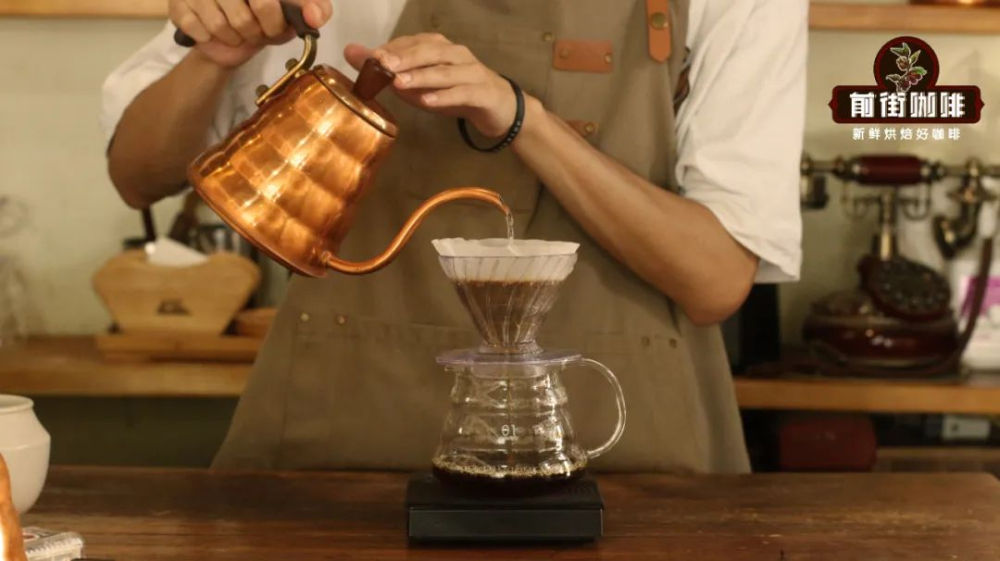
But for those who brew often: do you know where this drip-extraction method came from? This article explores the history of pour-over coffee and its classic drippers.
The Origin of Filter Cups
For most of history, people worldwide made coffee a crude way: grind the beans, boil them in a pot, strain out the grounds through burlap or metal mesh, and drink. Limited by the production technology of the day, the mesh couldn't be made fine enough, so even after straining, the coffee often still carried quite a bit of sediment.
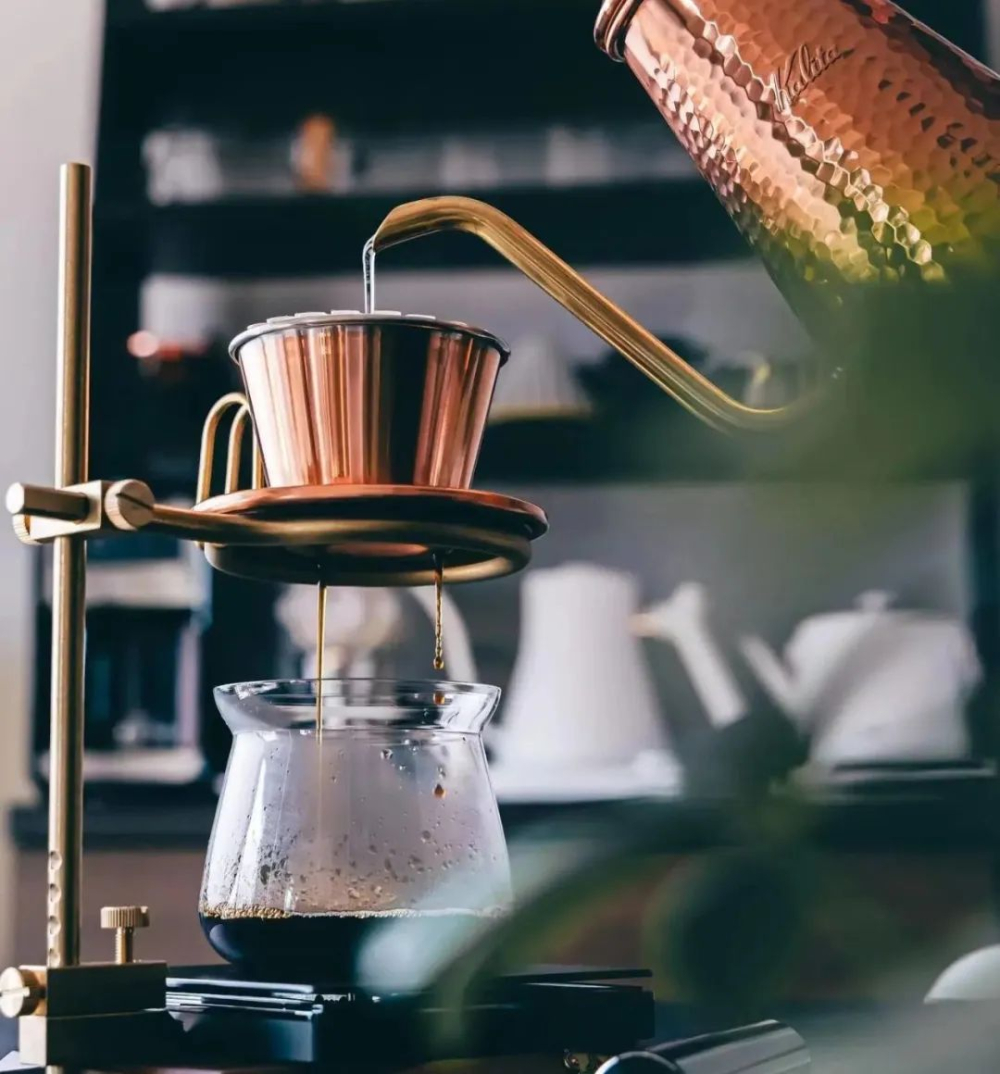
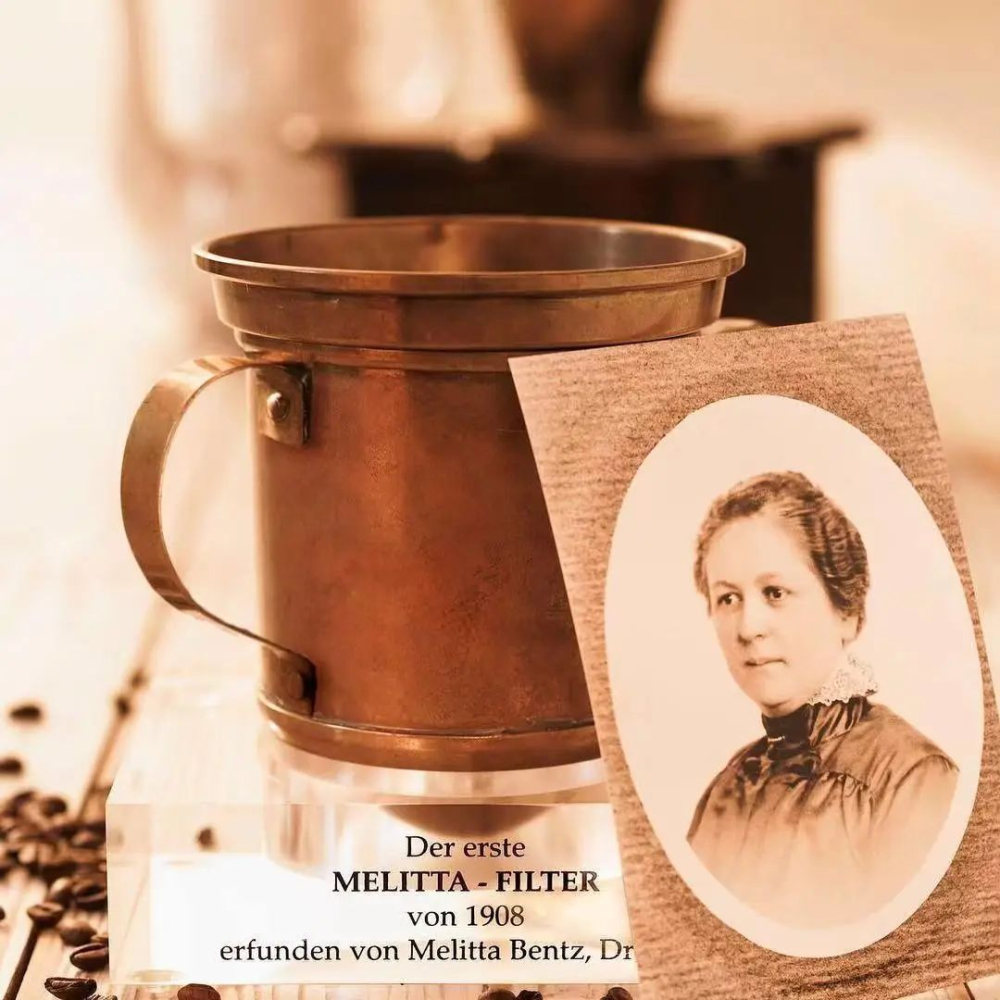
It wasn't until the 20th century that a German woman who loved fresh-brewed coffee, Amalie Auguste Melitta Bentz, grew tired of coffee made this way — it tasted bitter, and grounds kept getting stuck between her teeth. So Mrs. Melitta began experimenting with new methods, determined to solve the residue problem, and finally hit upon an idea:
She punched holes in the bottom of a copper pot to make a sieve-like vessel, laid a piece of blotting paper over it, added ground coffee, poured in hot water — and the coffee dripped through the blotting paper into the pot below.
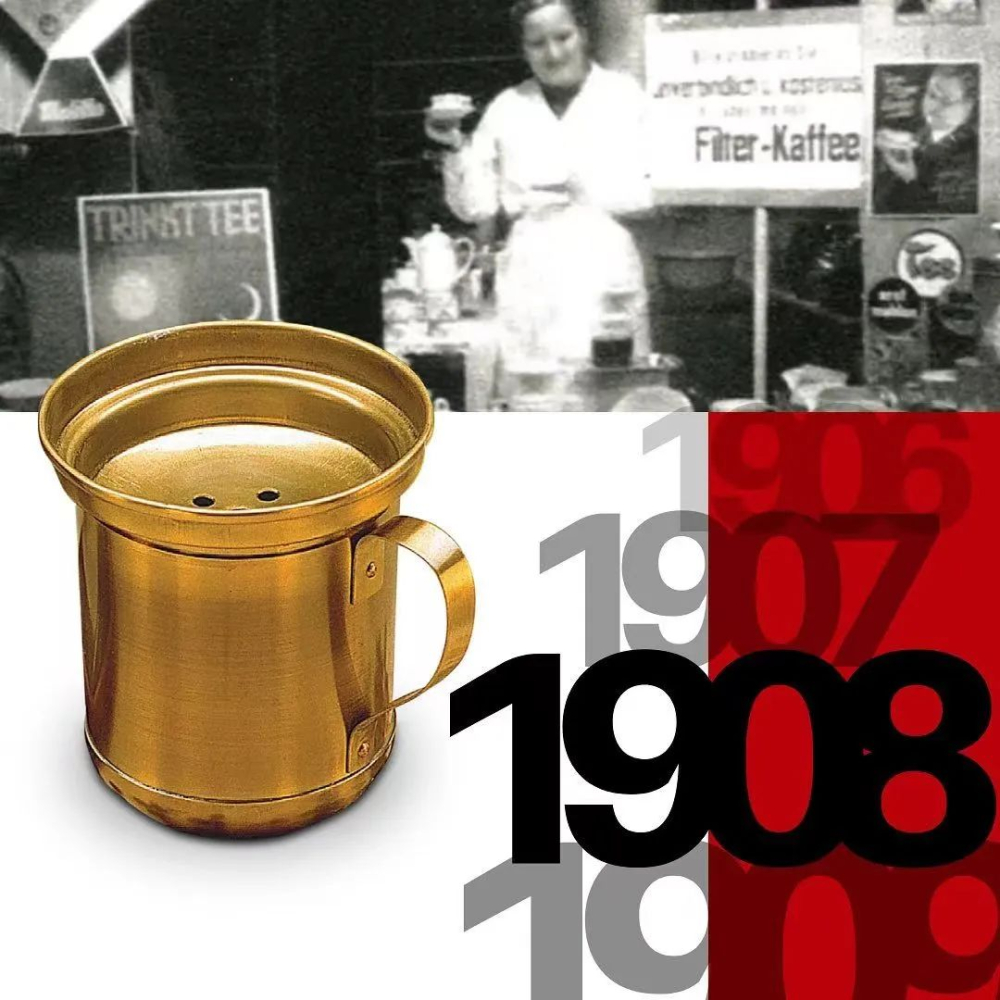
Compared with burlap and metal mesh, Melitta's design filtered out the residue while preserving the coffee's aroma. It was inexpensive, simple, and convenient — and most importantly, the brewed coffee came through clear and grit-free, a huge improvement in taste.
The Evolution of Filter Cups
In June 1908, Melitta registered her invention with the German Imperial Patent Office: a copper coffee filter with an arched bottom and a drain hole, along with filter paper — quite possibly the world's first drip-style coffee filter. That same year she founded The Melitta Company and began officially selling pour-over equipment.
Ever since, the Melitta Company has continually refined the shape, size, filter holes, and grooves of its drippers to match changing times and consumer needs. Pour-over equipment kept evolving — the familiar trapezoidal filter cup, for instance, was a popular Melitta hallmark of that era.
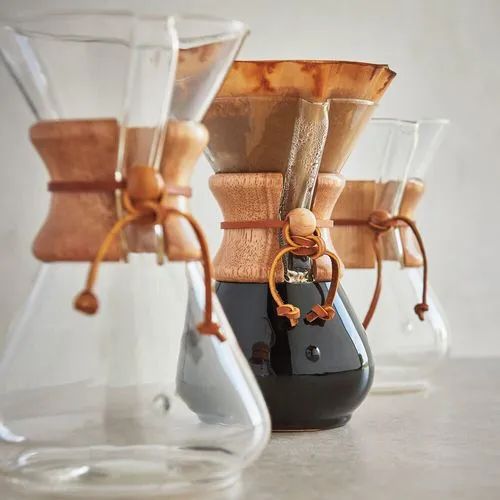
The years around Melitta's invention saw many other new devices appear as well — among them the Chemex coffee maker, developed in 1941 by chemist Peter Schlumbohm, a design as beautiful as it is practical.
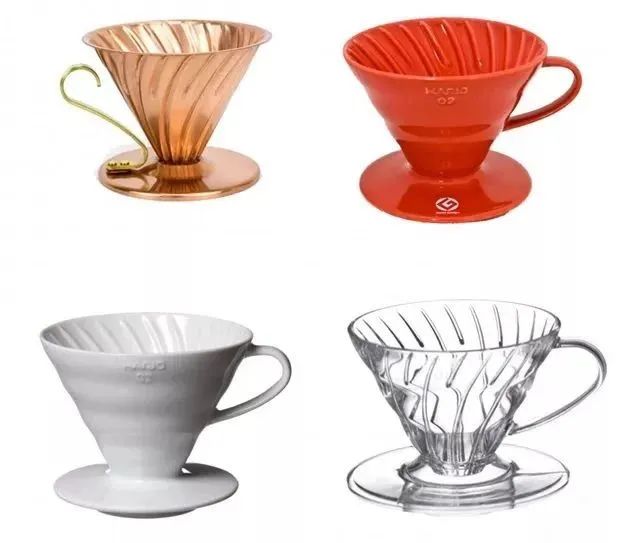
Japanese pour-over equipment has also become hugely popular. The company Hario, founded in 1921, originally made heatproof glass products. Because the popular Melitta drippers of the day had small drainage holes and slow flow rates — leaving the grounds essentially soaked by the end of extraction — Hario's designers reshaped the dripper into a 60° cone. That angle gathers the water flow toward the center, extending contact time between water and grounds, while the large single hole at the bottom lets the water drain freely.
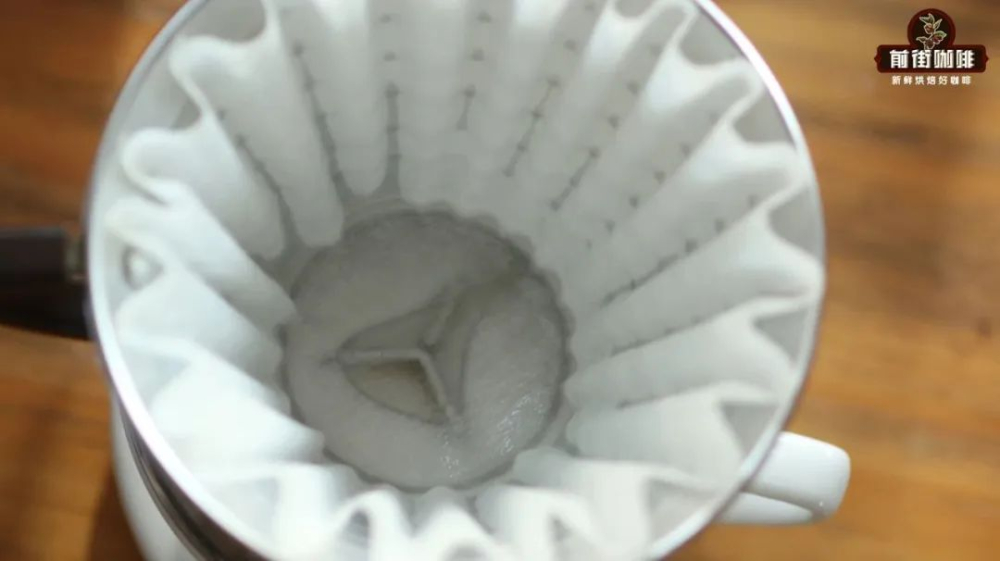
The Kalita Wave, also known as the "cake cup," is another Japanese invention, characterized by a flat bottom with 3-4 small holes. It allows a thinner coffee bed and leans toward immersion-style extraction. The filter paper touches the cup walls as little as possible, so even if water accidentally hits the paper, it must pass through the coffee bed before reaching the drainage holes.
The Spread of Pour-Over Coffee
Though pour-over was born in Germany, its involved, time-consuming process — plus the later invention of the espresso machine and the rise of a fast-paced coffee culture — kept purely manual drip coffee from catching on in Europe at the time. It was the Japanese who truly made pour-over popular.
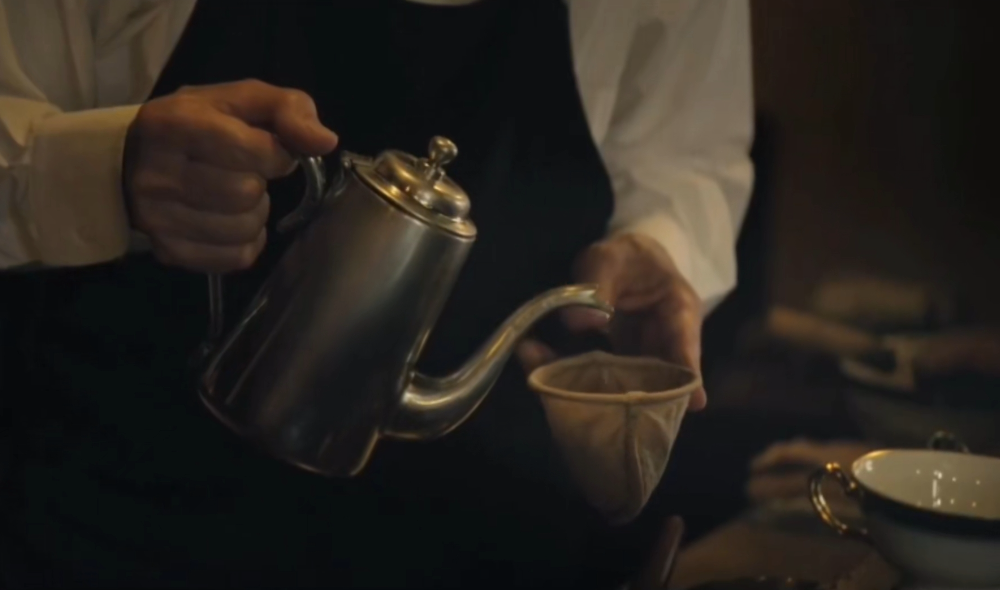
From the 1950s onward, the Japanese poured an almost obsessive passion into pour-over. Drippers of every material emerged one after another; they built a complete body of theory and technique for drip brewing; and they carried pour-over back into the spotlight with the third wave of coffee culture, winning it more and more admirers and an unprecedented boom.
- END -
FrontStreet Coffee
No. 10, Bao'an Qianjie, Yandun Road, Dongshankou, Yuexiu District, Guangzhou, Guangdong Province

FrontStreet Coffee Recommendation
Choosing Beans for Your Pour-Over Ritual
Now that you know the history of the dripper in your hand, the next question is what to brew in it. If you own a V60 — the cone-shaped 60° classic — FrontStreet Coffee's resin Hario V60 is the house favorite: resin blocks heat loss effectively, and standardized mass production keeps its shape the most precise of all the material options. Its fast, unimpeded flow is perfect for floral-and-fruit coffees: the classic Yirgacheffe character of FrontStreet's Worka (Guodingding), the tropical fruit richness of Hua Kui, the Gesha-like Strawberry Candy, and the raisin-toned Mozart all shine when given room to express their florals, fruit acidity, clean sweetness, and tea-like notes.
Matching Beans to the Era of Your Cup
Before the turn of the millennium, medium and dark roasts dominated the market, and brewers prized body, sweetness, lingering finish, and the caramelized flavors of dark roasting — chocolate, maple, nuts, vanilla — best expressed through siphon or flannel. FrontStreet's Blue Mountain No.1 and PWN Golden Mandheling were the star beans of that era. The third wave then turned roasts lighter and palates toward delicate acidity and regional character, which is exactly where the V60's quick extraction excels — three-dimensional aromas and lively acidity that let flowers, fruit, and sweetness sing.
And for Flat-Bottom Fans
If you brew on a Kalita Wave or other cake-style dripper, its gentler, immersion-leaning extraction suits balanced, sweet coffees beautifully — a medium roast like FrontStreet's Brazil Fazenda Rainha with its cream, peanut, chocolate, and sugarcane notes is a natural partner for the flat-bottom's forgiving, stable style.
Important Notice :
FrontStreet Coffee is a long-established specialty coffee roaster in Guangzhou China, selling freshly roasted beans from its own farm in Yunnan as well as dozens of carefully selected single-origin beans from around the world for both pour-over and espresso. The products deliver consistently excellent quality and great value, with shipping within 24 hours. Guangzhou's FrontStreet Coffee shop is recommended by many coffee lovers, and the beans are now available online at the Tmall 。
FrontStreet Coffee has moved to a new address:
FrontStreet Coffee Address: 315,Donghua East Road,GuangZhou
Tel:020 38364473
 Scan and follow the En Gafei WeChat official account. Please indicate that the reprint comes from "En Gafei".

